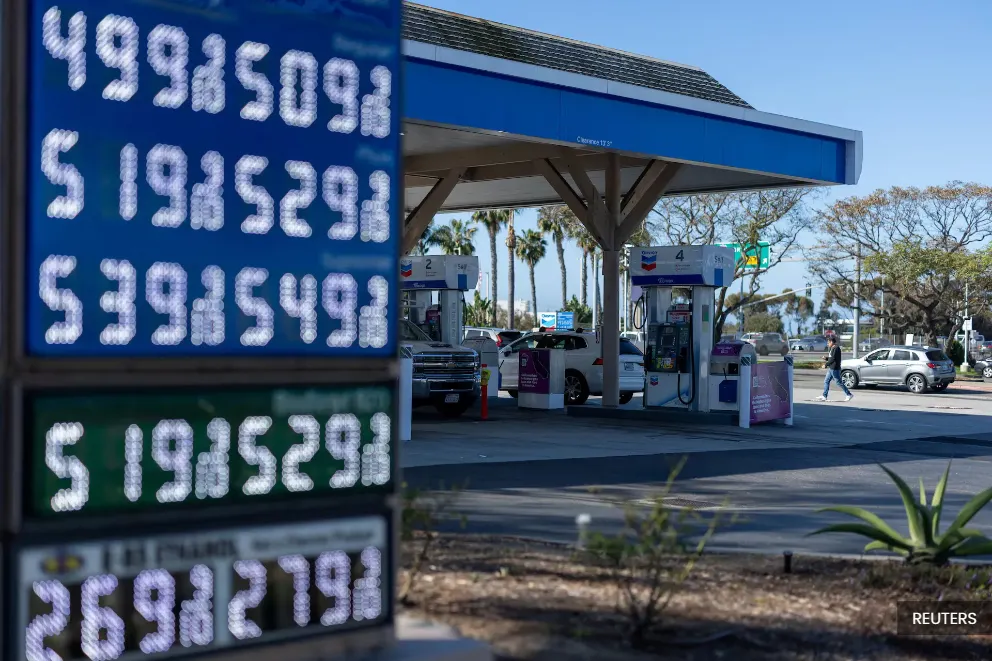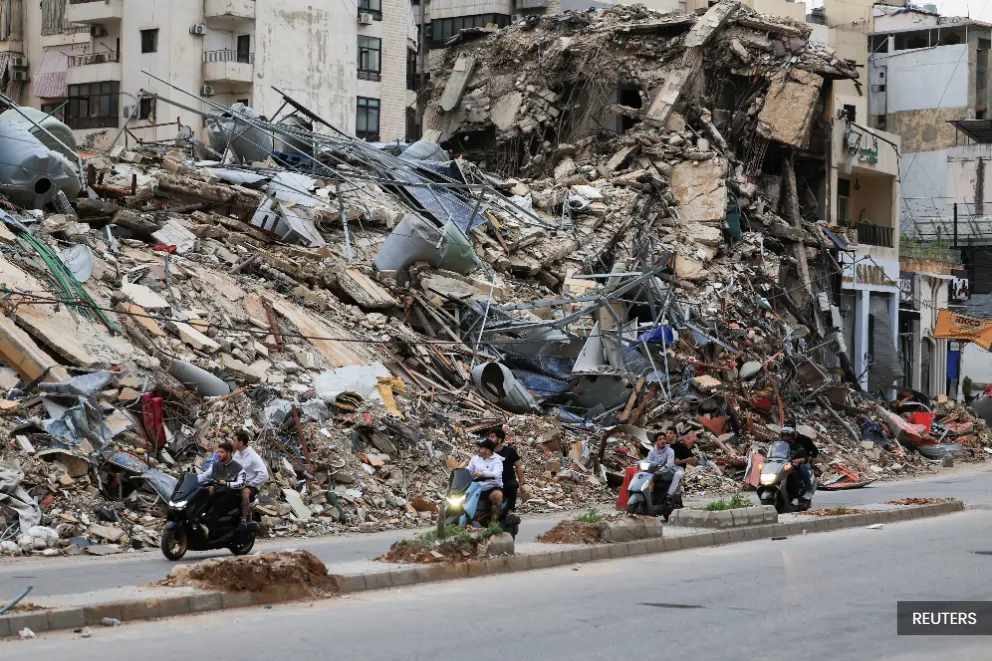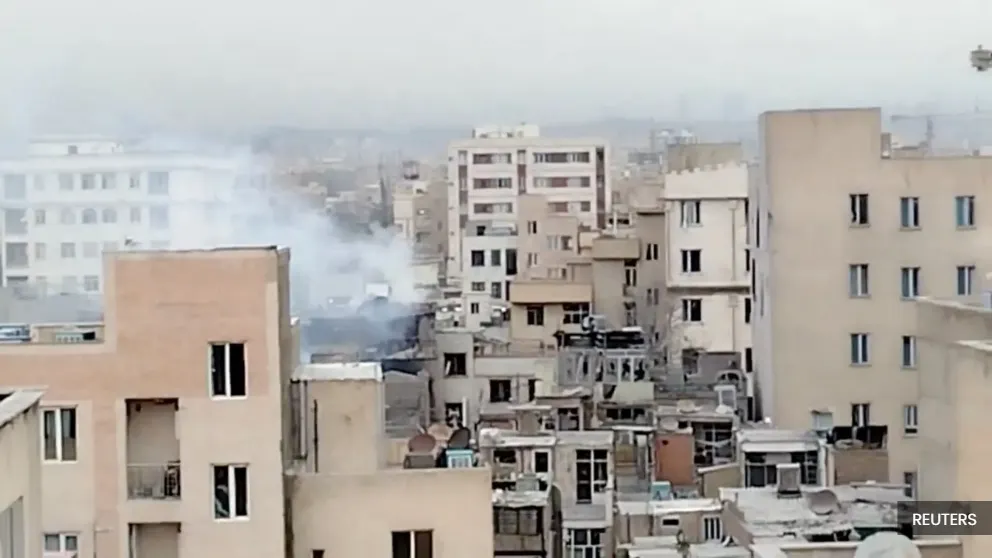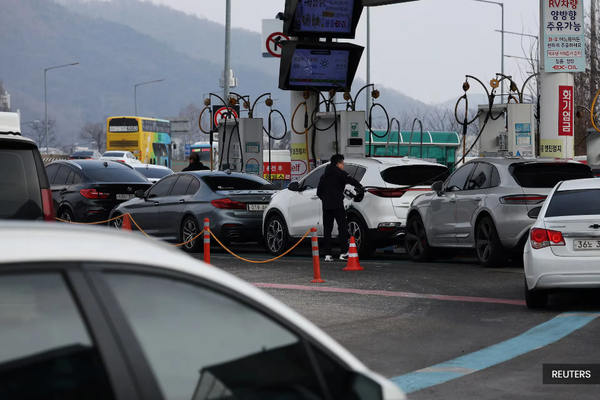
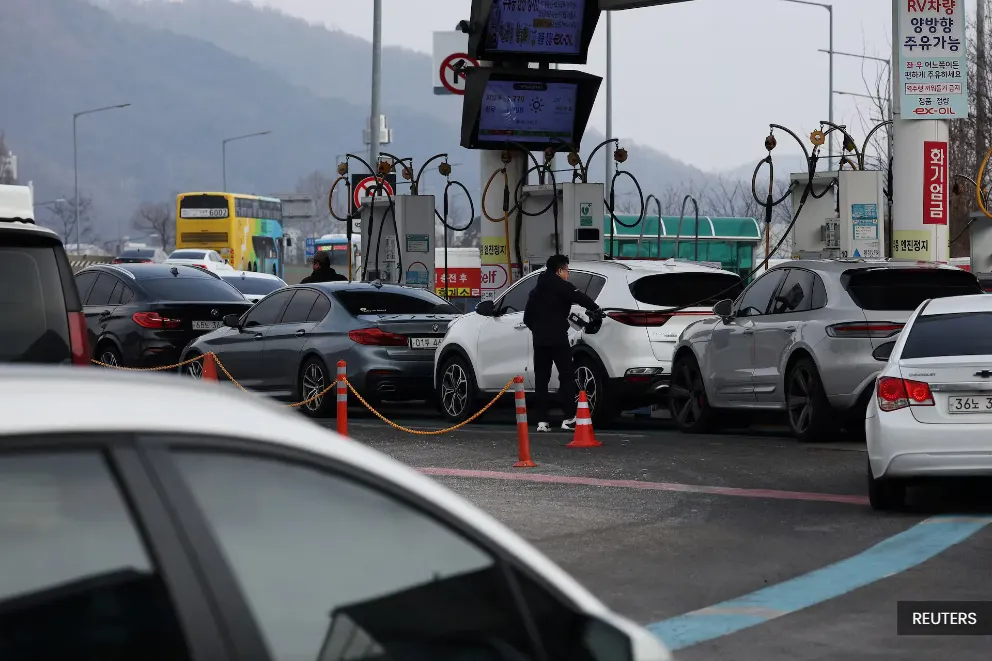
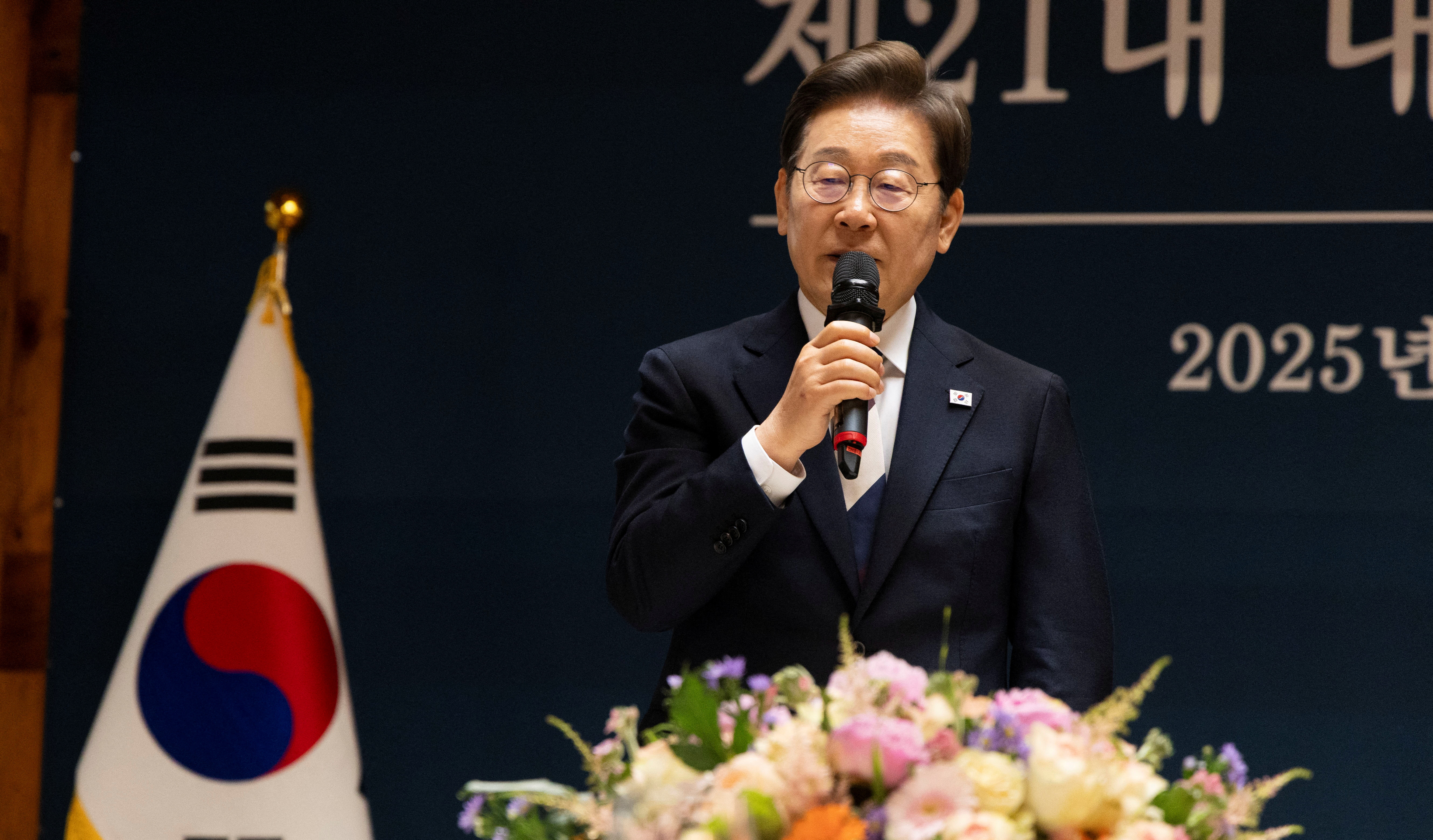
SEOUL, March 9 — South Korea will take steps to implement a capping system on local fuel prices this week, shortly after President Lee Jae Myung called for a swift launch of the system to contain a jump in gas prices as the United States (US)-led war with Iran has intensified in the Middle East.
Yonhap News Agency reported that presidential chief of staff for policy Kim Yong-beom said specific measures were discussed at a meeting with relevant ministries to "implement the price cap system to prevent abnormal pricing of petroleum products and improve price predictability."
If implemented, it would mark the first time since 1997 that South Korea has enforced the system, using a provision in the Petroleum Business Act that allows the industry minister to designate a maximum sales price when oil prices fluctuate sharply and threaten economic stability.
Earlier in the day, Lee told an interministerial meeting that a swift implementation of a fuel price cap is needed as Brent oil prices surge to US$100 per barrel.
"As the crisis in the Middle East deepens, uncertainty in the domestic and global economic environment is expanding significantly, posing a considerable burden on the Korean economy, which relies heavily on global trade and energy imports from the Middle East.
"As it is difficult to predict how the situation will unfold, the government must prepare preemptive response measures with a sense of urgency, keeping even the worst-case scenario in mind," he said,
The volume of crude oil imports affected by a potential closure of the Strait of Hormuz currently stands at around 1.7 million barrels per day, while South Korea's oil reserves amount to 190 million barrels, enough to last about 208 days.
In the event of a prolonged crisis in the Middle East, Kim told the media that the government can exercise priority purchase rights to secure 20 million barrels jointly stockpiled with oil-producing countries, while also considering redirecting oil produced overseas by the state-run Korea National Oil Corp. to the domestic market.
Other measures discussed include securing supplies that do not pass through the Strait of Hormuz and diversifying crude oil import sources beyond the Middle East.
With the Middle East currently accounting for about 14 per cent of gas imports scheduled for this year, a disruption of around five million tonnes of Qatari gas production is expected. However, he said that alternative supplies can be secured through other channels, making a major supply disruption unlikely.
During the meeting, Lee urged the government and the Bank of Korea to prepare additional preemptive measures to respond to rising volatility in financial and foreign exchange markets, instructing authorities to expand the 100 trillion-won (RM265.4 billion) market stabilisation program if necessary.
"We should identify hidden risks and meticulously prepare response measures," he said.
The President also called for measures to address uncertainty surrounding energy supplies amid concerns over disruptions to shipping through the Strait of Hormuz, a major global shipping route.
"We will coordinate with strategic partner countries to promptly explore alternative routes that do not have to pass through the Strait of Hormuz," Lee said.