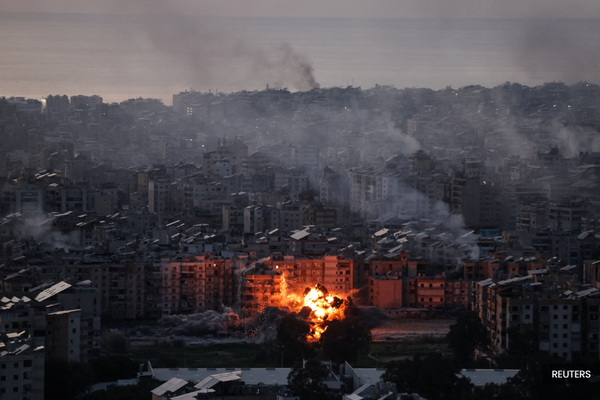
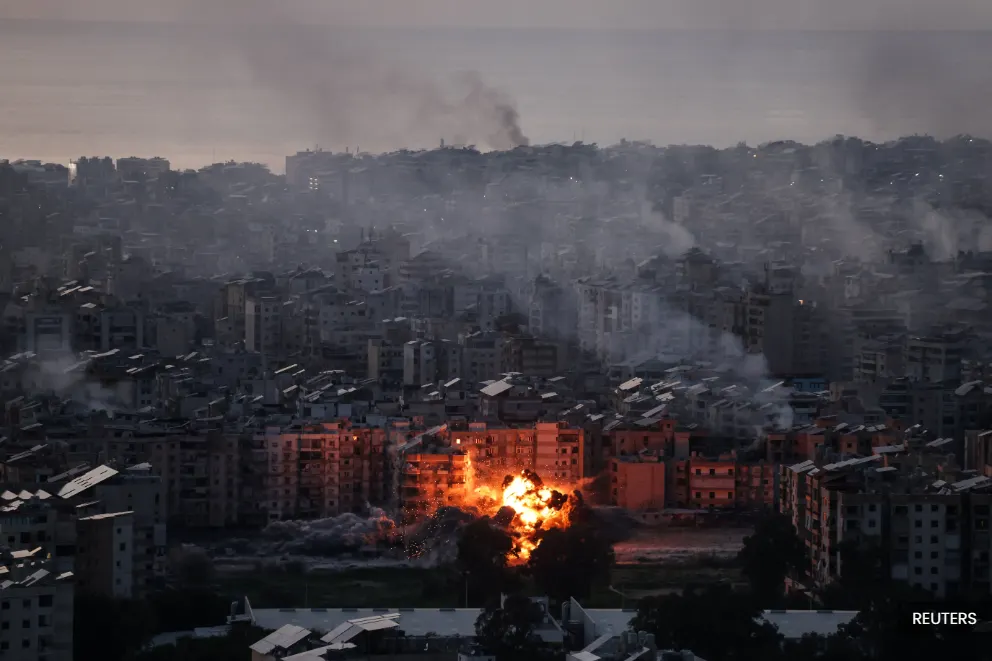
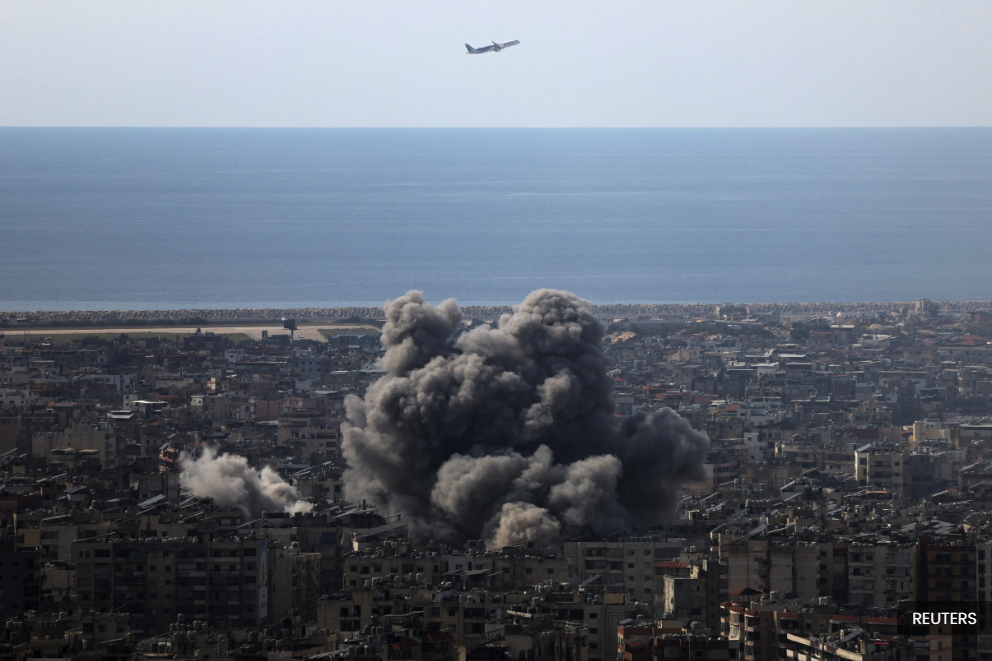
SEREMBAN, March 7 — The government has, in principle, approved a plan to relocate or evacuate Malaysians from high-risk areas in the Middle East and can activate it at any time if the situation requires.
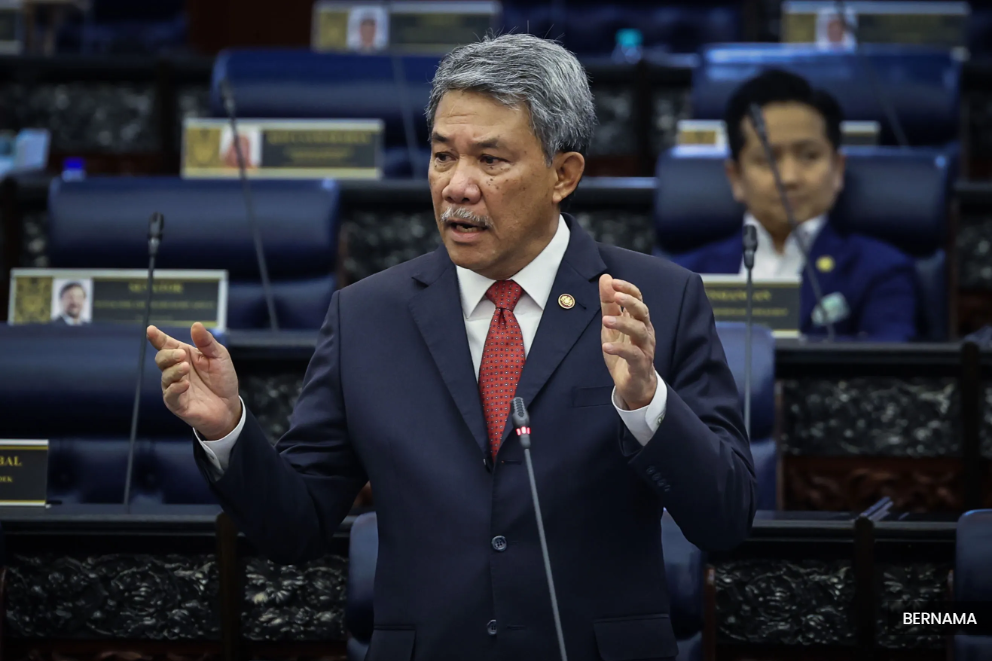
Foreign Minister Datuk Seri Mohamad Hasan said the approval was to enable the government to act promptly, without waiting for a new Cabinet decision, if the security situation in Middle East countries worsens.
"The evacuation plan has been approved by the Cabinet; it is just a matter of when we will trigger it. The National Security Council (NSC), together with the Foreign Ministry and other agencies, is monitoring the situation, and our embassy offices are always open.
"If there really is a need, we will carry out the evacuation plan, but as of today, there has been no need for us to activate it,” he said after officiating the launch of the Khatam al-Quran ceremony for the Negeri Sembilan Women's Organisation and the Welfare Association of Wives of Negeri Sembilan Elected Representatives and Senior Officials today.
Mohamad also advised Malaysians in those countries to avoid sensitive areas, including military bases, as these locations are believed to be potential targets of retaliatory attacks and could pose risks to their safety.
He urged Malaysians stranded overseas due to flight disruptions in the Middle East to update the Malaysian embassy on their travel status once they have obtained confirmation of their return flights.
This is crucial for the government to determine the actual number of Malaysians who have already returned and those who are still stranded, so that assistance coordination can be carried out more effectively.
"My advice is that those who have received confirmation from any airline company, contact the embassy again and inform them that they have secured a seat to return home, so that we will not be left in the dark… do not just keep quiet,” Mohamad said.
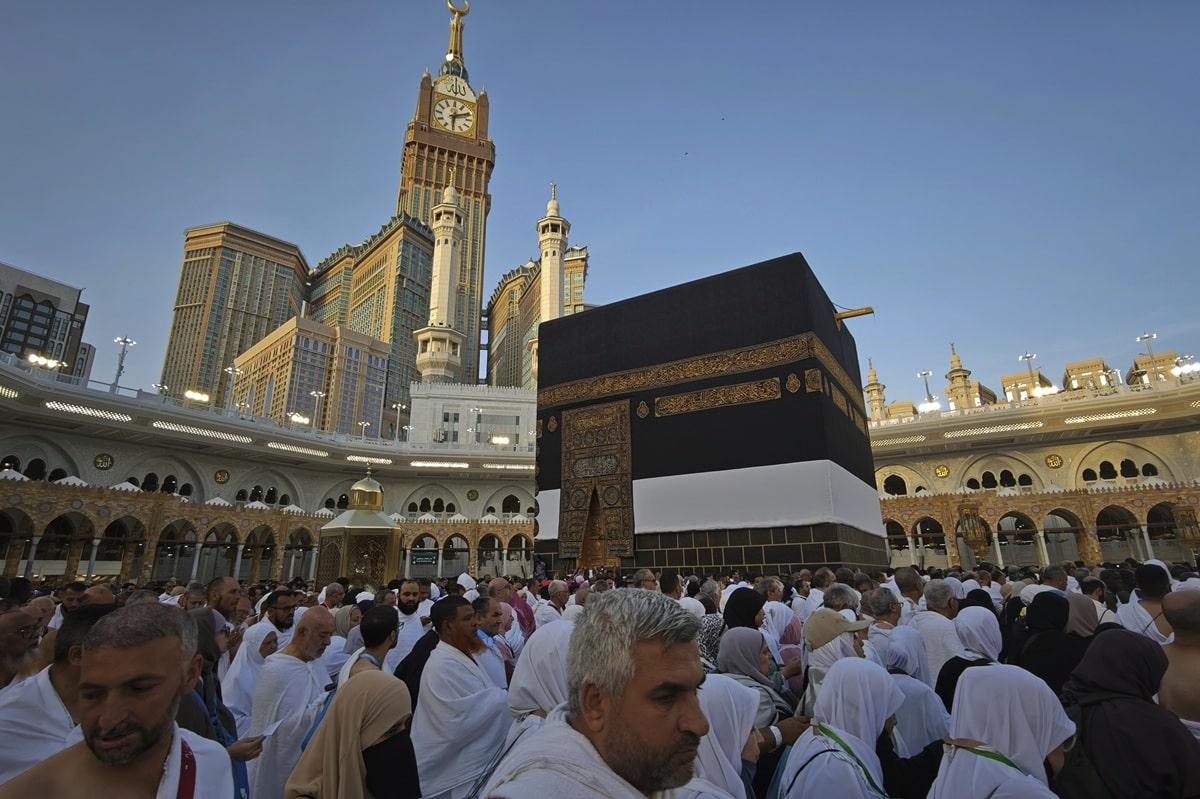
Similarly, the minister advised Malaysians planning to perform their umrah (in Saudi Arabia) to defer their plans for now, as the security situation in the region remains unstable.
The government, via the NSC, is monitoring developments in the region to assess safety levels before making decisions.
"We will issue daily updates on the developments there, because we do not know what to expect as anything can happen…,” he said.
Mohamad added that the reopening of several airspaces in the Middle East has allowed flight operations to resume in stages, thus aiding efforts to bring home the stranded passengers.
As of yesterday, 2,367 Malaysians were reported to be still stranded in Jeddah, Qatar, Madinah, and Abu Dhabi.