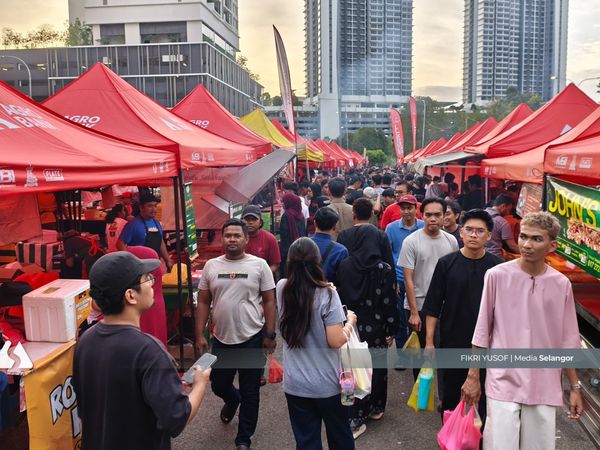
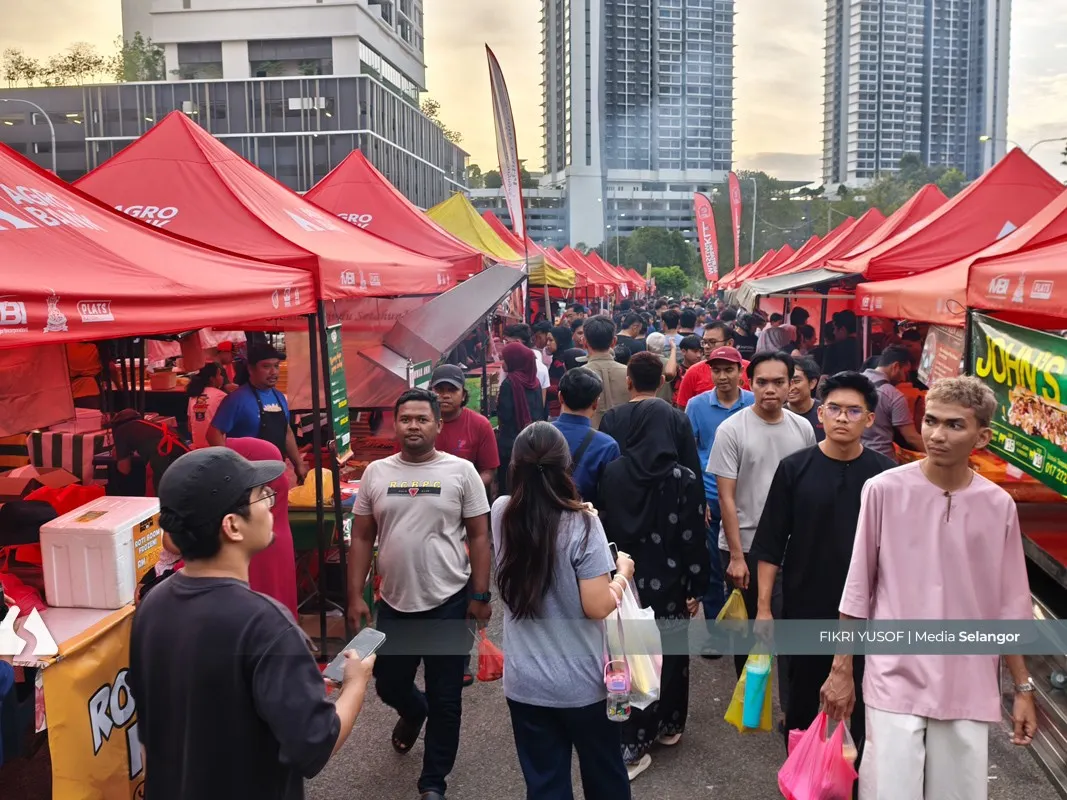
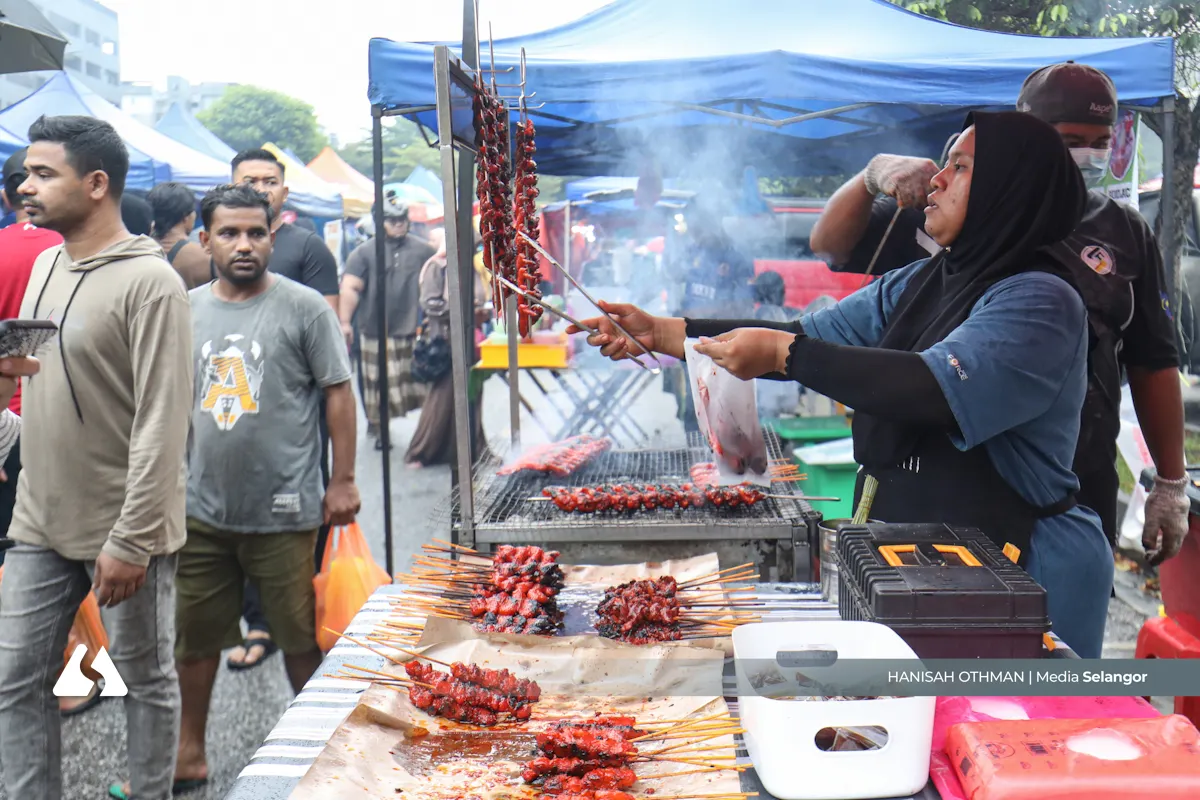
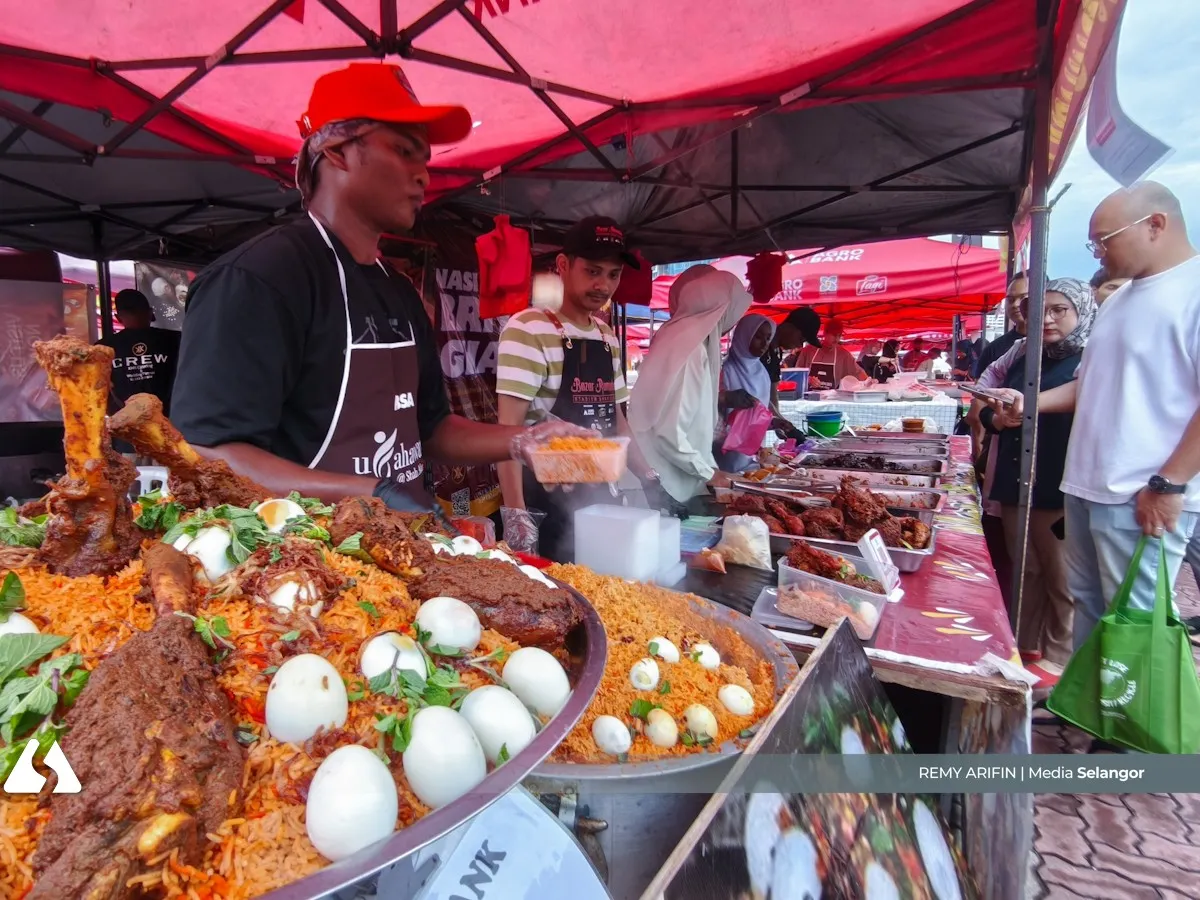
SHAH ALAM, March 6 — Malaysians spend more during Ramadan than in any other month, and it is not just because they are hungry; social expectations, cultural norms, and marketing campaigns play a large role, too, said Assoc Prof Ezlika M. Ghazali.
The Universiti Malaya Management and Marketing Department lecturer said iftar is often seen as a communal event rather than just a meal, with people often buying more than needed to ensure sufficient food and to offer variety.
“If relatives drop by, friends join, or neighbours share food, many feel obliged to provide plentiful choices, so they end up buying more that they actually need,” she told Media Selangor.
Time pressure, seasonal promotions, and the perception of limited availability also drive impulsive purchases, she added.
“A lot of buying happens close to iftar when people are hungry and tired. In that state, people tend to overestimate how much they will eat and are more likely to (buy more) drinks, desserts, and extra items.
“When something is marketed as only available during Ramadan, people are more likely to buy it, even if they hadn’t planned to.”
Ezlika said social media further fuels spending, with viral posts, influencer content, and photos of long queues creating the impression that certain items are worth buying for the experience, and not just to satisfy hunger.
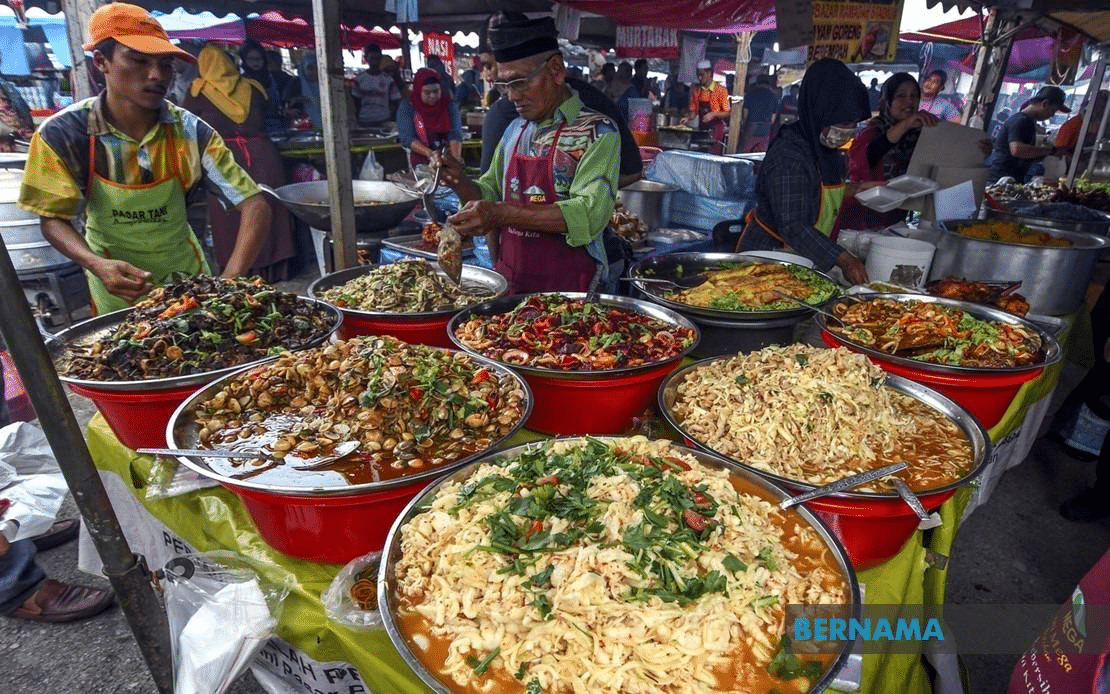
According to the Statistics Department (DOSM), 96,549 stalls operated during Ramadan and Aidilfitri bazaars in 2025, up 11.5 per cent from 2023, generating RM3.2 billion in sales.
Selangor ranked the highest with 15,000 stalls, having contributed RM667.9 million in sales.
Ezlika said households generally spend more overall than single individuals as they feed multiple people and host frequently. Working adults with limited time to cook also often buy more to cover the whole family and for sahur or the next day.
Single people, on the other hand, may spend less overall but tend to make more spontaneous purchases per meal occasion, she said.
“They iftar outside more, follow friends to trendy places, and rely on options that are convenient. Decisions are also more spontaneous, so it is easier to overspend on small add-ons that accumulate.”
To manage overspending, Ezlika suggested planning meals earlier in the day, setting budgets, limiting variety, and pacing purchases.
For instance, she said, one may buy their main meal first, break their fast, and wait before deciding on desserts or extras to prevent impulsive purchases while still enjoying the spirit of Ramadan.
Set budget, avoid panic buying
The Federation of Malaysian Consumers Association (FOMCA) noted certain patterns in Malaysians’ spending habits during Ramadan — many often “reward” themselves with more food than necessary after a day of fasting, influenced by the festive atmosphere, wide choices at bazaars, and attractive promotions.
“Culturally, having a large spread for iftar is often seen as part of the celebration. In reality, our bodies do not require large amounts of food after fasting,” its chief operating officer Nur Asyikin Aminuddin told Media Selangor.
“It is often desire rather than necessity that drives higher spending, which can lead to food and financial waste,” she said, noting that food waste typically increases during Ramadan due to impulse buying and overcompensating.
“The wide variety of dishes at bazaars, promotional bundles at supermarkets, the festive atmosphere — all encourage overpurchasing. When the food cannot be fully consumed, it results in higher levels of waste.”
Asyikin acknowledged that price hikes often occur at the beginning of Ramadan due to high market demand rather than profiteering.
She recommended that consumers plan their purchases carefully to avoid panic buying and to take practical steps to curb overspending.
“Plan your daily menu in advance, prepare realistic portion sizes, set a budget and stick to a shopping list. Avoid shopping when overly hungry and focus on the spirit of togetherness instead of the quantity of food.
“Meaningful family traditions are built on sharing and gratitude, not excesses,” Asyikin said.