
SHAH ALAM, March 5 — As Muslims celebrate the holy month of Ramadan, food aid drives are once again expanding nationwide, with assistance largely directed towards the urban poor and homeless communities.
However, amid rising living costs and tightening budgets, university students have emerged a largely overlooked group quietly grappling with food insecurity.
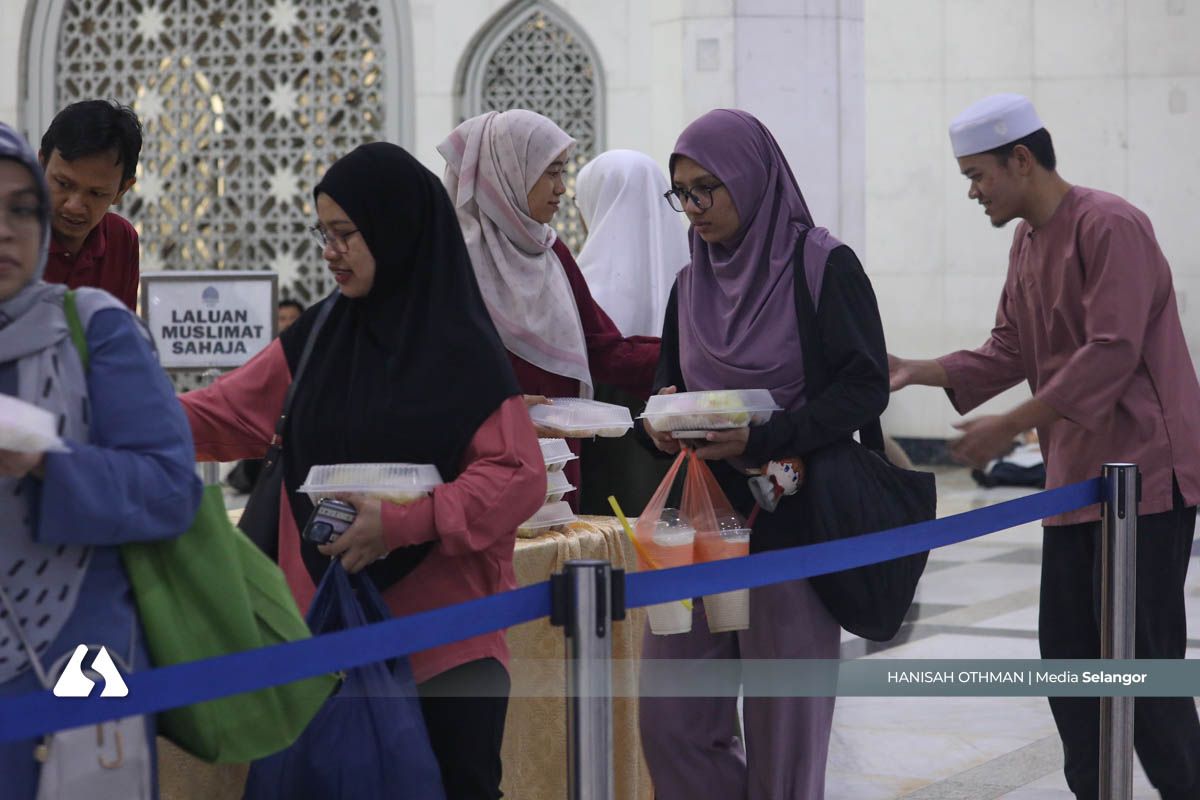
At public institutions like Universiti Malaya (UM), free meals from mosques and campus surau have become increasingly common, particularly during Ramadan when daily food costs tend to rise.
“(The rising cost of living) is concerning. It’s not only during the fasting month. It happens throughout the year, but during Ramadan, the situation is more dire,” UM Students’ Union (UMSU) president Aiman Izzat Shamsuddin told Media Selangor.
Aiman pointed to soaring prices at Ramadan bazaars as the key issue driving students’ financial strain.
“It costs about RM10 for a meal at Ramadan bazaars. That’s already RM300 over 30 days, and that’s just for breaking fast, not including sahur and other expenses.”
Aiman said rising living costs have forced many students to reconsider their daily expenses, with a growing number of them relying on free meals.
“As students, we even joke about ‘mosque hunting’. Besides wanting to experience the Ramadan atmosphere and perform tarawih prayers, one of the main reasons is the free food.
“We can use the savings to buy Raya clothes and other essentials. It’s not just about having enough food each day, but also about easing the burden from rising living costs,” he said.
He added that mosques and surau have become informal safety nets for many university students, and that about 1,000 free food packs are distributed daily to UM students, including at the Academy of Islamic Studies’ mosque.

Challenges beyond iftar costs
The financial strain goes beyond iftar meals. Aiman said students living off campus face mounting expenses, from transport and fuel to internet bills and rent.
He admitted some students resort to skipping meals altogether to cope with these rising costs.
“We don’t like to think about it, but I believe there are students who skip meals and tell themselves ‘I’ll just eat once today to make sure my money lasts the whole month’. We can’t deny that there are students who skip meals due to financial constraints,” he said.
To address the issue, he called for a more structured, long-term initiative involving multiple stakeholders, including ministries, to coordinate food aid and transport support for students.
“Perhaps assistance such as food aid for breaking fast can be distributed directly to education institutions in phases.”
Aiman said UMSU has sought support for 100 to 200 daily iftar food packs from mosques and is securing sponsorship for Raya clothing, while coordinating buses to help students go home for Aidilfitri.

Food aid versus waste concerns
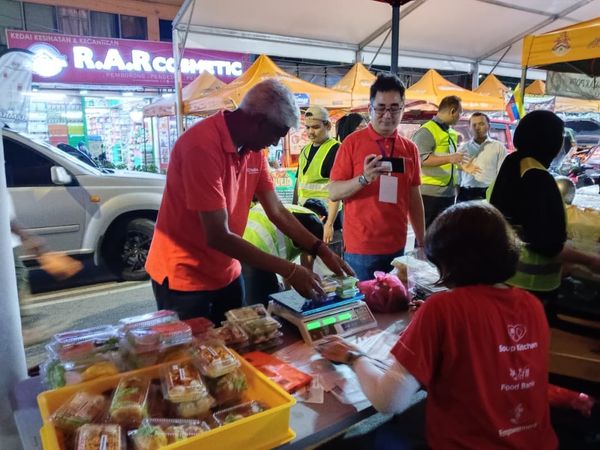
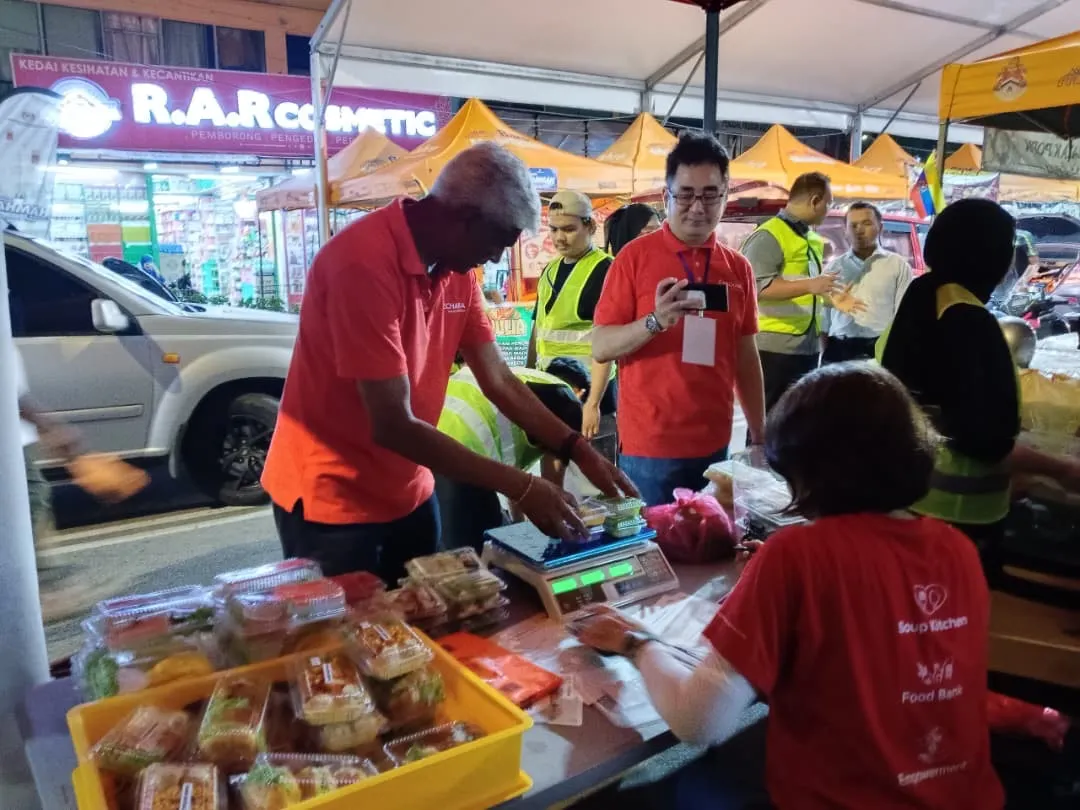
Non-governmental organisations (NGOs) like Kechara Soup Kitchen (KSK) say they have long been aware of university students facing food insecurity and have been helping them since 2018, including through UM’s Student Affairs and Alumni Division (HEPA).
“There are students who are struggling to access food, and we currently deliver donations to the university on a weekly basis, especially food that can be consumed immediately, like bread,” KSK general manager Justin Cheah told Media Selangor.
He said KSK uses a structured process to determine who receives aid, with all recipients first verified through its database.
“An assessment is conducted on every application before help is extended. For the homeless, we provide directly for those clear-cut cases.”
On why food aid initiatives often focus on the homeless, Cheah said this is driven by visibility and convenience. In comparison, he said, other vulnerable groups like poor families and students at least have roofs over their heads.
“The homeless community is very clearly visible on the streets, and probably providing that eye-opening experience is one factor. There’s also the convenience element, as groups just need to drop food off by the roadside, and the homeless will come over and get it.”
He urged organisations and companies conducting CSR programmes to collaborate with registered soup kitchens like KSK to better coordinate and reach out to other vulnerable groups like students, who might otherwise be left out.
Some NGOs like Dapur Jalanan take a different approach by opting out of distributing food during Ramadan altogether to avoid food wastage.
“We have witnessed heartbreaking situations where food was donated but ended up being discarded. That is why Dapur Jalanan does not distribute food this month,” its coordinator Haziq Fikri said.
According to the Solid Waste Management and Public Cleansing Corporation (SWCorp), food waste increased by 21 per cent during Ramadan in 2024, with nearly 9,000 tonnes discarded daily.
Although overall solid waste fell 2.7 per cent in Ramadan 2025, food waste still increased 11.6 per cent to 4,561,61 tonnes per day, highlighting growing concerns over sustainability and lost resources.