SHAH ALAM, March 1 — The nation can expect to face economic repercussions following escalating tensions between Iran and the United States (US) and its ally Israel.
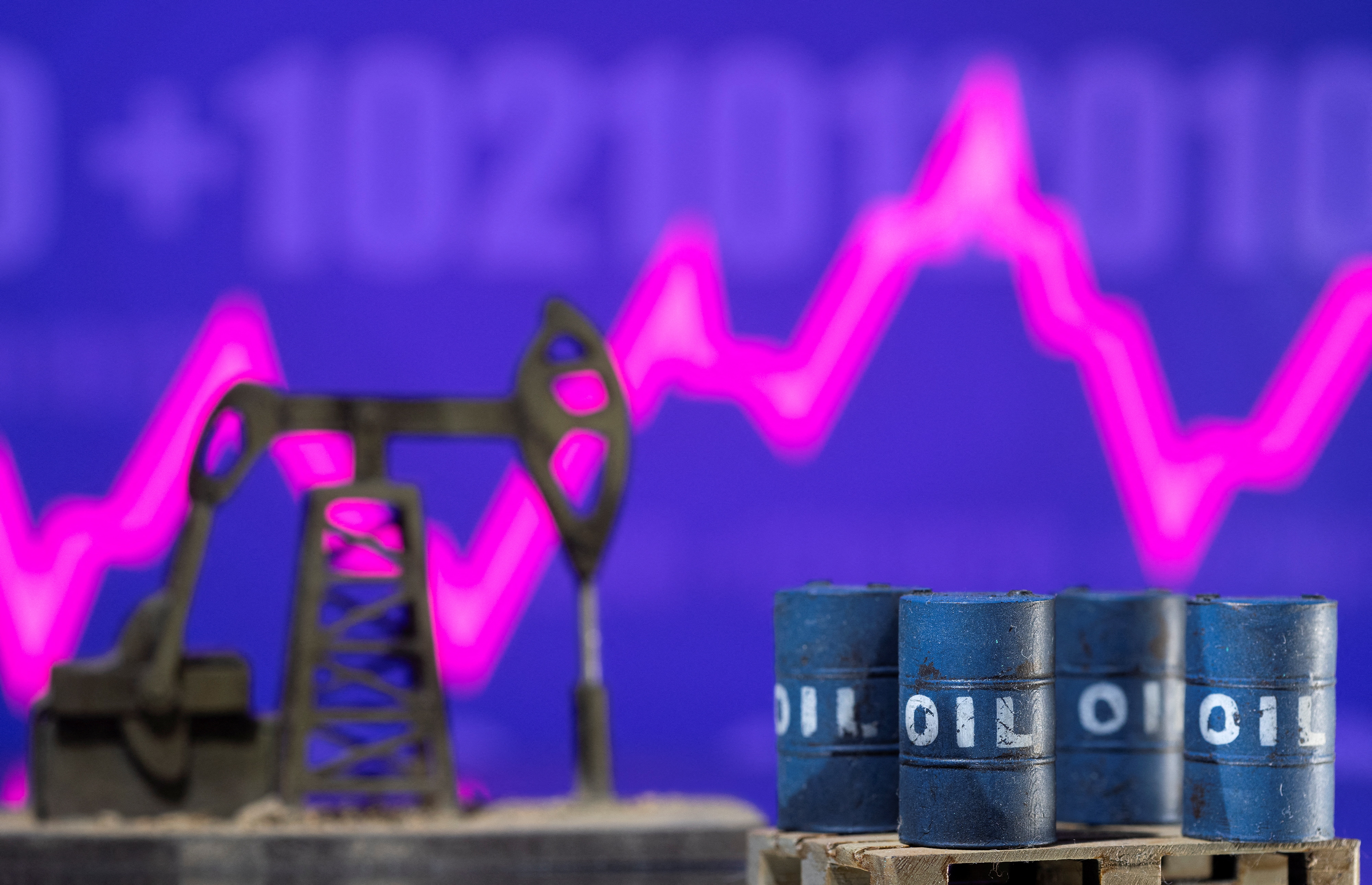
Universiti Sains dan Teknologi Malaysia senior lecturer Prof Emeritus Barjoyai Bardai said one projected outcome is a surge in crude oil prices to as high as US$200 per barrel, up from the current US$30 per barrel.
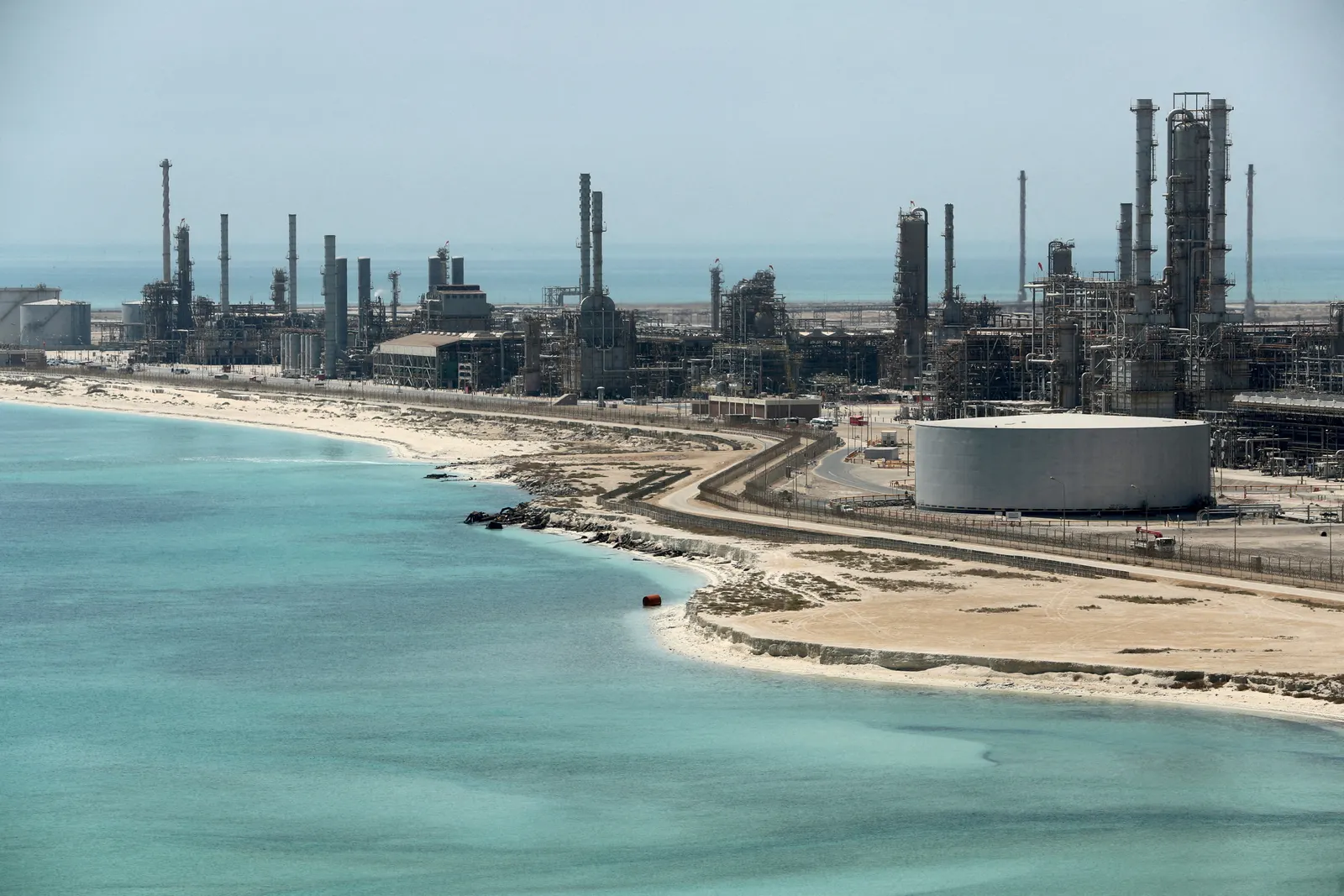
He said that as an immediate impact, the conflict will disrupt global trade due to the closure of the Strait of Hormuz, the world’s most vital export route.
“Trade requires logistical access through the Middle East. The Strait of Hormuz would be the most affected, as it carries more than 25 per cent of global trade, particularly oil.
“Simultaneously, flights would also have to be suspended. This would leave cargo and passengers stranded, to the extent that some are questioning whether there will even be a Haj season this year,” Barjoyai told Media Selangor.
He added that if the crisis persists, Malaysia is likely to see rising prices for essential goods as crude oil prices rise and the cost of imported goods soars.

The country may also see changes in business behaviour in trade, as more industry players opt to invest domestically rather than abroad.
Barjoyai noted that gold prices are also forecast to rise, with the precious metal expected to take on a greater role than currencies, thereby influencing international trade.
“Yesterday, the Employees' Provident Fund announced it would restructure its investment portfolio, as it is already feeling the effects of the weakening US dollar, which has led to a decline in the value of its investments,” he said.
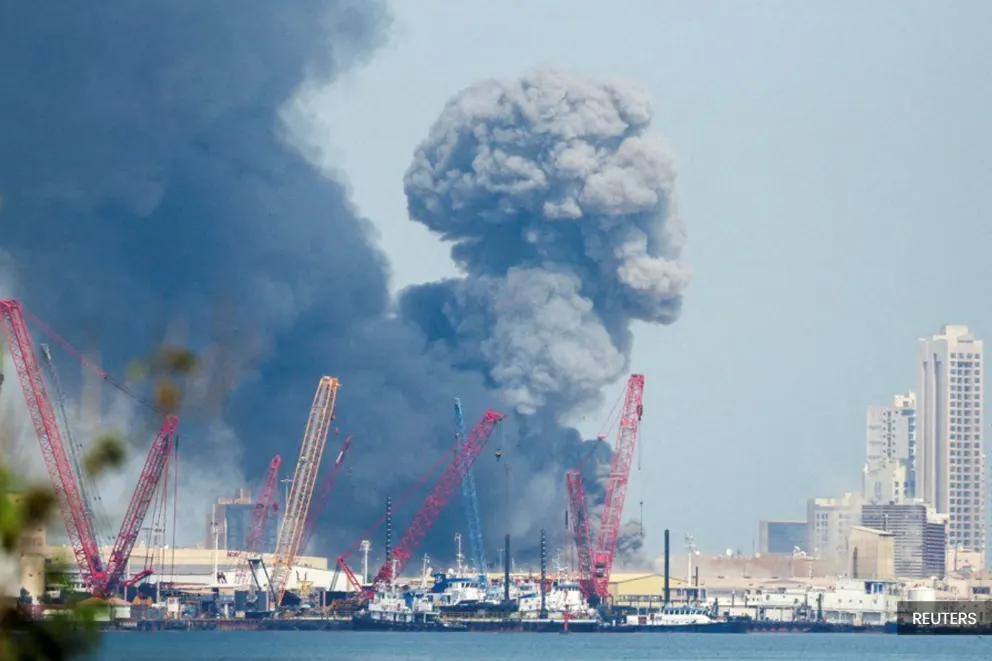
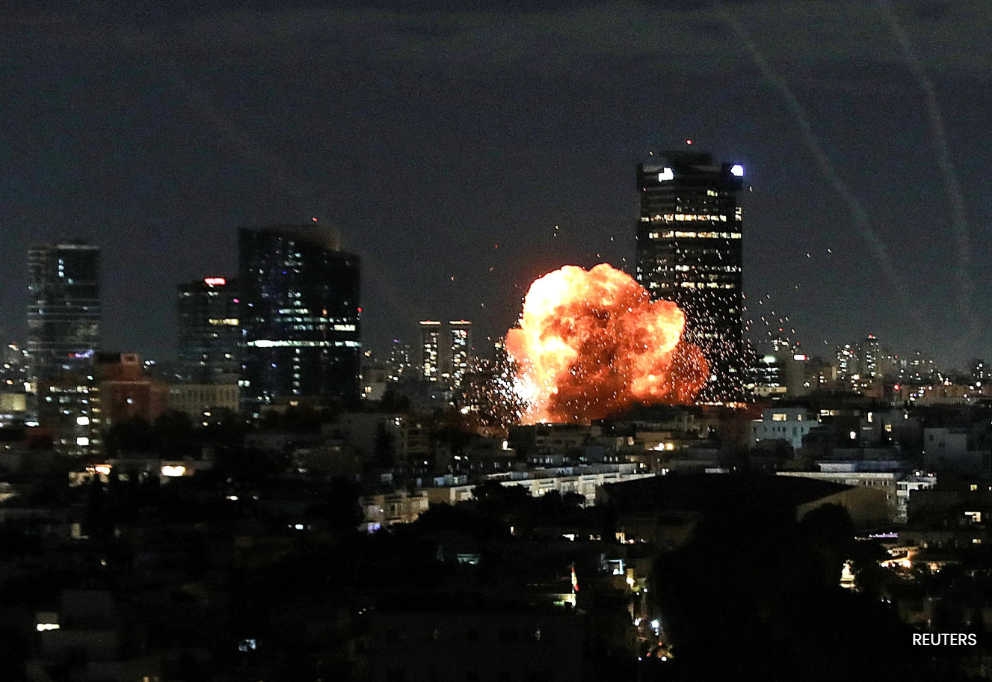
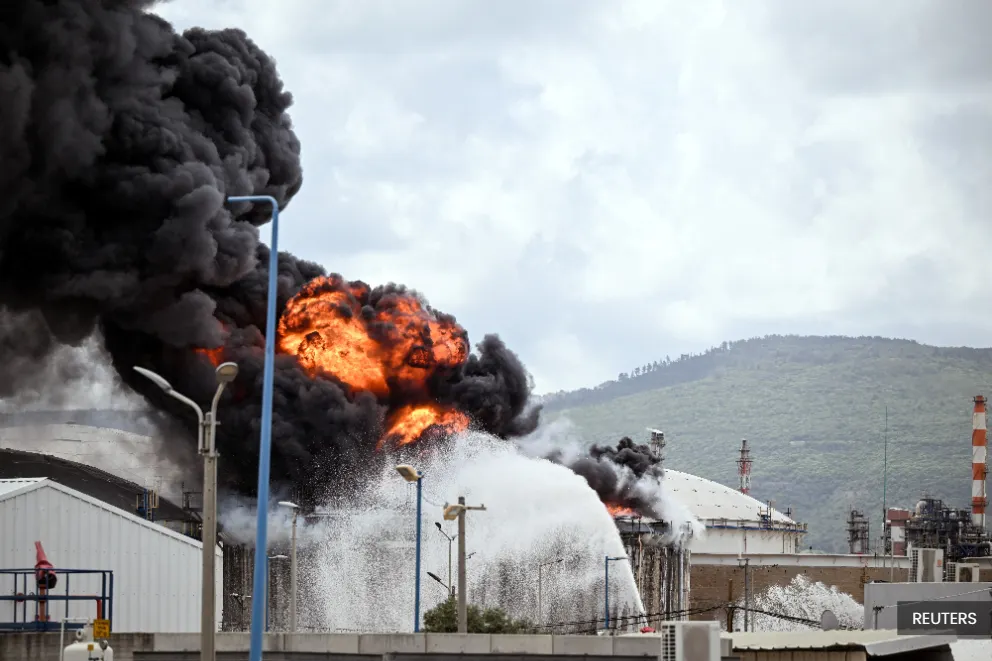
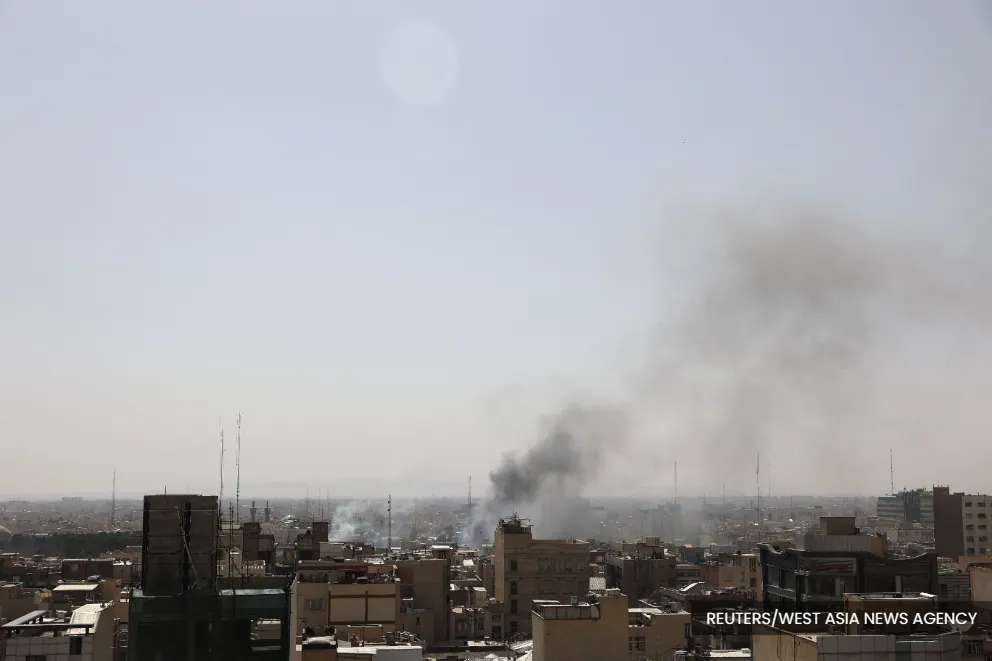
Earlier, Washington and Jerusalem launched strikes against Iran after the US increased its military presence in the Middle East to pressure Tehran into scaling back its nuclear programme.
Iran subsequently retaliated by launching attacks on four US military bases in Qatar, Bahrain, Kuwait, the United Arab Emirates, Dubai, Iraq, Jordan, and Israel.