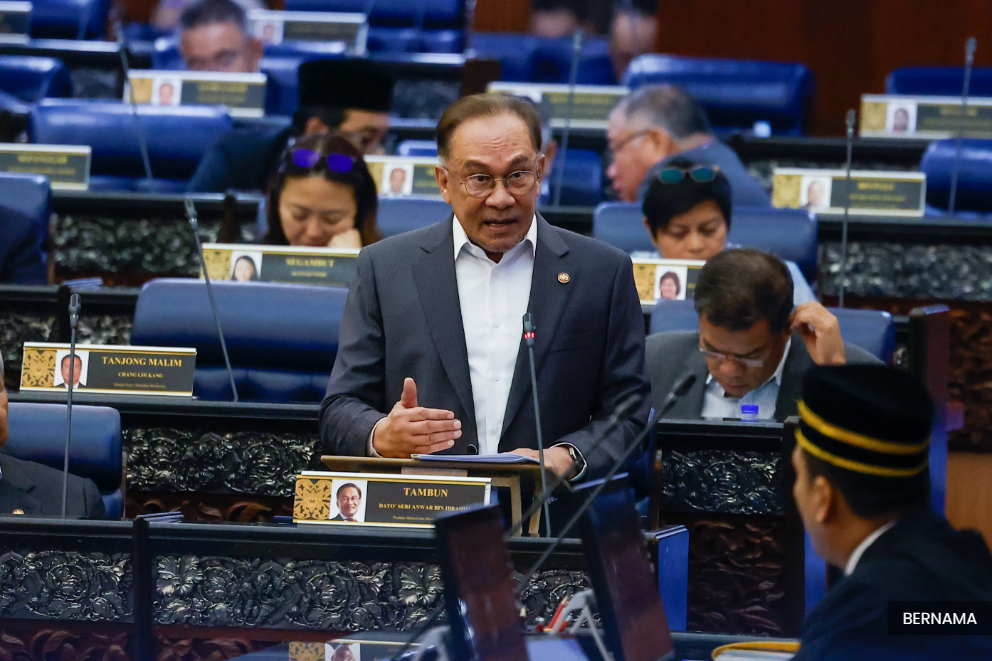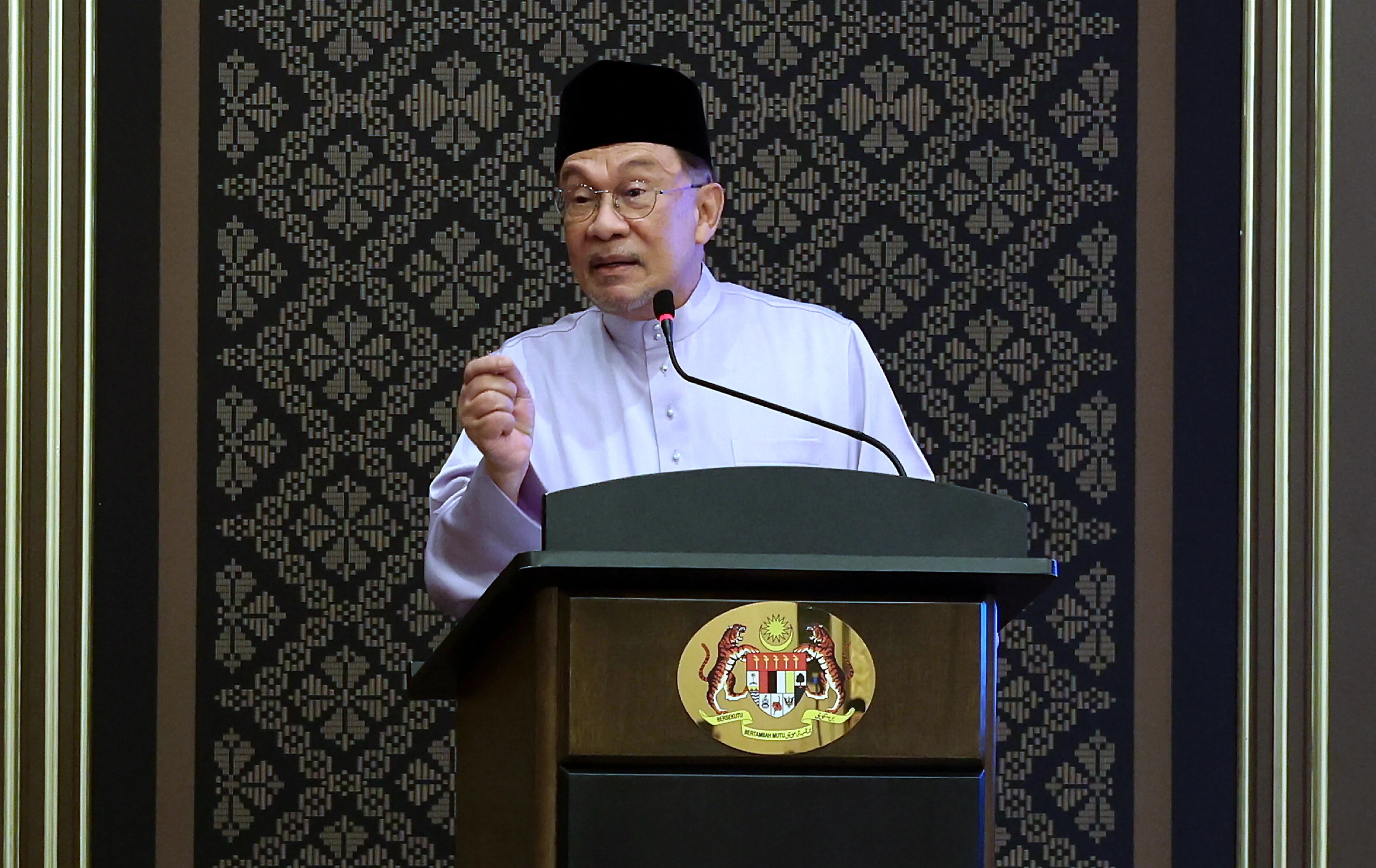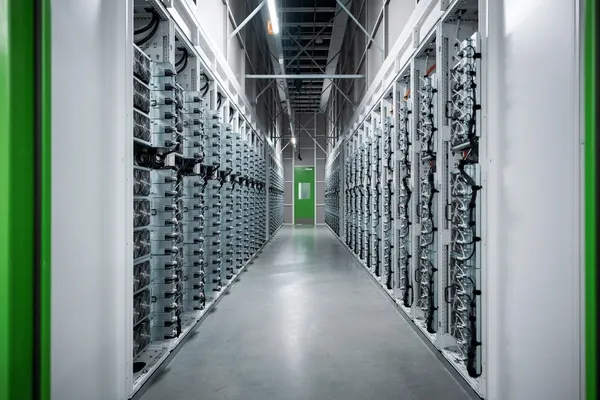
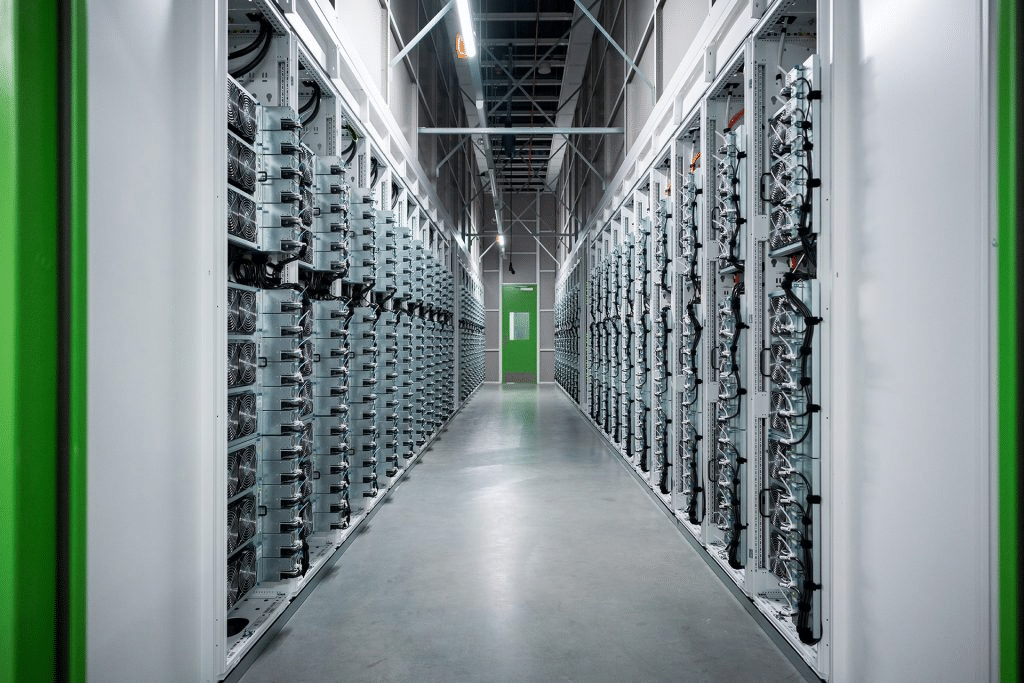
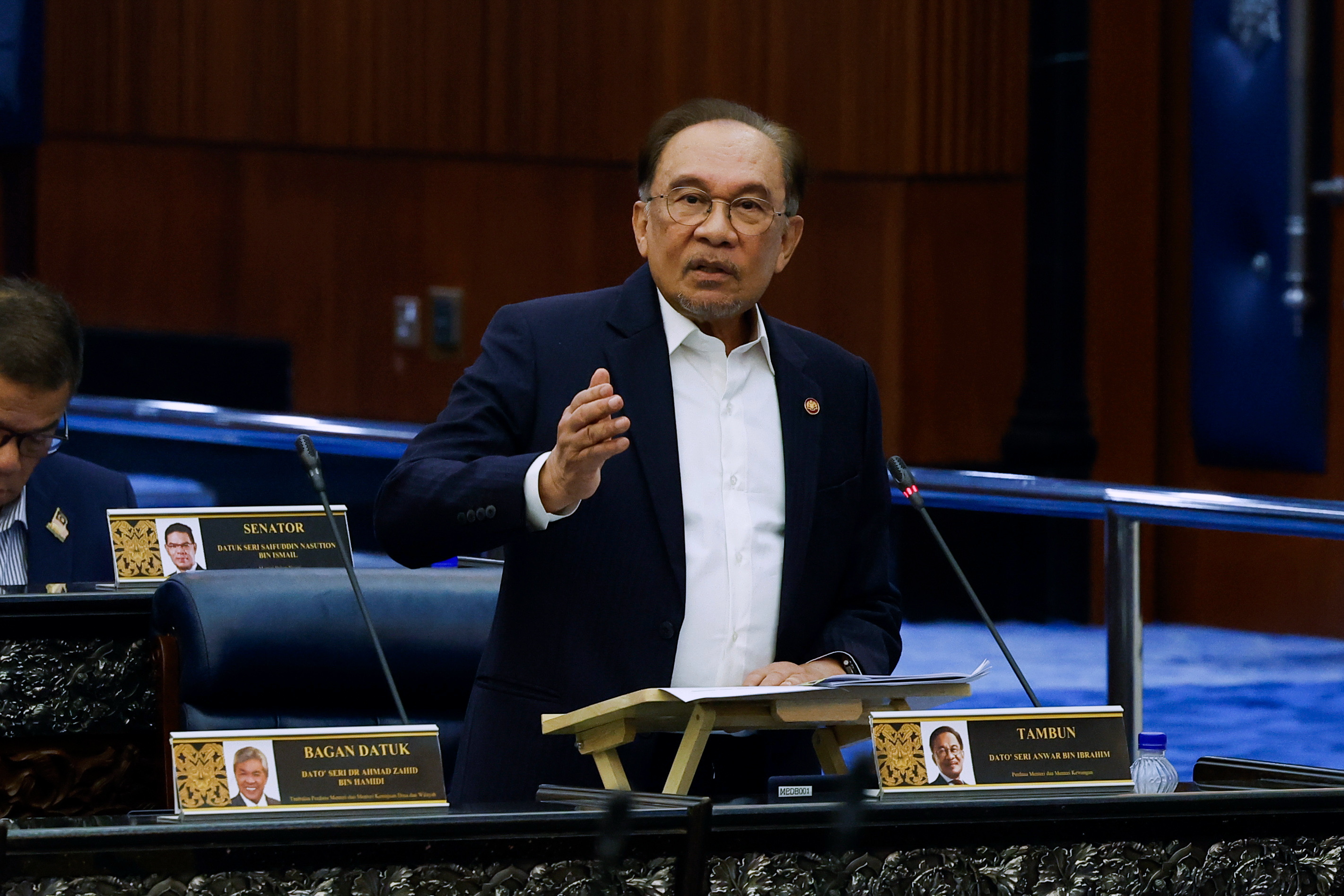
KUALA LUMPUR, Feb 24 — The government has restricted the entry of new data centres unrelated to artificial intelligence (AI) for nearly two years to reduce pressure on the national power grid and water supply, said Prime Minister Datuk Seri Anwar Ibrahim.
Acknowledging a surge in energy and water usage following the operations of data centres, he said that projections indicate Malaysia still has the capacity to ensure sufficient supply.
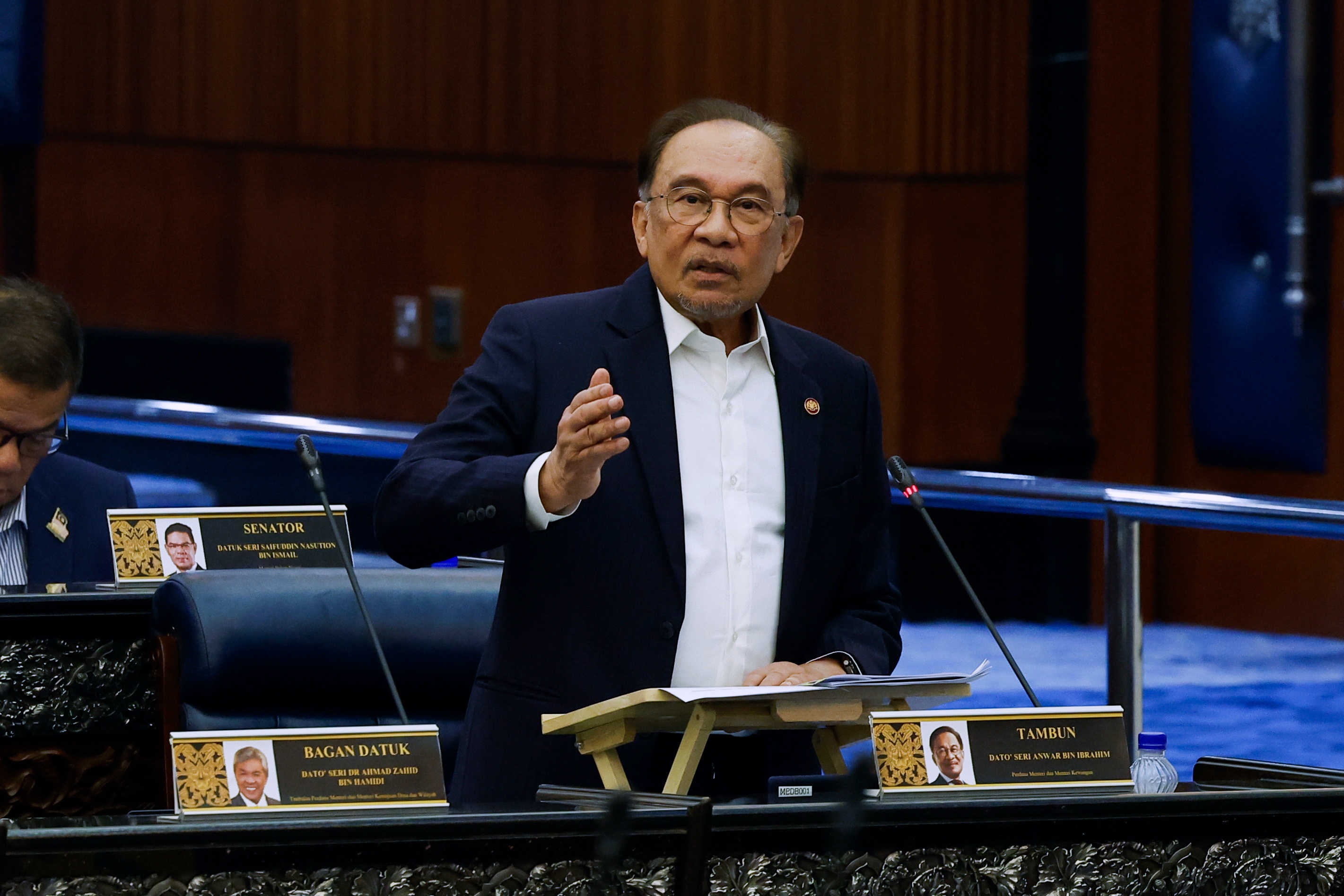
“We have restricted the entry of new data centres that have nothing to do with AI. If there are benefits in terms of high-technology and AI development, approvals are easier.
“So, all new applications that are not related have already been stopped,” he said during the Ministers’ Question Time session in the Dewan Rakyat today.
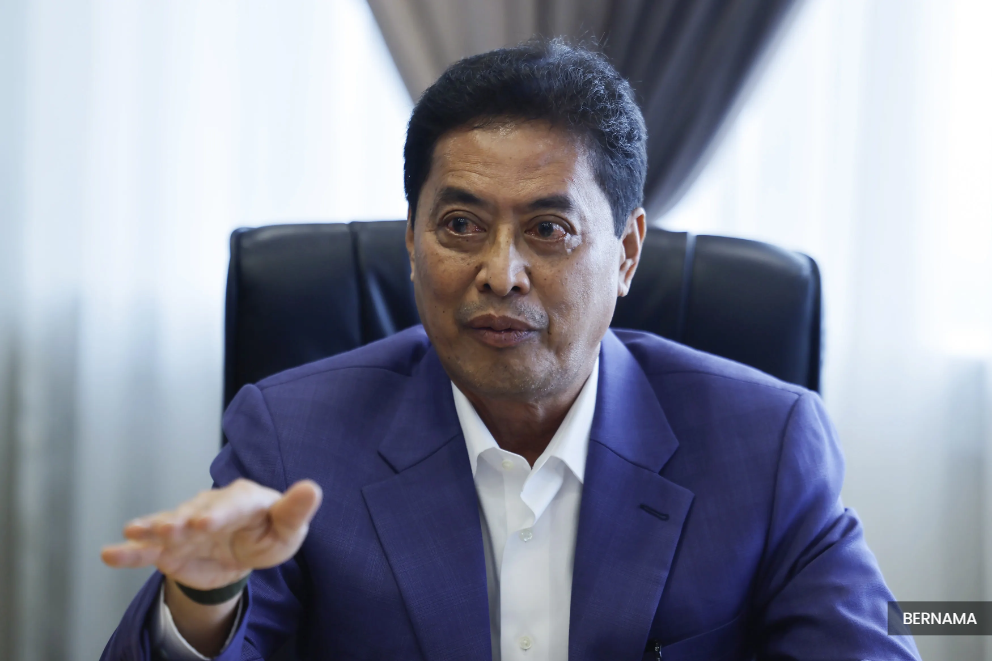
Anwar was replying to a supplementary question from Besut MP Datuk Che Mohamad Zulkifly Jusoh regarding the energy efficiency of data centres in Malaysia and measures to ensure that the large-scale data centre investments would not lead to higher electricity tariffs or disrupt supply to domestic consumers.
Anwar, who is also finance minister, said that in the long term, various measures will be implemented, including leveraging the ASEAN Power Grid and channelling supply from Sarawak to Peninsular Malaysia.
In response to a question from Ampang MP Rodziah Ismail regarding measures in the AI Governance Bill to address copyright and intellectual property issues, Anwar said the drafting of the bill will place special emphasis on ethical considerations, citizens’ rights and potential risks.
“This differs from the approach currently adopted in the West, where the focus is mainly on legal details, while ethical and moral aspects are not prioritised."
He added that the bill will take into account the AI Risk and Classification Framework, an approach based on risk classification to ensure the use of the technology does not override ethical considerations.
He said the bill is still in the early drafting stage at the Digital Ministry and will undergo stakeholder engagement, including review by a special parliamentary committee, before being finalised.
He added that the bill is important for a comprehensive governance framework covering the entire AI system lifecycle, including development, training, implementation, monitoring and risk management.