
By Sofea Susan Albert Kassim
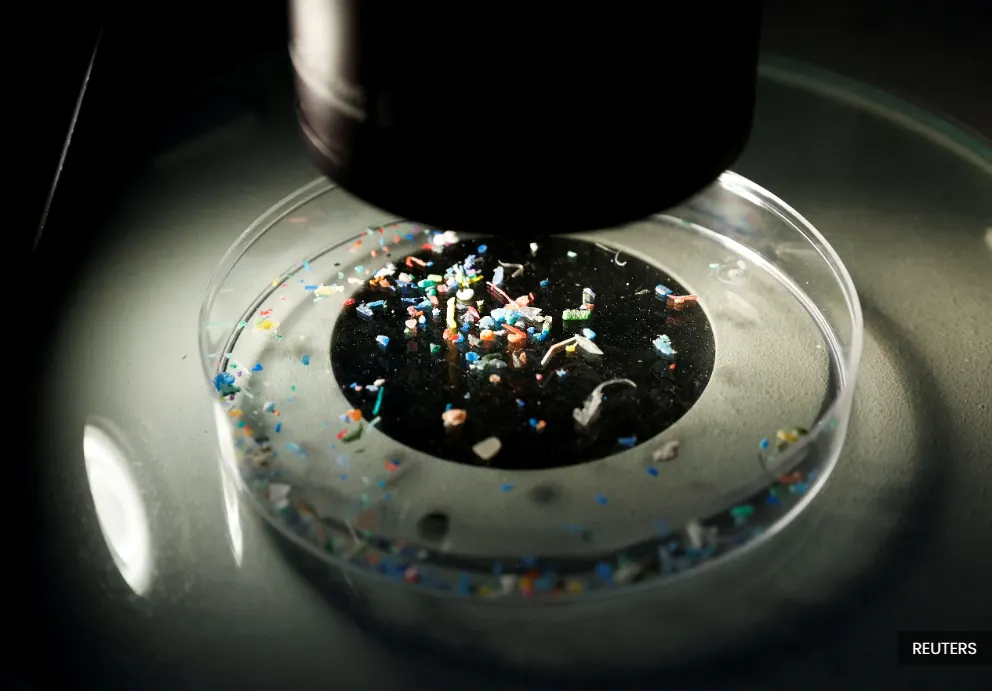
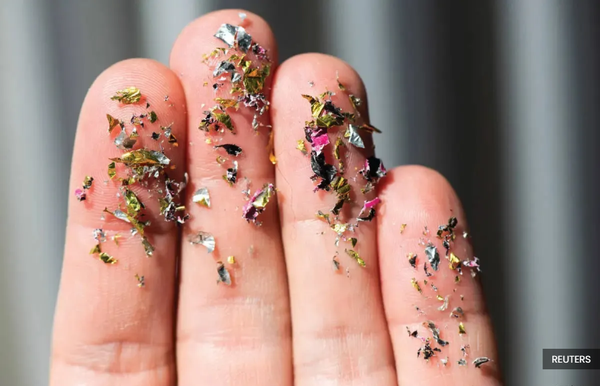
SHAH ALAM, Feb 27 — Microplastics, once primarily associated with environmental pollution, are now identified as a serious health threat after the fine particles were detected in vital human organs, including the lungs and brain.
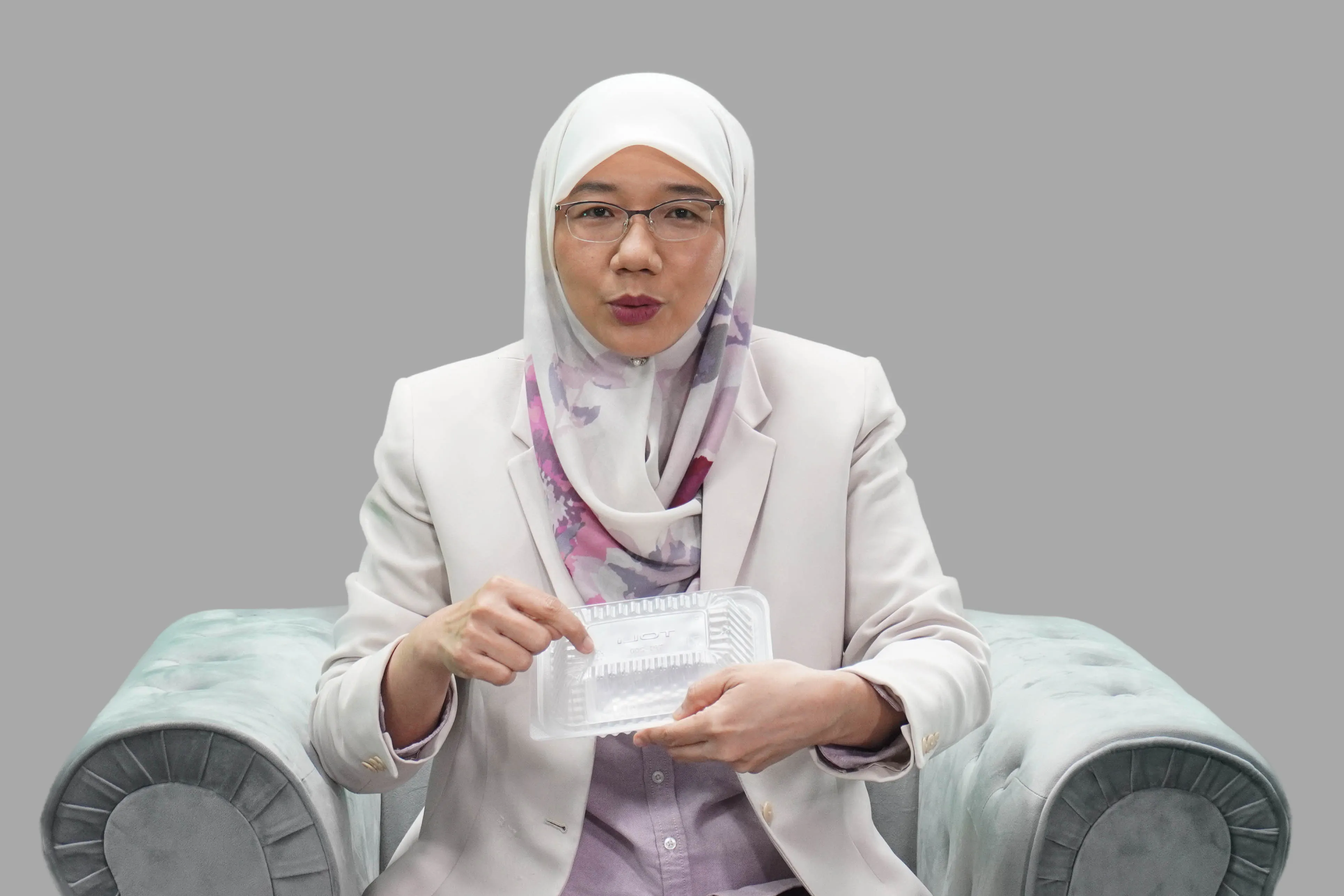
Senior lecturer at the Department of Food Management and Service, Faculty of Food Science and Technology, Universiti Putra Malaysia (UPM), Dr Siti Nurhayati Khairatun, said the extremely small size of microplastics makes them difficult to detect.
However, she said the particles are capable of entering the human body through food, drinks and inhalation.
“Microplastics are plastic fragments measuring less than five micrometres, formed from the breakdown of larger plastic materials and widely dispersed in the environment.
“Due to their tiny size, microplastics are hard to detect and can enter the human body through food, drinking water and the air we breathe,” she said during the ‘Bicara Semasa’ programme produced by Media Selangor.

Plastics in our lungs and heart
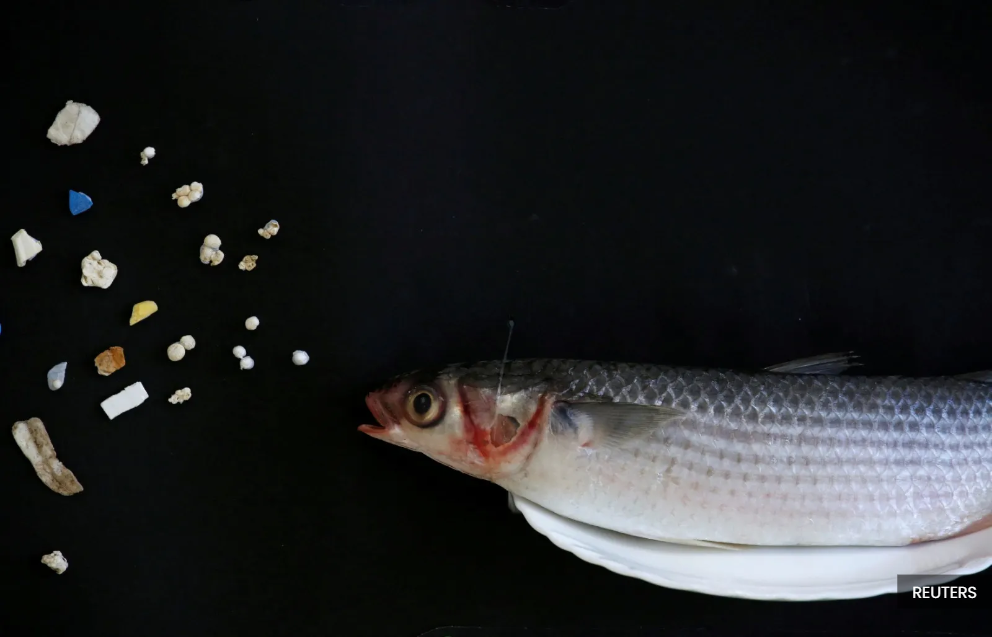
She said exposure also occurs through the food chain, particularly via seafood such as fish, prawns and shellfish that are exposed to plastic pollution in marine waters.
International studies, she added, found that long-term exposure may potentially cause cellular inflammation, disrupt the digestive system and affect nutrient absorption.
“Microplastics that enter the intestines may cause inflammation of the intestinal wall and interfere with nutrient absorption, even if a person consumes nutritious food,” she said.

She also explained that the particles can penetrate cellular barriers before travelling through the bloodstream to vital organs.
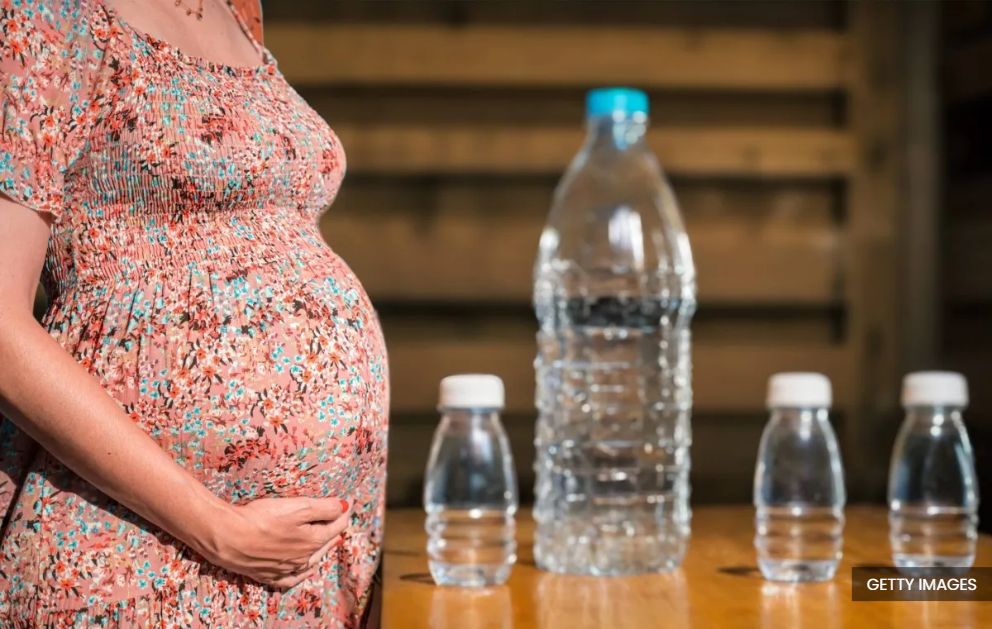
“Studies have detected microplastics in the lungs, heart and placenta, which may affect the health of pregnant women and foetal development,” she said.
Three groups most vulnerable
Elaborating further, Dr Siti Nurhayati said everyone is exposed to microplastics, but children, pregnant women and adults who practise convenience-based lifestyles and fast-food consumption are more vulnerable to their effects.
“Children’s body systems and organs are still developing, making them more sensitive to foreign substances such as microplastics.
“Pregnant women experience hormonal changes and potential exposure to the foetus, as studies have detected microplastics in the placenta,” she said.
She added that individuals who frequently consume takeaway food or use plastic containers for hot food and drinks should be more cautious.
“The use of plastic containers for hot food and beverages can increase the release of microplastic particles, as high temperatures accelerate the process,” she explained.
Do tea bags release microplastics?
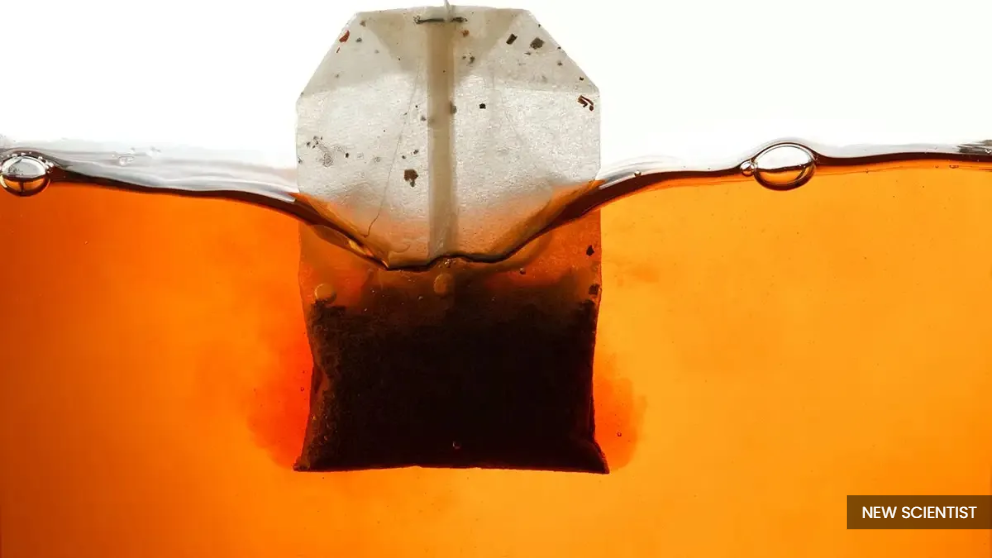
Addressing concerns about tea bags, she stressed that not all products pose a risk, as exposure depends on the materials used in their manufacture.
“Not all tea bags contain plastic. If the bag is made from non-plastic materials, the risk is low or non-existent.
“There are brands that do not use plastic as part of their packaging materials, reflecting more responsible industry practices.
“It is therefore inaccurate to claim that all tea bags release microplastics, as it depends on the type of material used,” she said.
In a related development, she stressed that the microplastics issue requires collective action involving consumers, traders, industry players and the authorities.
“Although plastic use cannot be eliminated entirely, reducing single-use plastics, choosing food-grade packaging and strengthening policy enforcement can help minimise public exposure,” she said.
She added that public awareness in Malaysia regarding the dangers of microplastics remains low and needs to be improved through education and stricter policies.