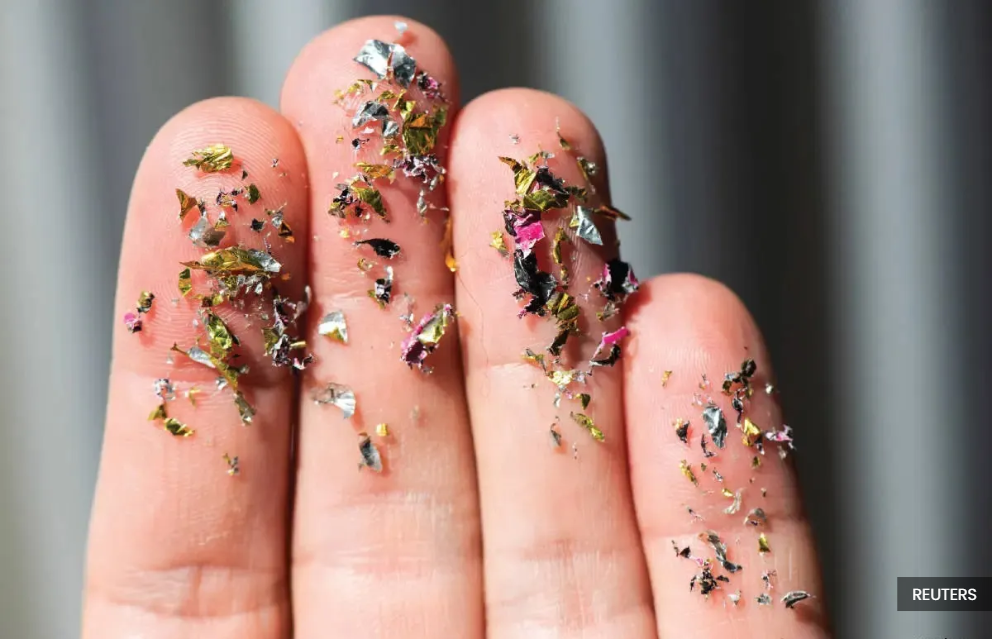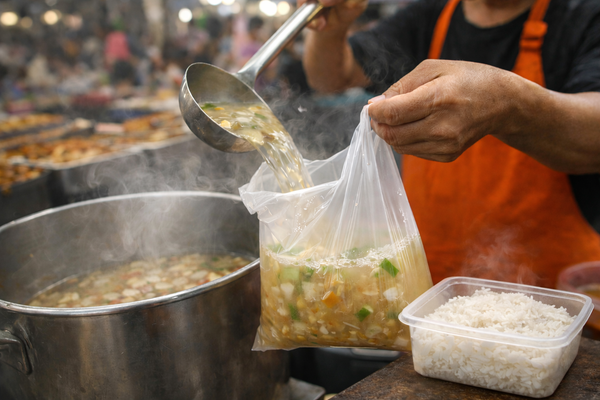
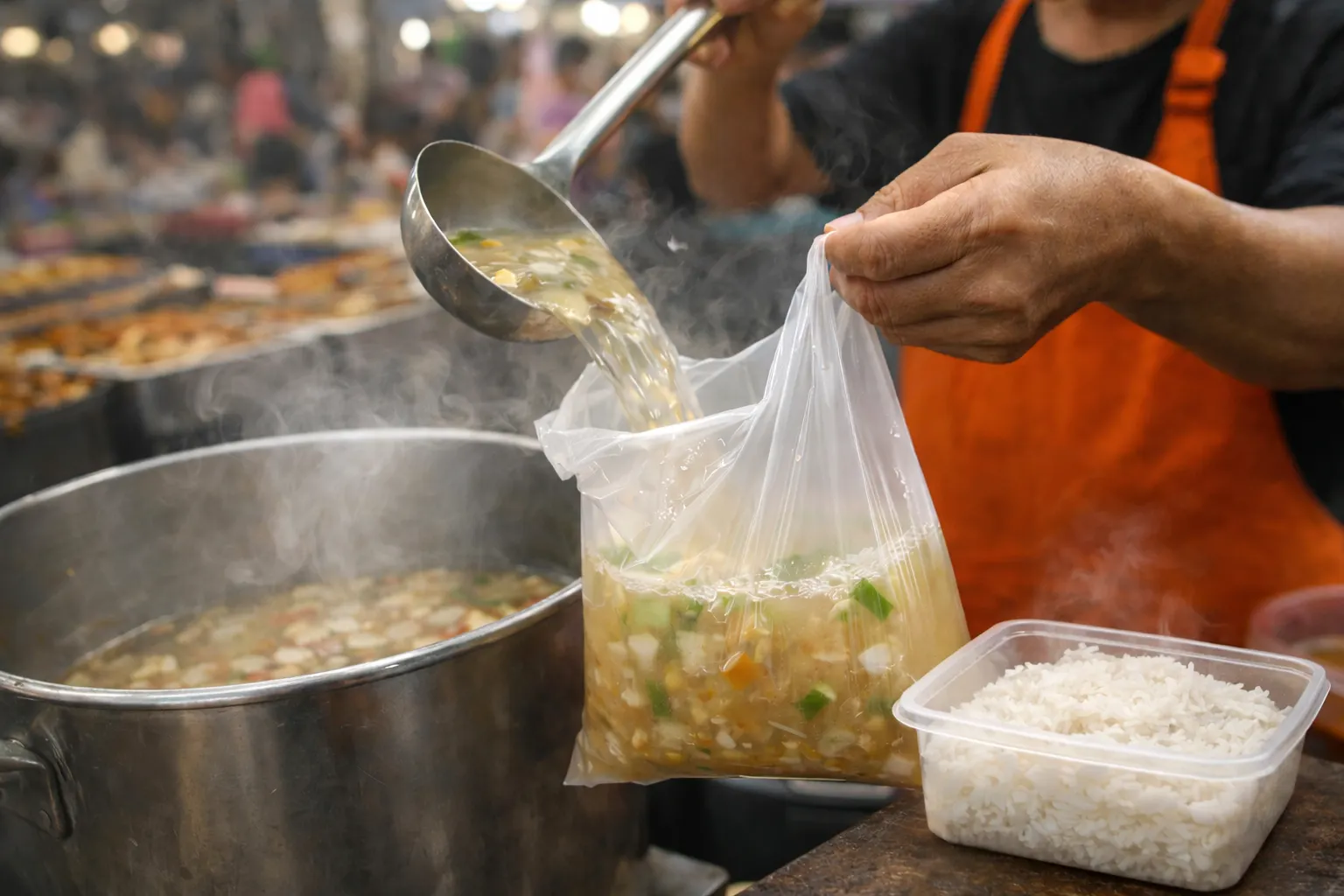
SHAH ALAM, Feb 26 — Packing hot food in plastic bags or polystyrene containers may cause plastic particles to leach into food, exposing consumers to microplastics.
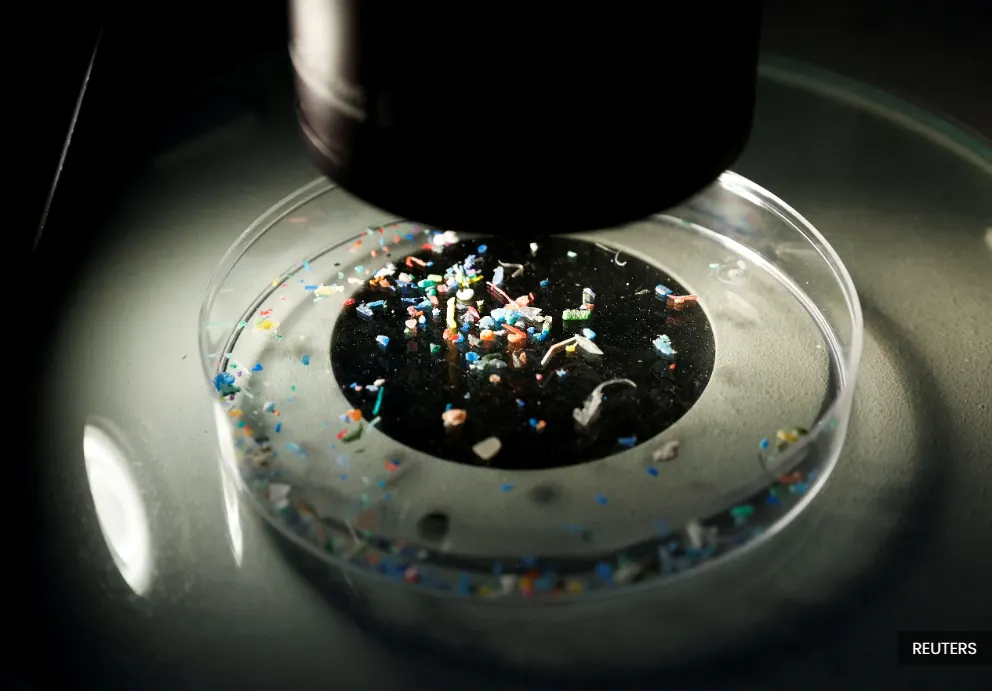
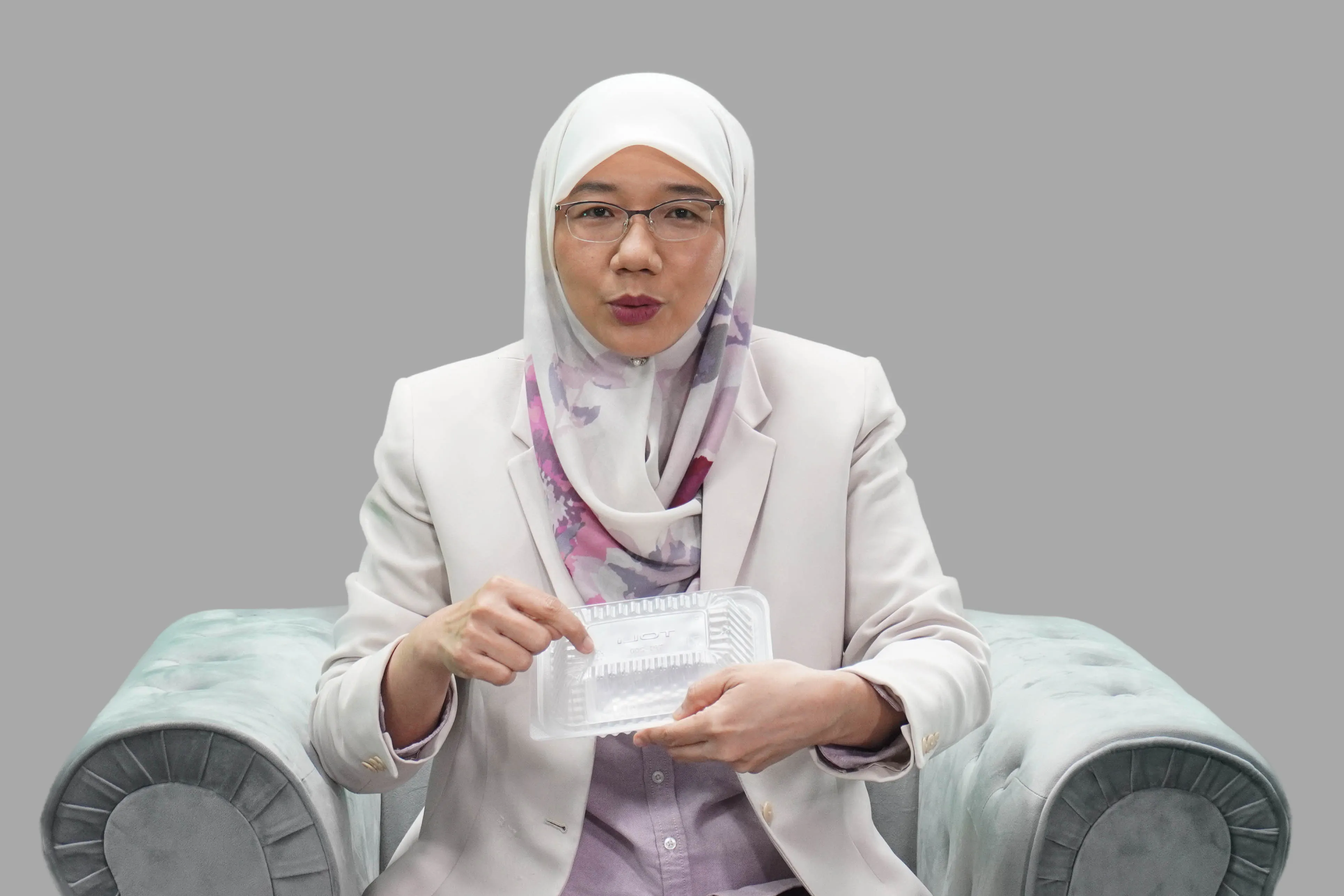
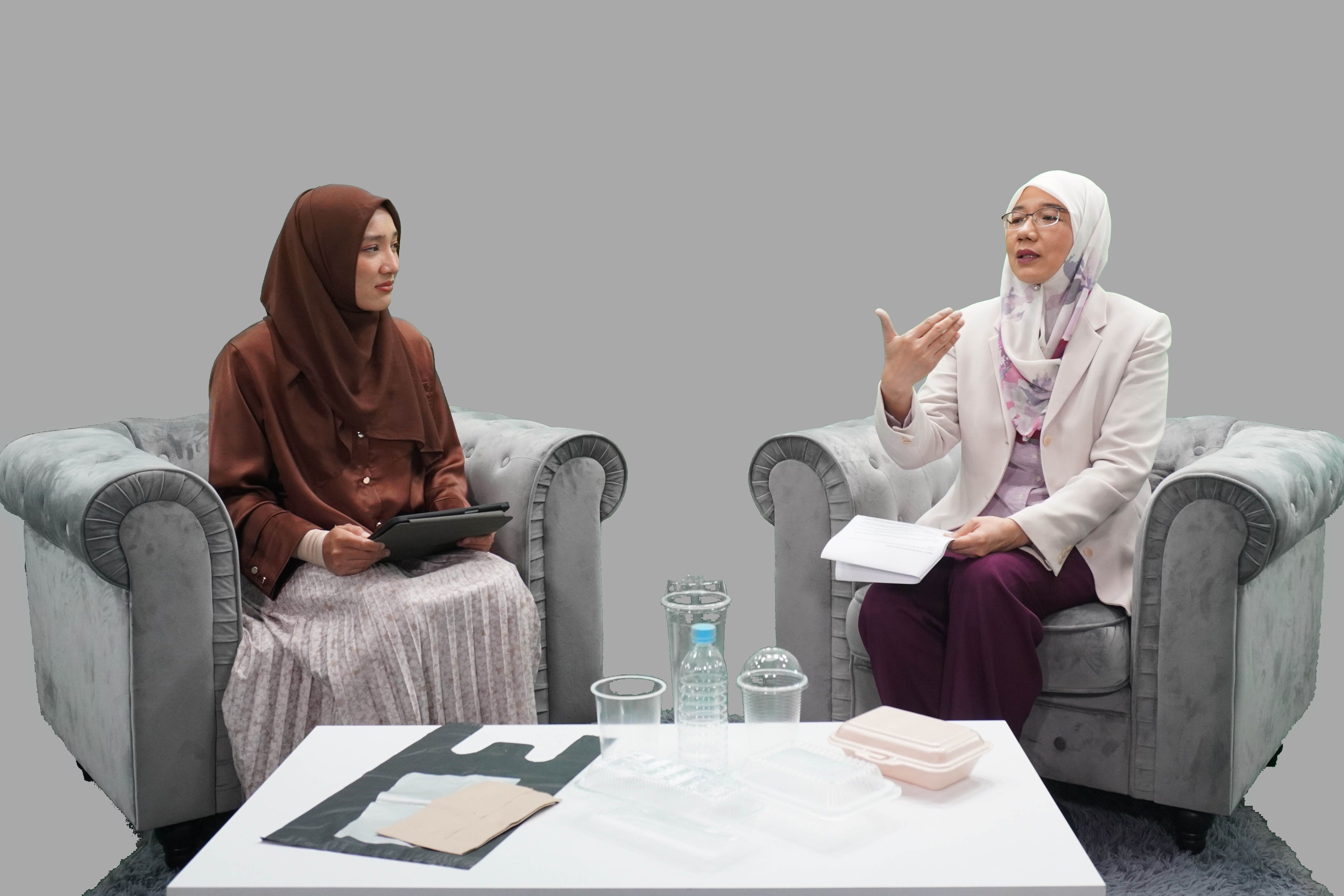
Senior lecturer at the Department of Food Management and Service, Faculty of Food Science and Technology, Universiti Putra Malaysia (UPM), Dr Siti Nurhayati Khairatun said microplastics are extremely small plastic particles measuring less than five micrometres.
She explained that these particles can be released when plastic materials are exposed to high temperatures, especially when in direct contact with hot food or beverages.
“Although microplastics are invisible to the naked eye, they can enter food and subsequently the human body without us realising it,” she said during the ‘Bicara Semasa’ programme produced by Media Selangor.
Beware of black plastics
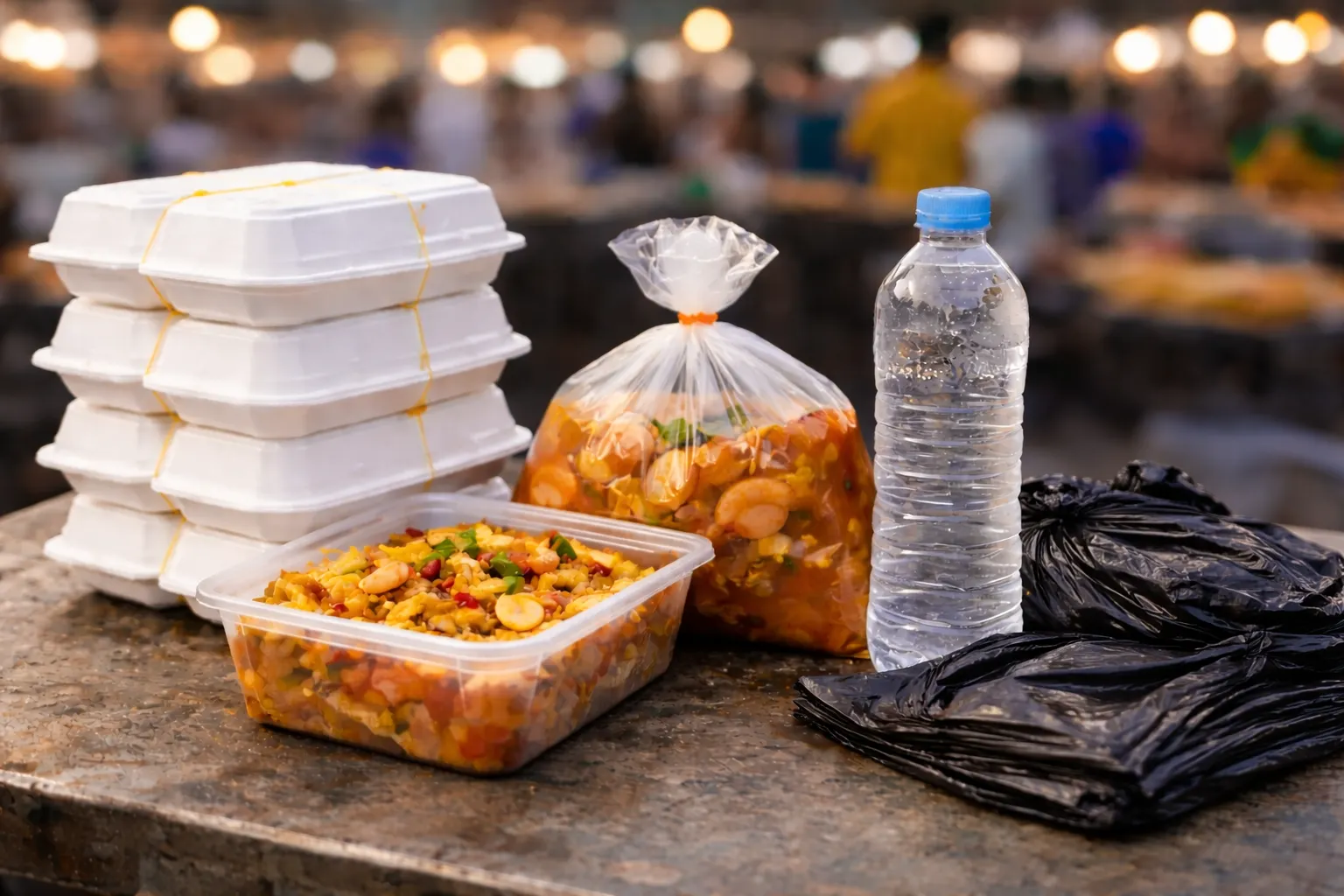
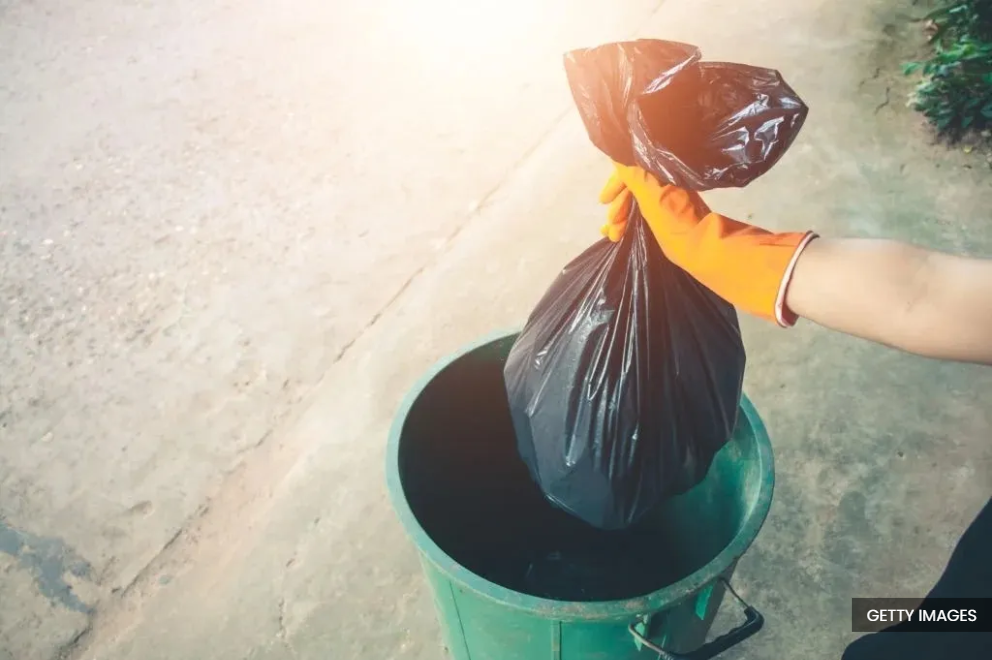
She said polystyrene and black plastic bags are among the riskiest food packaging materials because their structure breaks down easily and becomes unstable when exposed to heat.
“Black plastic bags are not food-grade as they are made from recycled materials and commonly used for garbage bags. Using it for hot food accelerates the release of microplastics.
“You can even smell the stronger odour compared to regular plastic. With Ramadan this month, this practice poses greater health risks, especially when hot food is placed in black plastics,” she said.
She also noted a growing trend among traders who steam cakes or food in plastic containers before packing and selling them directly to customers.
“When steaming temperatures exceed 100 degrees Celsius, the plastic structure becomes unstable and may directly release microplastics into the food,” she added.
Bottled water left in cars
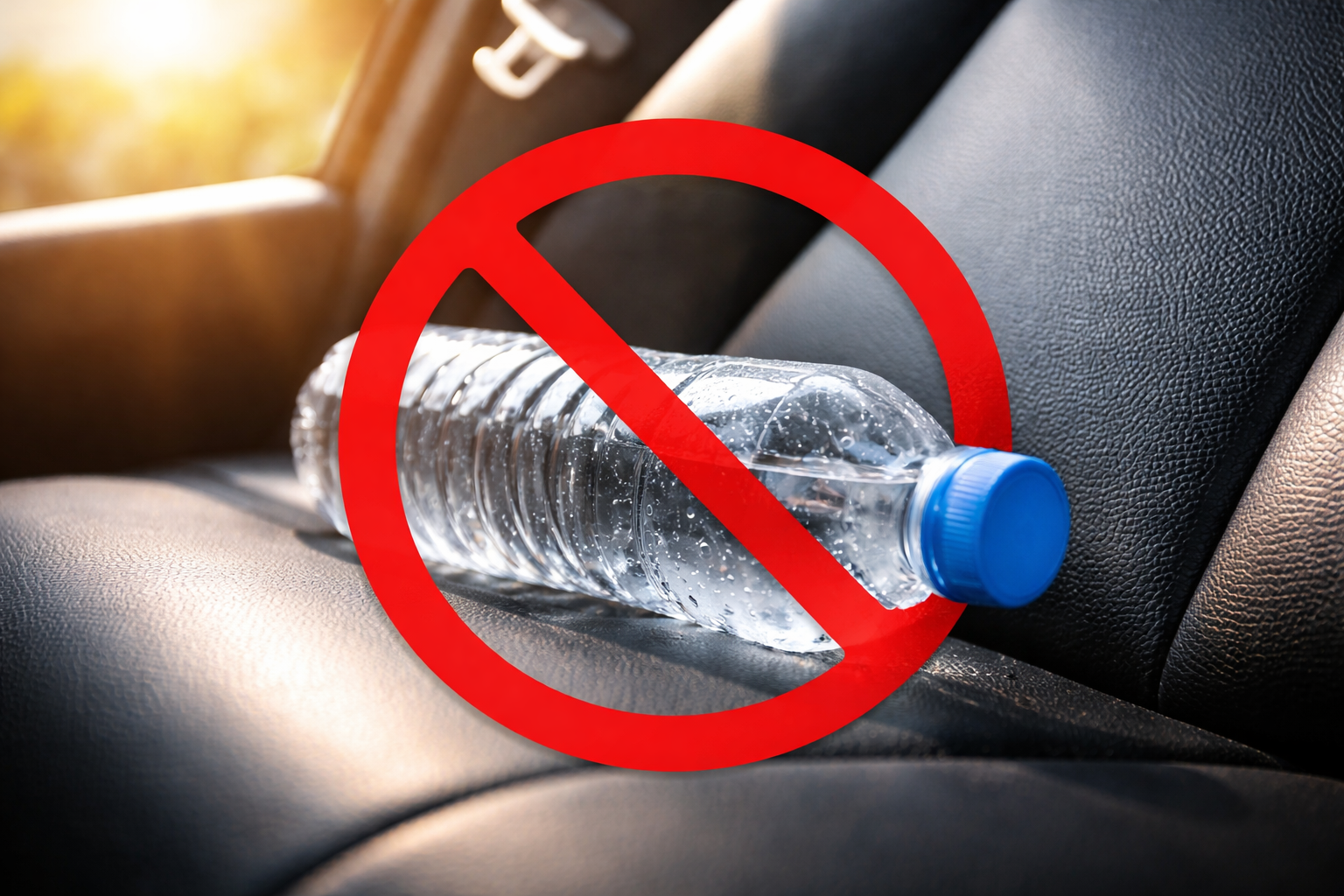
Dr Siti Nurhayati also warned the public against drinking bottled water that has been left inside a car for a long period.
“Temperatures inside cars can exceed 100 degrees Celsius. This can trigger chemical reactions between the plastic bottle and the water.
“That means the water is no longer safe to drink, even if the quantity and taste remain unchanged. It’s best to discard it,” she said.
She advised the public to bring their own containers and water bottles made of glass, ceramic or stainless steel when buying food at Ramadan bazaars.
At the same time, traders are encouraged to allow food to cool before packing.
“Small steps like these can reduce the risk of microplastic exposure and provide better health protection for consumers,” she said.