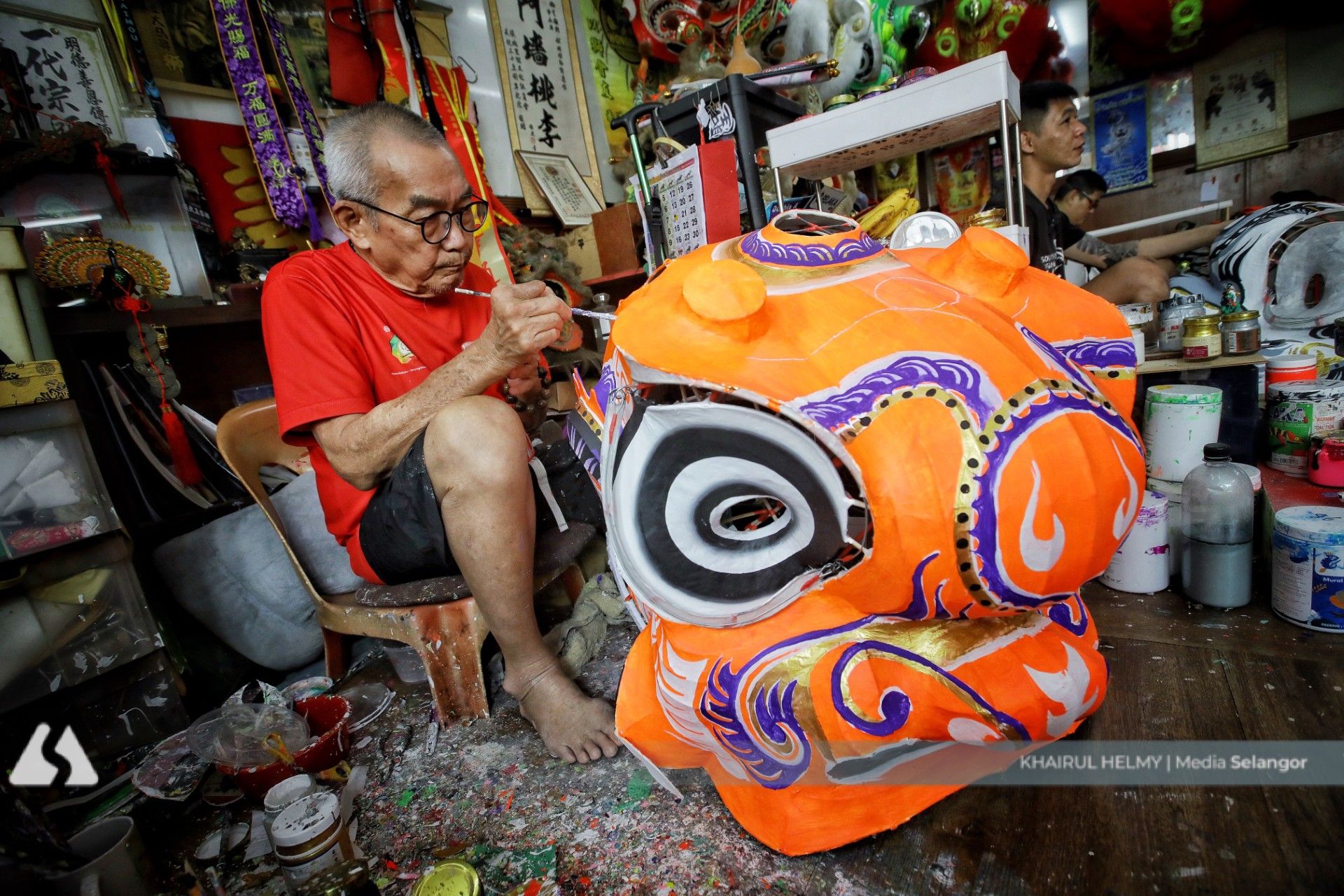
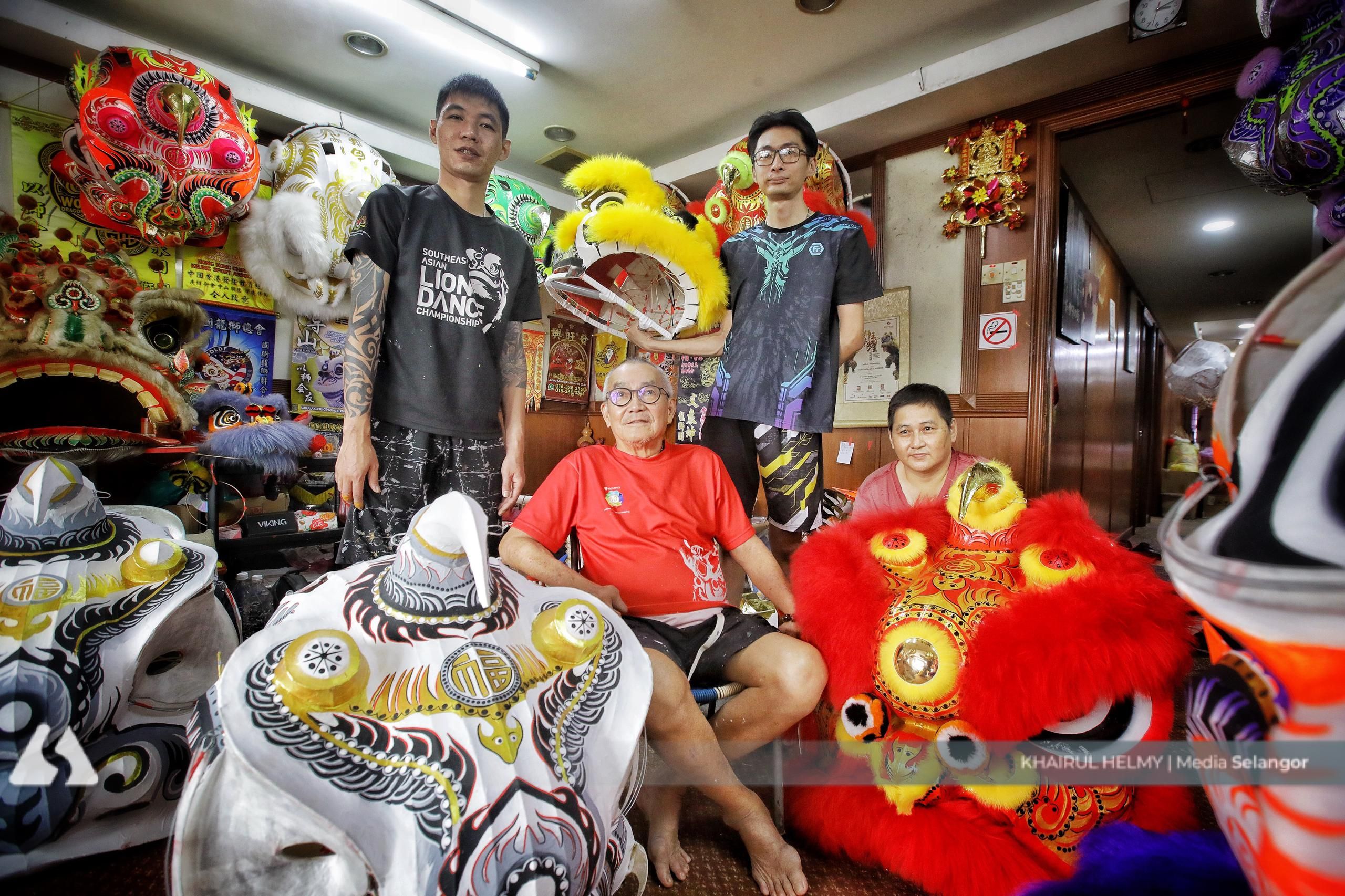
LION dance has long put Malaysia on the international stage, earning the country the nickname “World Lion King”. But behind the applause and the agile movements of dancers lies a subtle art that often goes unnoticed: the making of the lion’s head.
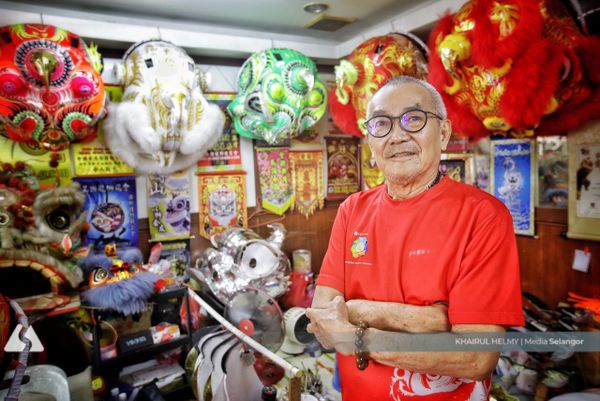
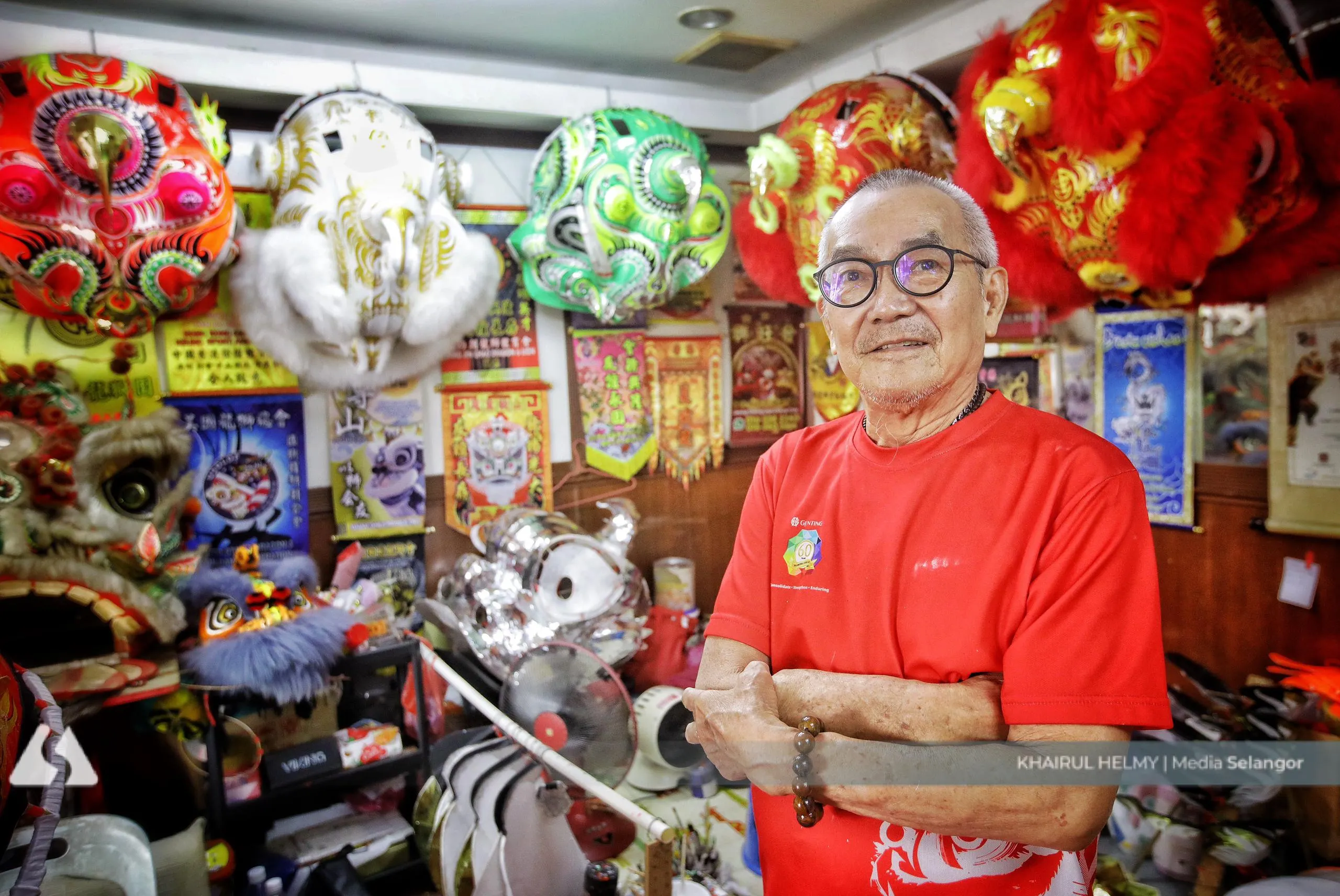
Few know that Malaysia has produced an internationally acclaimed lion head craftsman, Lim Meng Kok, who has made the art known worldwide and receives orders from across the globe.
Such is his influence that among lion dance enthusiasts, there is now a popular saying that goes: "Wherever there are Chinese, there will be a Lao Fu Zi lion head,” referring to the brand Lim has built over more than four decades.
Ironically, the journey of the 78-year-old maestro began far from the world of art — he once worked in an ice cream factory, earning around RM4 a day.
To support his family, he sought extra income and, with friends who shared a passion for lion dance, began repairing damaged lion heads.
From these humble beginnings, Lim became known as the “doctor” of lion dance in the community. Through trial, error, and self-learning, he mastered the craft of lion head making before founding Lo Fo Chi Enterprise.
“I started focusing full-time on making lion heads in 1982. With limited experience back then, I could only complete up to four lion heads a month. Everything had to be done step by step to gain experience,” he said.
Lim also pioneered innovations when he found local bamboo too hard. Using rattan and aluminum for the frame, he created more durable lion heads, a method that later became an industry benchmark.
30 lion heads a month
Today, with his trainees, his Kepong workshop in Kuala Lumpur produces 20 to 30 lion heads per month. Yet the process remains intricate and highly dependent on weather conditions.
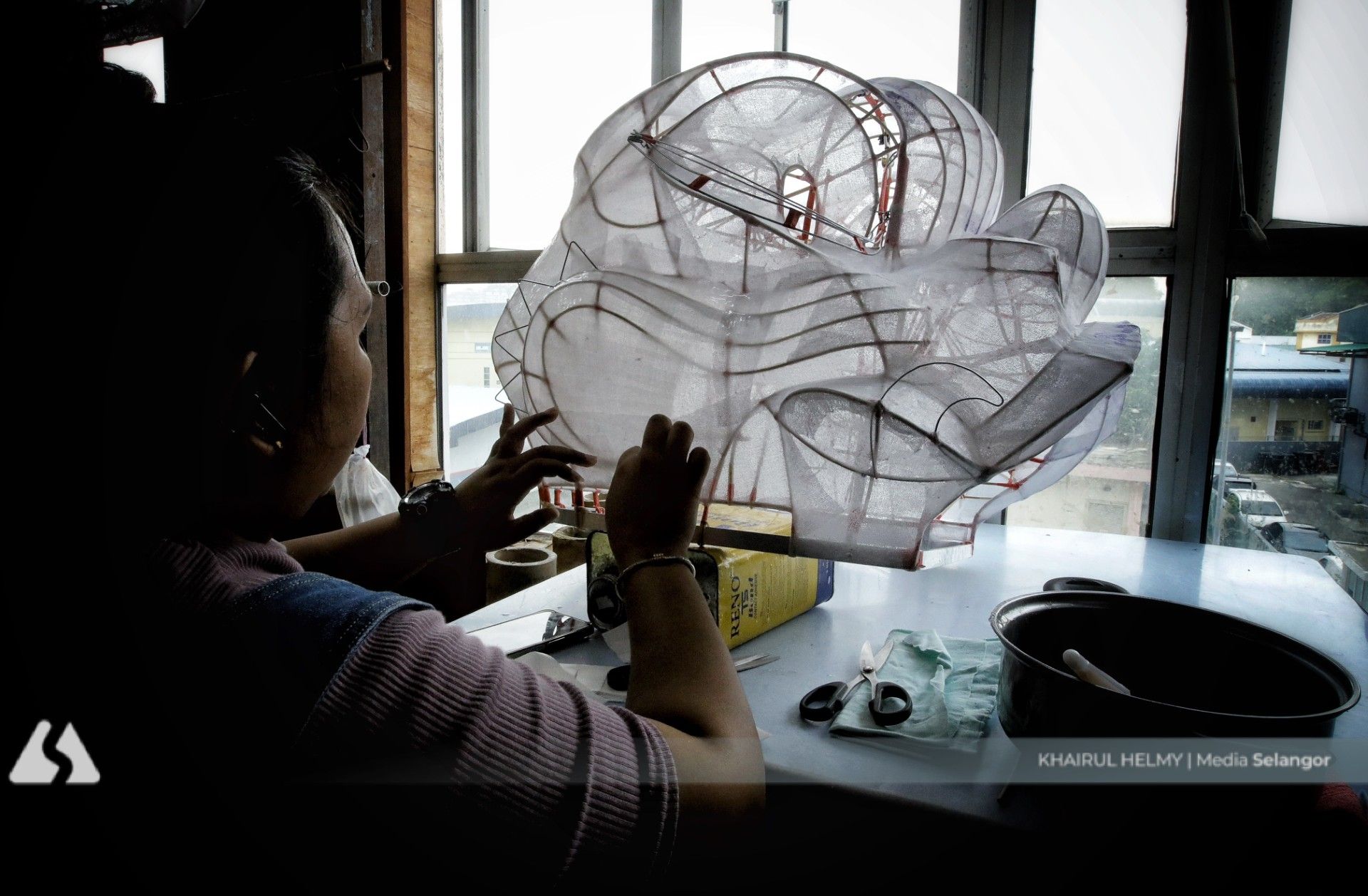
“Applying the layers of sandpaper must be done one layer at a time. Each layer must dry completely before adding the next. You cannot rush it," he said, admitting that cloudy weather is his biggest worry, as proper drying depends entirely on natural wind.
The painting of patterns is also never delegated because that is where the “soul” of each lion head is created.
“The designs I paint carry my own ‘spirit’ and ‘shadow'. They cannot be fully replicated,” he said, addressing the issue of product imitation in the market.
Despite authentic lion heads costing between RM3,500 and RM8,000, orders remain full through 2028.
“Even though others sell cheaper versions, our orders never stop,” he quipped.
Behind the success, Lim admits the greatest challenges are physical endurance and passing on the legacy.
“Even with back pain and exhaustion, I persevere. This is our culture, and it must be passed down to the younger generation."
The father of seven also noted that few young people are willing to enter a field that demands patience and offers no immediate rewards.
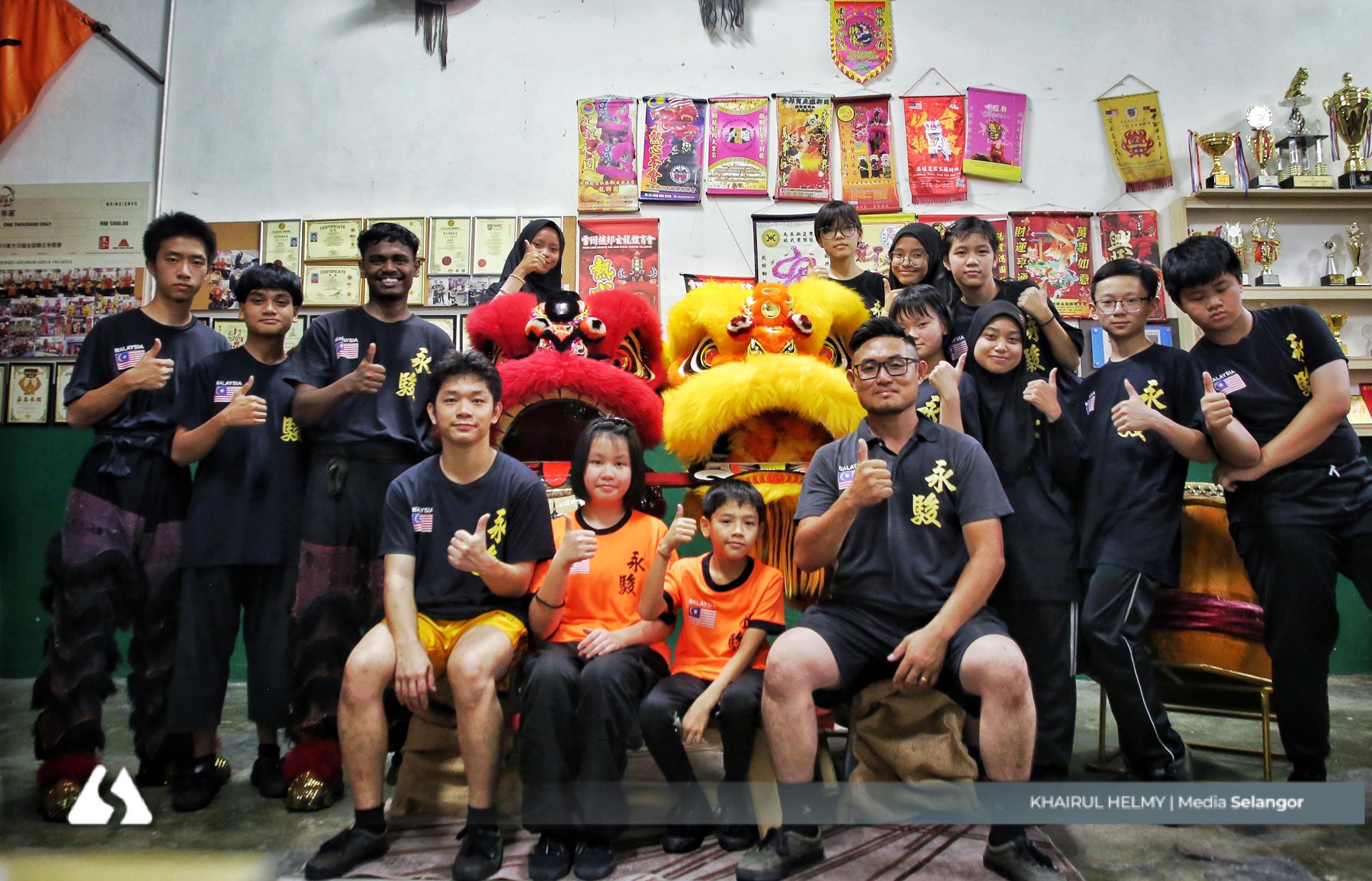
For his student, Cheng Jau Shin, 35, lion dance and lion head craftsmanship are a heritage that must be preserved.
“We must pass these skills from one generation to the next. I hope one day I can create lion heads in my own style."
Lim’s daughter, Lim Seow Ling, 45, described the Lao Fu Zi brand as the culmination of her father’s lifetime work, now maintained with family involvement.
“Where needed, I will help. For now, I am mostly involved in the layering work,” she said.