KUALA LUMPUR, Feb 5 — Prime Minister Datuk Seri Anwar Ibrahim has reaffirmed that education remains the most powerful equaliser in Malaysia’s development agenda, with the government allocating more than RM84 billion under Budget 2026 to strengthen education and training reforms.
He said the allocation reflects not only the country’s financial commitment, but also its strong resolve to promote flexibility, mobility and lifelong learning, in line with changing labour market demands.
“These reforms respond to a labour market already in transition, where skills must be renewed, careers evolve, and workers require support across different stages of life.
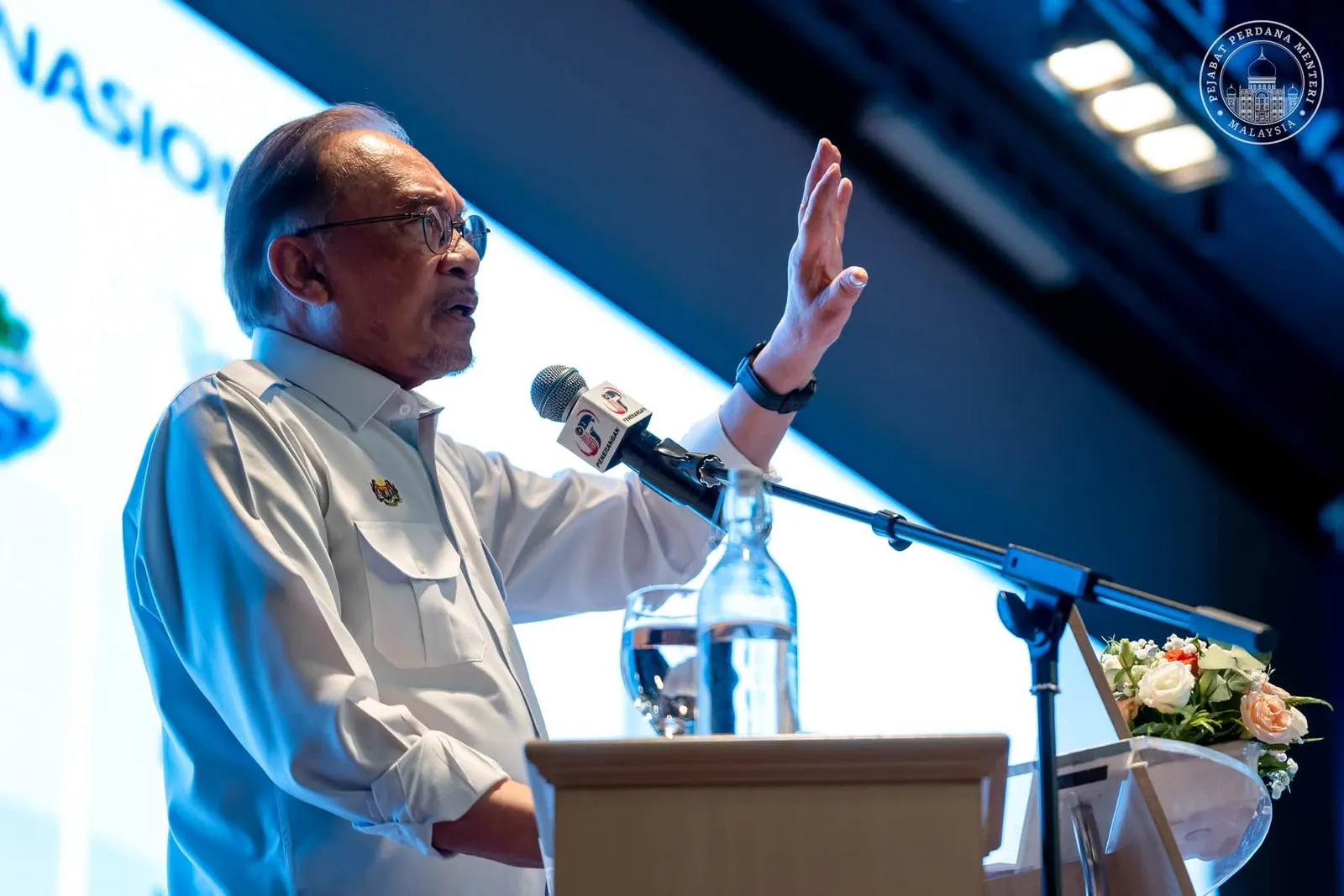
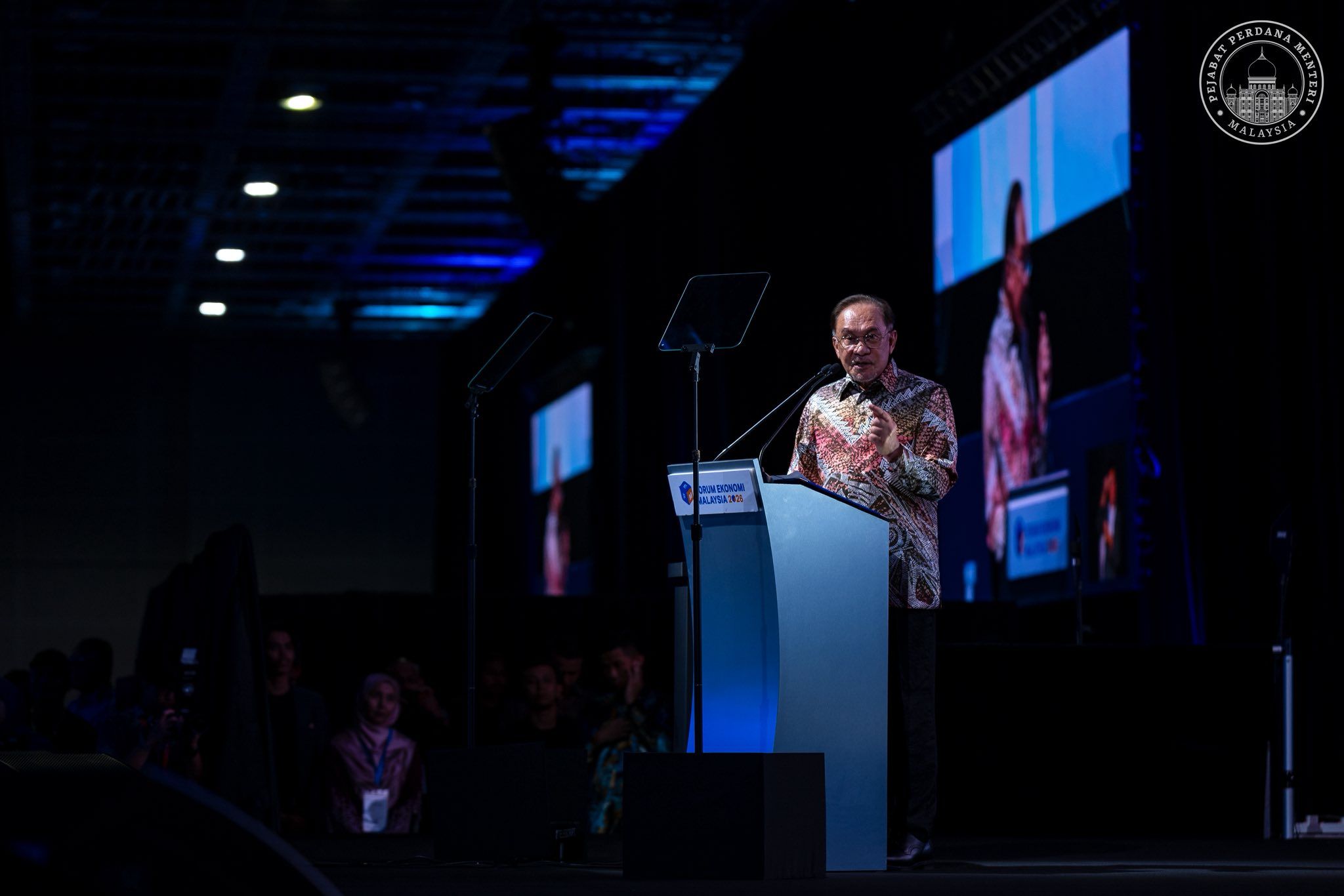
“Education today must equip Malaysians not only with knowledge, but with adaptability, resilience, and the confidence to navigate change,” he said at the Malaysia Economic Forum 2026 at the Kuala Lumpur Convention Centre today.
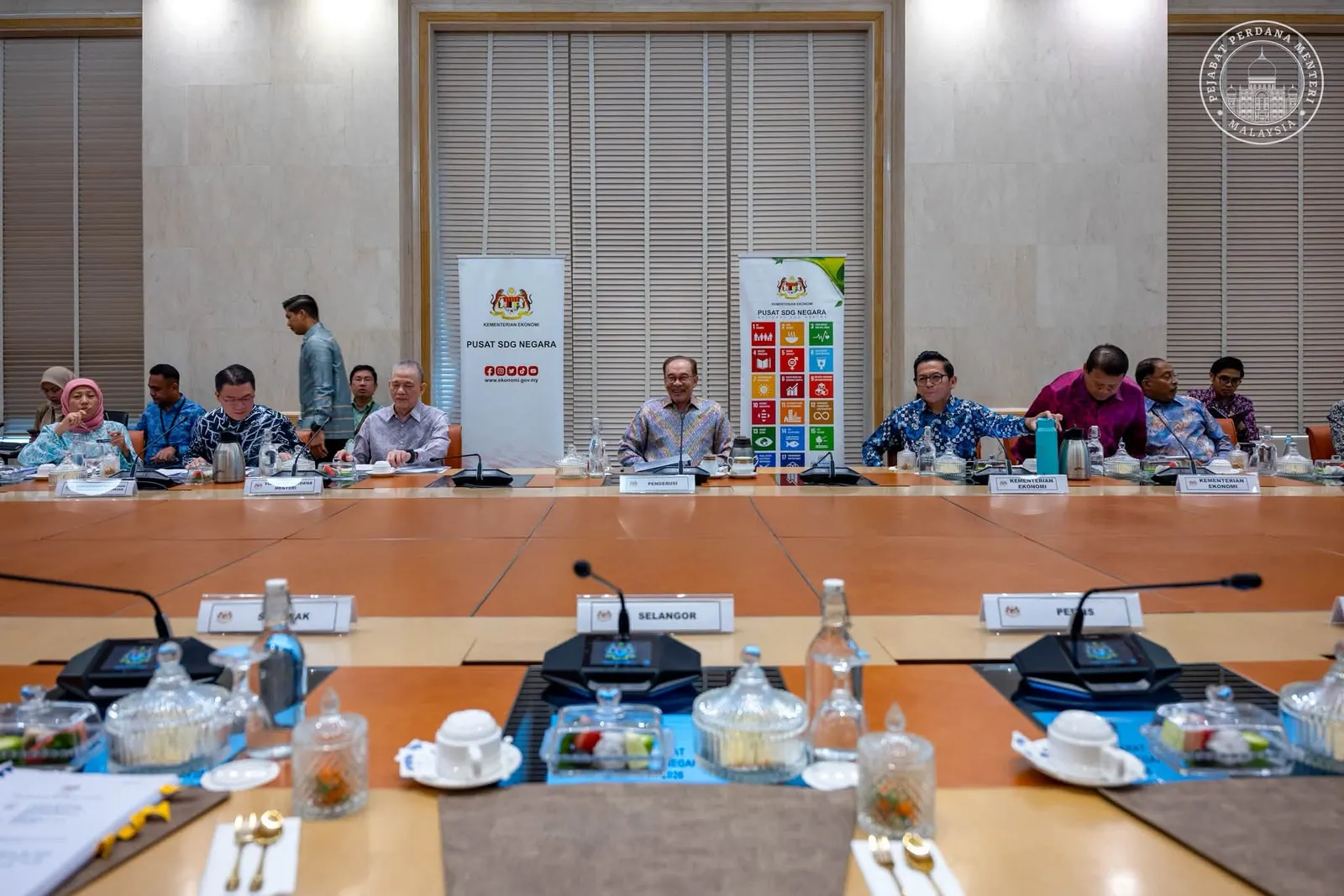
Present were Deputy Prime Minister Datuk Seri Fadillah Yusof, Economy Minister Akmal Nasrullah Mohd Nasir and Sarawak Premier Tan Sri Abang Johari Openg.
Anwar, who is also finance minister, said the reforms are designed to support workers as careers evolve and skills require continuous renewal.
He noted that artificial intelligence (AI) is rapidly reshaping industries and employment patterns, making preparedness a critical factor in determining whether technology widens opportunity or deepens inequality.
The prime minister also stressed the importance of broad-based growth, saying regional development, support for small and medium enterprises, and higher-value tourism services are essential for long-term economic resilience.
Anwar also said prosperity must be accompanied by security in basic necessities, including healthcare, housing and preparation for an ageing society, which are fundamental to social stability and dignity.
The Malaysia Economic Forum 2026 brings together policymakers, business leaders, investors and industry experts to drive the country’s socioeconomic agenda under the 13th Malaysia Plan (13MP), focusing on high-growth and high-value industries, inclusivity, sustainability, AI, future-ready talent, and energy transition.