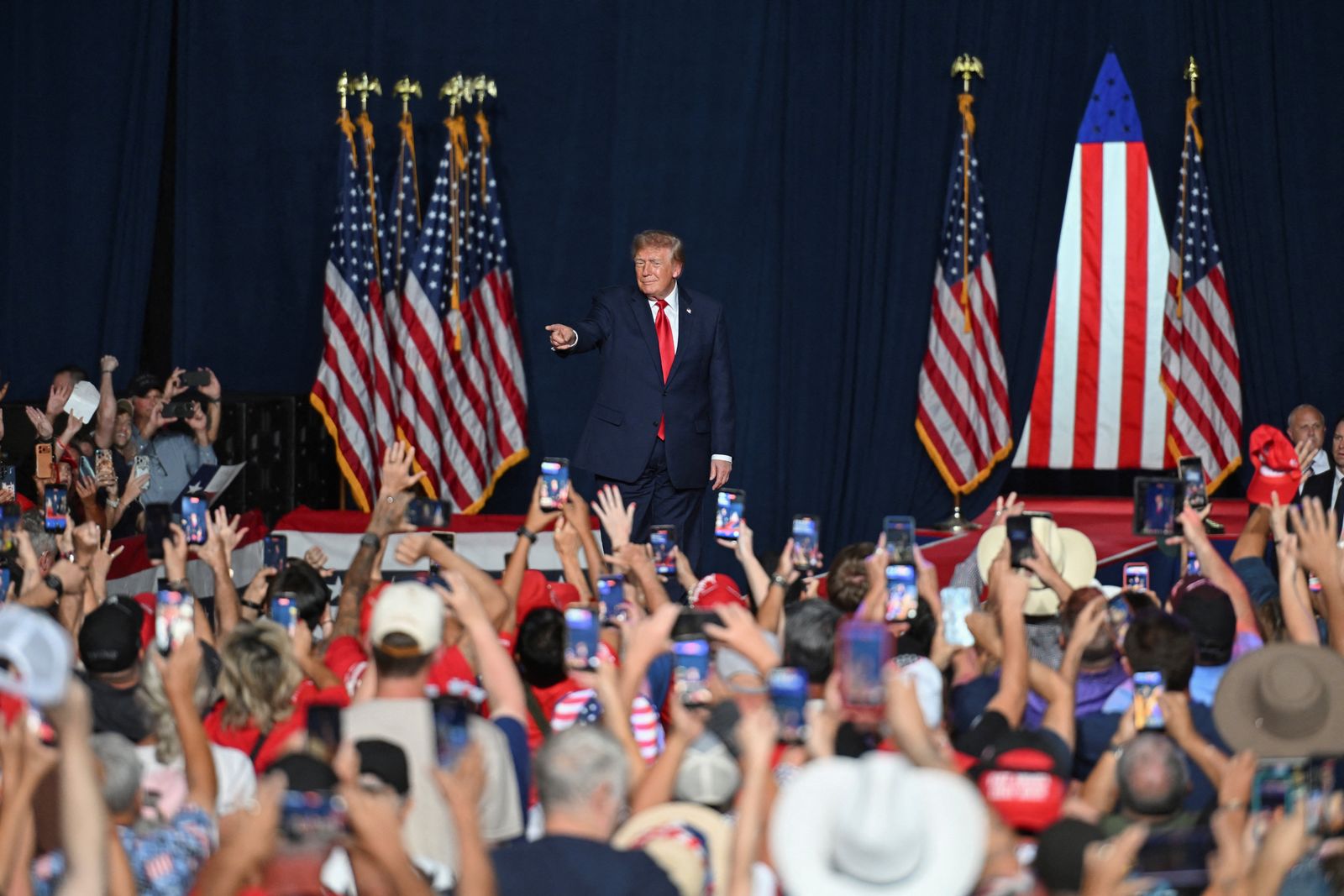
PARIS/OSLO, Jan 19 — United States (US) President Donald Trump linked his drive to take control of Greenland to his failure to win the Nobel Peace Prize, saying he no longer thought "purely of Peace" as the row over the Arctic island on Monday threatened to reignite a trade war with Europe.
He has intensified his push to wrest sovereignty over Greenland from fellow NATO member Denmark, threatening punitive tariffs on countries that stand in his way and prompting the European Union (EU) to weigh retaliatory measures.
The dispute is threatening to upend the NATO alliance that has underpinned Western security for decades, and which was already under strain over the war in Ukraine and Trump's refusal to protect allies which do not spend enough on defence.
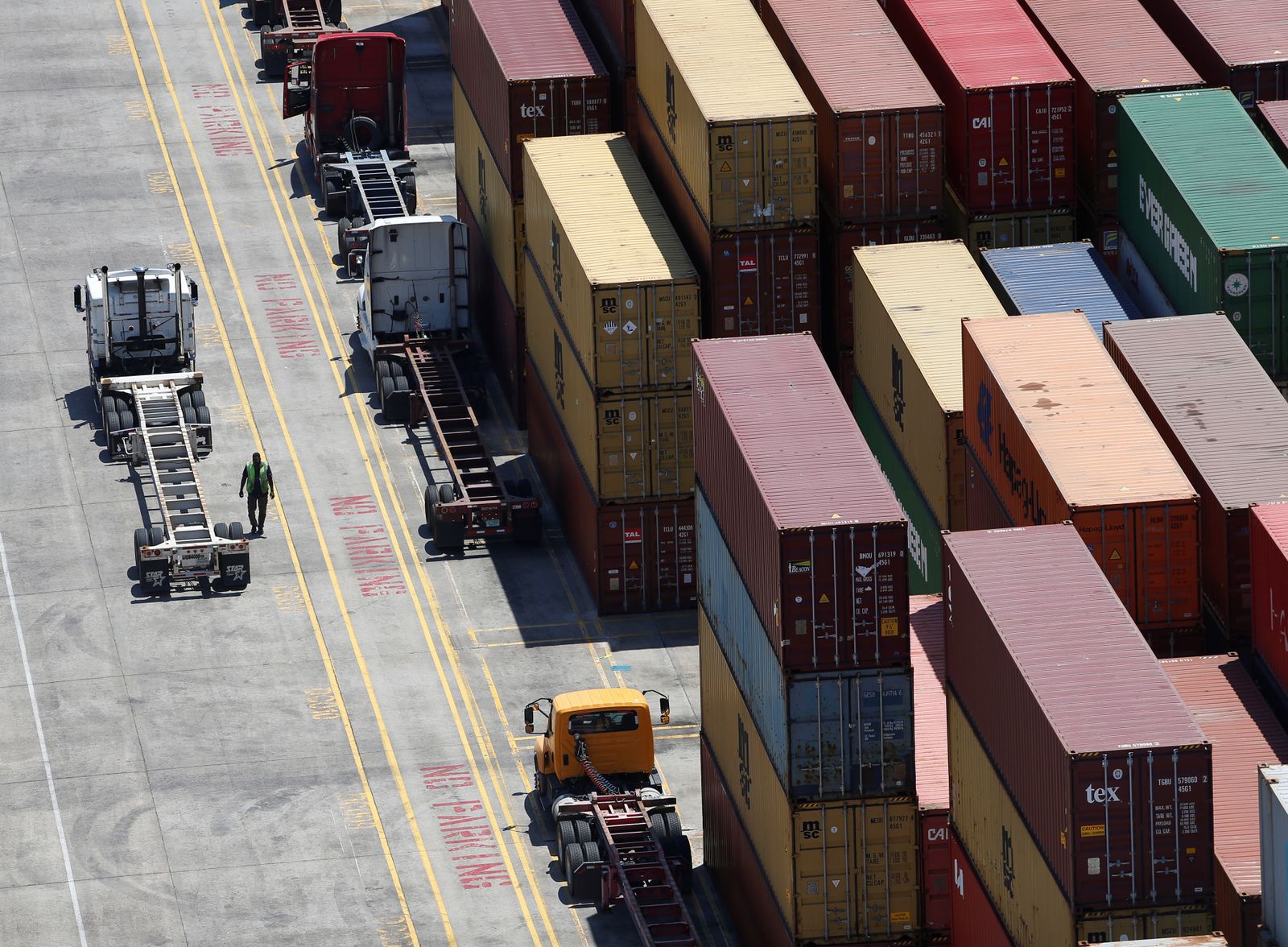
It has also plunged trade relations between the EU and the US, the bloc's biggest export market, into renewed uncertainty after the two sides painstakingly reached a trade deal last year in response to Trump's swingeing tariffs.
In a written message to Norway's Prime Minister Jonas Gahr Stoere that was seen by Reuters, Trump said: "Considering your Country decided not to give me the Nobel Peace Prize for having stopped 8 Wars PLUS, I no longer feel an obligation to think purely of Peace, although it will always be predominant, but can now think about what is good and proper for the United States of America."
Nobel committee gave 2025 Peace Prize to Machado, not Trump
The Norwegian Nobel Committee annoyed Trump by awarding the 2025 Nobel Peace Prize not to him but to Venezuelan opposition leader Maria Corina Machado. She gave her medal to Trump last week during a White House meeting, though the Nobel Committee said the prize cannot be transferred, shared, or revoked.
In his message, Trump also repeated his accusation that Denmark cannot protect Greenland from Russia or China.
"... and why do they have a 'right of ownership' anyway? The World is not secure unless we have Complete and Total Control of Greenland," he wrote.
On Saturday, the President vowed to implement a wave of tariffs on EU members Denmark, Sweden, France, Germany, the Netherlands and Finland, along with the United Kingdom (UK) and Norway, beginning on February 1, until the US is allowed to buy Greenland.
EU leaders say they will not be blackmailed
EU leaders will discuss options at an emergency summit in Brussels on Thursday. One option is a package of tariffs on €93 billion (RM438.4 billion) of US imports that could automatically kick in on February 6 after a six-month suspension.
Another option is the "Anti-Coercion Instrument" (ACI), which has never been used and could limit access to public tenders, investments, or banking activity, or restrict trade in services, in which the US has a surplus with the bloc, including in digital services.
The tariff package appeared to command broader support as a first response than anti-coercion measures, where the picture is currently "very mixed", according to an EU source.
German Finance Minister Lars Klingbeil and French Finance Minister Roland Lescure pledged a united, clear European response to any additional US tariffs.
"Germany and France agree: we will not allow ourselves to be blackmailed," Klingbeil said at the German Finance Ministry, where he was hosting his French counterpart.
"Blackmail between allies of 250 years, blackmail between friends, is obviously unacceptable," Lescure added.
UK Prime Minister Keir Starmer called for calm discussion between the allies on Greenland, adding that he did not believe Trump was considering military action to seize the island.
"A tariff war is in nobody's interests," he said, suggesting that the UK would not retaliate against any new US tariffs.
Russia declined to comment on whether the US designs on Greenland were good or bad, but said it was hard to disagree with experts that Trump would "go down in... world history" if he did take control of the island.
Economic shockwaves
Trump's threat has rattled European industry and sent shockwaves through financial markets amid fears of a return to the volatility of last year's trade war, which only eased when the sides reached tariff deals in the middle of the year.
"This latest flashpoint has heightened concerns over a potential unravelling of NATO alliances and the disruption of last year's trade agreements with several European nations," said Sydney-based IG market analyst Tony Sycamore.
TKMS' chief executive officer Oliver Burkhard, whose organisation is the world's top non-nuclear submarine maker, said shifting transatlantic ties should encourage Europe to focus on its own strengths and find ways to become more independent.
"I believe that there are, of course, nicer ways than nudges like that, but it is probably necessary, to put it in my own words, to get a kick in the shin to realise that we may have to suit up differently in the future," he told Reuters.