SHAH ALAM, Jan 14 — The rehabilitation and whitelisting of tahfiz and private Islamic religious schools in Selangor will be done in stages to ensure legal compliance without compromising the education institutions’ continuity, said Selangor Islamic Religious Council (Mais) chairman Dato’ Salehuddin Saidin.
He said the approach covers all categories of religious schools, including tahfiz schools, private schools, and institutions under the oversight of state religious authorities.
He explained that the main aspects in the whitelisting process are registration, safety, health, and zoning, to ensure the institution operates legally and in an orderly manner.
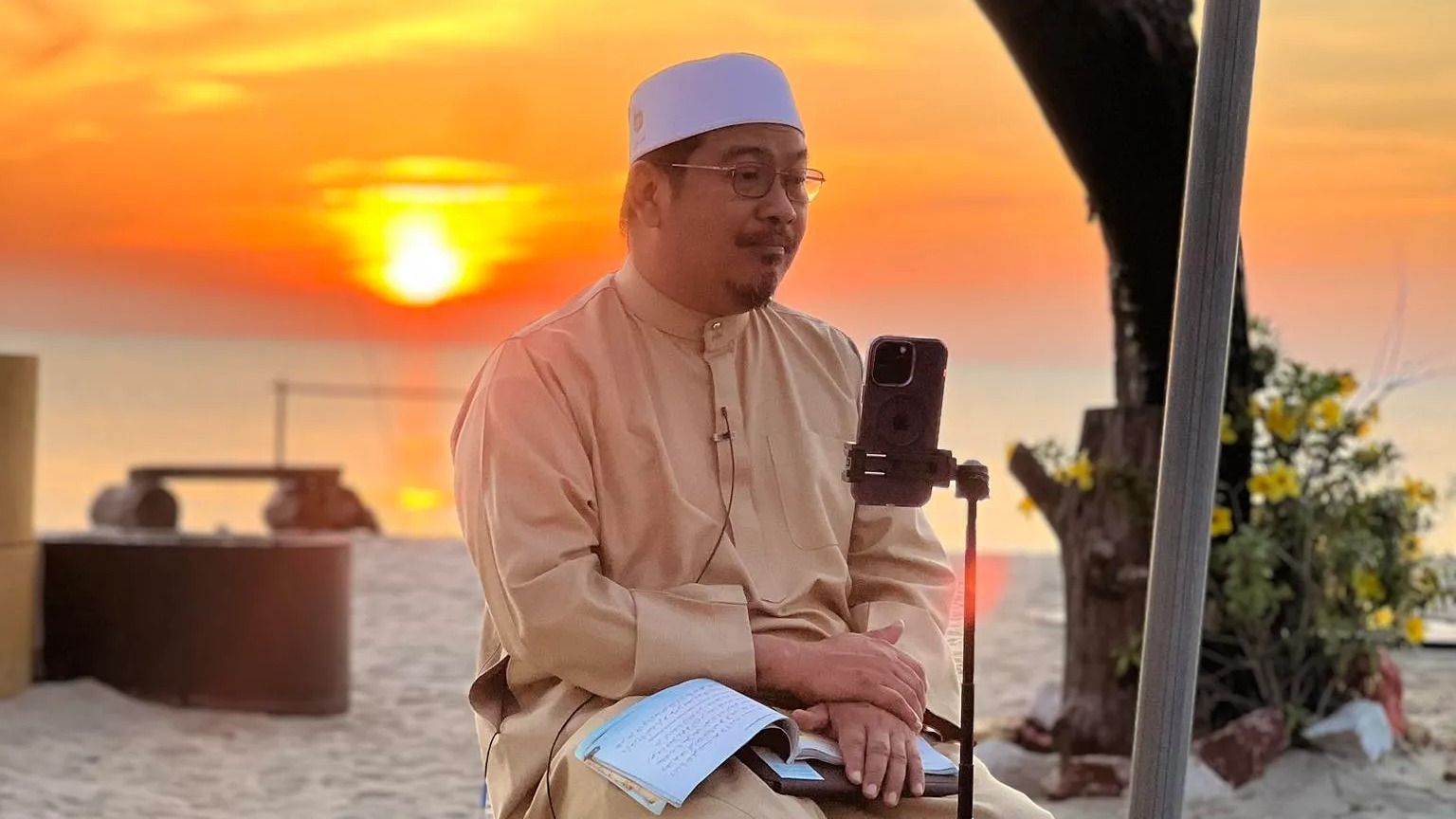
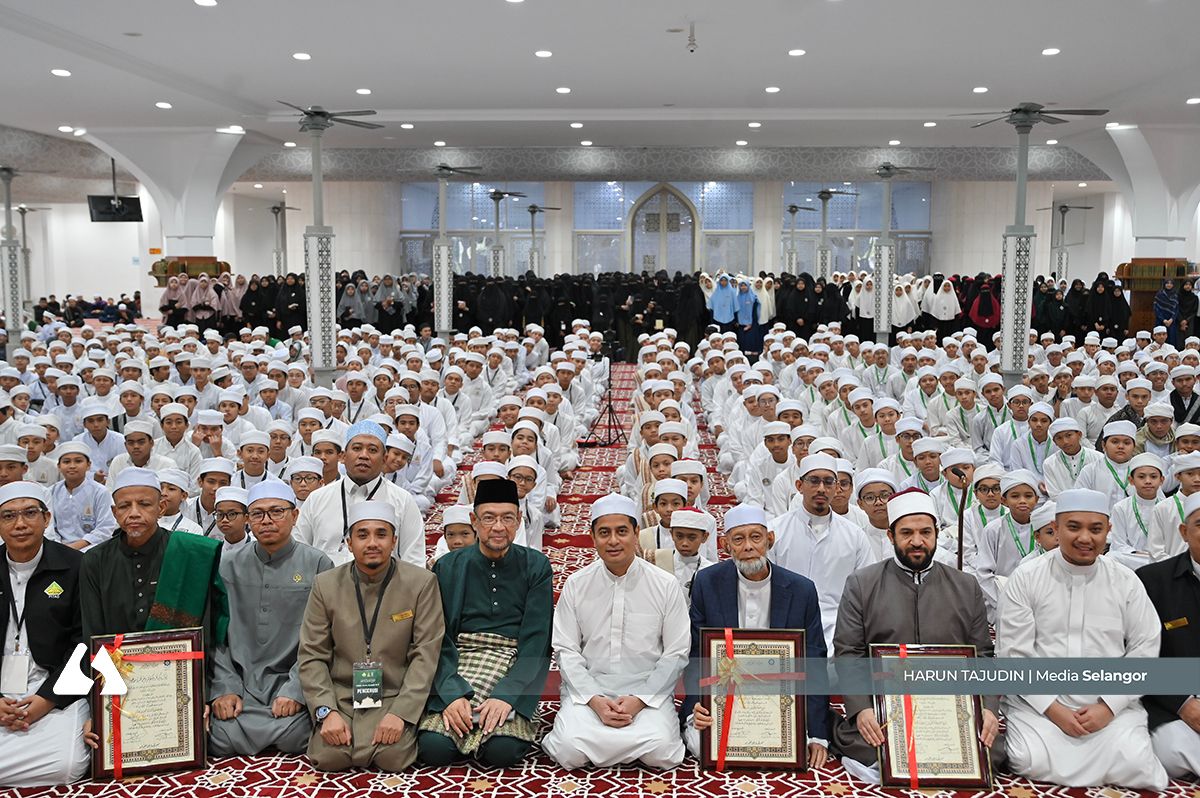
“When we talk about school whitelisting, it often involves private religious schools because there are issues related to registration, safety, health, and zoning that must be complied with,” he said in his message during a ceremony at Masjid Sultan Salahuddin Abdul Aziz Shah here today.
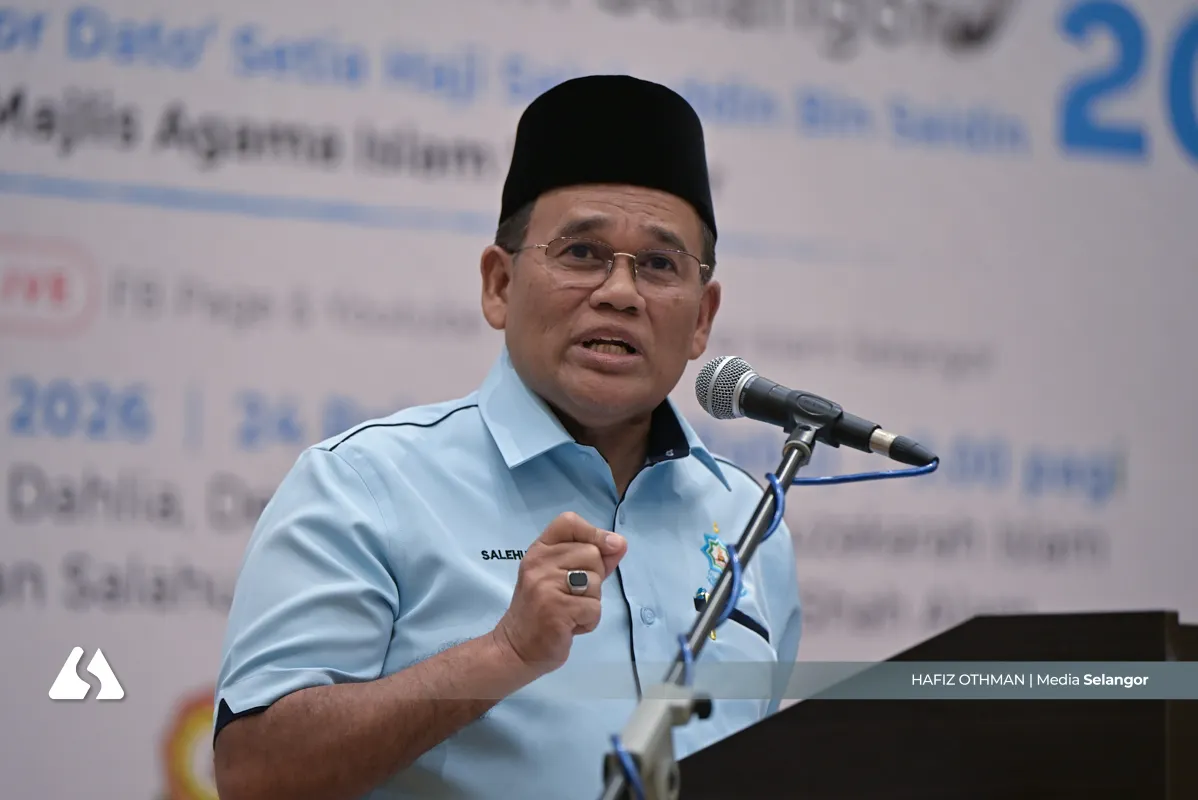
Salehuddin added that although some schools are registered, some don’t fulfil the criteria. Thus, Mais has employed a phasic approach to allow the schools to apply improvements without having to cease operations.
“We don’t want to close all private schools, be they tahfiz or religious schools, when they don’t fulfil the requirements,” he said.
According to Salehuddin, Mais gives school management opportunities to adhere to the rules set by Mais and the Selangor Islamic Religious Department (Jais) before strict action is taken.
He said that in some cases, conditional approval is granted so schools can work to fulfil registration criteria, in line with a decree by Sultan of Selangor Sultan Sharafuddin Idris Shah Alhaj.
Salehuddin also said that in addition to legal compliance, whitelisting is important to eradicate the misuse of religious institutions to collect illicit donations and prevent the spread of deviant teachings.
As of December 24, the whitelisting effort, involving 606 tahfiz schools, was nearly done, with a progress of 96 per cent. The next priority will be private primary religious schools statewide.
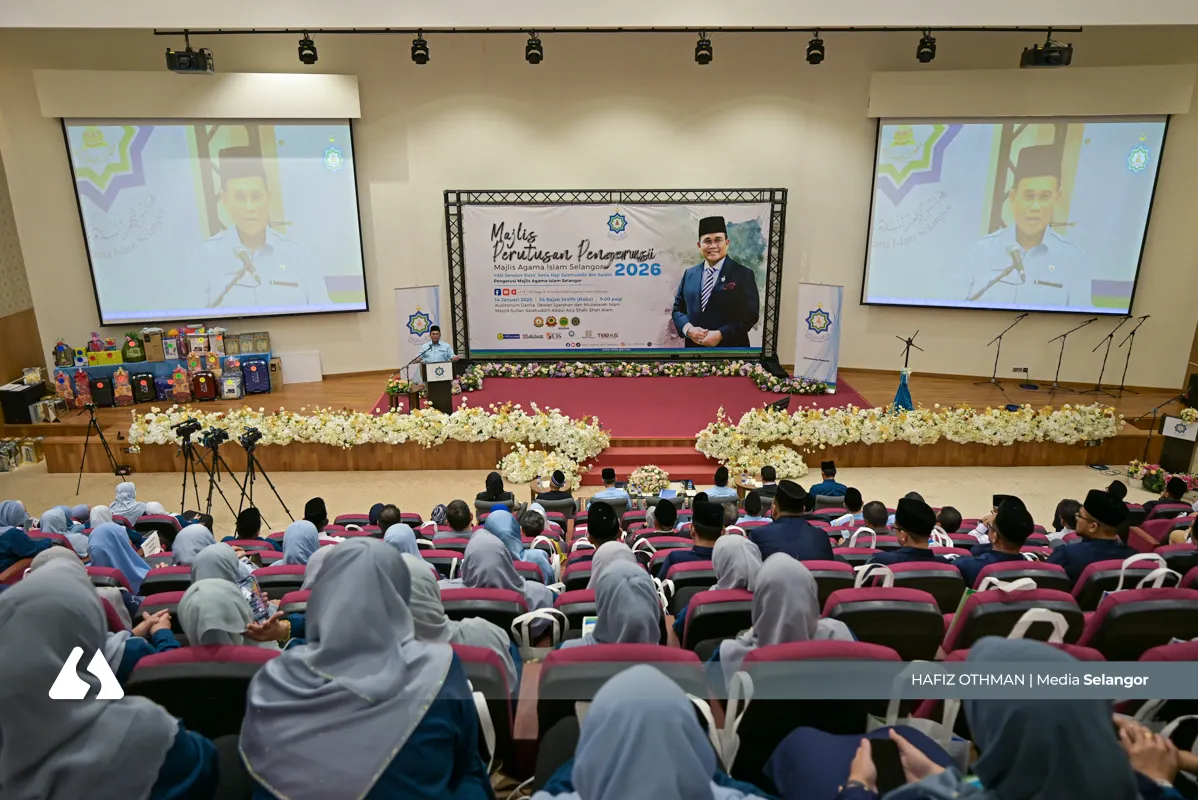
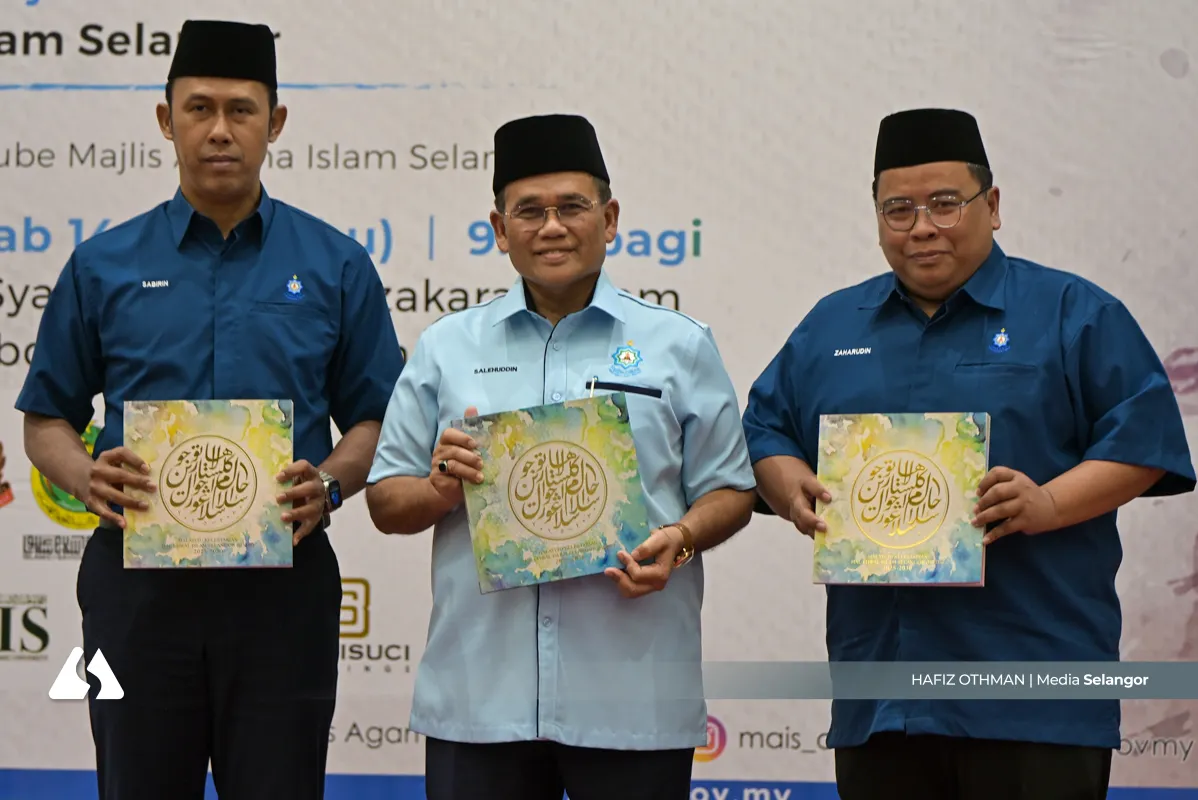
Meanwhile, the Mais chair said the council has launched the Selangor Islamic Affairs Sustainability Pathway Book 2025-2030 (Hatis) as a strategic move to strengthen the governance of Islamic institutions and ensure Islamic affairs are managed more sustainably.
He added that the book is a strategic masterplan that was formulated with organisations under the Selangor Islamic Administration to set a path for the management and development of Islamic affairs until 2030.
“Hatis was formulated to ensure every plan and action can be done in a more orderly, integrated, and efficient manner, in line with sustainability aspirations and the needs of the Muslim community in Selangor.”
The plan highlights six strategic cores — aqidah, education, dakwah and family; mosque management and ummah development; ummah welfare and economy; zakat and wakaf collection empowerment; shariah legislation and judiciary; and organisational governance and excellence.
Thus, Salehuddin urged Mais staff, agencies and subsidiaries to improve their productivity, especially in governance, competence, discipline, punctuality, and efficiency.
“I hope we can keep up the momentum of excellence which would result in meaningful successes for Muslims in Selangor,” he added.
Also present at the ceremony were Mais secretary Mohd Sabirin Mohd Sarbini, Mais trustees, officials and top management, and Mais subsidiaries.