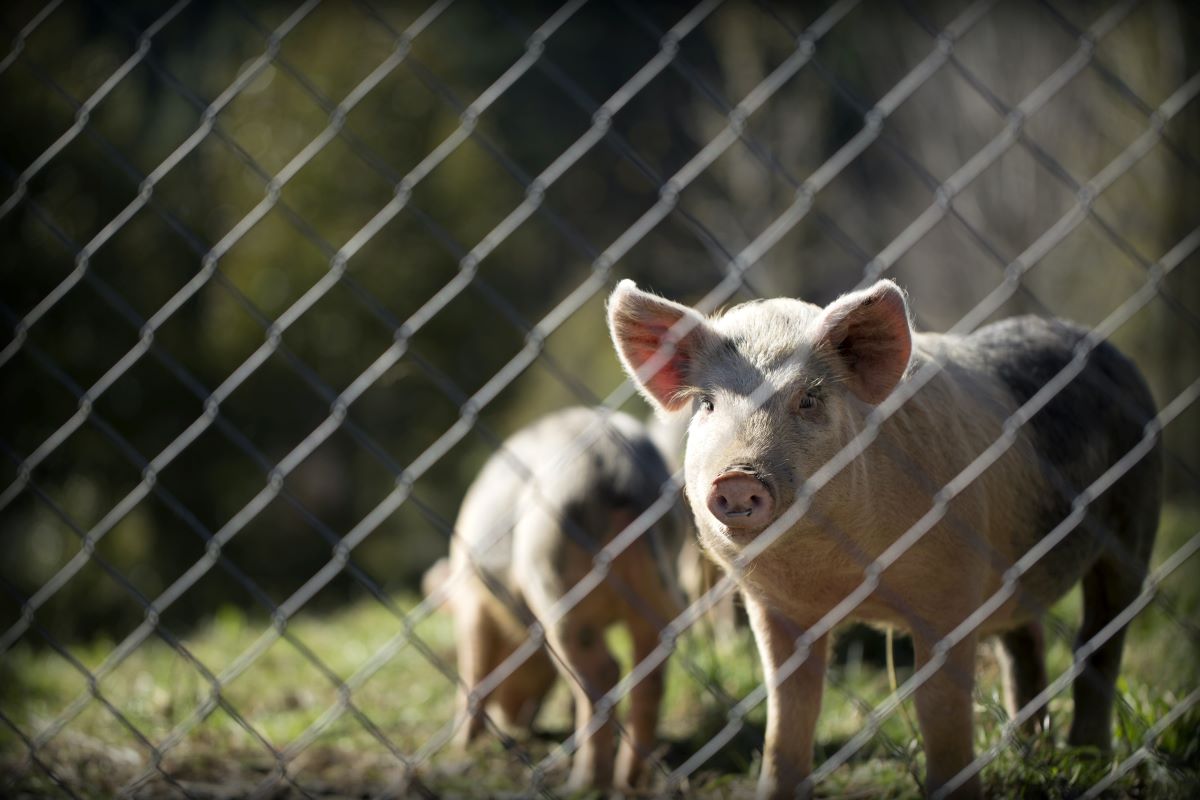
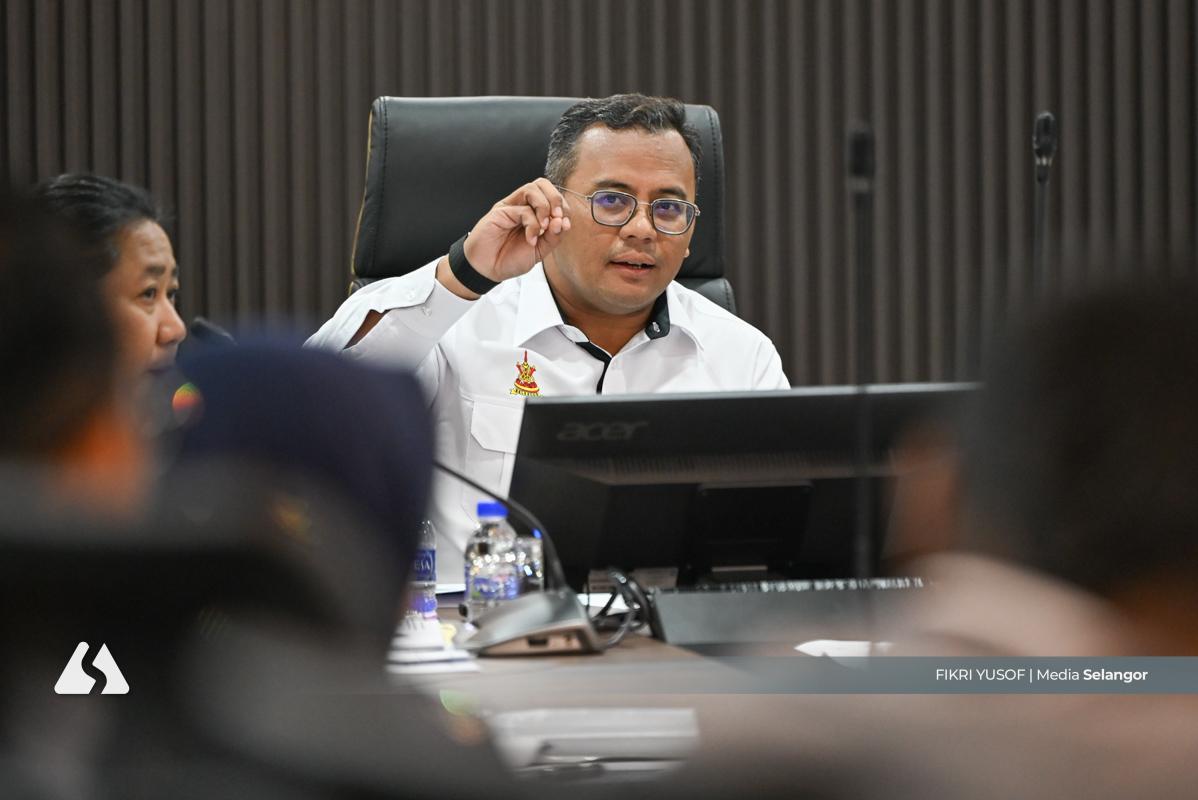
SHAH ALAM, Jan 11 — State executive councillor for agriculture Dato’ Izham Hashim will meet the Sultan of Selangor, Sultan Sharafuddin Idris Shah Alhaj, tomorrow to present the State Executive Council’s decision on pig farming operations in Kuala Langat.
Menteri Besar Dato’ Seri Amirudin Shari said Izham will also outline proactive measures formulated in collaboration with enforcement agencies to enhance environmental safety and cleanliness.
He said strict conditions, especially on waste management, have been imposed to prevent negative effects on the drainage system.
“This decision was made after taking into account all aspects, including the views of technical agencies, to ensure that the issue that has persisted for decades can be resolved.
“The initiative also aims to respect community sensitivities and is important in safeguarding public health, the environment and the drainage system, as well as in preventing odour pollution.
“The industry can also operate more safely without causing adverse effects,” he said in a statement yesterday.
Amirudin said the decision reflects a more structured effort by the State Executive Council to address the sensitive issue in a prudent, comprehensive and effective way.
“It addresses environmental concerns while balancing community needs and strengthening controls through a more systematic medium- and long-term solution,” he said, adding that the state government respects and values Sultan Sharafuddin’s counsel and guidance.
Earlier yesterday, Sultan Sharafuddin expressed deep disappointment and disagreement with the state government’s plan to allow pig farming in Tanjong Sepat, Kuala Langat, from this year, ahead of the farm’s relocation to Bukit Tagar in 2030.
According to a statement issued by the Istana Alam Shah, His Royal Highness views the decision seriously, especially given the possibility that it may involve the development of large-scale pig farming oriented towards export markets, and covering an area of about 202ha.
The statement said that in principle, Sultan Sharafuddin agrees with small-scale and well-controlled pig farming to meet the food needs of Chinese and other non-Muslim communities in Selangor.
Monitoring at pig farms to continue
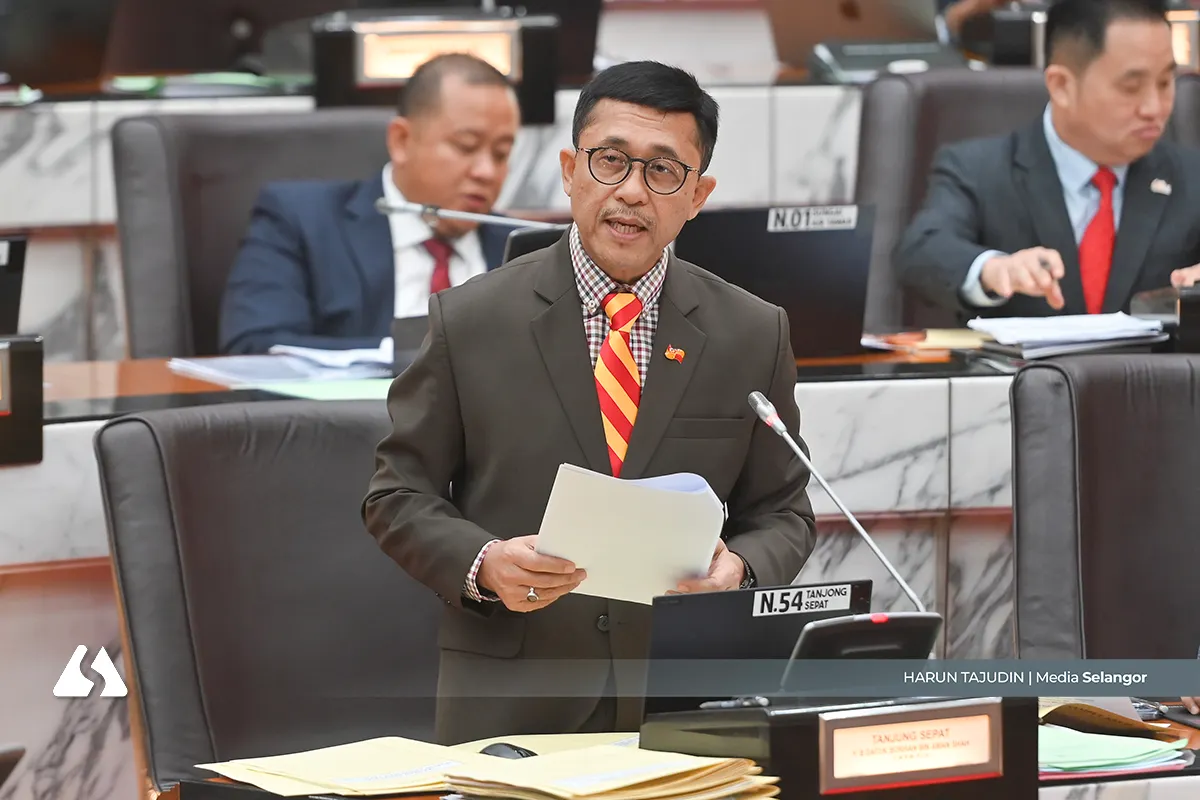
Meanwhile, Tanjung Sepat state assemblyman Datuk Borhan Aman Shah said monitoring of pig farming activities in the area has been ongoing and will continue, taking into account complaints raised by local residents.
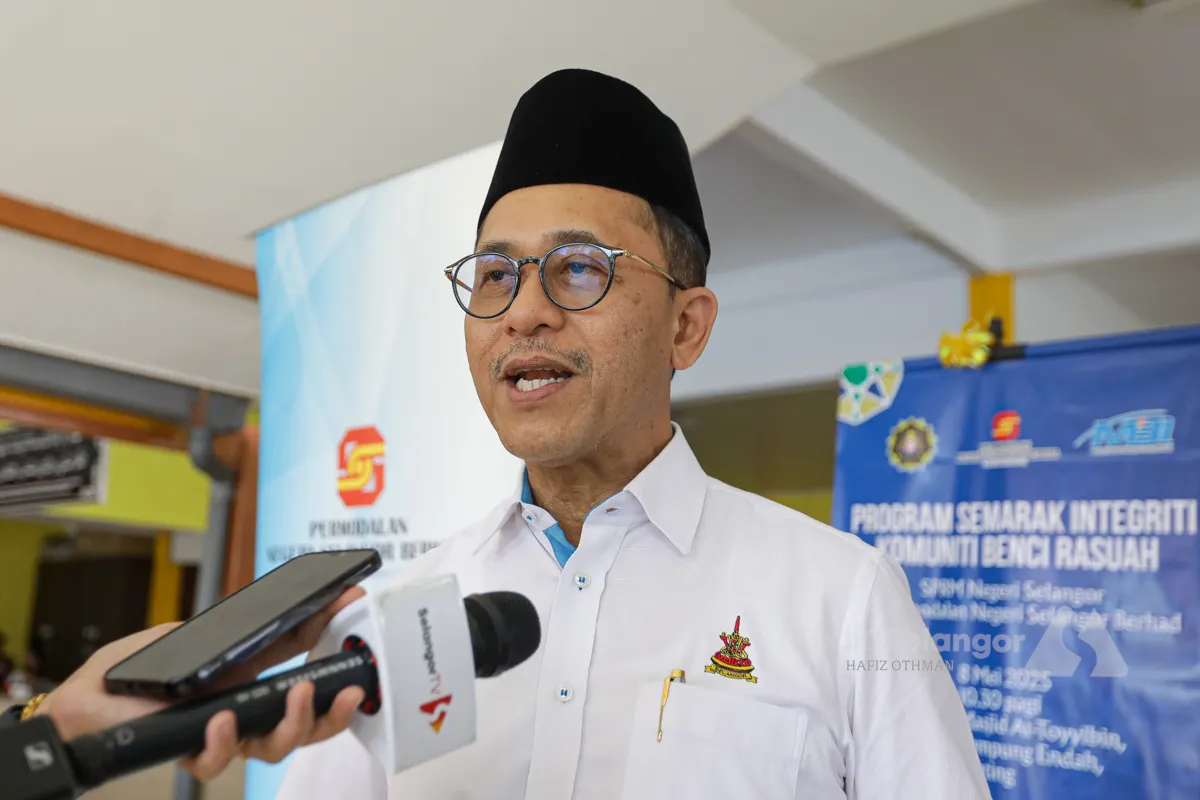
“I will continue to monitor developments and ensure that all actions remain in line with the edict and wisdom of Sultan Sharafuddin, while prioritising the interests of the people and the harmony of the state,” he said in a statement.
Borhan, who is also the state executive councillor for housing, said the Selangor government will ensure that sewage system controls at livestock farms are strictly complied with to ensure hygiene standards, environmental safety and the well-being of the community.
“I humbly take note of His Royal Highness’s firm stance in not consenting to Kuala Langat being used as a temporary livestock farming location prior to the relocation to Bukit Tagar in 2030, taking into account concerns over pollution risks, the impact on residents’ well-being and the harmony of the local community.”
Previously, Izham said the state government only allows pig farming activities to be carried out at Ladang Tumbuk in Tanjung Sepat as part of efforts to better manage environmental concerns and control diseases, including African Swine Fever (ASF).
The decision, which took effect this year, involves 112 farms, and all operators have been ordered to renew their licenses under the Control of Pig Farming Enactment 1961. Currently, only three farms are located outside Tanjung Sepat, in Sungai Belankan, Sepang.