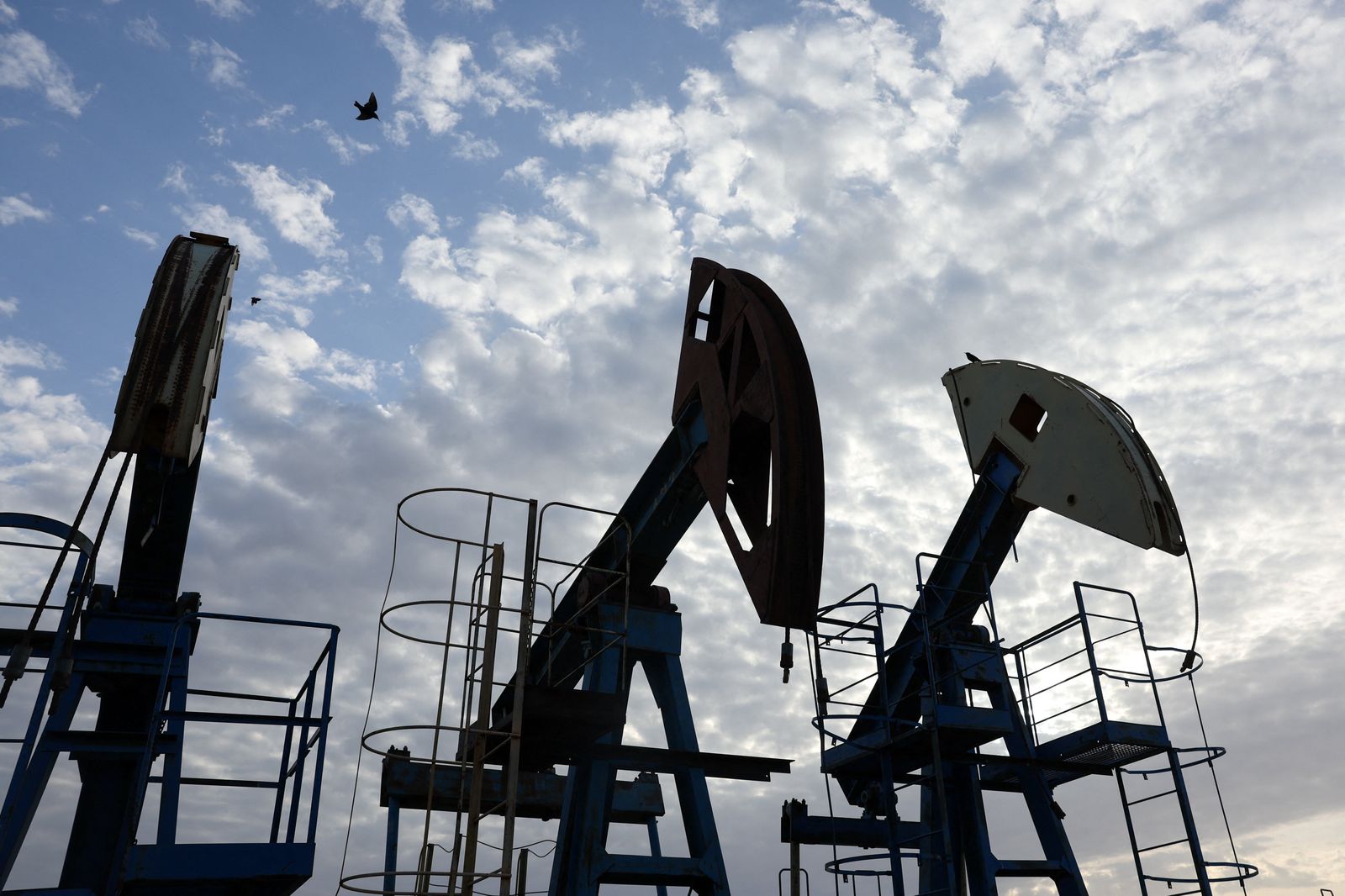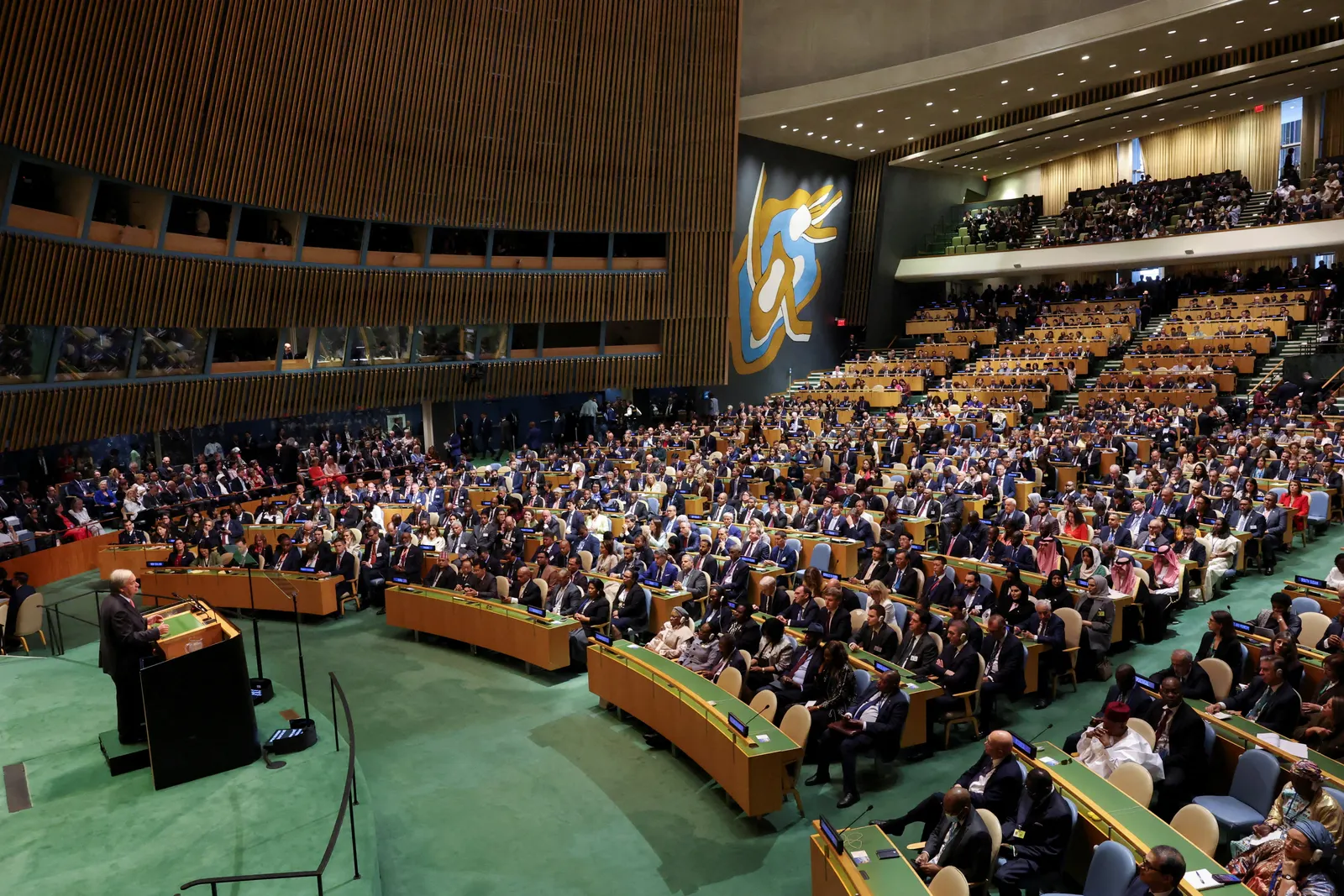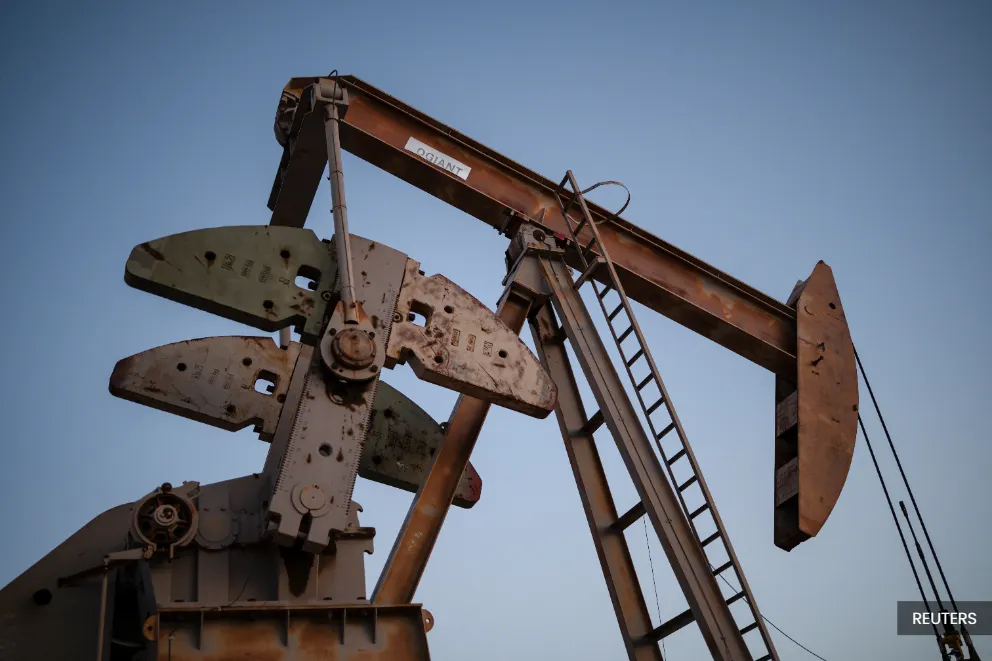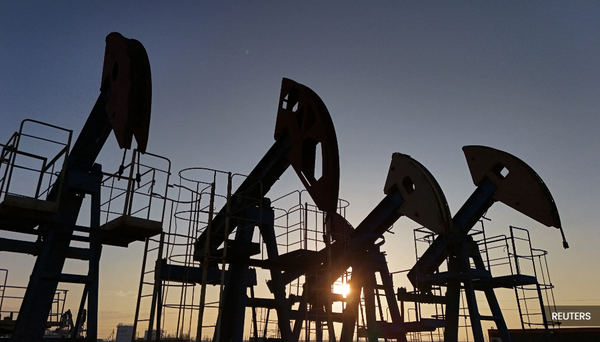
LONDON, Jan 9 — Oil prices rose on Friday on concerns about potential disruption to Iran's output and uncertainty about supply from Venezuela.
Brent futures were up ¢43, or 0.7 per cent, to US$62.42 per barrel at 1106 GMT, while U.S. West Texas Intermediate (WTI) crude was up ¢41, or 0.7 per cent, to US$58.17.
Both benchmarks climbed more than three per cent on Thursday, following two straight days of declines. For the week, Brent is on track to climb 2.8 per cent, while WTI has gained 1.5 per cent.
"Iran protests seem to be gathering momentum, leading the market to worry about disruptions," said Saxo Bank's commodity analysis head Ole Hansen.
Civil unrest in major Middle Eastern producer Iran and concerns about the spread of the Russia-Ukraine war to Russian oil exports have increased supply concerns.
Meanwhile, the White House is set to meet with oil companies and trading houses on Friday to discuss Venezuelan export deals.
Trump has demanded that Venezuela give the United States (US) full access to its oil sector just days after it captured the country's president Nicolás Maduro on Saturday. US officials have said Washington will control the country's oil sales and revenue indefinitely.
Two sources told Reuters that oil major Chevron Corp., global trading houses Vitol and Trafigura, and other firms are competing for US government deals to market up to 50 million barrels of oil that state-run oil company PDVSA has accumulated in its inventories amid a severe oil embargo involving four tanker seizures.
"The market will focus on the outcome in the coming days for how the Venezuelan oil in storage will be sold and delivered," said Moomoo ANZ market strategist Tina Teng.
Internet monitoring group NetBlocks reported a nationwide Internet blackout in Iran on Thursday, as protests in the capital Tehran and the major cities of Mashhad and Isfahan, as well as other areas around the country, continued amid economic hardships.
On Friday, the Russian military said that it had fired its hypersonic Oreshnik missile at targets in Ukraine. The targets included energy infrastructure supporting Ukraine's military-industrial complex, the Russian defence ministry said in a statement.
However, Haitong Futures said that global oil inventories are rising, and oversupply remains the main driver that could cap gains. Unless risks around Iran escalate, the rebound is likely limited and hard to sustain.