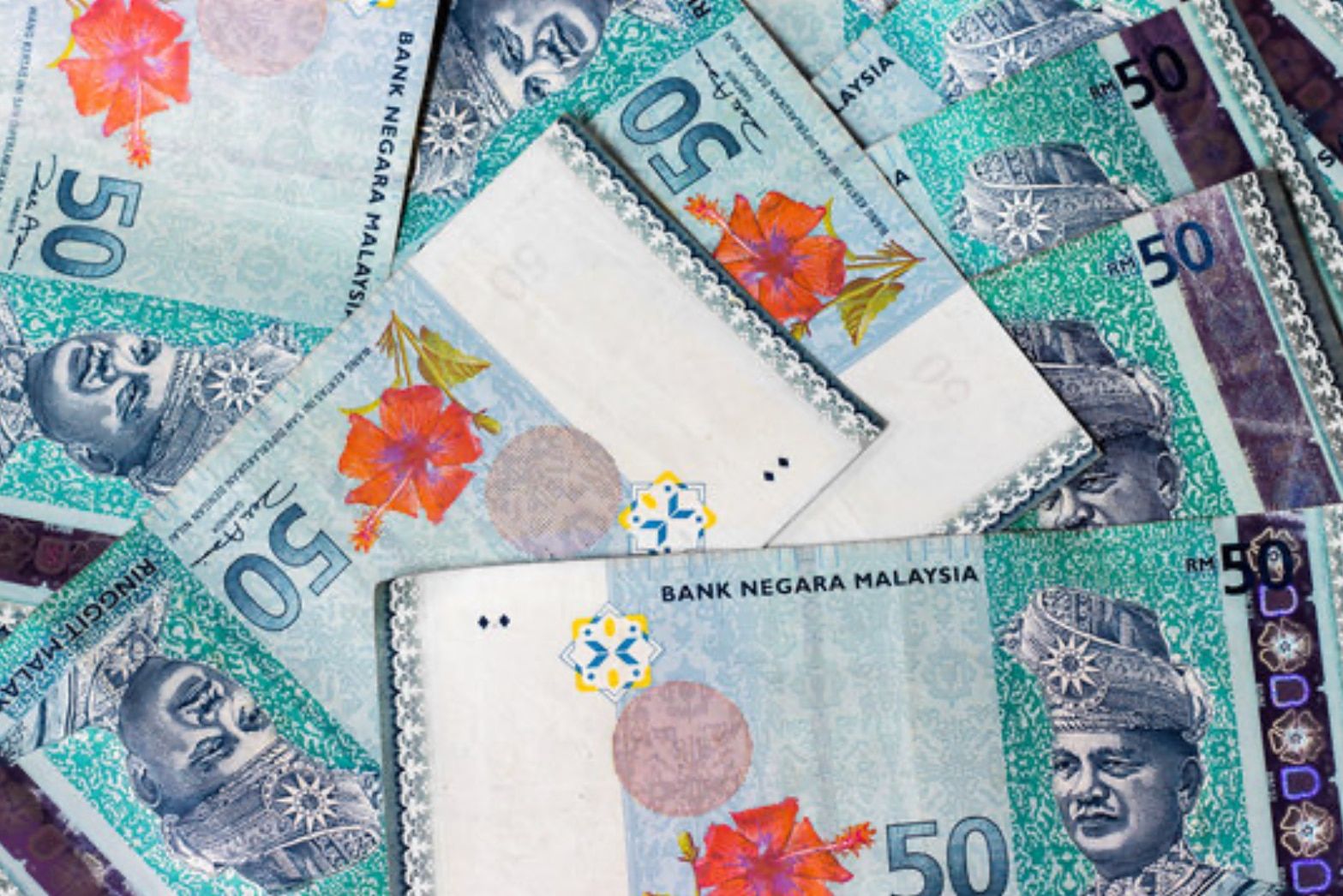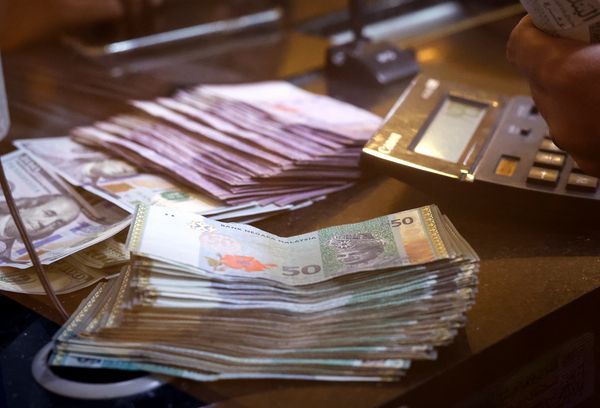
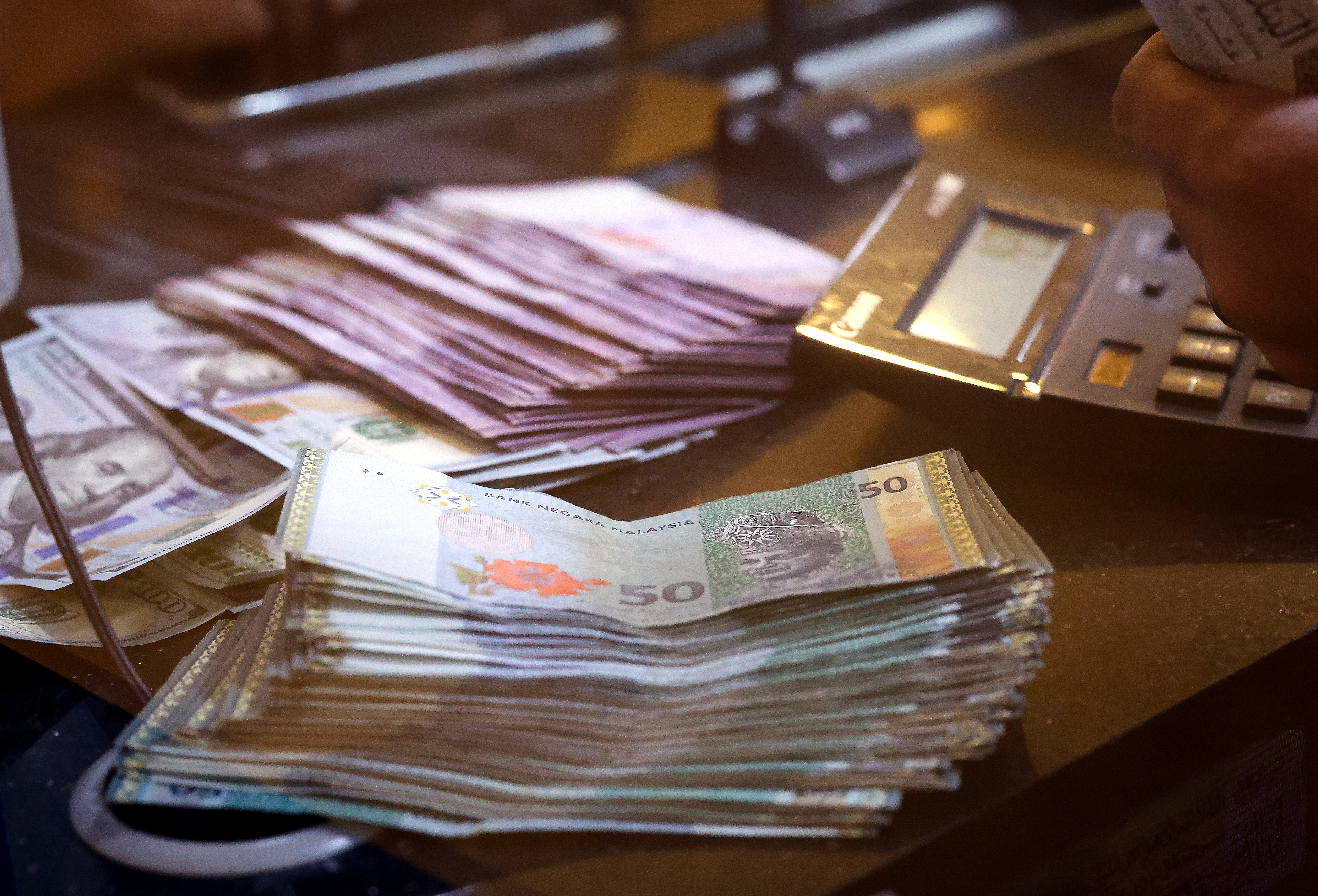
KUALA LUMPUR, Dec 22 — The ringgit was Asia’s best-performing currency this year against its regional peers, with its gains underpinned by strong economic fundamentals and buoyant exports, while interest rate cuts by the United States (US) Federal Reserve (US Fed) provided pivotal support.
The local note gained nearly 9.0 per cent against the US dollar, with the outlook remaining positive as the ringgit is now trading at around 4.07 versus the greenback.
This represents a commendable recovery from 4.80 in March 2024, its weakest level since January 1998 during the Asian financial crisis, despite a global trade backdrop marked by US tariffs on trading partners, including Malaysia.
The ringgit was mainly stronger against other currencies, appreciating by 2.9 per cent against the British pound on a year-to-date basis, 13.5 per cent versus the Indonesian rupiah, 10.5 per cent against the Philippine peso, 8.5 per cent against the Japanese yen, 3.8 per cent versus the Singapore dollar and 0.3 per cent against the Thai baht. However, it weakened by 2.8 per cent against the euro.
Bank Muamalat Malaysia Bhd chief economist Mohd Afzanizam Abdul Rashid said the ringgit’s strong performance this year was notable given heightened global uncertainty.
Analysts said sentiment turned cautious in August when US tariffs were introduced, but downside risks were mitigated when the reciprocal tariff rate was reduced to 19 per cent from an earlier proposal of 25 or 24 per cent, minimising the impact as it was considered manageable for the economy.
Moody’s Analytics assistant director and economist Denise Cheok said the ringgit has been one of the best-performing Asian currencies this year, outperforming most of its regional peers.
Narrowing interest rate differentials with the US dollar, a softer greenback, improved growth prospects, and stable price conditions pushed the ringgit to its strongest level in almost five years at 4.07 against the dollar.
Tracing its trajectory, the ringgit strengthened to 4.0765 on Wednesday (December 17) against the US dollar from 4.0835 at the previous day’s close, its strongest level since March 3, 2021, when it ended the session at 4.0720.
In contrast, the ringgit’s weakest level this year was recorded on January 6, when it slid to 4.5113 due to a strong dollar, weak export growth and bearish sentiment.
Bank Negara Malaysia (BNM) consistently stood ready to manage excessive movements in the ringgit, with continued repatriation of earnings by government-linked companies (GLCs) providing support.
GLCs and government-linked investment corporations were encouraged to convert foreign-currency earnings into ringgit in March last year, when the currency touched 4.80, providing much-needed support.
The outlook for the ringgit remains bright, reflecting broad investor optimism and confidence in Malaysia’s economic trajectory.
This optimism is based on expectations of further US rate cuts, a softer dollar, structural reforms like subsidy rationalisation, stronger export growth, and higher crude oil prices, a key export commodity for the country.
Equally important was the rationalisation of subsidies for major items, such as fuel (petrol and diesel), as well as food staples like chicken, reflecting fiscal prudence and improving government revenues.
The ringgit is on track to end the year on a firm footing, having hit multiple highs towards year-end as improving growth prospects, stable inflation, and a softer US dollar lifted market confidence.
Meanwhile, SPI Asset Management managing partner Stephen Innes told Bernama that, compared with the rest of Asia, the ringgit held its own in 2025.
The ringgit’s performance marked a period of steady rehabilitation, with the currency holding firm against regional peers despite earlier external pressures.
He said the recovery was characterised by steady gains rather than sharp movements, signalling a gradual rebuilding of market confidence.
This consistency was notable amid persistent global uncertainties, including trade tensions and shifting expectations over US monetary policy.
While a softer US dollar in the second half of the year eased pressure on emerging market currencies, Malaysia stood out as improving domestic fundamentals allowed the ringgit to strengthen more than broader global trends alone would have suggested.
On a full-year basis, the ringgit appreciated by nearly nine per cent against the US dollar, placing it among Asia’s stronger-performing currencies.
Cheok attributed the ringgit’s strong showing to a weaker US dollar, narrowing interest rate differentials following Fed rate cuts, robust export performance and foreign direct investment inflows, particularly into data centres.
Moody’s Analytics expects the ringgit to end 2025 at around 4.10 against the US dollar, before easing slightly to about 4.12 by the end of 2026, with policy responses by major central banks and domestic monetary conditions remaining key drivers.
Afzanizam noted that beyond external factors, Malaysia’s improving fiscal position played a key role in supporting the currency, particularly by attracting foreign inflows into government securities and, to a lesser extent, corporate bonds.
In the first nine months of the year, the Federal government reduced its fiscal deficit to RM49.8 billion, or 3.3 per cent of the gross domestic product (GDP), from RM58.2 billion, or 4.1 per cent of the GDP, in the corresponding period last year.
This improvement was supported by more substantial revenue collection and lower subsidy expenditure following rationalisation measures.
He added that these developments have been viewed positively by credit rating agencies, citing Fitch Ratings’ reaffirmation of Malaysia’s sovereign rating at BBB+ with a stable outlook in December, supported by gradual deficit reduction and institutional fiscal reforms.
Inflation remained relatively mild and contained in 2025, with analysts projecting headline inflation to average between 2.0 and 2.2 per cent for the year, helping to preserve real interest rate stability and policy flexibility.
At its final monetary policy meeting of the year in November, BNM left the Overnight Policy Rate unchanged at 2.75 per cent, marking a full year of steady policy as the central bank balanced growth and inflation conditions.
Afzanizam said external risks in 2026 would remain dominated by developments in the US economy and monetary policy, and that stronger-than-expected US growth or a slower pace of rate cuts could affect global capital flows.
On the domestic front, continued commitment to reform implementation and policy execution, particularly as Malaysia moves closer to the election cycle, would be key to sustaining investor confidence and anchoring long-term currency stability.