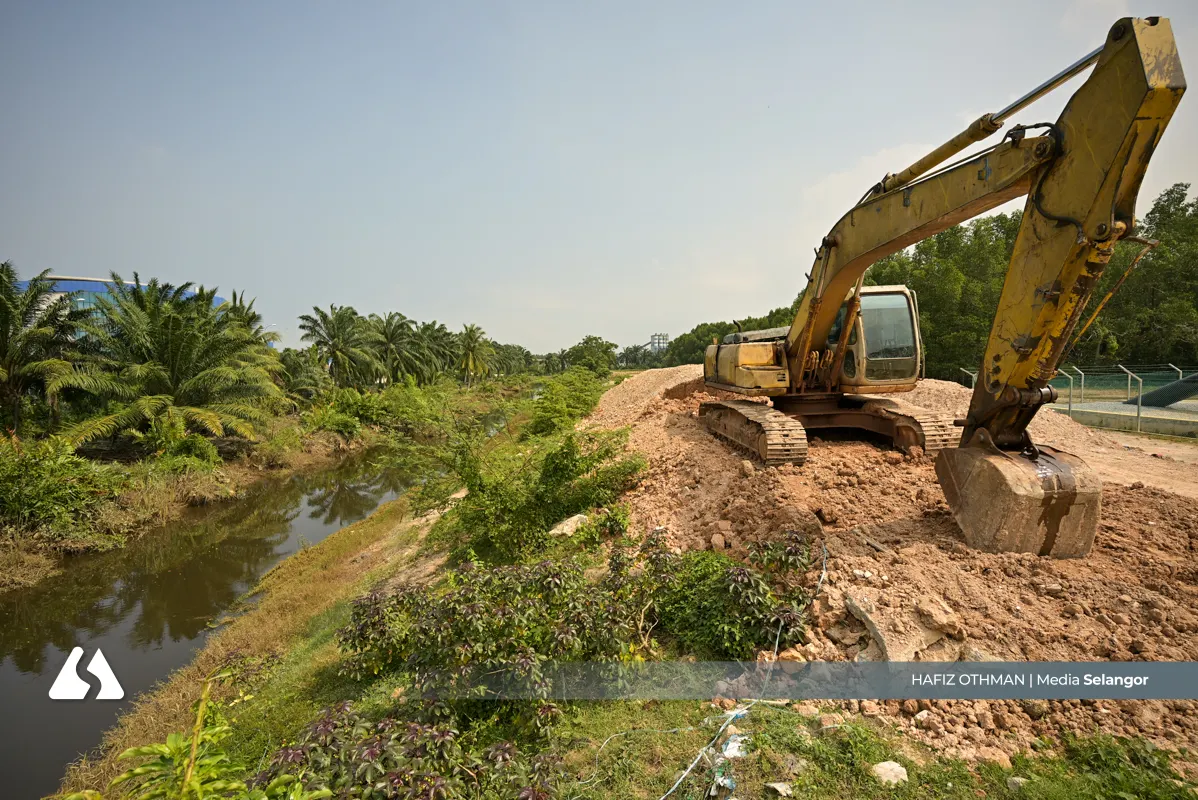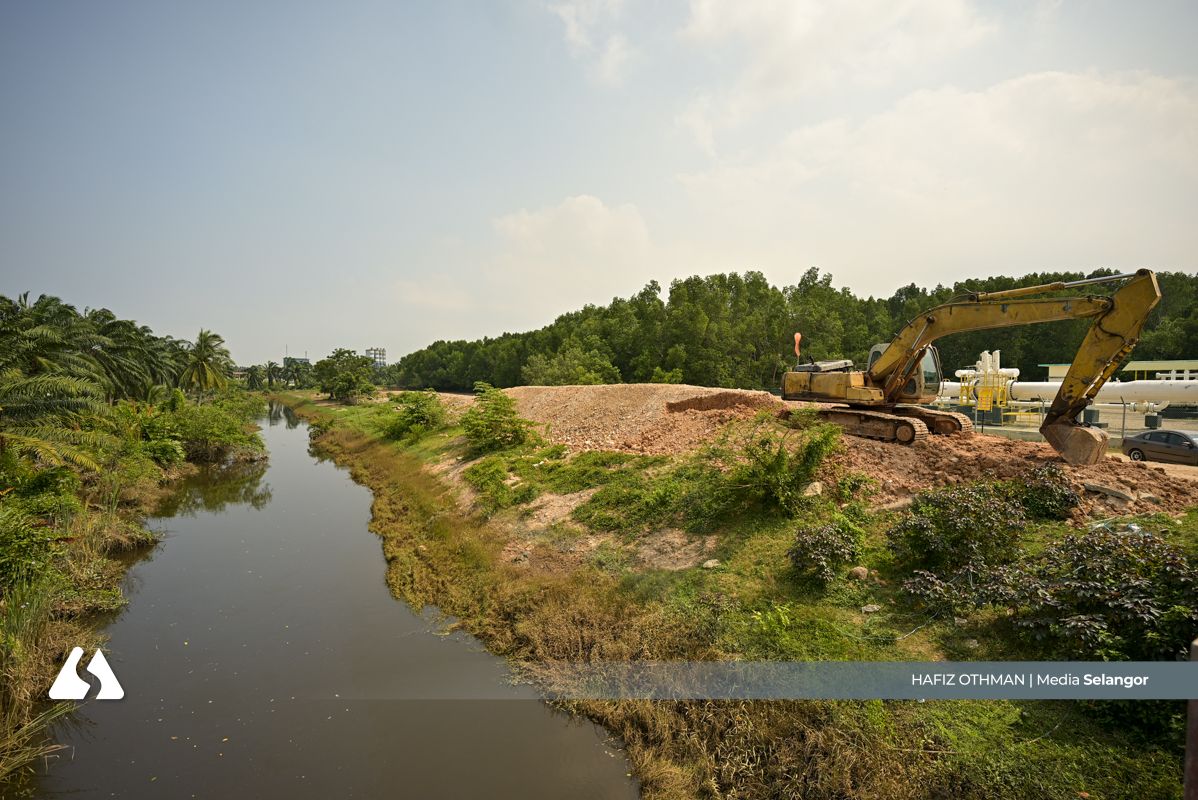
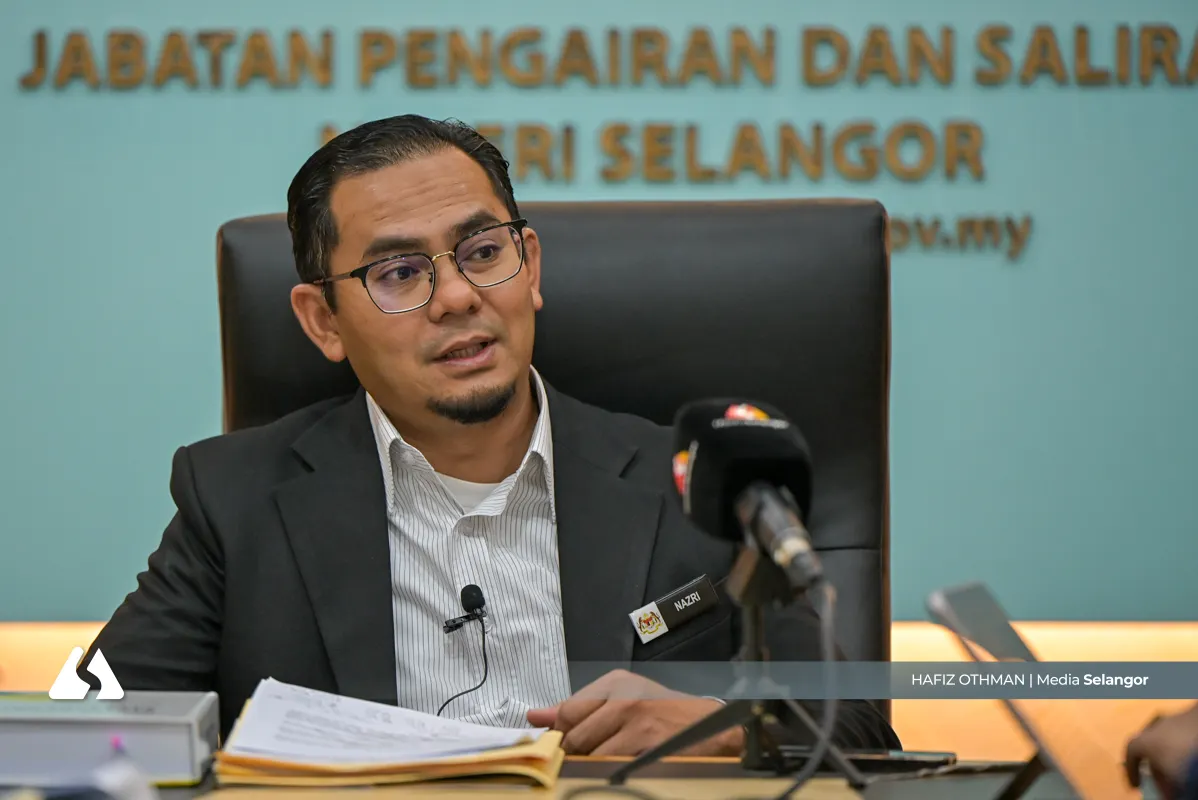
SHAH ALAM, Dec 21 — The Selangor Irrigation and Drainage Department (JPS) is turning its attention to the 75km of eroded breakwater along the state’s coast, said Selangor JPS director Dato’ Mohd Nazri Yasmin.
He said this 75km represents 40 per cent of Selangor’s total breakwater structures, with nearly 5km between the Kuala Selangor and Sabak Bernam coast in critical condition.
He added that 18.6km of the breakwater is in moderately critical condition, while 51.2km is in a controlled critical condition. Most of the affected areas are along the Kuala Selangor-Sabak Bernam coast.
The breakwater often crumbles along the Selangor coast. The most recent incident was in November, when 20 homes were flooded when the breakwater at Parit 5 in Sekinchan burst due to a high-tide phenomenon.
That same month, 12 breakwaters in Bagan Datuk in Perak, which shares a coastal border with Selangor, burst during a high-tide phenomenon at 3.40am and inundated several homes.
And in October, a flood due to another breakwater incident led to 658 residents being evacuated from Taman Saujana Aman residents in Kuala Selangor and Kampung Parit 16 Tanjung Medan and Kampung Belia 2 in Sabak Bernam.

Loss of mangrove swamps, climate change cause erosion
The Assessment of the Effectiveness of Selangor’s Shoreline on Sea Level Changes study that was published in 2023 showed that extreme weather, including rising sea levels due to climate change, puts great pressure on shore morphology. This includes larger waves, heavy rain, and rising sea levels that affect the roots of mangrove trees in swamps that act as natural breakwaters.
“Natural factors, such as climate change and global warming, are the main reason for rising sea levels that erode breakwaters and threaten low-lying areas.
“These also have implications on wave pattern and ocean flow changes, which cause the loss of mangrove trees. They eventually affect breakwater integrity.
“Breakwaters then become unstable, which leads to structure subsidence and then water overflow, which (brings) flood risks,” Nazri said.

Weak maintenance, material cause breakwater deterioration
Nazri also said the shoreline is home to fauna like crabs and otters, whose tendencies to dig into ground could affect breakwater structures.
However, he added that breakwater deterioration also stems from soil subsidence due to the use of material with weak durability and inconsistent maintenance.
He admitted that maintaining the shoreline is a major challenge, but periodic surveys are done due to monthly instances of the high-tide phenomenon.
“That’s why we do periodic surveys, projects (for) the high-tide phenomenon by raising breakwaters. Under the First Selangor Plan (RS-1), JPS handled two projects worth RM21.8 million.
“Both are underway at Sungai Pulai and Sungai Sekendi in Sabak Bernam. The federal government gave us nine projects, and all shoreline projects in Selangor are worth RM91.5 million involving 26.2km,” he said.

Existing barriers can’t handle future waves
Nazri revealed that breakwaters were designed based on 2010 wave data, which presents a new challenge as the data doesn’t consider current extreme weather changes.
“The average height of existing breakwaters are under 5m, which is quite low and insufficient for future wave and sea levels.
“This design no longer fulfils needs (based on) current wave and sea level data. Rising sea levels and extreme wave patterns cause breakwaters to overflow often,” he added.
He said JPS is reassessing breakwater design parameters by considering sea levels, wave heights, and periods between recurrences to ensure existing breakwaters function well.
“JPS is also evaluating the possibility of upgrading certain structures so they are safe and effective in the long term,” Nazri said.