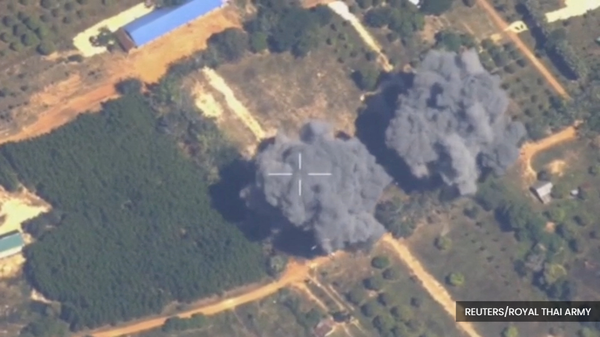
BANGKOK, Dec 16 — Thailand is working out how to repatriate up to 6,000 citizens unable to return home through a major border crossing in Cambodia closed as fighting along the contested border extended into a second week.
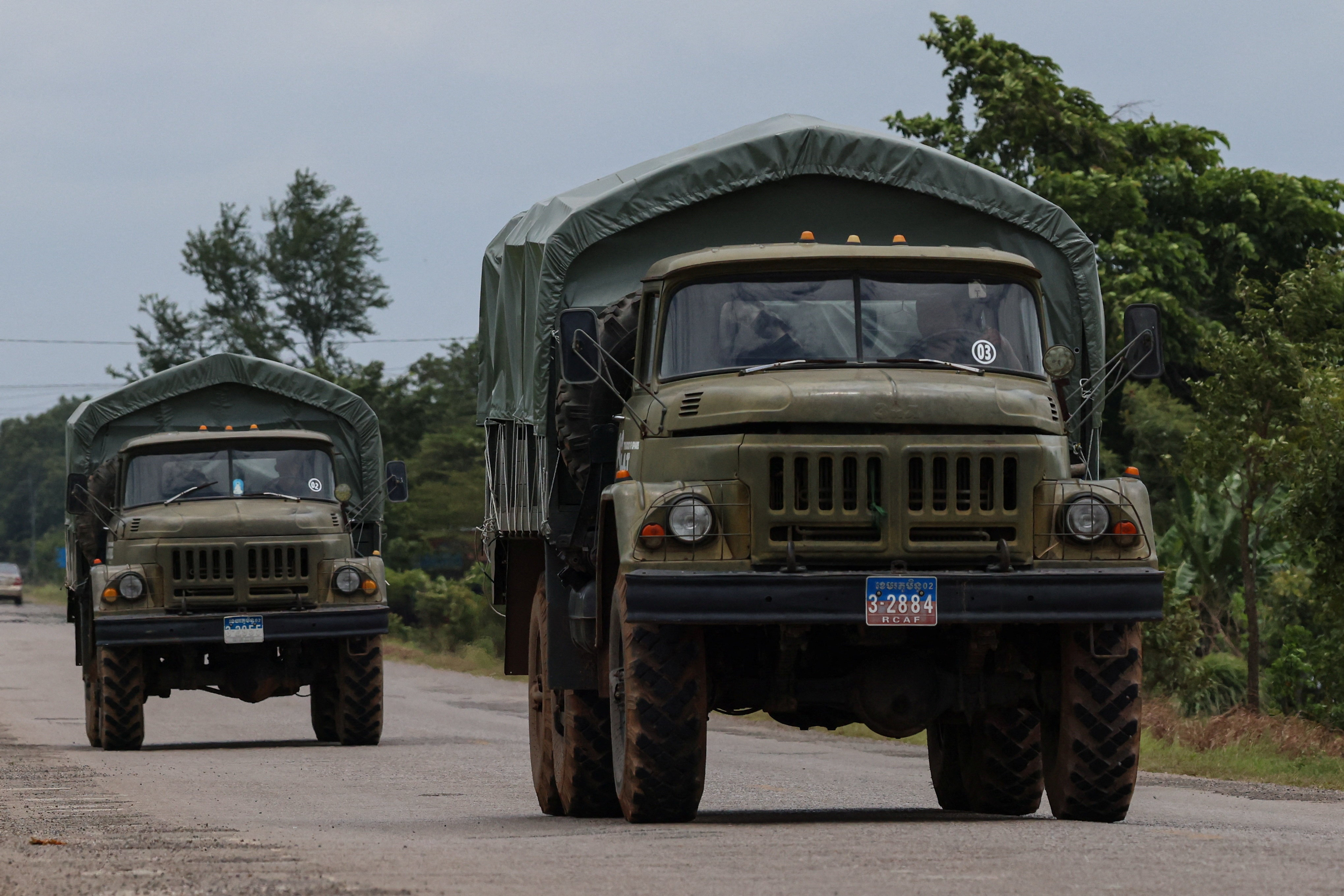
Both nations' militaries have confirmed that they are clashing at several locations on their 817-km land border, with no signs of abatement, despite international efforts to negotiate a ceasefire.
Cambodia's closure of its checkpoint in the city of Poipet has prevented the return of thousands of Thai workers gathered there amid fighting that has displaced more than half a million people and killed nearly 40 on both sides since yesterday.
Hun Sen, Cambodia's influential former leader, said the closure aimed to protect civilians from what he called indiscriminate firing by Thai forces in the area.
However, checkpoints were open in areas free of fighting, and air travel was unrestricted.
In Bangkok today, the Foreign Ministry said Thais in Poipet could seek help arranging air travel home from the consulate in Siem Reap, the gateway to the Angkor Wat temple complex. It urged others still in Cambodia to contact officials if they needed to leave.
Efforts to end the fighting have included calls from United States President Donald Trump, who also brokered a halt to a five-day conflict in July by using trade negotiations as leverage.
"The Army said there has been continuous fighting across the border. The situation is still in flux," said Thai Defence Ministry spokesman Surasant Kongsiri, with fighting reported in eight border provinces.
Cambodia's Defence Ministry said that its forces would "continue to stand strong, brave, and steadfast in their fight against the aggressor".
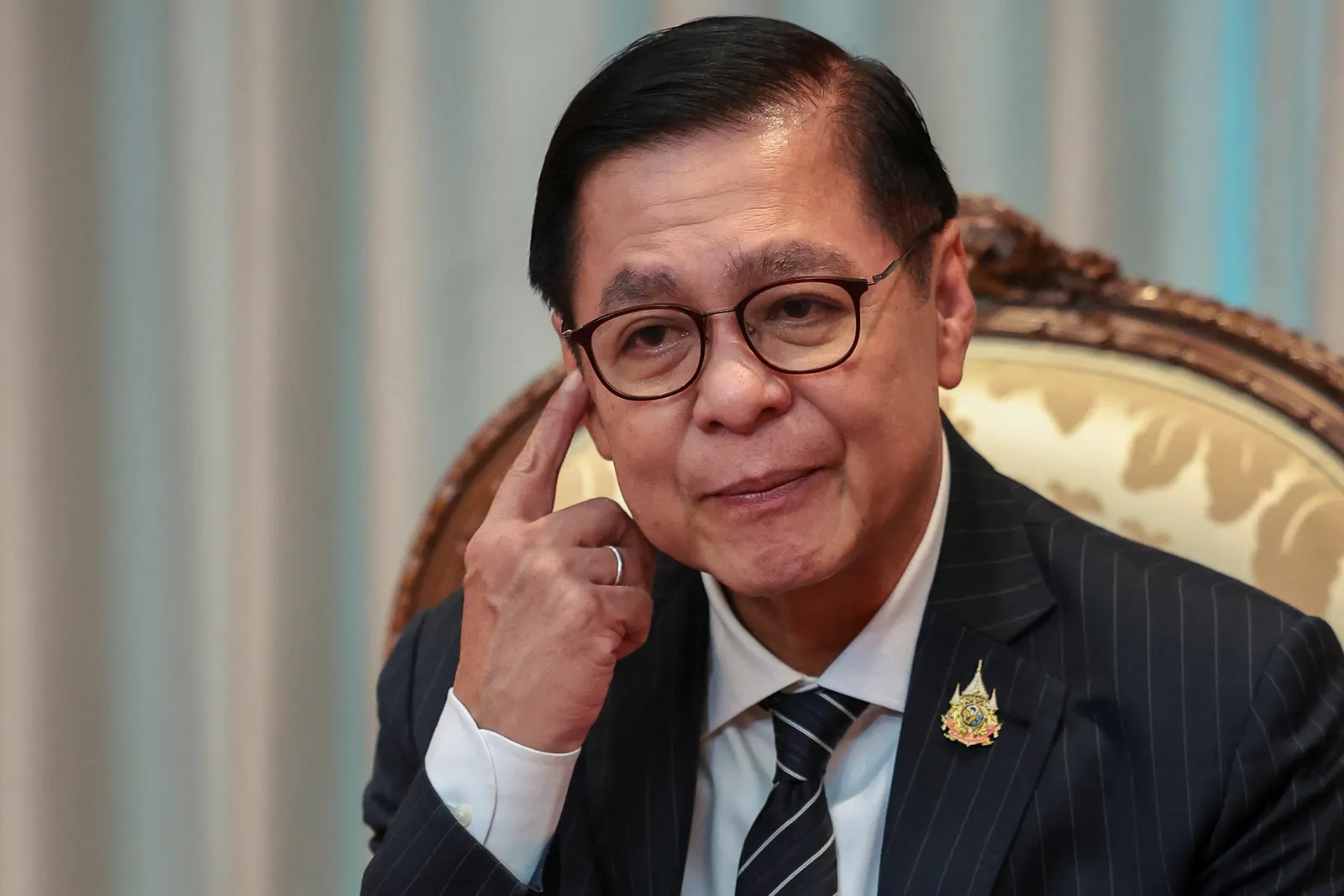
Thai Prime Minister Anutin Charnvirakul said that there was no international pressure for a ceasefire.
There was no international pressure for a ceasefire, Thai Prime Minister Anutin Charnvirakul told journalists in response to a question.
"No one is pressuring us. Who is pressuring whom? I don't know," he told the media in response to a question. Anutin did not respond to a query about whether Trump was using the threat of tariffs to pressure Thailand to stop the conflict.
The neighbours have long disputed sections of the frontier, but the scale and intensity of the latest clashes, stretching from forested inland areas near the Laos border to coastal provinces, are unprecedented in recent history.
Each side blames the other for starting the fighting.
Malaysia will host a special meeting of Southeast Asian foreign ministers next week as the regional bloc tries to re-establish the ceasefire.