SHAH ALAM, Dec 11 — For thirty-four years, the Shah Alam Gallery has stood in Selangor.
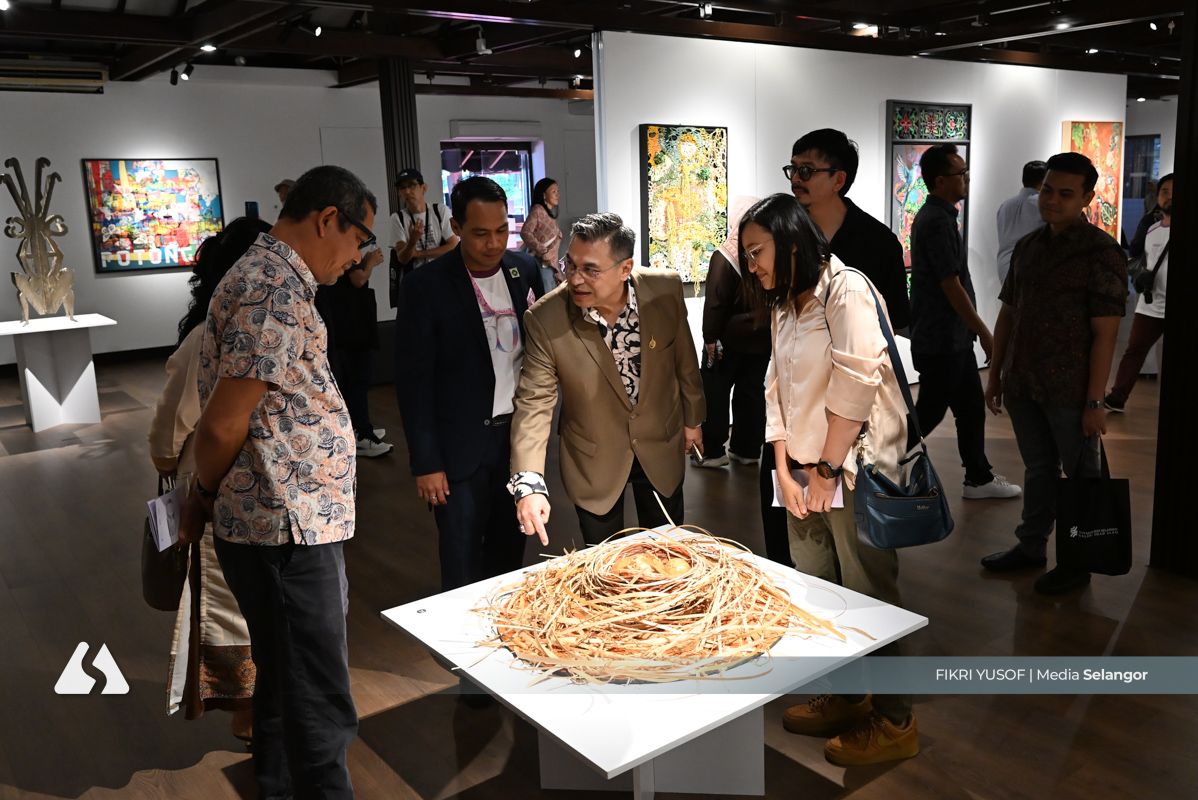
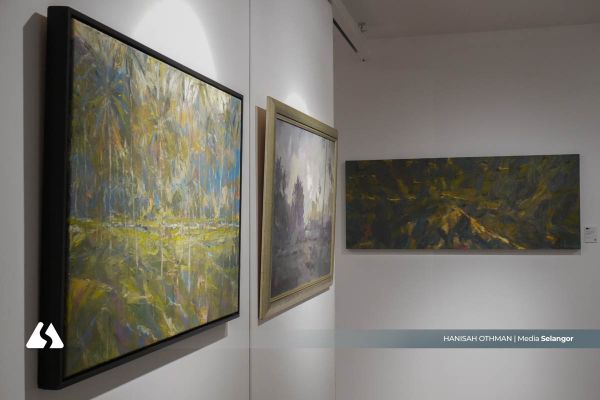
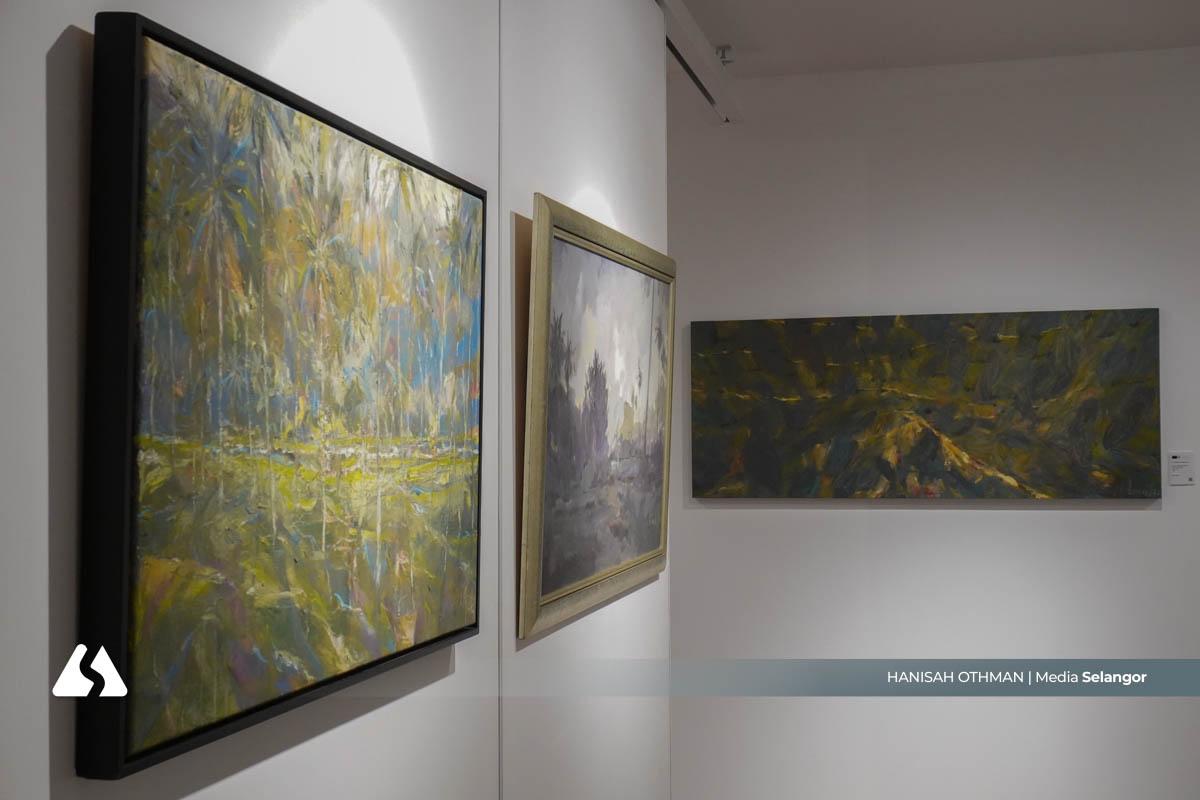
Various programmes, especially exhibitions featuring works by artists across generations, have taken place there. Not forgetting competitions, discussions, and workshops, as well as educational activities held from time to time.
Located in the heart of the city centre, it has borne witness to artists crafting creativity; be it visual art, fine art, sculpture, or even bitumen art.
Clearly, the gallery lives and gives life. It flourishes with diverse activities and breathes hope into the local art community, from young creators to established painters.
More than just a building, it is a space where young artists sketch their ideas and dreams. It is also where established painters share new works or retrospective journeys of their artistic careers.
Among the artistic figures who have contributed to the gallery’s glory are royal painter Datuk Azman Yusof, Datuk Haron Mokhtar, Yusof Ghani, Syed Ahmad Jamal, and Datuk Hoessein Enas. Not forgetting Amron Omar, the iconic painter behind the Pertarungan series.
Nearly 90 per cent of his works that had never been publicly exhibited were showcased during the Harapan Charity Art Exhibition and Bazaar in early November. The exclusive collection belonging to Pakha Sulaiman included portrait sketches for novel covers published by Utusan Publications and Distributors Sdn Bhd.
In addition, there was an early painting produced by Amron before he studied fine art formally. Thus, visitors could observe the evolution of his style before and after receiving formal training.
To Amron, the gallery has been one of the important platforms that supported the development of his career, from the time he completed his studies at Universiti Teknologi Mara (UiTM) until today.
“Shah Alam Gallery helped me immensely. The space and opportunities here were wide open.
"Back then, the art scene was lively. Artists were appreciated, their works valued, and many collectors came to give support,” he said.
Proceeds from purchases during the programme were contributed to the Harapan Fund to assist single mothers and women in need, making the gallery a bridge to the community.
The gallery also hosted a joint exhibition by two renowned artists: new media art pioneer Hasnul Jamal Saidon and celebrated metal sculptor Yang Mulia (YM) Raja Shahriman Raja Aziddin in May.
Hasnul blended artistic disciplines with digital media through works involving computers, video, sound, the Internet, and interactive installations. Meanwhile, YM Raja Shahriman is known for transforming heavy metal into dynamic, elegant, and meaningful forms.
In the same month, the gallery took a different approach, bringing together 16 artists and 56 bitumen artworks, a material typically used in road construction. In Malaysia, such exhibitions are rarely held.
Last year, many activities were organised, including the Shah Alam Gallery Open Exhibition, which featured 52 artworks of various themes and received a strong public response. Earlier, workshops in paper sculpture and doodle art were also conducted.
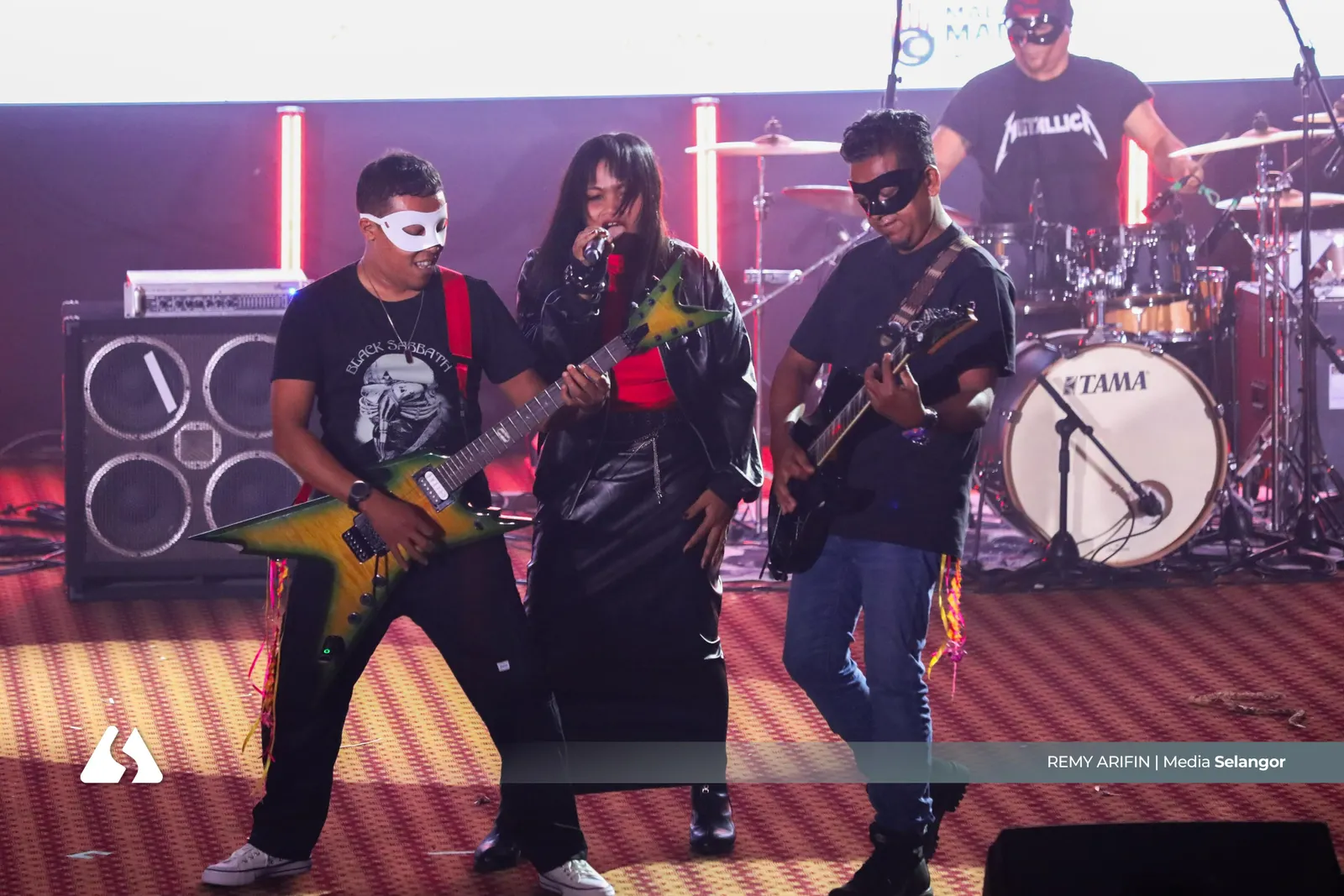
The 2022 Design and Craft Festival was equally lively. Its innovative displays, design talks, pop-up art bazaar, and indie music performances were well-loved by young art enthusiasts.
The same year also saw painting workshops for children and teenagers held alongside ceramic workshops.
In short, the gallery, established by Yayasan Seni Selangor Darul Ehsan, has never lacked artistic vibrancy. It was officially opened by the late Sultan Salahuddin Abdul Aziz Shah Alhaj on July 6, 1991.
The foundation itself was inspired by His Royal Highness’s son, Sultan Sharafuddin Idris Shah Alhaj, then the Raja Muda of Selangor.
The building, designed in traditional Malay architecture, was constructed by Maimunah Deraman for the Selangor Culture and Tourism Department in the early 1980s and later renovated by the Shah Alam City Council.
Worn by time
However, the once-vibrant gallery is now beginning to fade with age. Much has changed. Like people, buildings also grow old. Year after year, signs of deterioration appear.
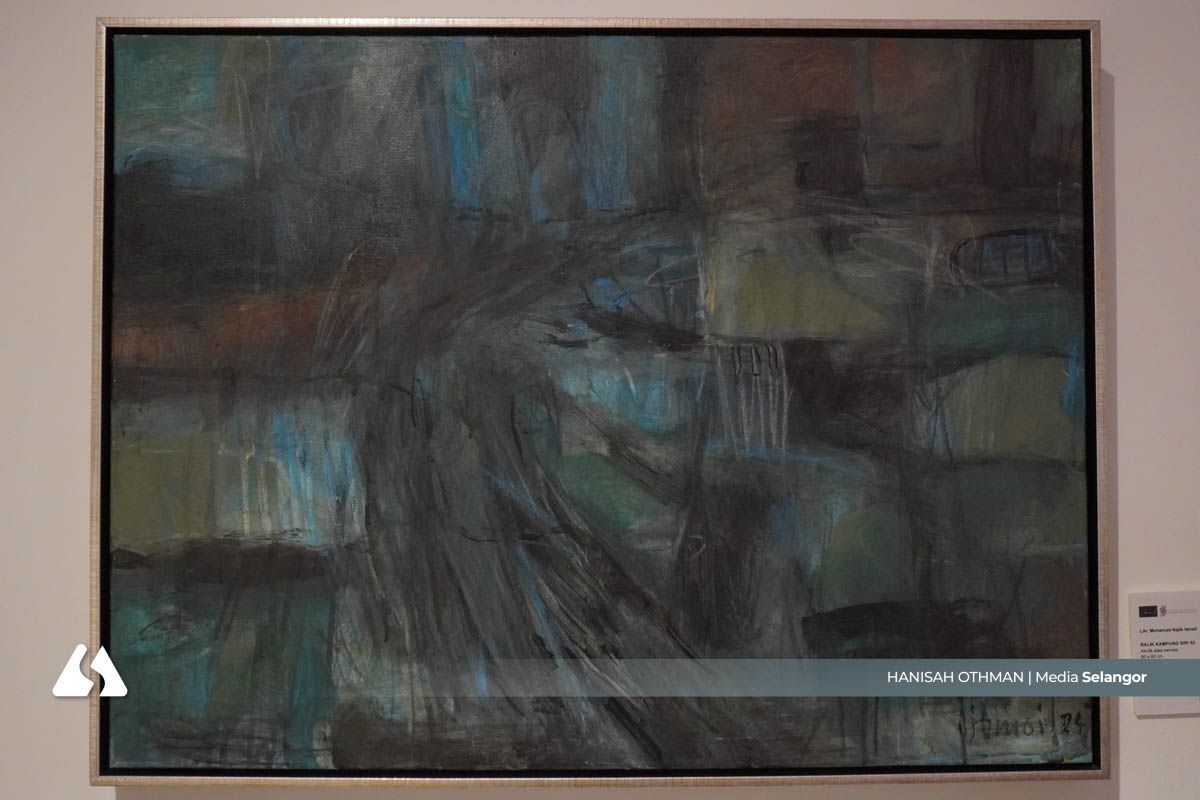
An unstable temperature-control system and leakage risks make the artwork storage area unsafe. Exhibitions have decreased, not due to a lack of talent but because the gallery no longer meets professional exhibition standards.
Where every corner was once brought to life by colour and creativity, it now sits in silence. Visitor numbers have declined. From once grand, it has become far quieter than it should be.
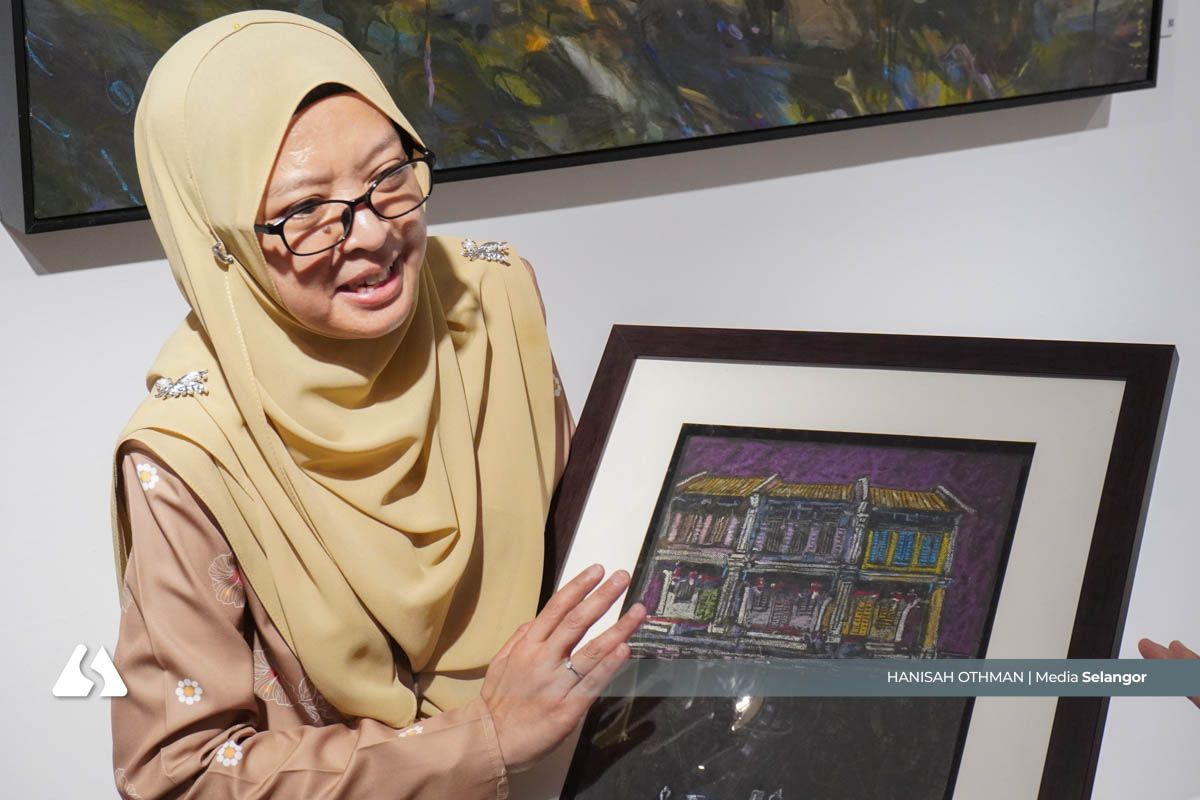
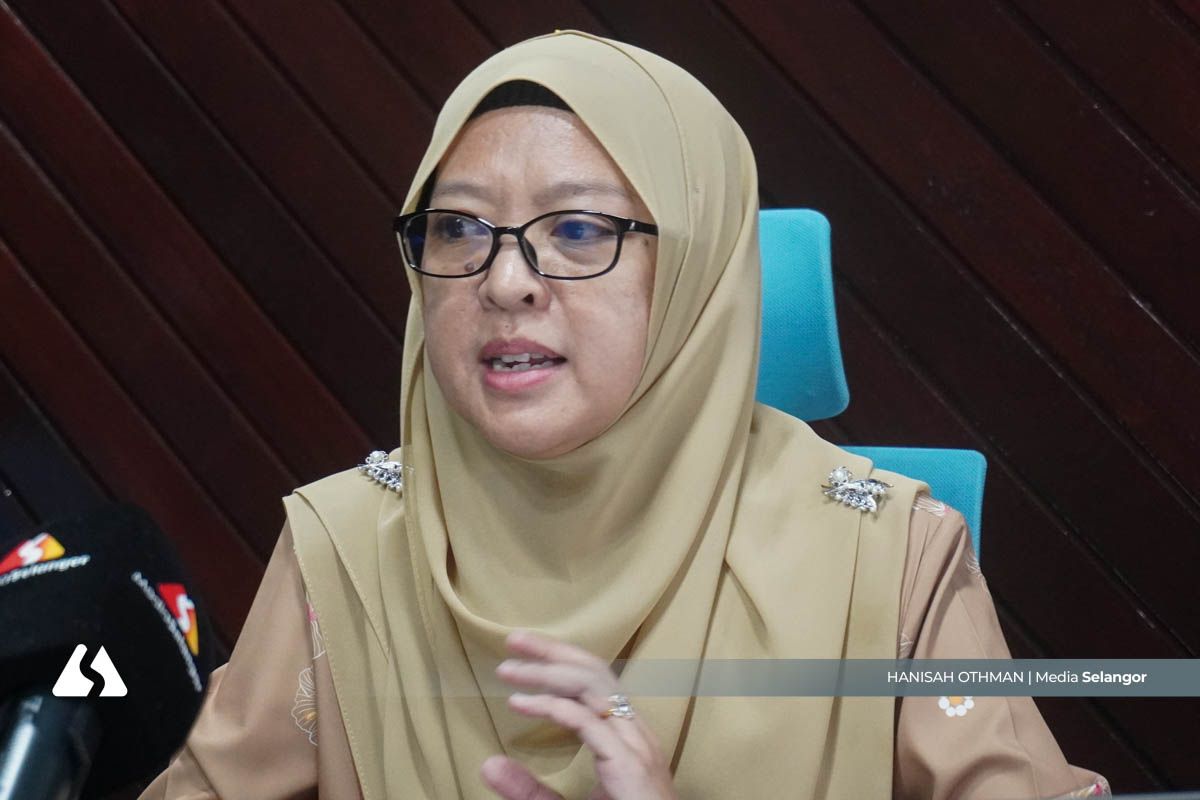
“There are almost 500 artworks, but their preservation is limited due to an unconducive space, disrupted airflow system, structural ageing, and incomplete facilities,” said the gallery's acting director Siti Nurani Adenan, who has served in that capacity for over two decades.
For an art gallery, storage space is not merely a storeroom; it is an archive holding history, collective memory and a trust for the future.
Nostalgia never fades. Artists miss the annual exhibitions that were once a staple event.
Curators and art lovers see it as an essential institution that must be saved. Amid the worry, there is hope. Many believe the Shah Alam Gallery can rise strong once again.
All the more so as the issue has received the attention of Sultan Sharafuddin, who is well known for his appreciation of the arts. The matter includes proposals to repurpose the former Shah Alam Currency Processing and Distribution Centre in Section 14 as the gallery’s new home.
Indeed, His Royal Highness has envisioned Selangor having an internationally recognised art institution that serves as a centre for education, exhibitions, documentation, and visual arts innovation.
Siti Nurani believes this initiative would not only strengthen the gallery’s role but also align with the state government’s aspirations to empower the creative and cultural economy as part of its development agenda.
“We hope that this new location will become an inclusive meeting space that brings together artists, students, educators, communities, and the public within a creative ecosystem that celebrates tradition, innovation, and cultural unity,” she said.
Its restoration is not simply an issue of aesthetics, but one of heritage and the future. Hopes are high for the gallery to once again function as an active art centre. It may be in a quiet phase now, but history shows that passion will always revive.
“This project is not easy. It involves a large allocation and depends on state approval.
"Even so, the gallery’s spirit and hopes remain high that His Royal Highness' vision can be realised for the future of the arts,” said Siti Nurani.