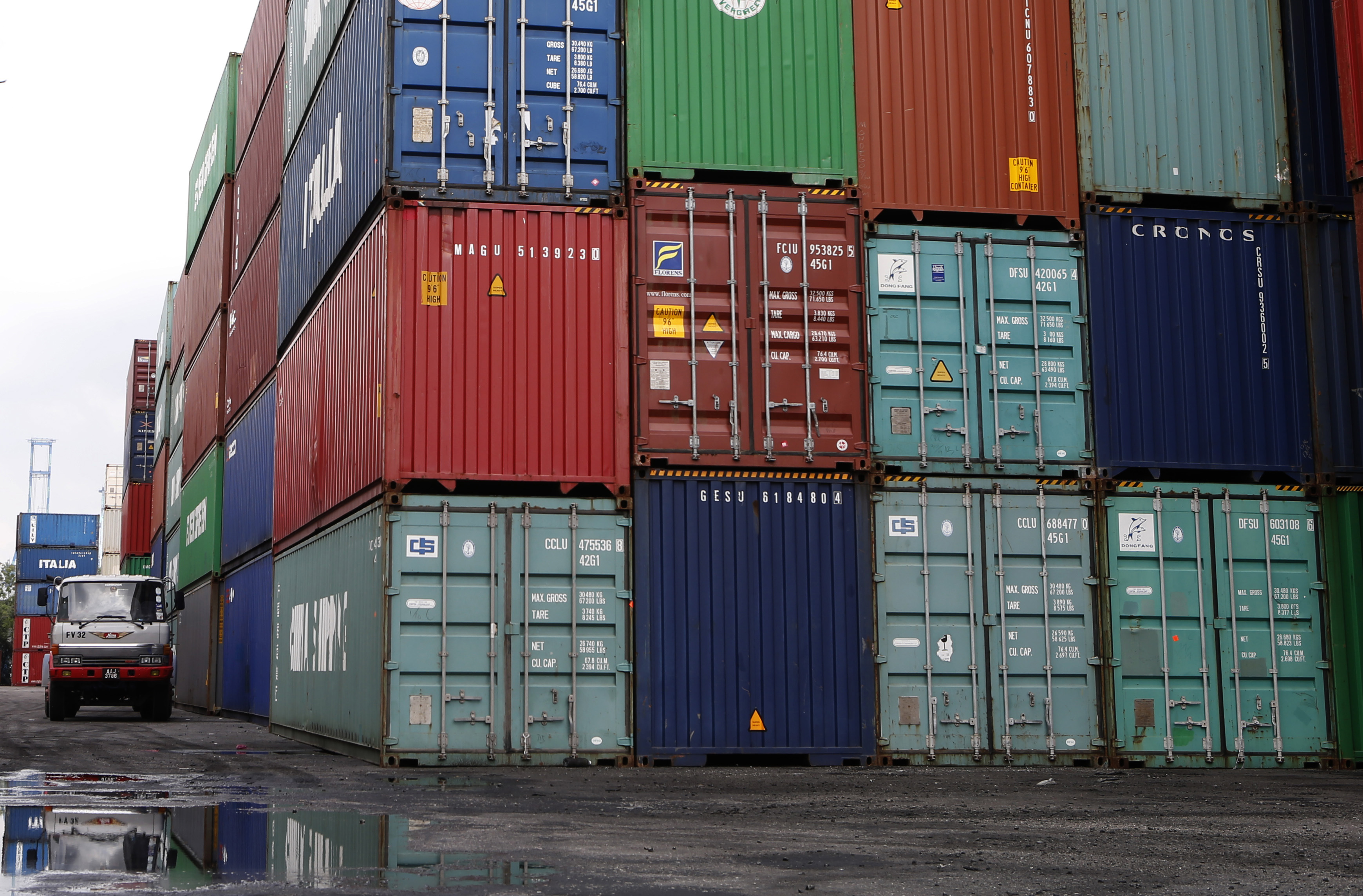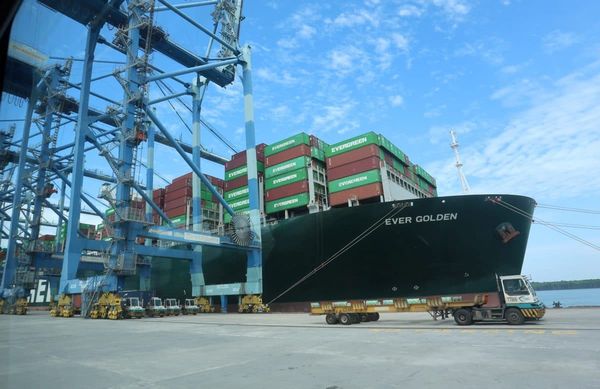
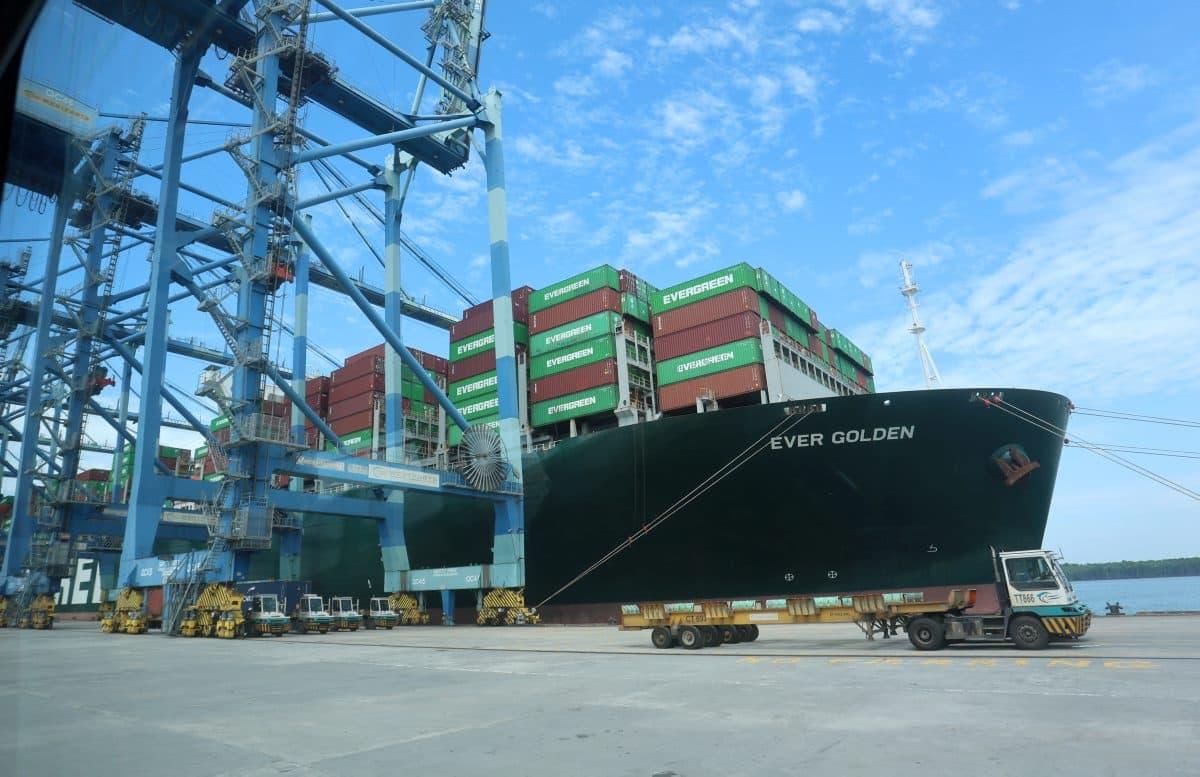
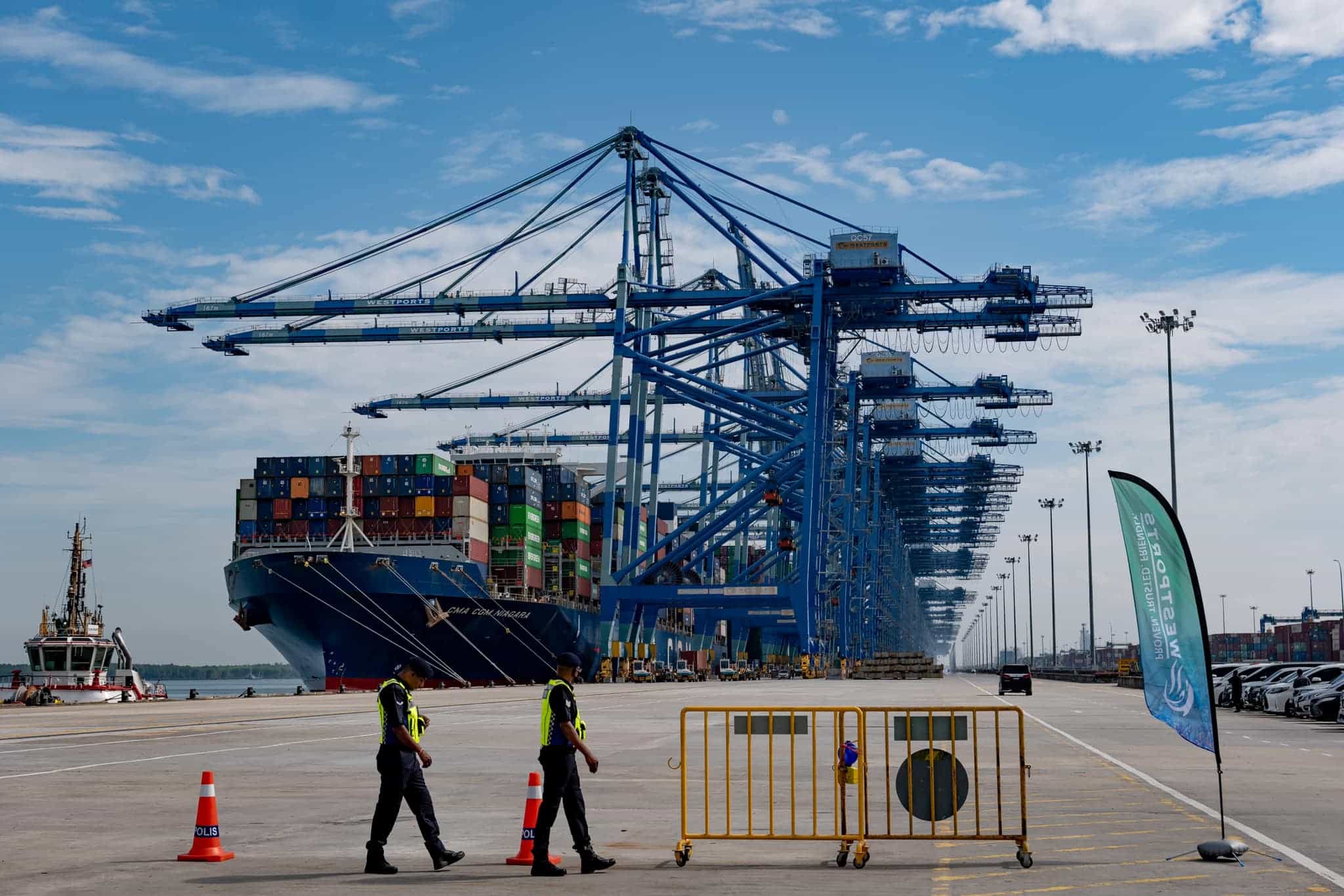
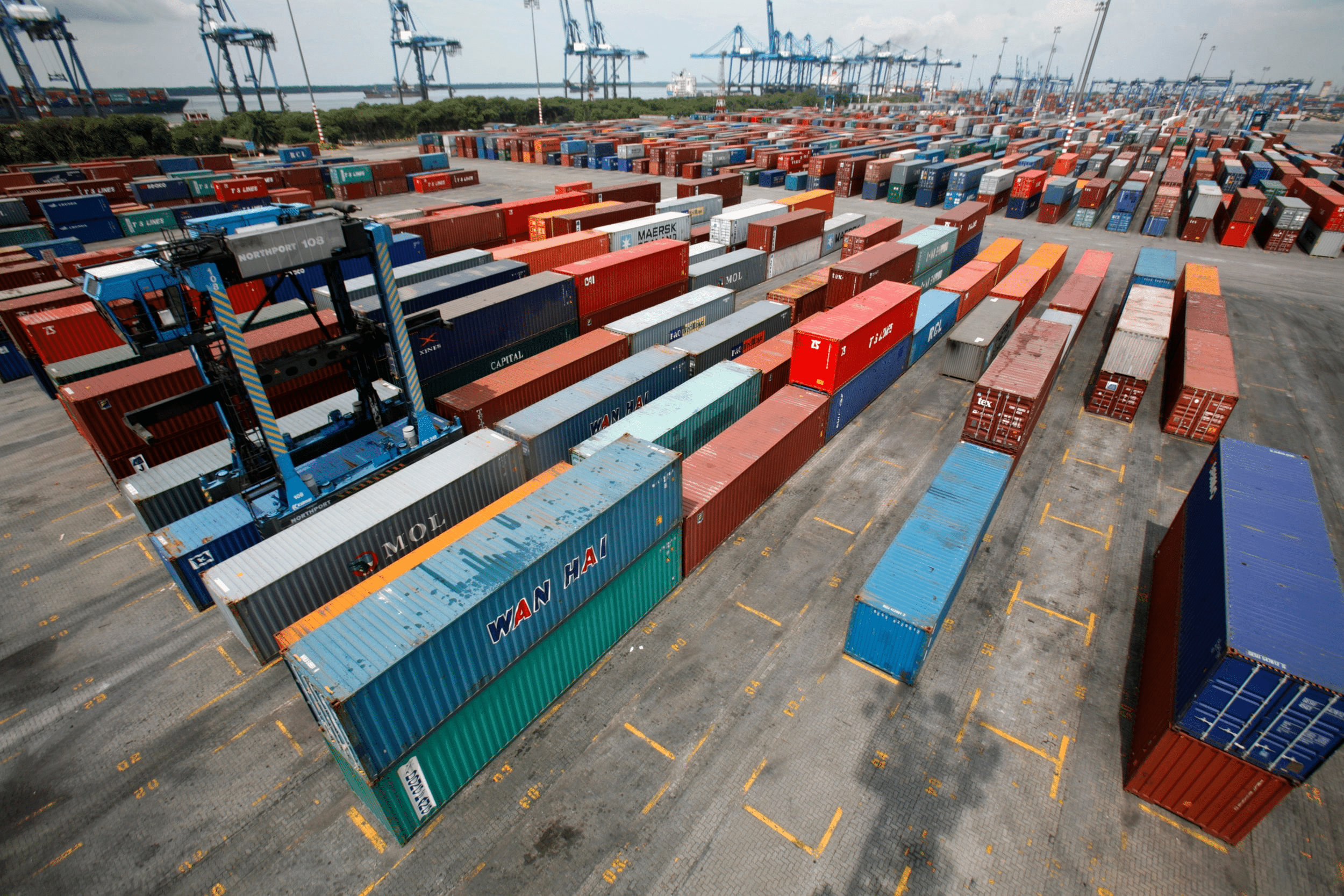
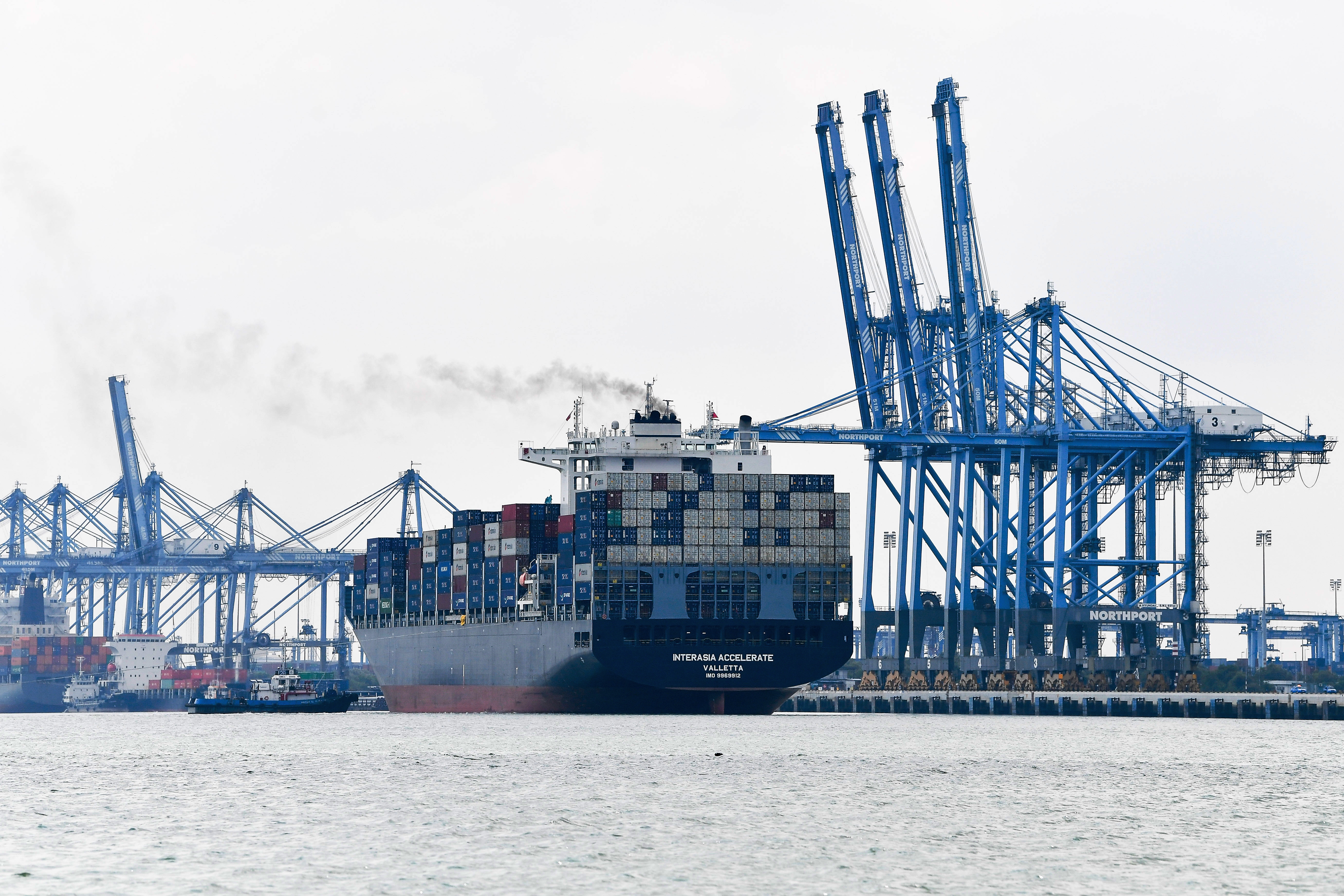
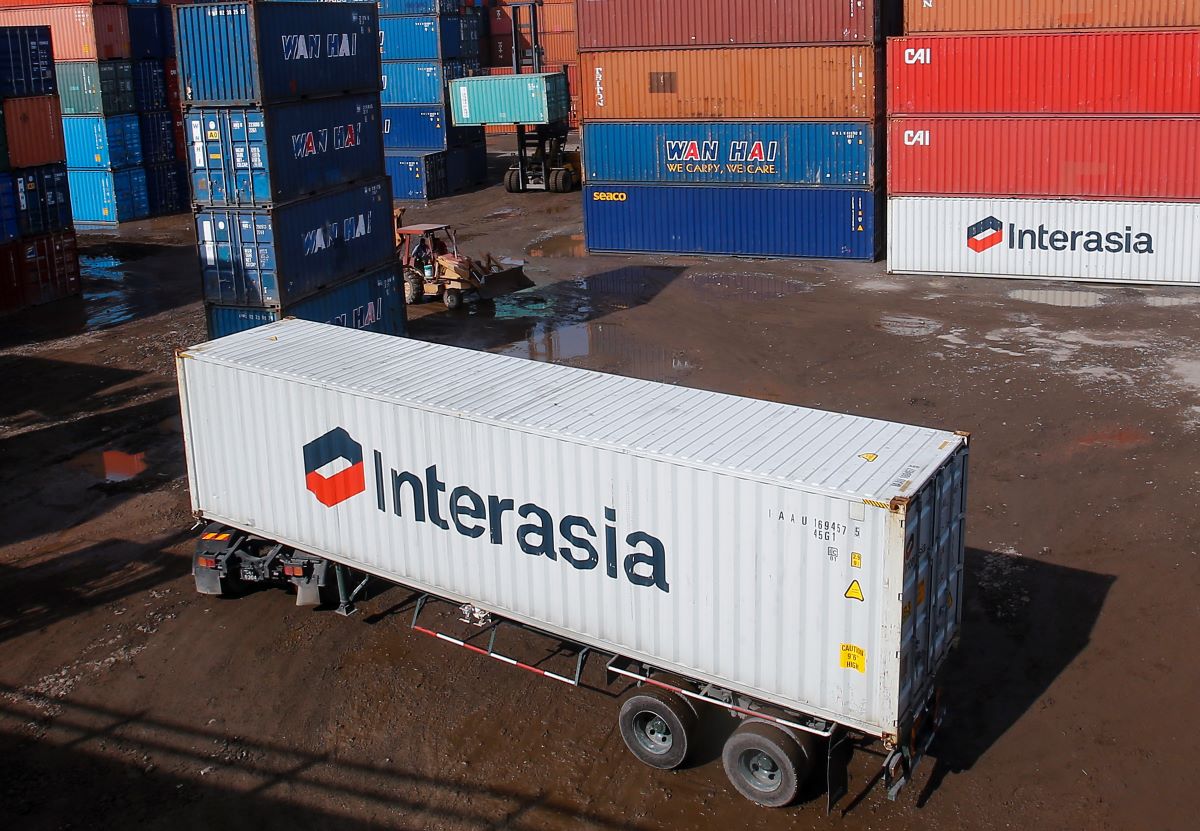
SHAH ALAM, Dec 10 — Port Klang has successfully entered the ranks of the world’s top ten busiest ports, but industry players caution that the real challenge is only beginning.
They stress that the government must advance simultaneously in three critical areas: talent, infrastructure, and planning, to secure and sustain its competitive position.
This includes enhancing talent development in the logistics sector, improving port-adjacent roads and connectivity infrastructure, and taking a more proactive role in overall port planning and long-term growth.
According to the Lloyd’s List Top 100 Ports 2025 ranking released on September 1, Port Klang climbed from 11th place in 2023 to 10th globally, its first time entering the top ten.
Speaking to Media Selangor, the Federation of Malaysian Freight Forwarders' (FMFF) president Datuk Tony Chia Han Teun said Port Klang’s entry into the global top ten is undoubtedly positive news, and one made possible by strong port infrastructure, favourable geographical positioning, and excellent international connectivity.
"However, we must view the ranking with caution. Port Klang is only 825,000 Twenty-foot Equivalent Units (TEU) ahead of its nearest competitor, the Port of Rotterdam in the Netherlands, which ranks 11th. Hong Kong also trails closely behind; competition remains extremely intense," he said.
Since 2021, global ports have been affected by various disruptions, including the Covid-19 pandemic, geopolitical tensions, and shifting tariff policies, which have brought both positive and negative impacts on port operations.
"Although existing port infrastructure can still cope with general cargo growth, delays in customs processing and supporting facilities have increasingly surfaced," Chia said.
While expansion works are ongoing at Westports, some crucial supporting infrastructure remains behind schedule, particularly coordination among Customs and enforcement agencies during cargo clearance.

Inefficient systems raise logistics costs
He added that systems such as the Supporting Documents for Import/Export (SDSIE) and MyCIEDS faced frequent delays during their early implementation stages due to poor system integration, resulting in rising storage, handling, and demurrage fees, which ultimately contributed to overall logistics delivery costs.
“I suggest that the Port Klang Authority look to the approach of the United States Federal Maritime Commission (FMC). If cargo cannot be released on time due to Customs or related agencies, carriers should waive demurrage charges, while storage and handling fees should also be exempted," Chia said.
He emphasised that as container throughput continues to rise, the entire port ecosystem must be upgraded in tandem or clearance delays will worsen.
The state government has long used Port Klang’s competitive edge as a key selling point to attract investors. However, because the port falls under Federal jurisdiction, development of related rail and road infrastructure is typically financed through Federal budgets.
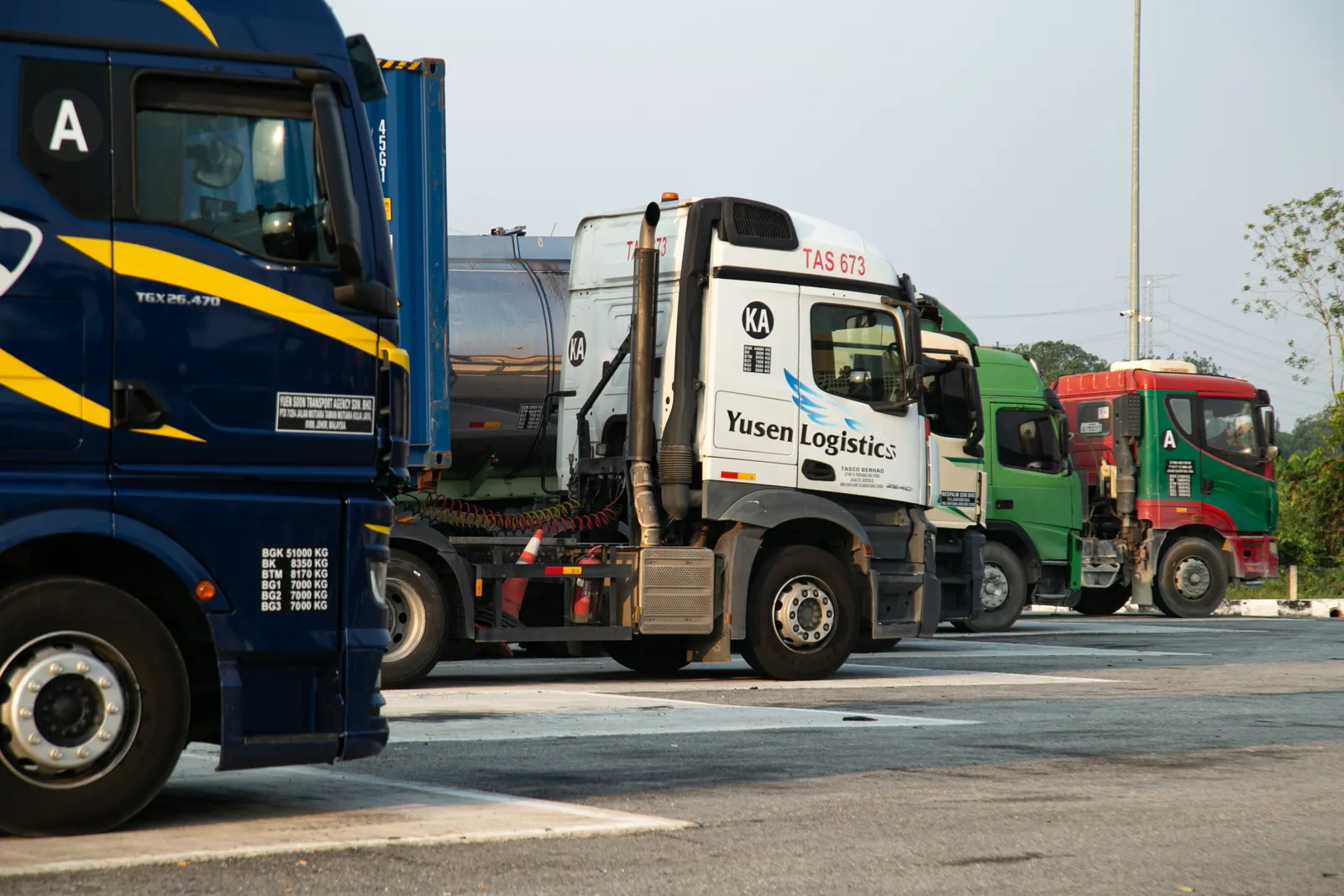
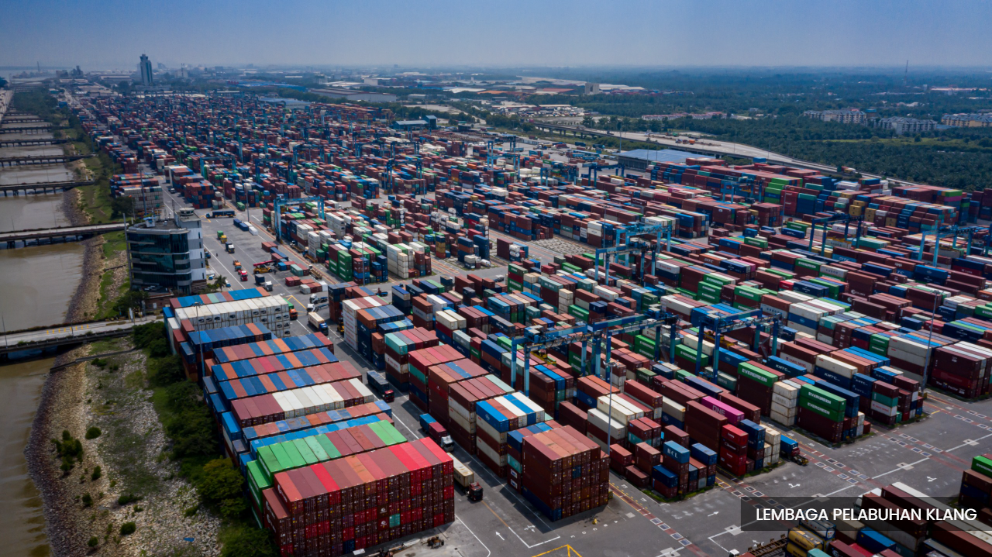
“Still, the state government can play a stronger role in zoning land for logistics and port-related purposes. At present, warehouses, container yards, and lorry parking areas are scattered across different sites, some even close to residential areas, lacking coherent planning," Chia said.
As such, he urged Selangor to take proactive steps to improve road and rail connections to the port, especially for 'last-mile' links, instead of relying solely on Federal allocations.
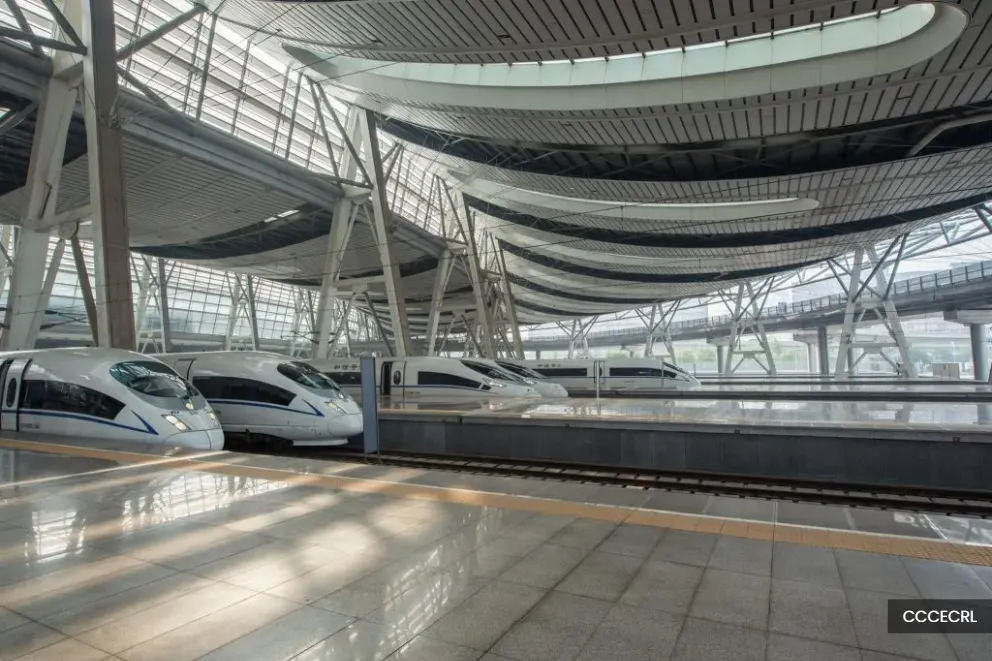
"Port Klang already has strong transport linkages across the peninsula through existing road and rail networks. Once the East Coast Rail Link (ECRL) becomes operational, overall port connectivity will be significantly enhanced," Chia said.

Efficiency improving, but structural issues remain
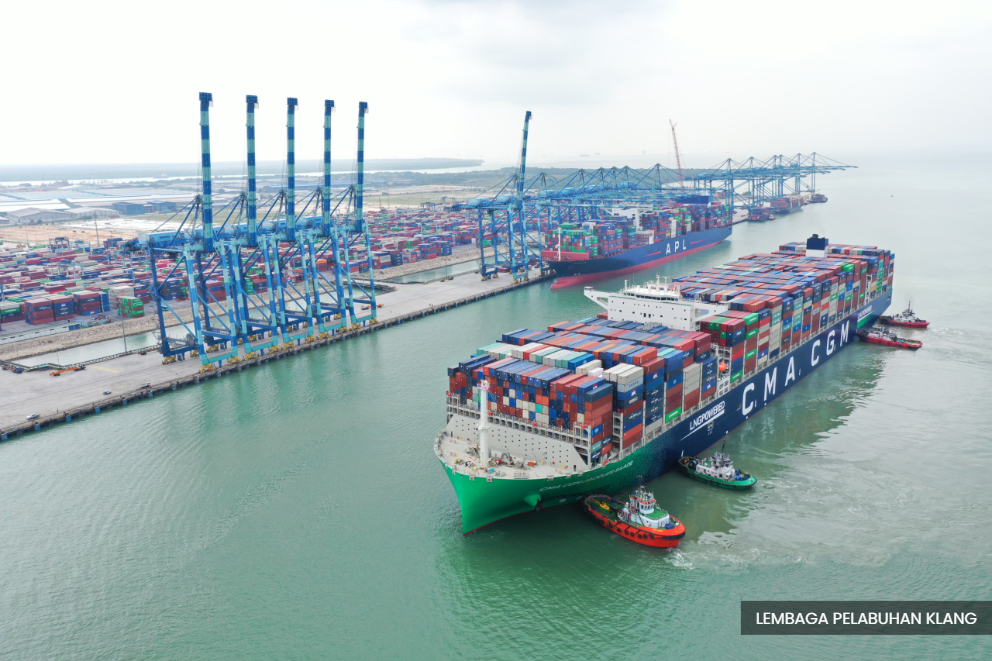
Meanwhile, the Selangor Freight Forwarders and Logistics Association's (SFFLA) president Alvin Chua Seng Wah noted that Port Klang has achieved significant progress in the past five years, handling 14.2 million containers in 2023, a roughly 14 per cent increase compared to 2019.
He said Singapore remains Port Klang’s biggest international competitor, but Vietnam’s port sector has also emerged rapidly, creating new challenges for regional competitiveness.
“The port’s single-window system and the Westports appointment system have reduced waiting times by 30 per cent to 40 per cent, helping ease congestion.”
“Port Klang’s transhipment charges are also 15 per cent to 20 per cent lower than Singapore’s, positioning it as a growing gateway for Malaysia’s trade with Europe," Chua said.
Traffic congestion, ageing systems pose dual challenges
However, he acknowledged that major roads leading to the port, such as the Federal Highway, frequently experience severe congestion. Even minor accidents can trigger long delays, greatly reducing operational efficiency.
"Rail freight usage remains low, but once the ECRL is completed, the situation is expected to improve," Chua said.
He added that current port clearance systems are outdated and still require extensive manual input, slowing down the clearance process and affecting overall operational efficiency.
“At the Federal level, the upcoming second-generation Maritime Single Window system is expected to integrate digitalisation efforts better and accelerate port-related processes," Chua said.
Talent development, policy leadership are essential
He noted that the SFFLA participates in Port Klang Authority and National Logistics Task Force meetings to discuss port, rail, and logistics matters — but these meetings are held only twice a year, insufficient for an industry undergoing rapid change.
"Port Klang is not only a vital hub for Selangor, but also a key logistics node for Malaysia and the Asean region. The state government can play a stronger and more proactive role by providing training programmes to develop logistics talent and taking the lead in policy initiatives," Chua said.
Port Klang’s competitive strength stems from its strong industrial base, and its operations have long since surpassed a purely transhipment-driven model. Singapore, on the other hand, is almost entirely dependent on transhipment.
“With the government preparing to move forward with the Port Klang Third Port development project, both Federal and state governments must play more active roles in bringing together stakeholders, including logistics players, to ensure the project’s successful implementation," he concluded.