
NEW YORK, Dec 27 — The US Food and Drug Administration is proposing that cosmetic products containing talc should be tested using standardised methods to detect asbestos, a potential contaminant, according to documents posted on the federal register yesterday.
Asbestos, a known human carcinogen, can be injurious to consumers if found in talc-containing cosmetic products as there is no established "safe level" threshold for exposure to the substance.
If finalised, the rule can help protect consumers from harmful exposure to asbestos, leading to fewer illnesses such as lung and ovarian cancers, the health regulator said.
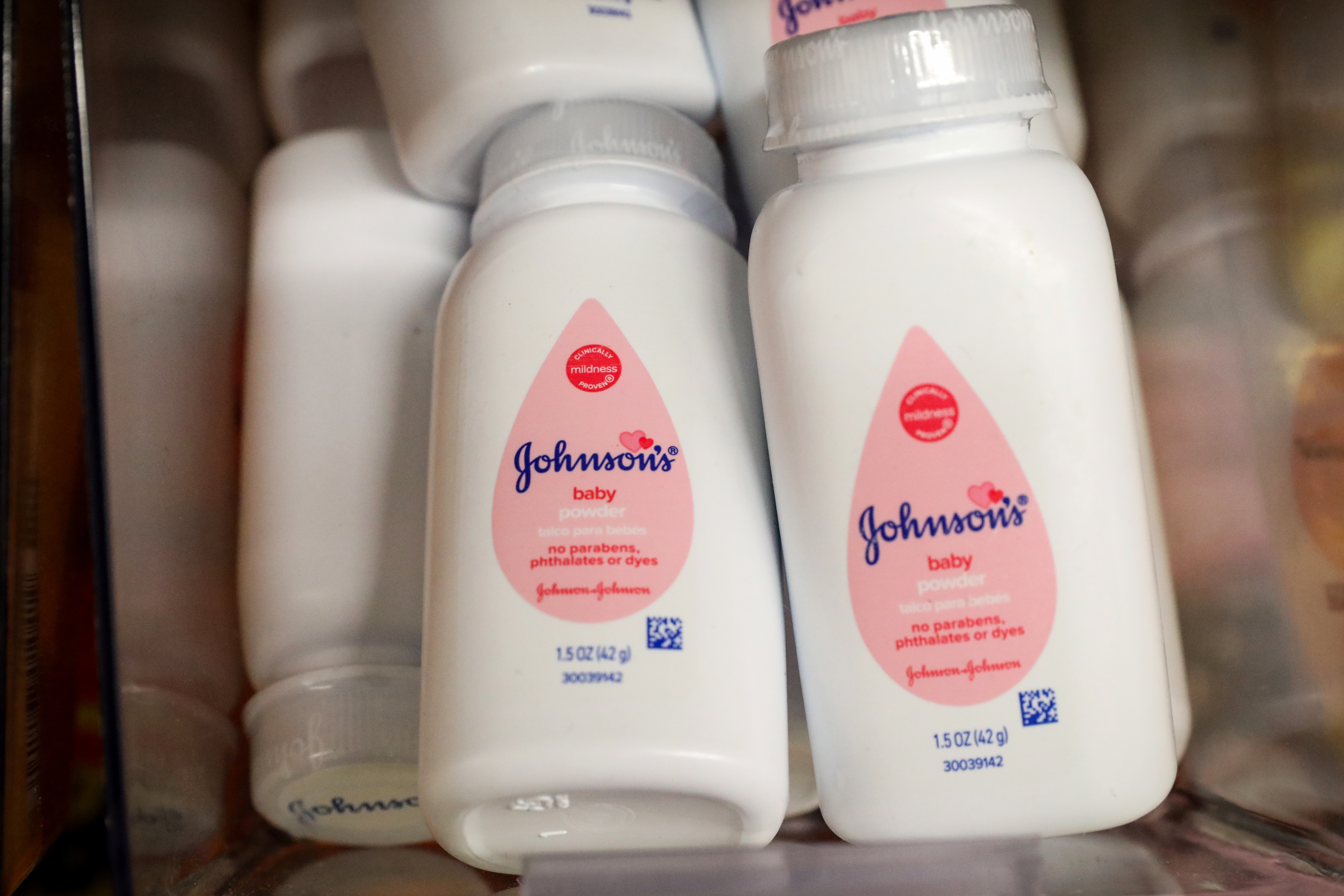
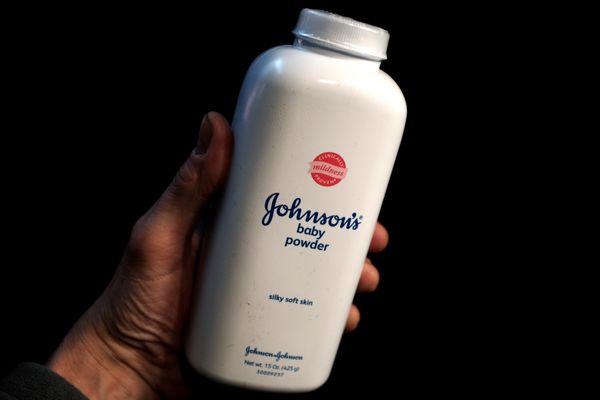
Johnson & Johnson is facing lawsuits from more than 62,000 claimants, who have alleged that the company's baby powder and other talc products were contaminated with asbestos and caused ovarian and other cancers.
The healthcare giant seeks to resolve the claims through an approximately US$10 billion (RM45 billion) settlement in bankruptcy. It has denied the allegations and called its products safe.
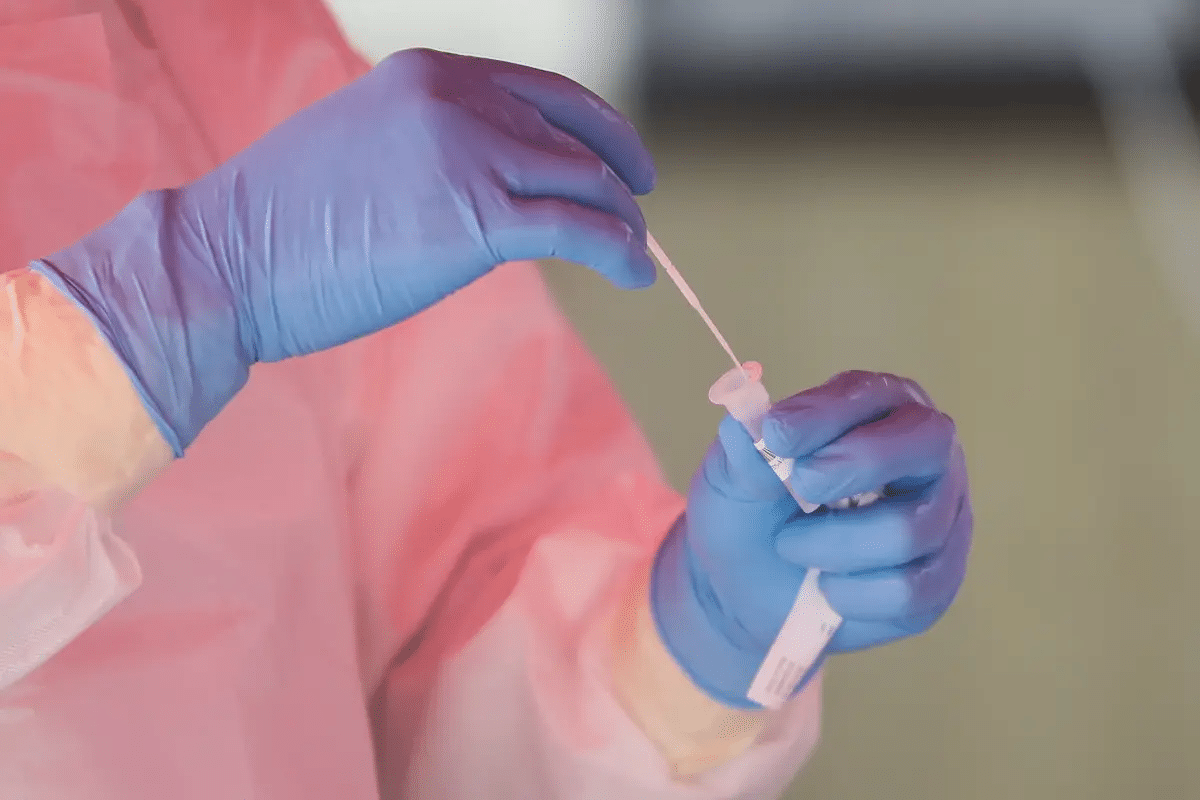
In its proposed rule, the FDA would require manufacturers to test a sample of each batch of a talc-containing cosmetic product for asbestos by using methods such as polarised light and transmission electron microscopy, which produces images by illuminating samples with an electron beam.
If the manufacturer fails to comply with testing and record-keeping requirements, the proposed rule allows the FDA to declare that product as adulterated under the Federal Food, Drug, and Cosmetic Act.
The FDA is seeking comments on the proposed rule from the public and industry representatives for the next 90 days before finalising the requirements.
— Reuters