
By Amin Ridzuan Ishak
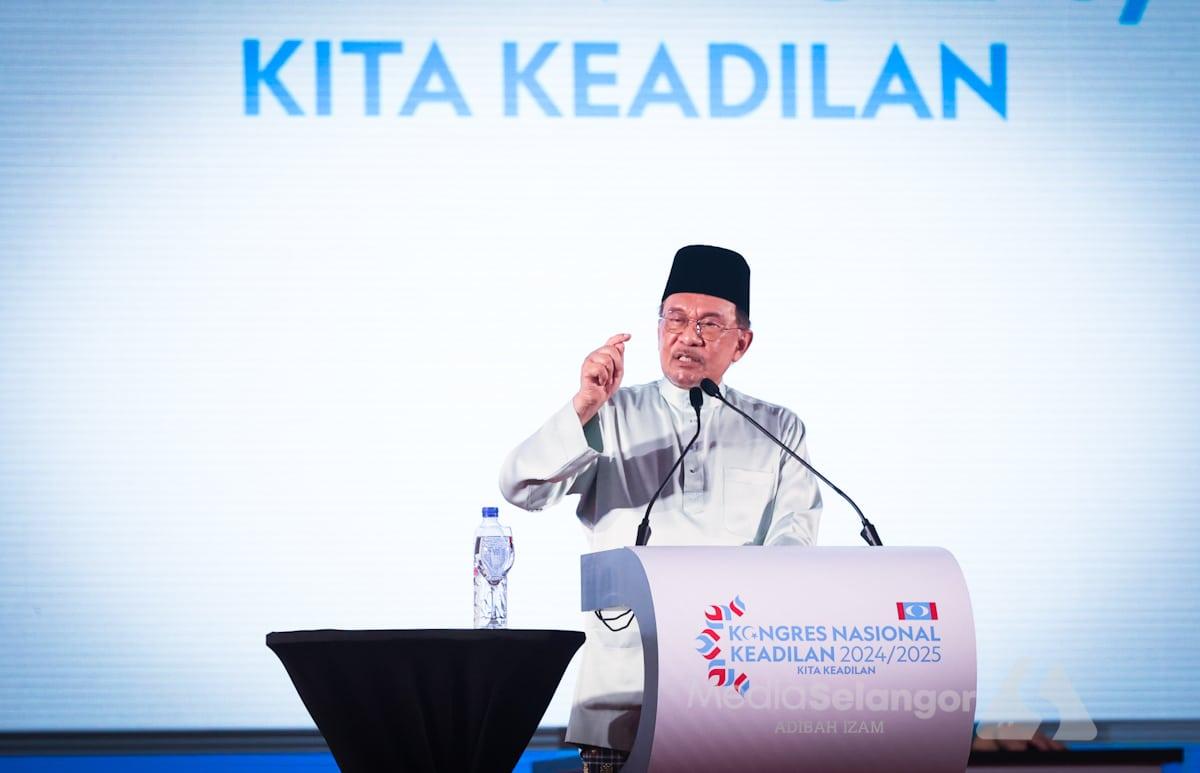
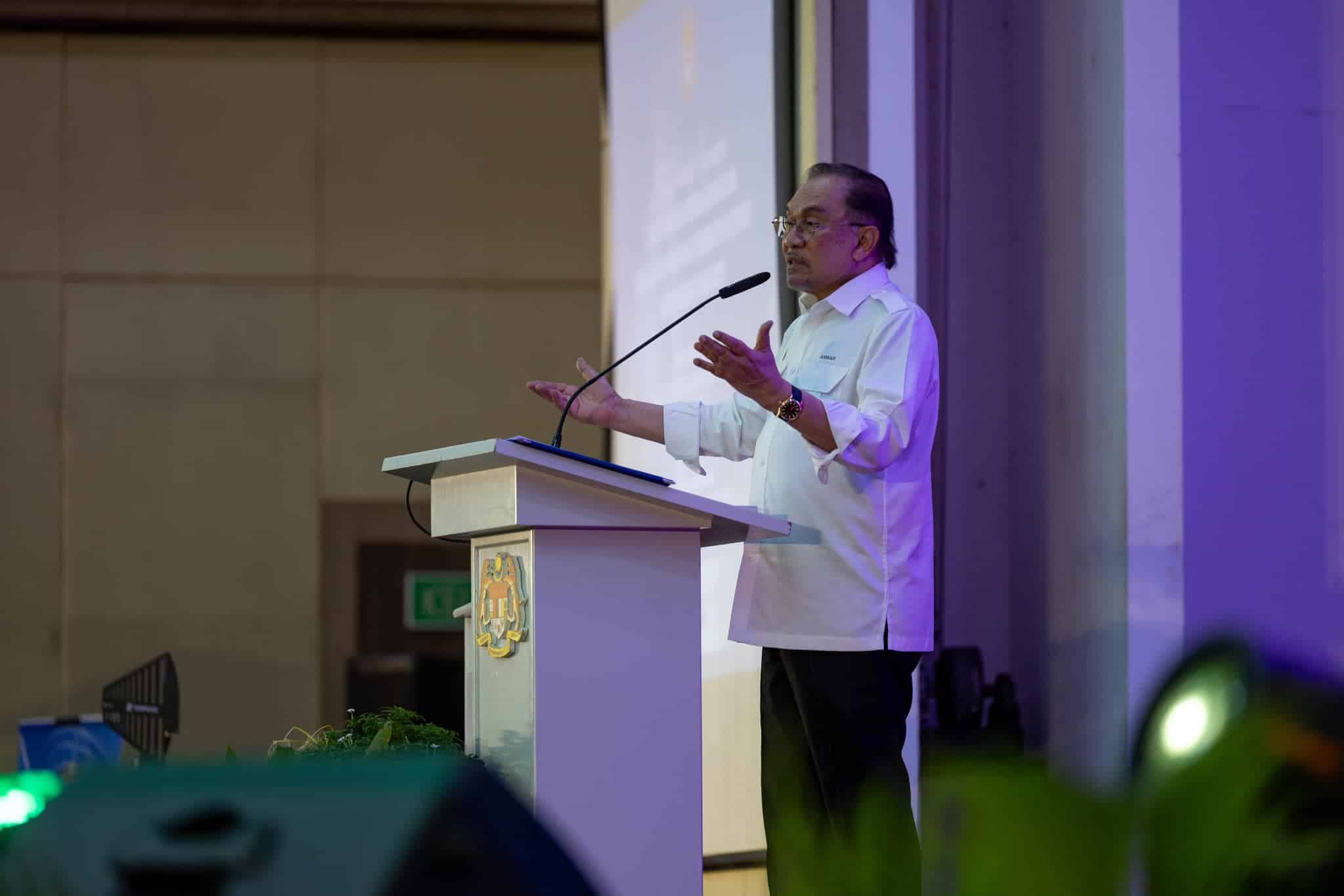
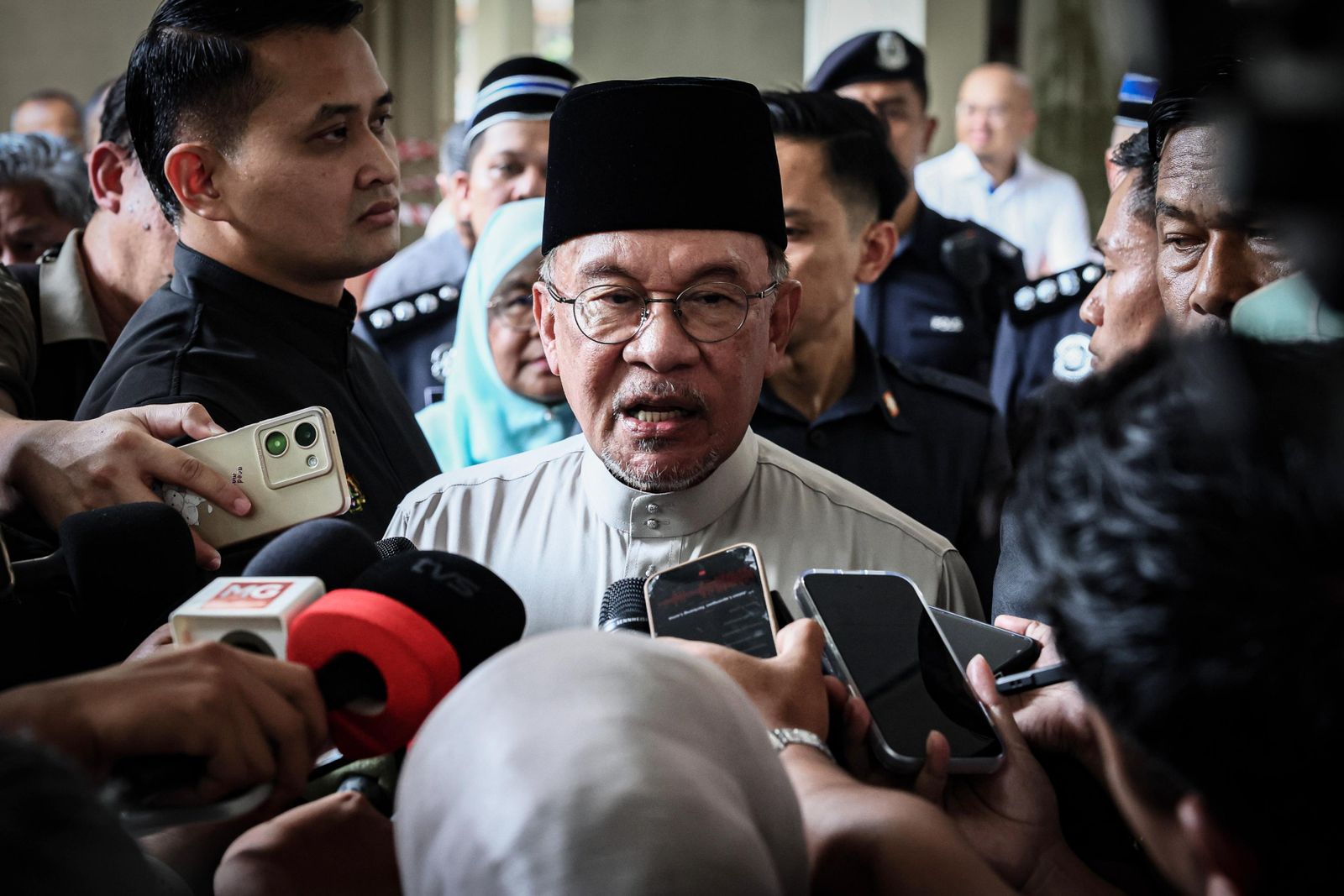
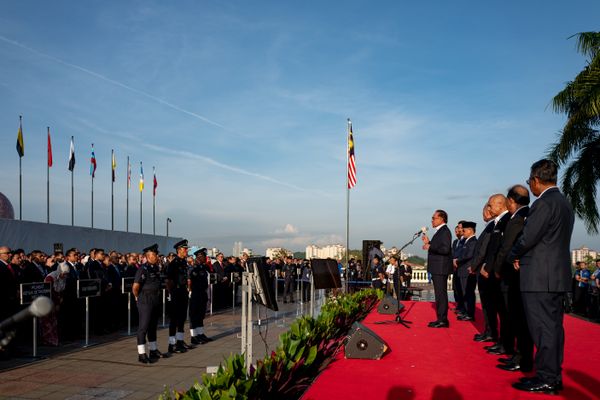
THE doubts and drama in the five days following the country's 15th general elections (GE15) — where no coalition was able to secure a simple majority to be declared the winner — deadened on November 24 when Datuk Seri Anwar Ibrahim took his oath of office as Malaysia's 10th Prime Minister.
With the backing of 148 members of parliament from his own coalition Pakatan Harapan (Harapan) and Barisan Nasional (BN), Gabungan Parti Sarawak (GPS), Gabungan Rakyat Sabah (GRS), Parti Warisan Sabah (Warisan), Parti Kesejahteraan Demokratik Masyarakat (PKDM), Malaysian United Democratic Alliance (Muda) and Parti Bangsa Malaysia (PBM), Anwar began the task to set things right.
On top of his list was to reduce the country's spending and regain the people's trust.
Anwar picked a lean Cabinet of 28 ministers, took on the portfolio of finance, and between December 3 and 10, appointed 27 deputies to help fight the good fight.
In the time between February 2020 and November 2022 when Tan Sri Muhyiddin Yassin and Datuk Seri Ismail Sabri Yaakob successively led the country, a total of 32 ministers and 38 deputies were appointed. Covid-19 was rife at the time, and the people cried foul when more money seemed to go towards the salary of the ministers instead of towards fighting the viral scourge.
Anwar made it known he did not want a salary. Neither did he approve the purchase of a Mercedes S600 for his personal use as the head of government.
His ministers followed suit with his austerity measures and agreed to slash their pay by 20 per cent.
And for the first time, a deputy prime minister was chosen from the East Malaysia bloc, a promise fulfilled by Harapan to the people of Sabah and Sarawak, highlighting Anwar's recognition of the two states as partners.
Datuk Seri Fadillah Yusof, the deputy president of Parti Pesaka Bumiputera Bersatu, assumed that position, and also that of Minister of Plantation and Commodities.
Umno president Datuk Seri Dr Ahmad Zahid Hamidi, already the Minister of Rural and Regional Development, was also made a deputy.
Anwar also appointed Petronas advisor Tan Sri Mohd Hassan Marican to head a team of five economic experts to advise the Finance Ministry.
To ensure continued political stability, a Memorandum of Understanding was signed between the political parties that backed Anwar on December 16, resulting in the formation of a Unity Government to represent the ruling coalition at the Parliament's 15th session.
Proven support
Although the Opposition did not call for a bloc vote for the newly-minted prime minister to show he had the backing of parliamentarians, Anwar still convened parliament to prove his twothirds majority.
This stemmed from Muhyiddin’s challenge to him to do so, even though the Perikatan Nasional (PN) chairman had earlier refused to do the same when faced with a similar situation at the Dewan Rakyat.
As Prime Minister, Anwar did not choose favourites. When flood waters rose and inundated many parts of Kelantan and Terengganu in December, he announced a RM100 million allocation for the people there and for speeding up mitigation projects.
Anwar, too, maintained his appreciation of Sabah and Sarawak as allies and equal partners. This keeps the hope of The Malaysia Agreement of 1963 alive.
When he took over Seri Perdana, the official residence of the prime minister in Putrajaya, Anwar opened its doors to religious programmes in the hope of dousing the flames of racial tension that were ignited by some quarters during GE15.
Then, political turmoil in Sabah unfolded.
On January 6, Datuk Seri Bung Moktar Radin, the BN chief of Sabah, withdrew his support for GRS's Datuk Seri Hajiji Noor as chief minister. Anwar stepped in to defuse the crisis, gave his blessings for Hajiji to remain in the position, and Bung acquiesced.
On February 7, Anwar announced the formation of the Unity Government Secretariat to close ranks with opposing minds and ensure policies will be mutually agreed upon. After a 25-year hiatus, he returned to the Umno headquarters to chair the secretariat's first meeting.
Public confidence in Anwar rose. A Merdeka Center survey showed the prime minister receiving a 68 per cent rating approval from 1,209 respondents. In another survey from December 26 to January 15, some 54 per cent of respondents said they were satisfied with the performance of the Unity Government.
This article first appeared in the Selangor Journal monthly March edition, published on March 6, 2023.