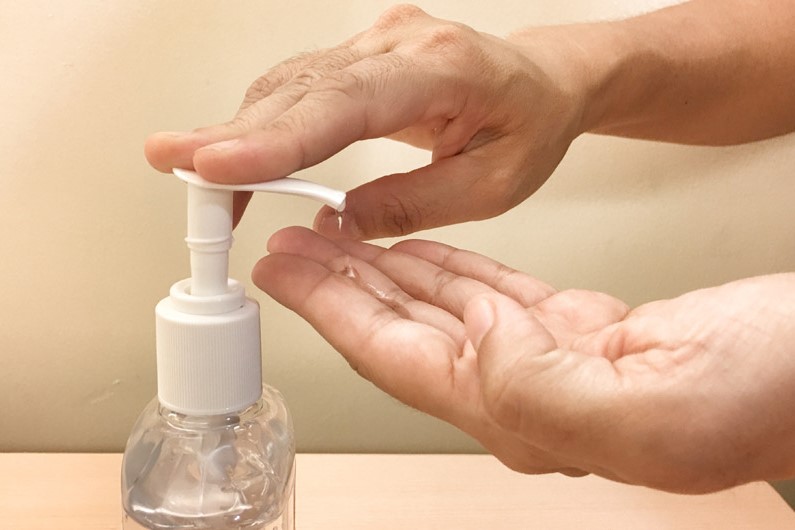
 File Picture
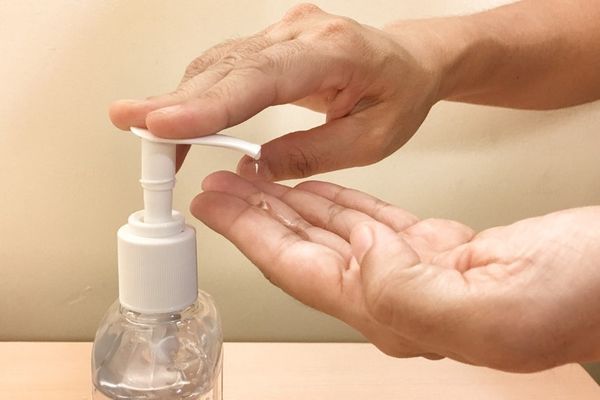
KUALA LUMPUR, Feb 3 — The overwhelming demand for hand sanitisers in view of the new coronavirus outbreak has led to many pharmacies running out of stock.
However, the question is, do people really need to use this cleansing agent to protect themselves against the 2019 novel coronavirus (2019-nCoV)?
Allaying public fears over the shortage of hand sanitisers in the market, Dr Rosnida Mohd Noh, an expert in internal medicine and infectious diseases, said there is nothing to panic about because washing one's hands properly with soap and water is still the most effective way to prevent infection.
"There are two ways to cleanse one's hands to prevent infection by any virus, including the coronavirus. Washing your hands regularly with soap and water is one way, while the other way to keep your hands clean is by using a hand sanitiser containing at least 60 per cent alcohol," said Dr Rosnida, who is attached to the Faculty of Medicine, Universiti Teknologi MARA.
There is no reason to hit the panic button just because the stores are running out of sanitisers.
"All we have to do is to make sure we wash our hands regularly with soap and water, each time scrubbing our hands for at least 20 seconds to prevent any infection. This, in fact, is the most effective way to cleanse our hands. It is something that is easy and convenient to do on a daily basis," she told Bernama.
At Least 60 Per Cent Alcohol Content
Dr Rosnida also pointed out that in the case of hand sanitisers, it would be more effective to use one that contains at least 60 per cent alcohol rather than those with lower or zero alcohol content.
According to the website of the US-based Centers for Disease Control and Prevention, hand sanitisers without 60 to 95 per cent alcohol "may not work equally well for many types of germs; and merely reduce the growth of germs rather than kill them outright".
It said although hand sanitisers containing more than 60 per cent alcohol can inactivate many types of microbes very effectively when used correctly, "people may not use a large enough volume of the sanitiser or may wipe it off before it has dried".
On the use of wet wipes to cleanse one's hands, Dr Rosnida said no authority, including the World Health Organisation (WHO), or health practitioner has recommended it as a means to prevent infections.
After coronavirus was detected in Wuhan, China, in December 2019, 9,356 cases of infection and 213 deaths were reported as of Jan 31, according to Chinese media reports.
On January 31, the South China Morning Post reported that over the past 24 hours, more than 1,200 new cases were recorded in 17 cities in China.
Public Health Emergency
Meanwhile, WHO has reported 98 coronavirus cases in 18 other countries, including eight human-to-human transmissions in four countries, namely Germany, Japan, Vietnam and the United States.
In Malaysia, eight positive coronavirus cases were reported as of January 31, with all the patients involved being Chinese citizens.
Amid the rising spread of the coronavirus, WHO declared the virus outbreak a public health emergency of international concern on January 30.
The outbreak has increased public awareness on the importance of practising a high standard of personal hygiene. Hopefully, maintaining good hygiene will become a way of life for the general public as it is certainly not something that should only be observed "seasonally" when there is an outbreak of a disease.
— Bernama