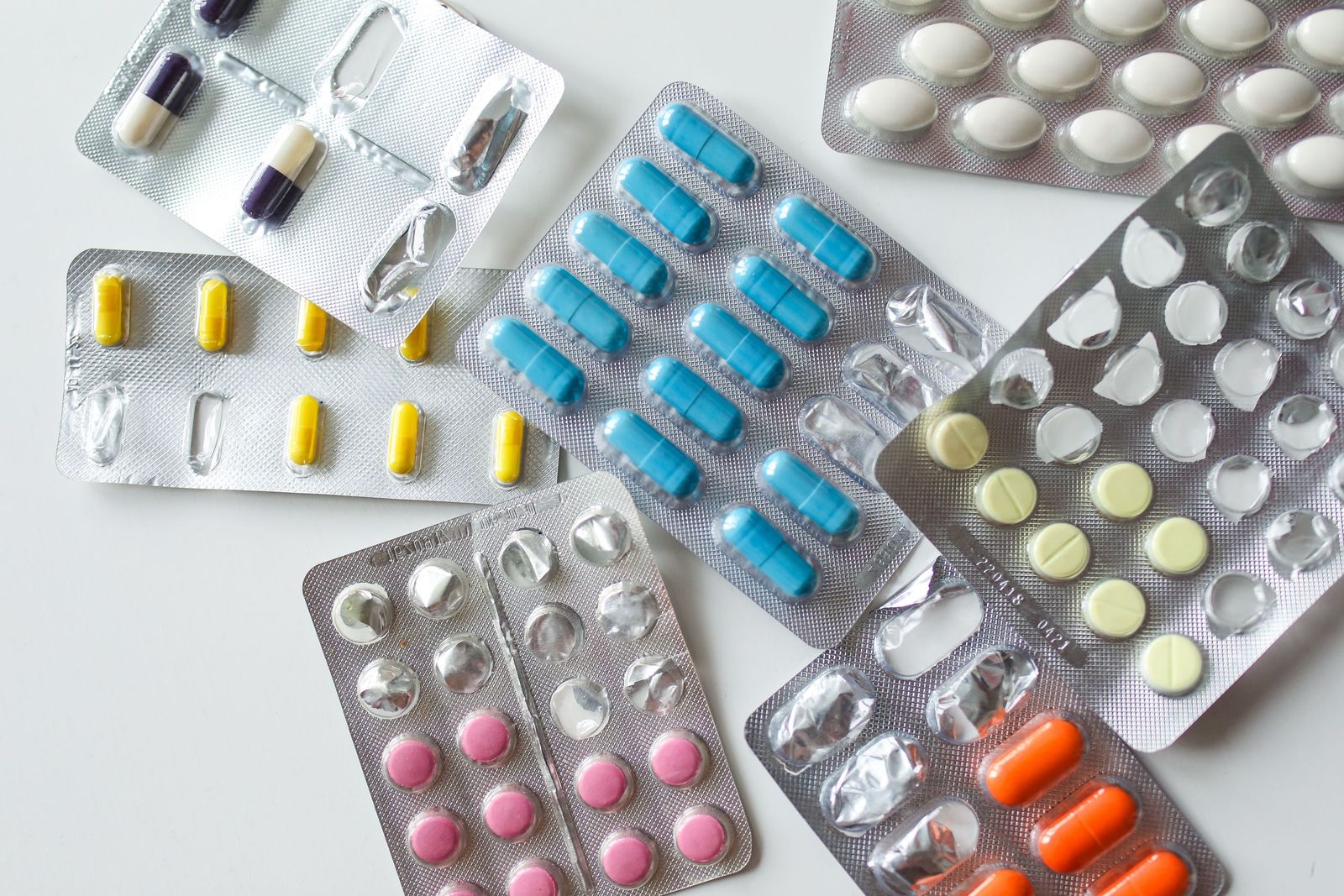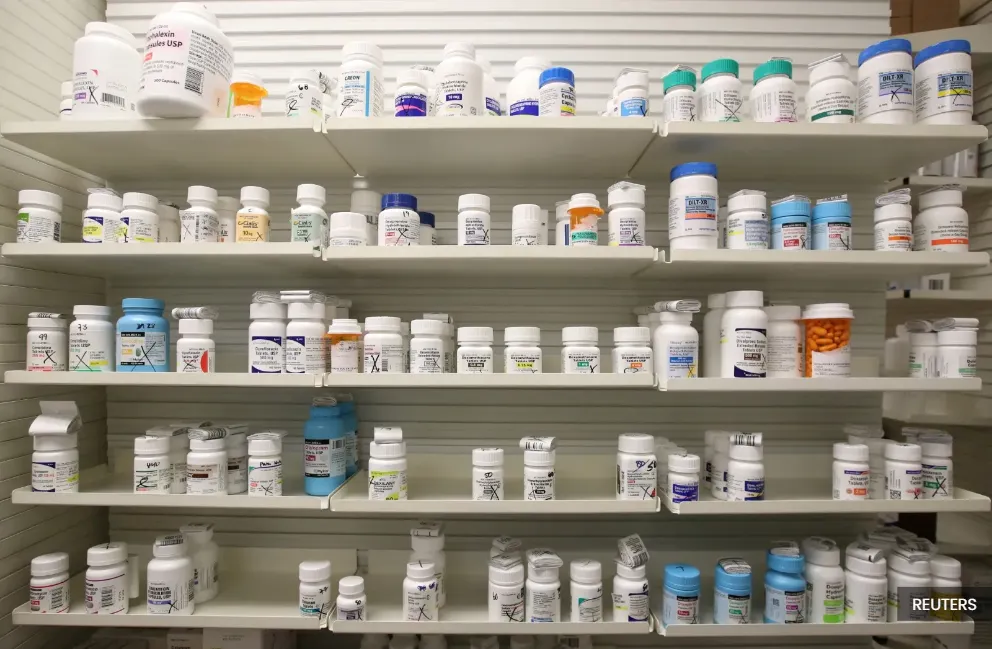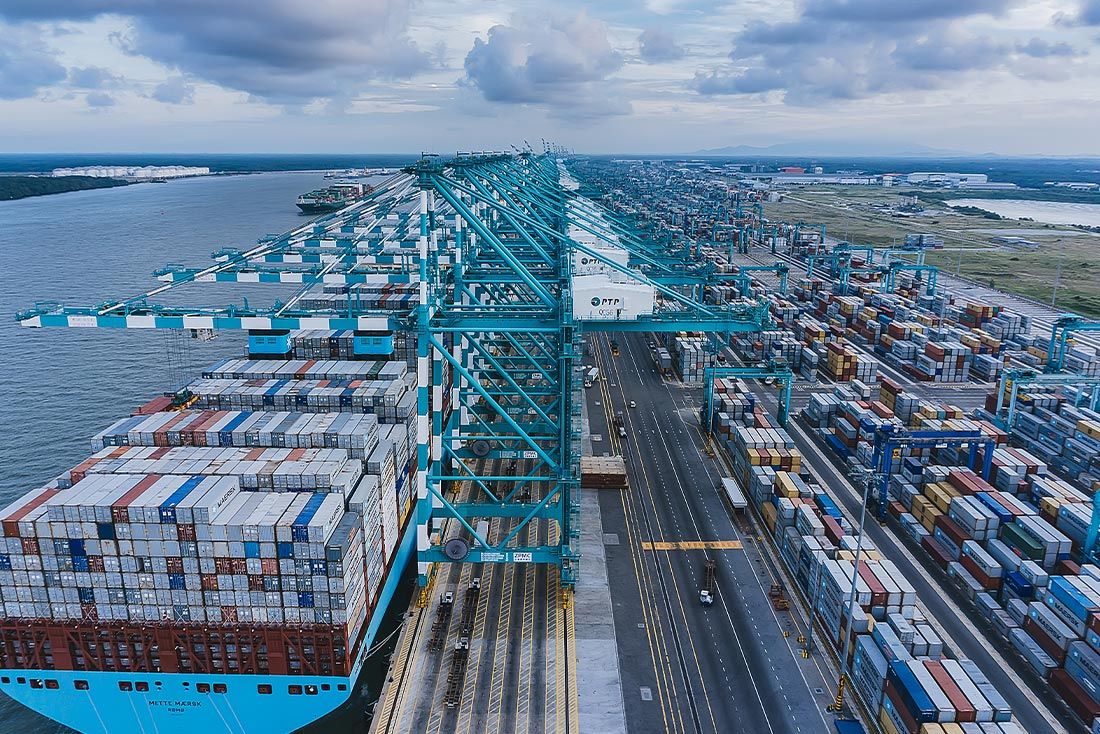

SHAH ALAM, April 8 — Malaysia’s supply of pharmaceuticals is stable for now, with manufacturers holding sufficient stocks of key raw materials and finished medicines despite early signs of rising costs and global supply concerns, said the Malaysian Organisation of Pharmaceutical Industries (MOPI).
It added that companies are maintaining an average of about three months’ supply of active pharmaceutical ingredients (APIs) and excipients, alongside roughly two months of finished pharmaceutical products, The Star reported.
According to MOPI, these stock levels provide a buffer that supports the continued availability of locally manufactured essential medicines in the near term.
“There are no significant supply disruptions or shortages reported. However, there are early signs of price increases of APIs and plastic packaging materials as well as diesel and logistics costs.
“There are also some challenges in logistics, particularly for exports to certain regions. At this stage, there are no specific medicines identified as being disproportionately affected,” it said, as quoted by the English-language daily.
The organisation however said as Malaysia’s pharmaceutical manufacturing sector depends heavily on imported raw materials such as APIs and excipients, prolonged disruptions in global supply chains could potentially affect a wide range of medicines.
In March, the Health Ministry (MOH) said the country’s medicine supply is stable and well managed, with the short-term impact of the Middle East conflict considered minimal.
The ministry added that medicine stock levels at its healthcare facilities are being maintained between one and three months based on consumption needs. This is supported by additional buffer stocks of up to two months held by concessionaires responsible for logistics and supply.
On mitigation, MOPI said the industry has started taking precautions, including by increasing inventory and arranging forward purchases of raw materials.
It also stressed the importance of close coordination between industry players and the MOH, especially in monitoring stocks of essential medicines, ensuring flexibility in sourcing alternative raw materials, and prioritising supply for the domestic market to maintain continuity of essential medicines.
MOPI also clarified that it is not a supplier to the MOH but a trade association representing Malaysia’s local pharmaceutical manufacturing industry that works closely with the ministry.
Meanwhile, Malaysian Association of Pharmaceutical Suppliers (MAPS) president Lim Teng Chyuan said medicine supply sources remain diverse as most members import generic pharmaceutical products.
He said the association’s 38 members collectively source medicines from suppliers in 40 countries across five continents, covering around 270 suppliers and about 2,000 products.
“India, South Korea, Thailand and Germany are the primary supplier nations we engage with. India accounts for 30 per cent of our suppliers in terms of the number of companies and an even larger proportion when considering the variety of products,” he said, reported The Star.
Lim added that current concerns relate to rising costs and the possibility that supplier countries could impose export restrictions to safeguard their own medicine security.
“The cost of freight has increased by around 20 per cent, and in some cases, it has risen even higher, by 70 per cent in cold chain transport, according to feedback. Operational costs are also increasing.
“Most significantly, salespeople do not use (BUDI95/BUDI Diesel) quotas for travelling on company business, and the cost of fuel for companies is escalating very quickly,” Lim said, adding that industry associations are collecting data and information to prioritise essential drugs and single-source products.