RIO DE JANEIRO, April 7 — Surging energy prices could scupper a popular Brazilian programme that provides free cooking gas to around 50 million people, fuel distributors, resellers and analysts warned, six months ahead of a presidential election.
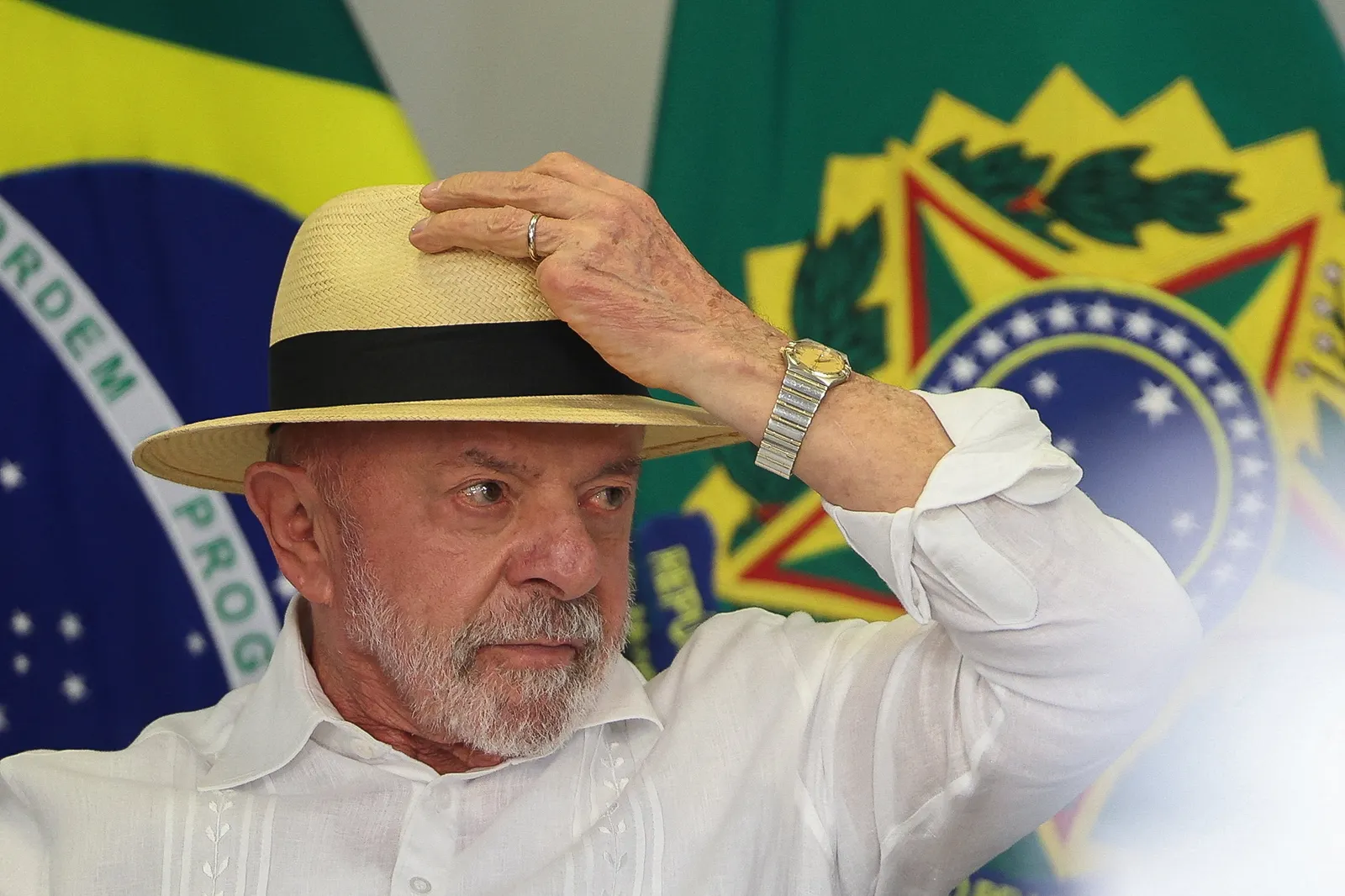
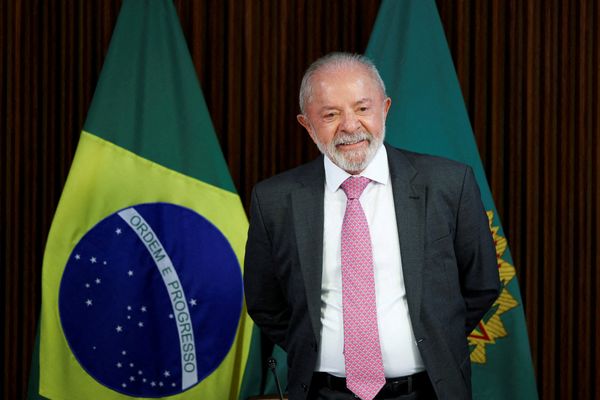
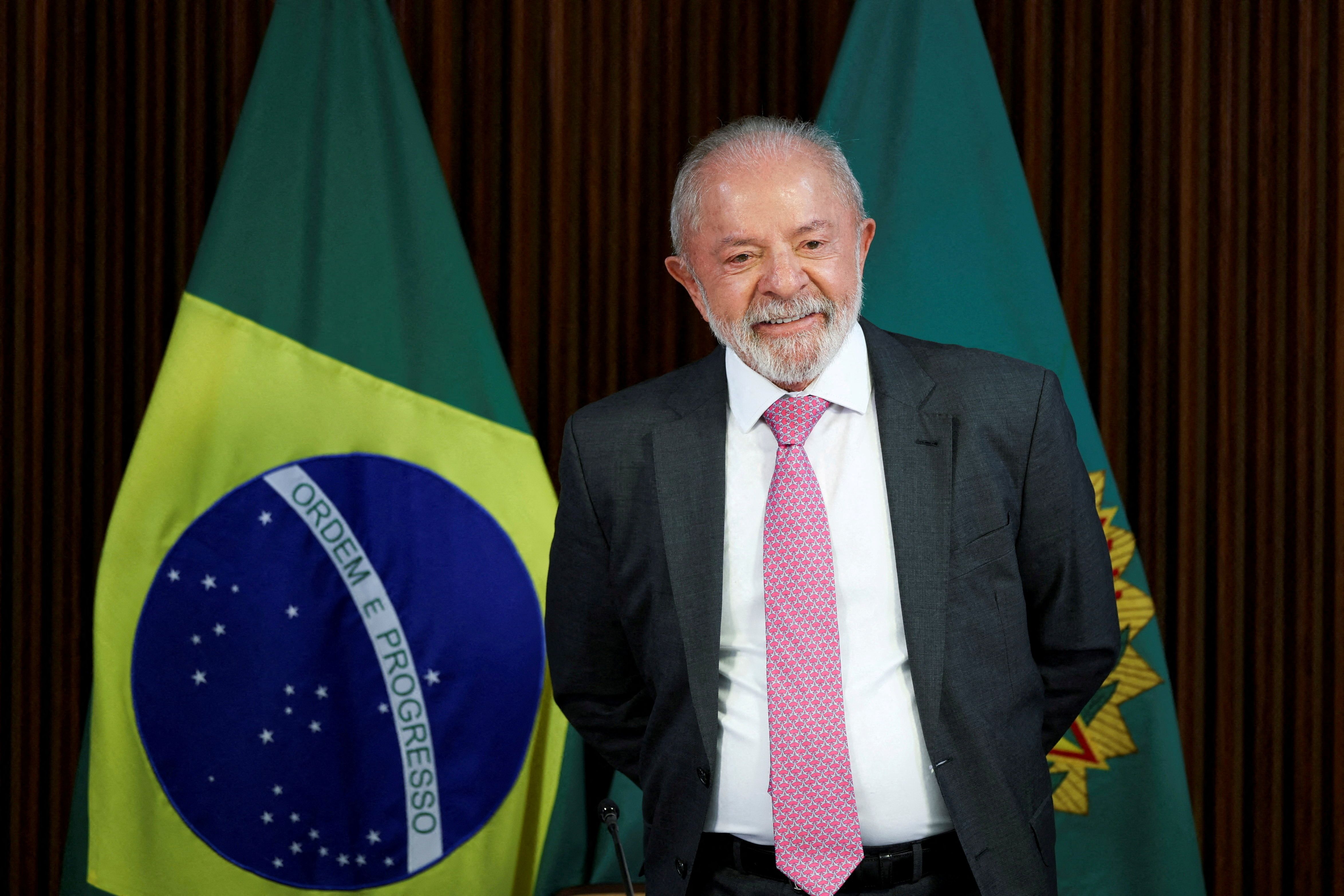
President Luiz Inacio Lula da Silva launched the “People’s Gas” programme as his flagship energy initiative in November as he was gearing up to seek reelection in October.
The United States-Israel war on Iran has sharply increased liquefied petroleum gas (LPG) prices in Brazil. After an auction by state energy firm Petrobras drew premiums of up to double its reference prices, an angry Lula vowed last week to annul the tender.
Yesterday, the government announced a new R$330 million (RM259 million) subsidy for LPG imports that it said would mitigate the war’s effects on prices. Resellers did not immediately comment on what the effect of the new subsidy would be.
LPG from that auction has already been delivered to distributors, who passed the price hike on to resellers across Brazil, resellers told Reuters, but the rules of the People’s Gas programme do not let them charge more based on higher costs, Jose Luiz Rocha, the head of the Abragas gas resellers association, said.
“Because the profit margin is small, the reseller ends up losing money,” said Rocha, adding that many are threatening to quit the programme, which the government had forecast would cost around R$5.1 billion this year. Congress then lowered that figure, and yesterday, the government said in a statement that it had budgeted around R$4.7 billion this year.
Rocha said gas resellers are holding discussions with the government over price adjustments.
Brazil’s Mines and Energy Ministry did not immediately reply to a request for comment.
A delay in price adjustments is natural, said Marcelo Colomer, an energy expert at Brazil’s UFRJ university, but extreme volatility since the war began has led industry players to say the government should review its pricing methodology, he said.
“What needs to be considered is an extraordinary mechanism, perhaps associated with the programme, to mitigate these types of situations,” said Colomer.
Structural issues
Brasilia has a history of subsidising cooking gas for the poorest Brazilians, but Lula’s government has expanded the programme, tripling its reach to nearly a quarter of Brazilians.
In distant corners of the country, the programme relies on resellers who will soon be squeezed out, said Rocha.
A reseller who joins the programme must stay in it for at least three months, and during a contracted time a reseller cannot refuse the programme’s vouchers, said Rocha.
The LPG price is not all that has risen. The cost of trucking LPG canisters has also jumped with diesel prices, said one source close to distributors.
One small-scale reseller in the southern state of Parana said he can no longer cover his costs. He plans to stop accepting vouchers, he told Reuters on condition of anonymity.
A large-scale reseller in Brazil’s capital, Brasilia, said that about 10 per cent of the volume he sells is under the programme. Without a price adjustment, he said he plans to boycott it.
“The beneficiaries will complain that they are looking for gas and can’t find where to get it,” said Rocha. “Then it will become a major government problem. We want to help, but it has to be at a fair price.”