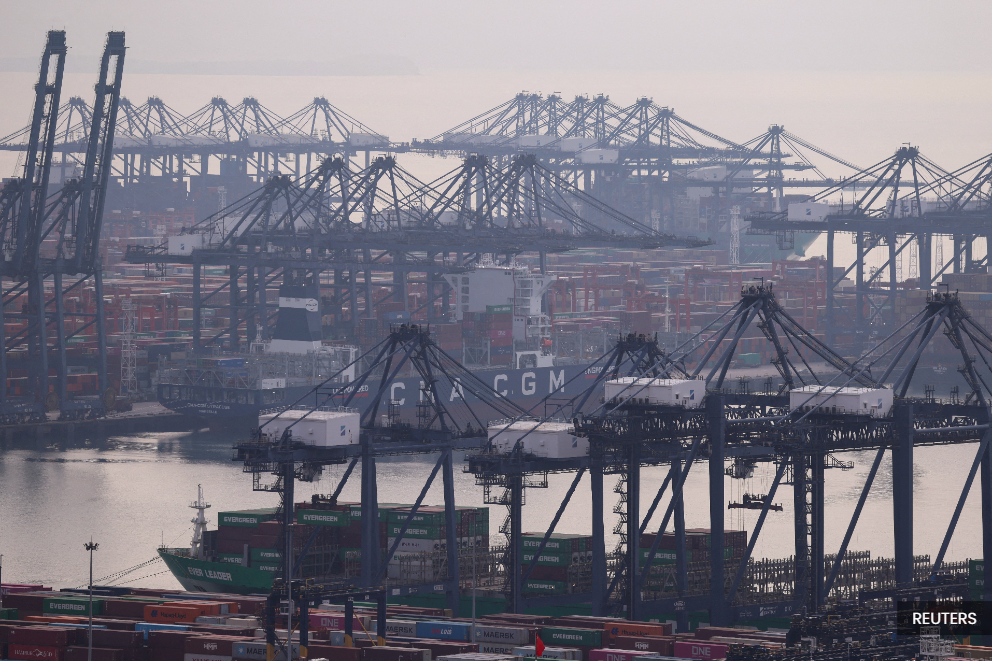
SINGAPORE, April 6 — The ASEAN+3 region's economy expanded by 4.3 per cent in 2025, supported by firm domestic demand and robust exports, but downside risks emerged amid West Asia conflicts, according to the ASEAN+3 Macroeconomic Research Office (AMRO).
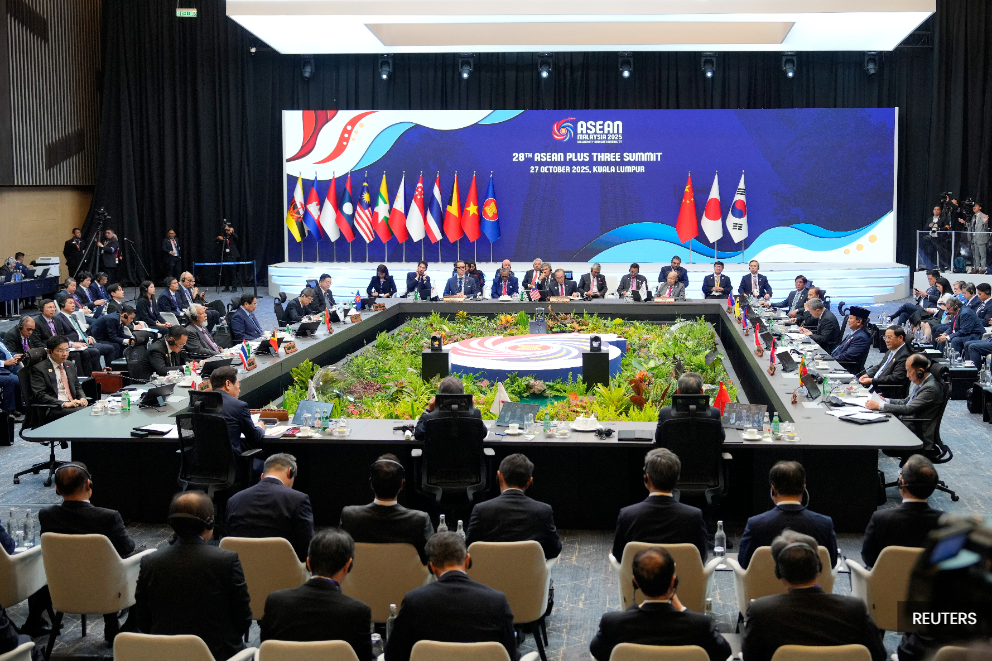
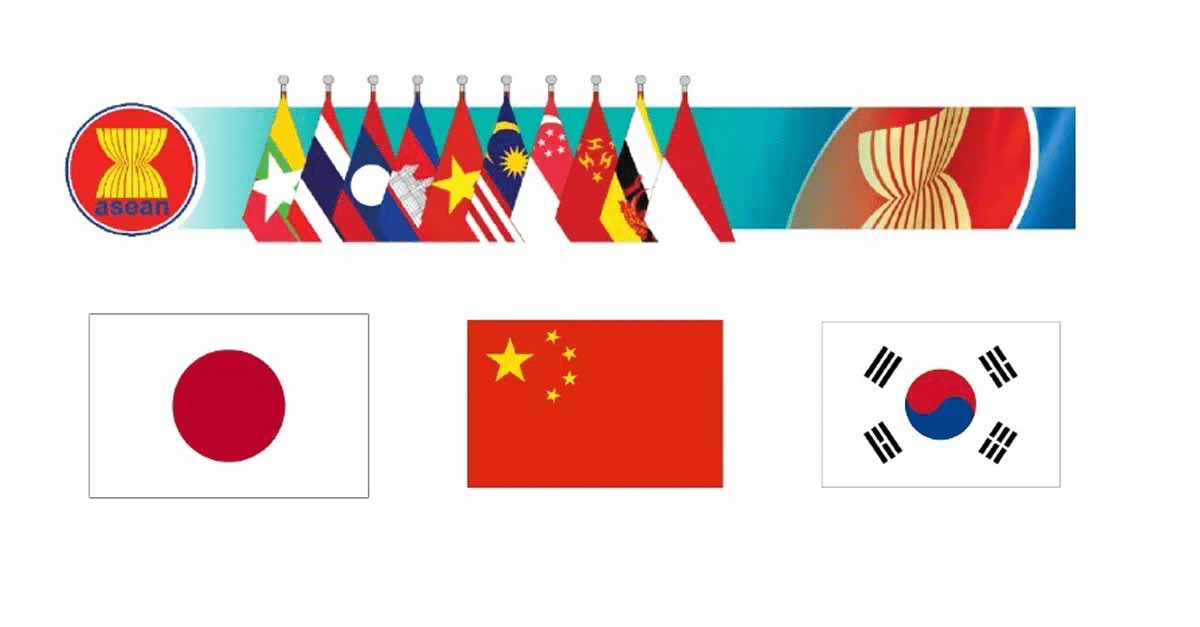
The ASEAN+3 comprises ASEAN member states plus China, Japan, and South Korea.
It said the region's economic activity remained supported by firm domestic demand and robust exports, boosted by artificial intelligence (AI)-driven semiconductor demand, sustained investment, and strengthening intraregional economic linkages.
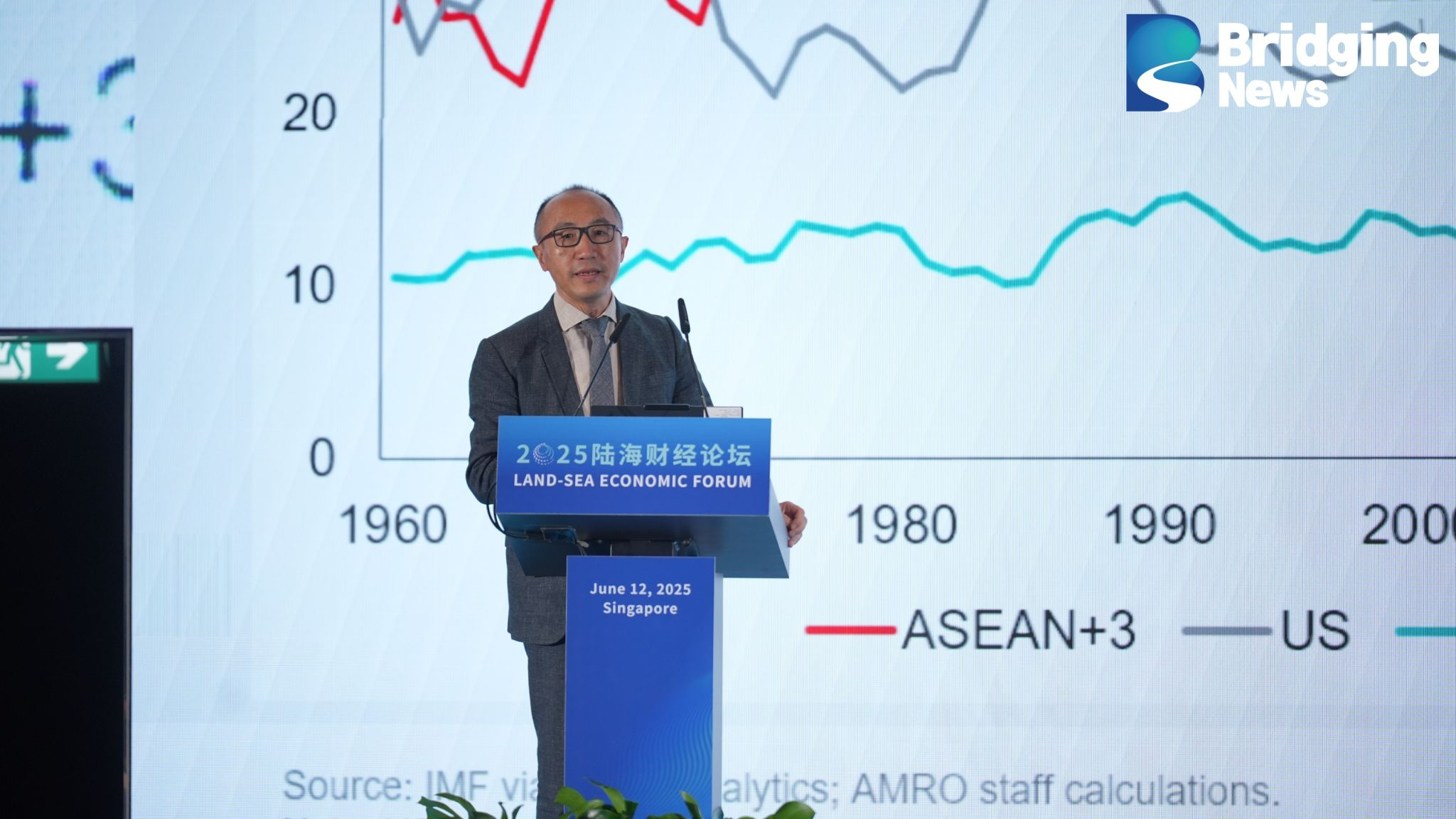
AMRO chief economist Dong He said that while the ASEAN+3 region entered 2026 from a position of strength, the conflict in West Asia has shifted the risk balance to the downside.
The ongoing conflict and disruptions to the global energy supply have materially increased downside risks to the ASEAN+3 economic outlook.
"That said, the region is better placed than in earlier episodes to navigate an energy shock; its economies are more energy-efficient and less oil-dependent, and it has entered this period with low inflation, and most retain meaningful policy space to respond," he said during the launch of the ASEAN+3 Regional Economic Outlook (AREO) 2026 report today.
AREO 2026 forecasts the region's headline inflation to rise from 0.9 per cent in 2025 to 1.4 per cent in 2026 and 1.5 per cent in 2027 amid higher global energy prices.
Dong noted that preserving policy flexibility is critical to preventing worse outcomes, such as stagflation, as the global economy is battered by one shock after another.
"Central banks should maintain orderly market conditions and financial stability, and act decisively should supply shocks lead to sustained inflation.
"On the fiscal side, governments should prioritise targeted support for vulnerable groups, while avoiding broad-based measures that could fuel inflation or undermine fiscal sustainability," he said.
Dong added that ASEAN+3 is now the world's largest market, accounting for 28 per cent of global final demand.
"The long-standing view of the region as the world's factory, producing primarily for external demand outside the region, is increasingly outdated.
"Deepening regional cooperation, accelerating the green transition, and maintaining open trade and investment flows will be essential to sustaining this structural transformation and strengthening resilience," he said.