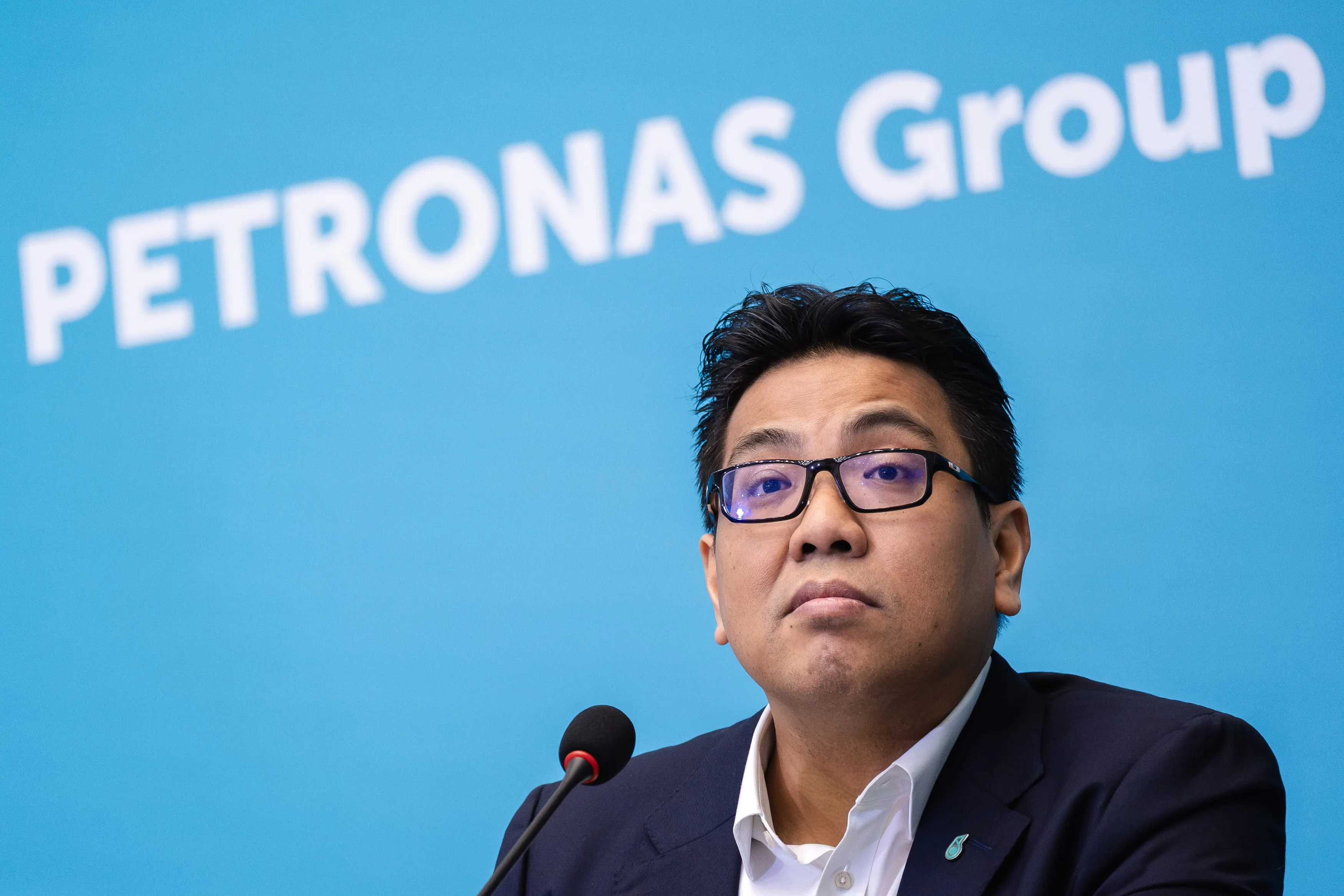

KUALA LUMPUR, April 3 — The surge in global oil prices following the conflict in West Asia does not necessarily lead to extraordinary profits, as cost increases also occur across the entire energy value chain, said Petroliam Nasional Bhd (Petronas).
President and group chief executive officer, Tan Sri Tengku Muhammad Taufik Tengku Aziz, said the perception that Petronas is "swimming in profits" when oil prices reach around US$120 per barrel (US$1 = RM4.02) is inaccurate.
This is as the company's operations encompass not only the upstream sector but also the midstream and downstream sectors.
"At first glance, there may be profits in the upstream sector, but in the midstream and downstream segments, input costs, including crude oil purchases, refining, and processing, also increase significantly when energy prices rise," he said on RTM's Bicara Naratif Khas: Addressing Challenges due to the Global Energy Crisis programme last night.
He explained that the increase in costs needs to be considered comprehensively.
At the same time, Taufik said Petronas continues to shoulder its responsibility as a national oil company that is not only profit-oriented but also entrusted with ensuring the country's energy security.
"A stable energy supply is the foundation of economic activities and daily life. This is a trust that we must fulfil."
On why Petronas does not bear a larger share of subsidies, he said the company has made significant contributions to the country since its establishment in 1974, totalling approximately RM1.6 trillion in the form of dividends, taxes, petroleum payments, and export revenues.
"In the past five years alone, Petronas has contributed more than 20 per cent to the government's revenue, in addition to channelling nearly half of its post-tax profits as dividends to the government.
"Petronas remains a commercial entity, while the subsidy mechanism involves broader considerations at the government level."