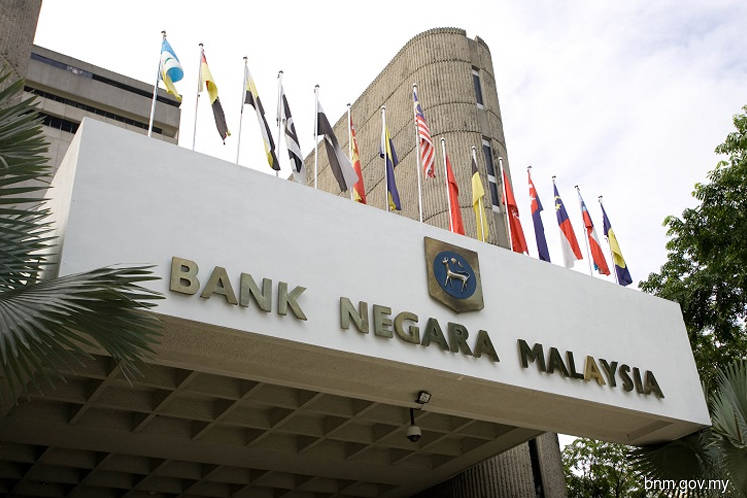

KUALA LUMPUR, April 2 — Malaysia’s economic growth could still surprise on the upside, depending on the duration of the West Asia conflict, said Bank Negara Malaysia (BNM) Deputy Governor Datuk Marzunisham Omar.
Household and private consumption will remain key anchors of growth, underpinned by positive income prospects and a favourable labour market.
“And of course, this is supported by targeted policy support by the government to help, especially the vulnerable groups in the country, as well as strong performance in investment growth,” he said in his keynote address during the BNM Address on the Malaysian Economy and Panel Discussion today.
Marzunisham added that Malaysia’s external position is in a good place, with adequate international reserves, sizable external assets, and a favourable external debt profile, with almost 60 per cent of the national debt in medium- and long-term debt.
“Our bond market is deep and liquid, with a diversified investor base, supported by inflows from stable long-term investors,” he said.
The nation continues to record a current account surplus, which reflects underlying strength, while its position as a net energy exporter provides additional support amid elevated energy prices.
Marzunisham noted that Malaysia is also seeing sustained inflows of foreign direct investment, reinforcing the overall resilience of its external position.
Regarding inflation, the outlook remains highly dependent on the duration and severity of the West Asia conflict, with BNM closely monitoring rising costs and the extent to which these are passed on to consumers.
He said that several factors will influence the degree of cost pass-through, including demand conditions and business profit margins.
“Firms with stronger margins may be more inclined to pass on higher costs, while robust demand could enable consumers to absorb price increases.
“Based on experience, the pass-through is typically not full,” Marzunisham said.