

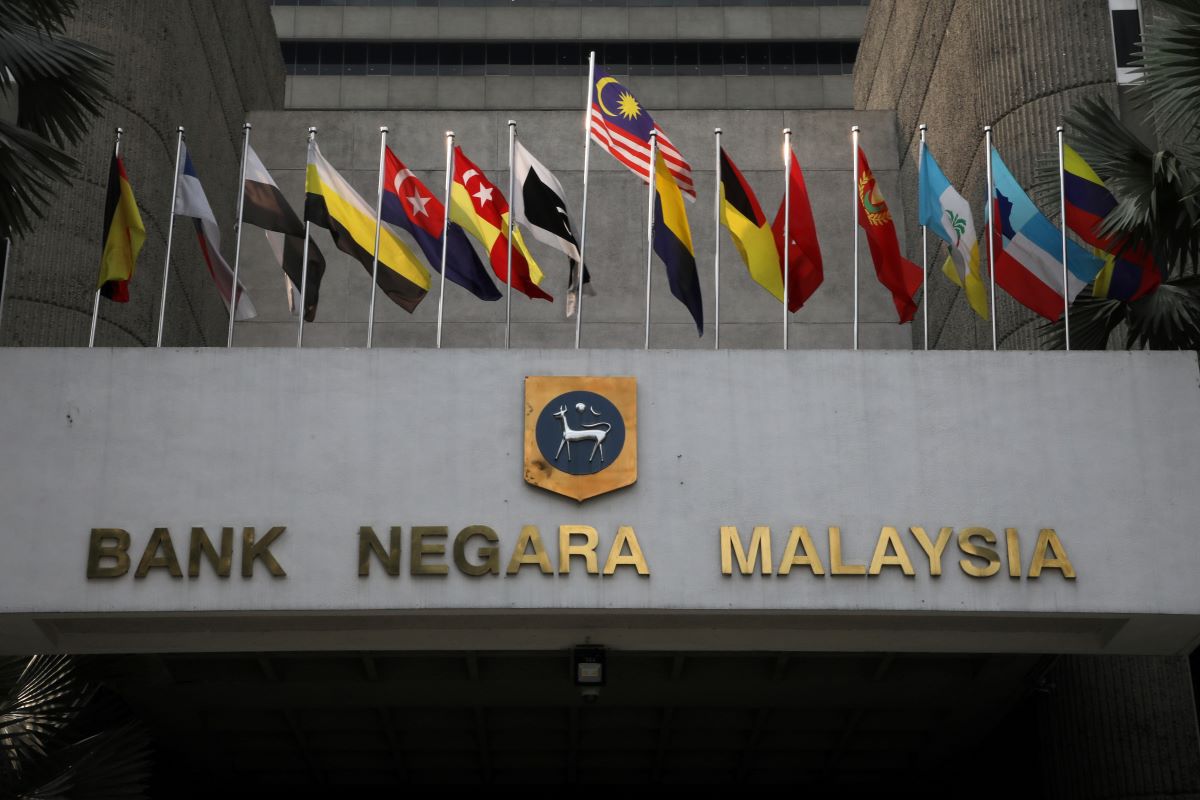
KUALA LUMPUR, March — Malaysia’s economy is expected to grow between 4 per cent and 5 per cent in 2026, down from 5.2 per cent in 2025, supported by strong domestic demand and a diversified export base, according to Bank Negara Malaysia.
Household spending, expanding investment, sustained global demand for electrical and electronics (E&E) exports, steady tourism amid Visit Malaysia 2026, and Malaysia’s role as a net energy exporter are expected to help the country navigate ongoing global uncertainties.
The BNM Economic and Monetary Review 2025 highlights that the services sector, which contributes 59.6 per cent of GDP, is projected to grow steadily, with consumer-related subsectors benefiting from robust household spending. ICT growth is expected from data centre activity, while transport and storage will gain from air passenger traffic, new highways and the LRT3 project.
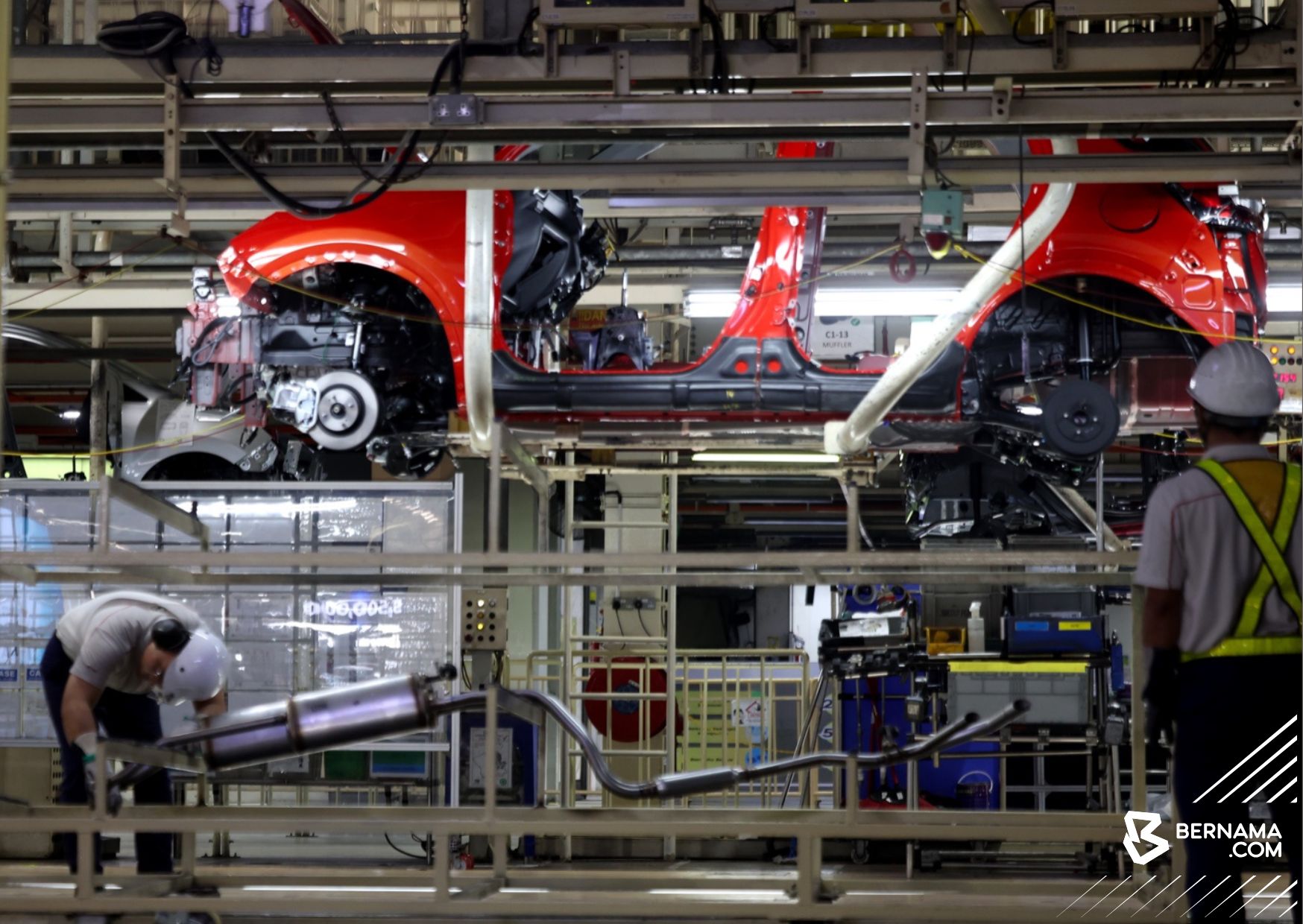
The manufacturing sector (23 per cent of GDP) is forecast to expand at a moderate 4.3 per cent, supported by strong demand for E&E products linked to AI, while consumer-related industries continue to benefit from resilient domestic consumption.
Meanwhile, the agriculture, mining and quarrying sectors are expected to contract slightly, while construction is set to grow 9.1 per cent, driven by ongoing infrastructure and public projects.
BNM noted that investment activity will remain solid, supported by approved projects in 2025, strong demand for AI-related technologies, and ongoing public projects including Petroliam Nasional Bhd’s Kasawari Carbon Capture Storage, Tenaga Nasional Bhd’s hydro and solar initiatives, and the Mutiara LRT Line.
The central bank cautioned that the West Asia conflict may weigh on exports and tourism, while higher global energy prices could push domestic production costs and inflation up. However, Malaysia’s position as a net energy exporter, targeted fuel subsidies, and a diversified export structure are expected to cushion the impact.
Exports are projected to grow 8.6 per cent in 2026, with manufactured exports, particularly in E&E, remaining the main driver. Despite slower growth in most sectors, services and manufacturing will continue to underpin overall economic expansion.
BNM said domestic demand will remain the key growth driver, supported by firm labour market conditions, ongoing fiscal support, and steady private consumption. Employment growth is expected to remain strong, with the unemployment rate forecast at 2.9 per cent.