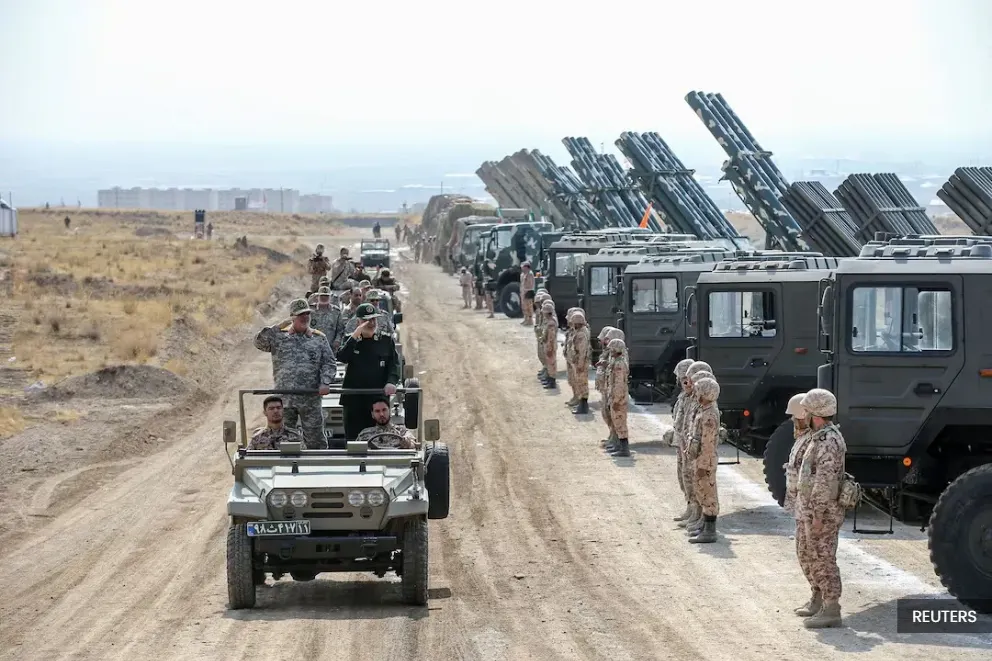
NEW YORK, March 27 — Iran’s veteran supreme leader and a host of top figures, including commanders from the Islamic Revolutionary Guards Corps (IRGC), have been killed in US-Israeli strikes. Despite these losses, the ruling system has maintained its ability to strategise and operate in the war that began on February 28.
Born from the 1979 revolution, the Islamic Republic established a complex power structure with layered institutions that prioritise the survival of the theocratic system over reliance on individual figures.
Here is a guide to who now wields power in a depleted but resilient hierarchy:
Is the supreme leader really in charge?
Iran’s Supreme Leader Ayatollah Ali Khamenei was killed in one of the first strikes. In office since 1989, he enjoyed obedience throughout the system and had the final say on all major issues.
Under Iran’s official ideology of velayat-e faqih — “rule of the Islamic jurist” — the supreme leader is a learned cleric who wields temporal power on behalf of Shi’ite Islam’s 12th imam, who disappeared in the ninth century.
The leader’s office, known as the bayt, has a large staff that monitors all parts of Iran’s government, allowing the leader to intervene directly across the bureaucracy.
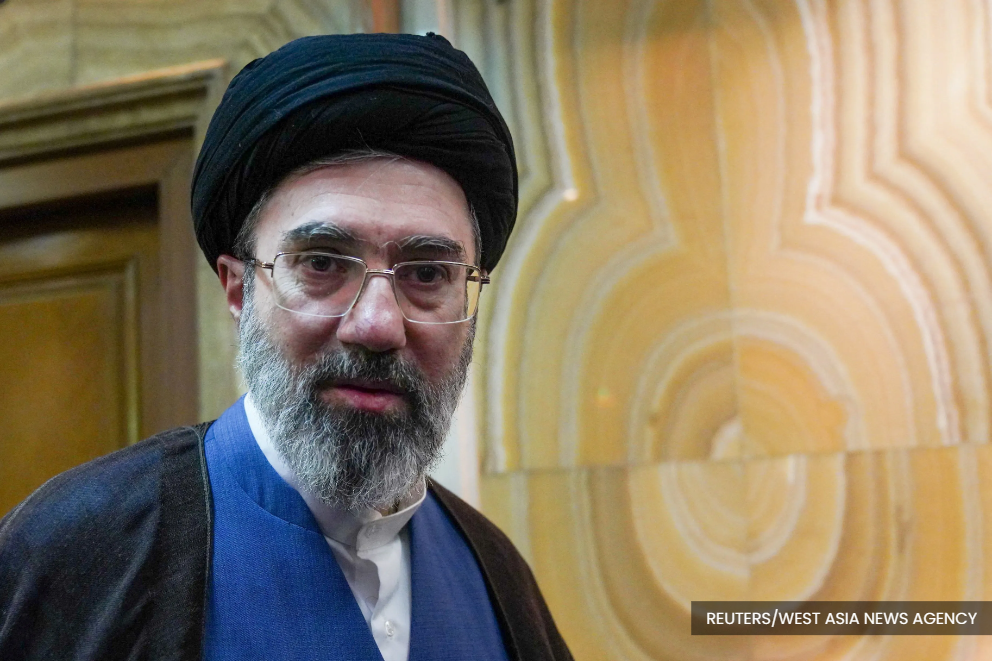
The new leader, Khamenei’s son Mojtaba, has now inherited the role and its extensive formal powers. His position depends heavily on the support of the hardline Revolutionary Guards.
Mojtaba was wounded in the strikes and has been referred to on state television as a “janbaz”, or “wounded veteran” of the current conflict. More than three weeks after his appointment, he has not appeared in any photographs or video clips and has issued only two written statements.
How central is the Revolutionary Guards Corps?
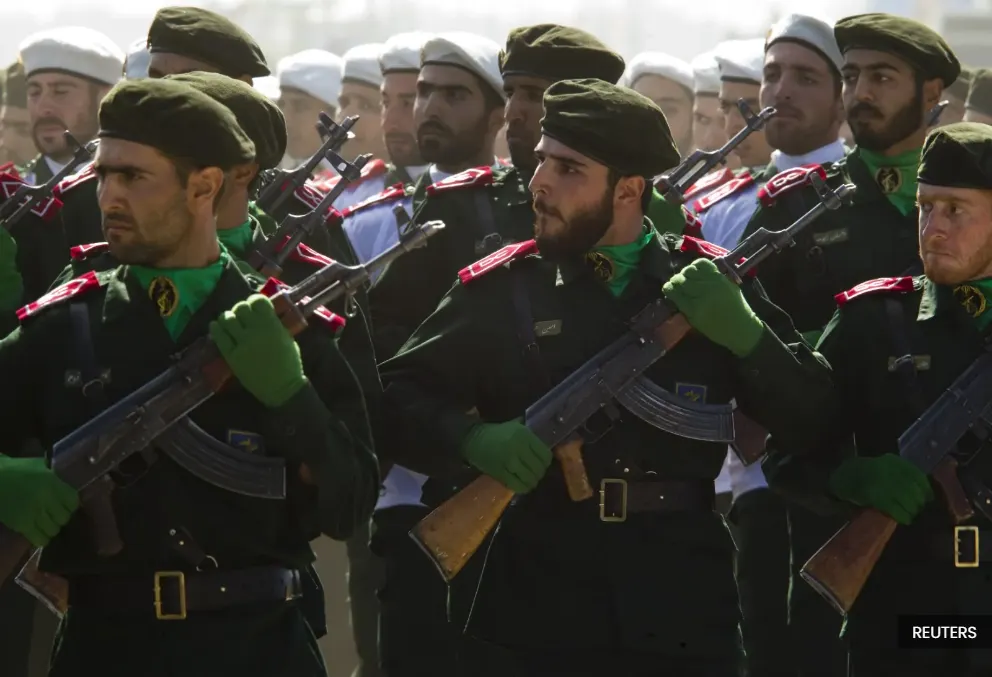
The IRGC has steadily grown in influence for decades. Following the recent strikes and the installation of Mojtaba Khamenei, it has assumed an even more central role in strategic decision-making.
Prepared for the decapitation of its leadership, the IRGC maintains a ‘mosaic’ organisational structure with designated replacements for each commander and units capable of operating independently according to pre-set plans.
Although many top-ranking commanders were killed early on, replacements with proven experience have so far managed the complex war effort effectively.
This resilience reflects the corps’ deep command structure, honed during the 1980–88 Iran-Iraq war and decades of involvement with proxy groups across the Middle East.
What role does the political leadership play?
Iran’s political system merges clerical rule with an elected president and parliament, all of which play significant roles alongside the Guards.
The killing of Ali Larijani, Khamenei’s top adviser, was a major blow given his extensive experience and ability to navigate between power centres.
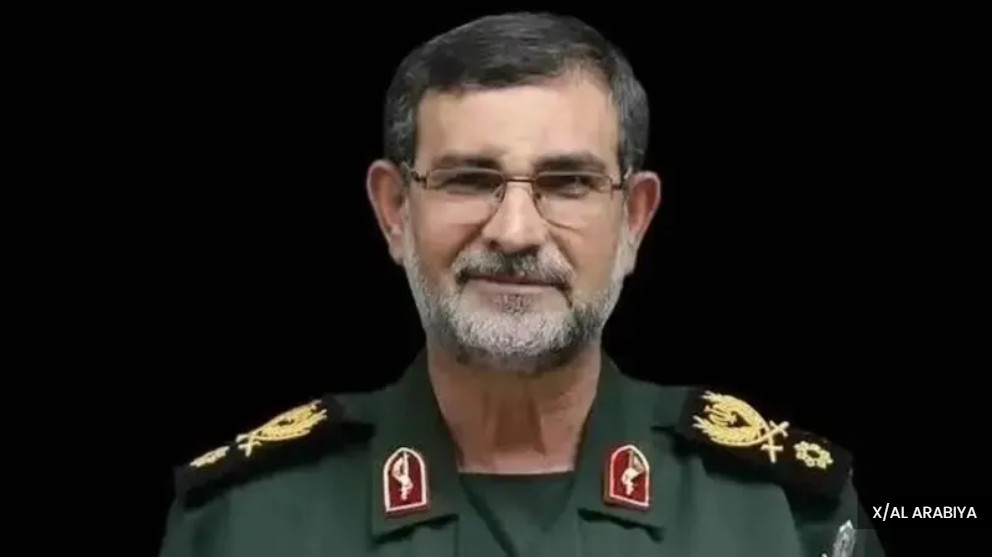
Yesterday’s killing of Revolutionary Guards naval head Alireza Tangsiri, an expereinced commander since 2018 and a key figure in closing the Strait of Hormuz, was another significant setback.
Other capable political figures remain.
Who are the key figures still in power?
Revolutionary Guards head Ahmad Vahidi — appointed after the deaths of his two immediate predecessors. A veteran of the Iran-Iraq war, former Qods Force commander and defence minister, he has long been influential in crushing internal dissent.
Revolutionary Guards’ Qods Force chief Esmail Qaani — Secretive, he has managed Iran’s ties with proxies and allies since taking over the unit in 2020 after Qassem Soleimani was killed.
Parliament speaker Mohammad Baqer Qalibaf — Former Revolutionary Guards commander, Tehran mayor and failed presidential candidate; a prominent political heavyweight actively negotiating and articulating Iran’s stance in the conflict.
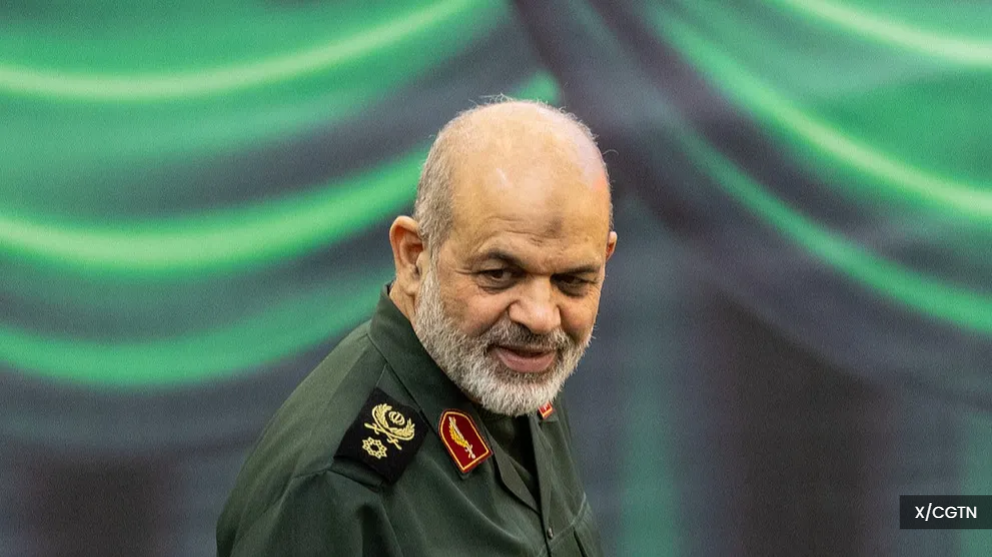
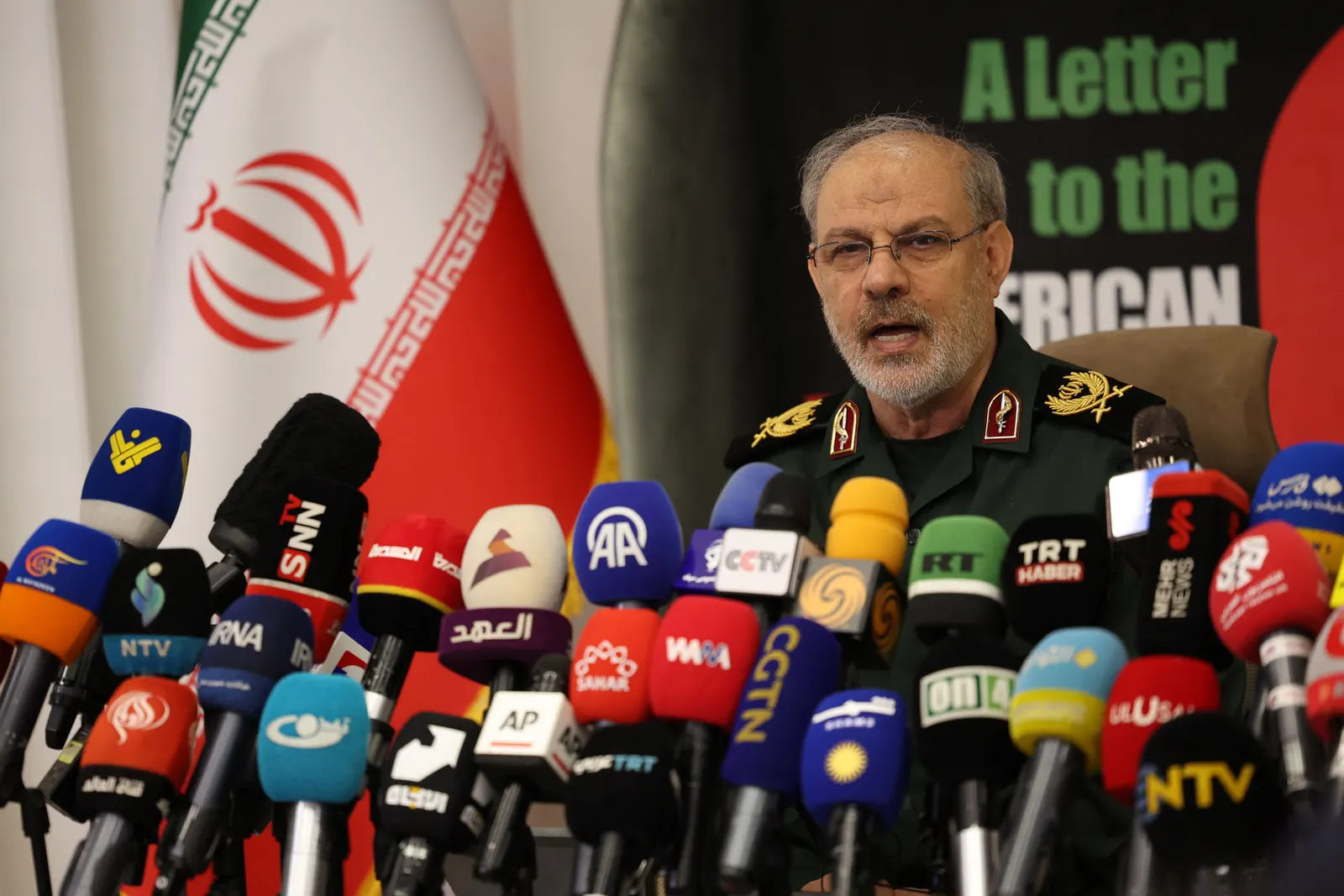
A file photo of the new commander-in-chief of the Islamic Revolutionary Guard Corps, Ahmad Vahidi. Judiciary Head Ayatollah Gholamhossein Mohseni-Ejei — Former intelligence chief sanctioned for repressing protests in 2009, widely regarded as a hardliner.
President Masoud Pezeshkian — The most senior directly elected official; his influence is limited, as shown when he faced backlash for apologising to Gulf states for Iranian attacks.
Former Supreme National Security chief Saeed Jalili — Injured in the Iran-Iraq war, former nuclear negotiator and 2024 presidential candidate; a staunch hardliner.
Guardian Council member Ayatollah Alireza Arafi — Senior cleric and member of the Guardian Council; chosen for the three-man interim council after Khamenei’s death.
Foreign Minister Abbas Araqchi — Veteran diplomat, experienced in negotiations with Western powers, Russia, China, and Iran’s Arab neighbours.
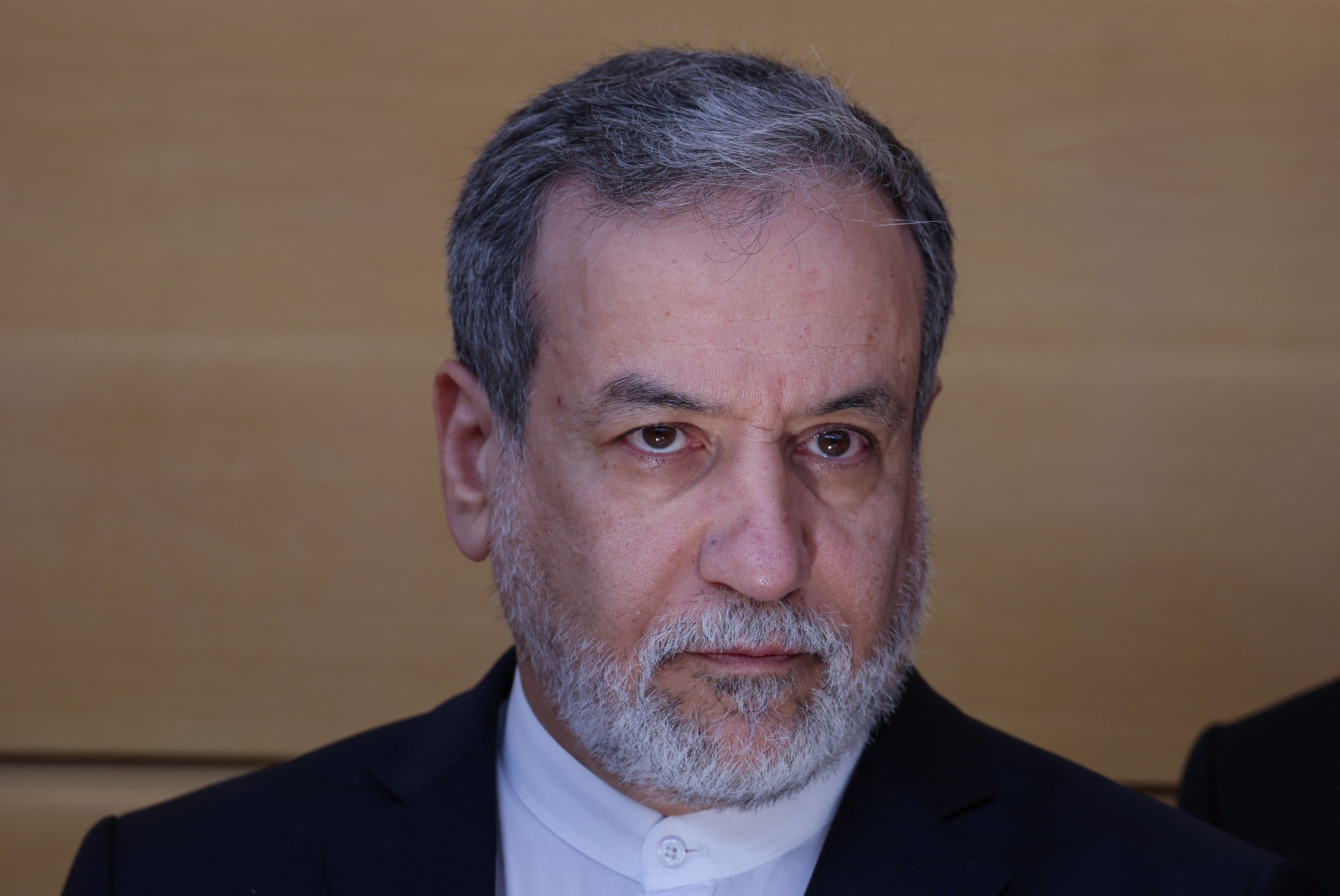
Iranian Foreign Minister Abbas Araghchi at Beirut International Airport, Lebanon, on June 3, 2025. — Picture by REUTERS