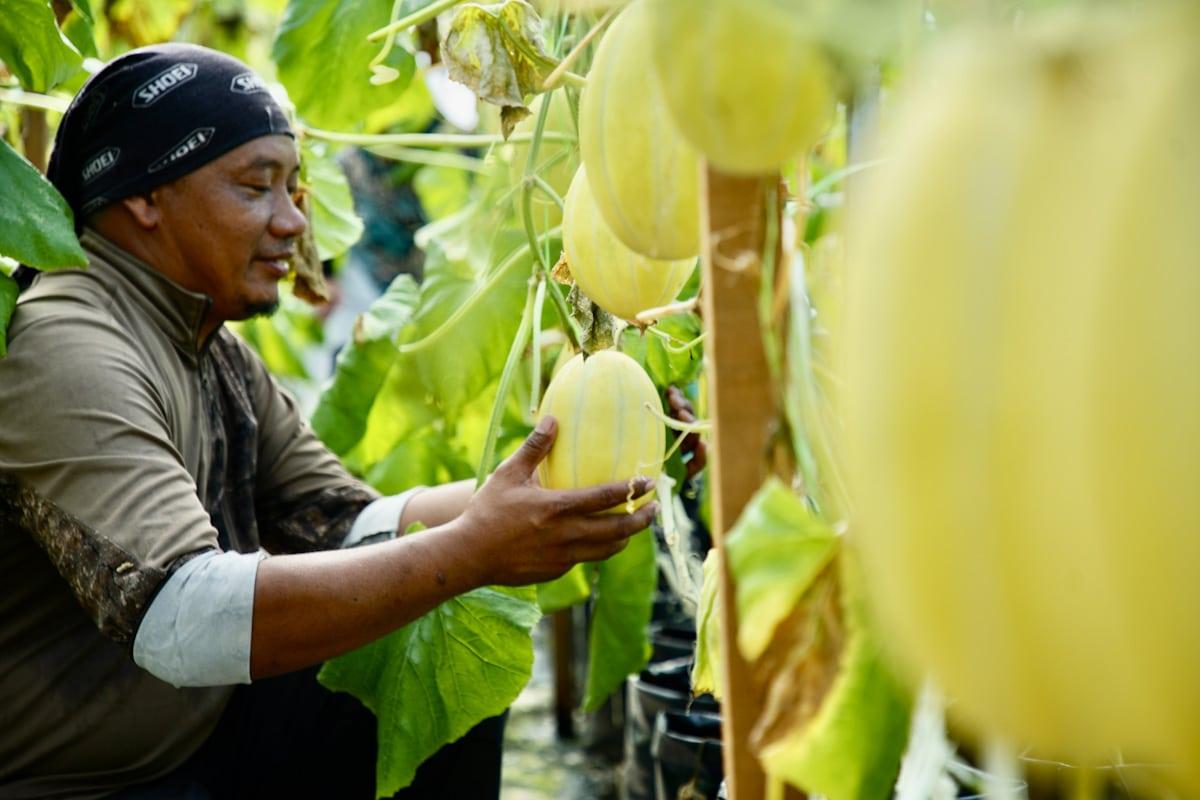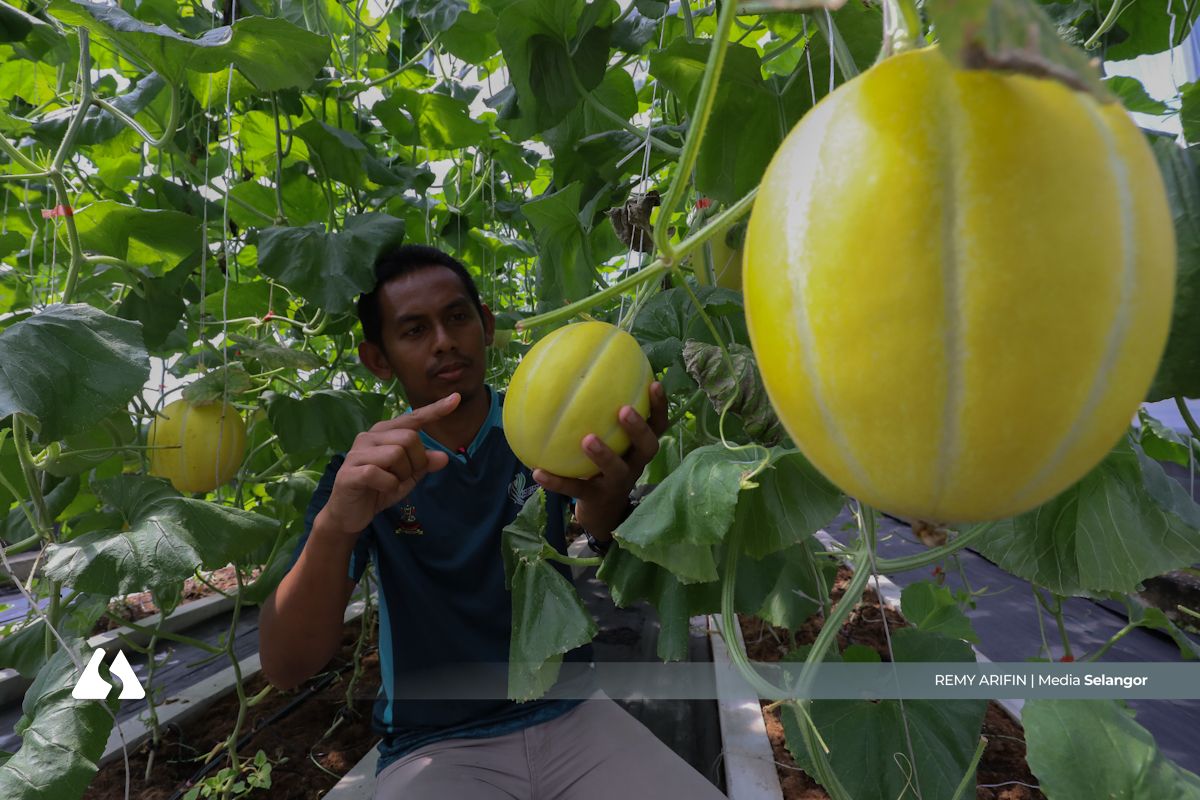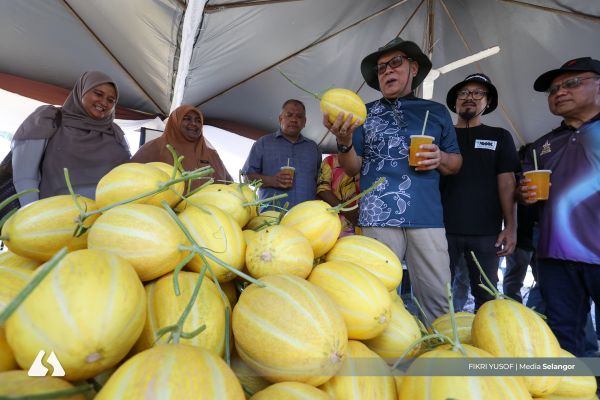
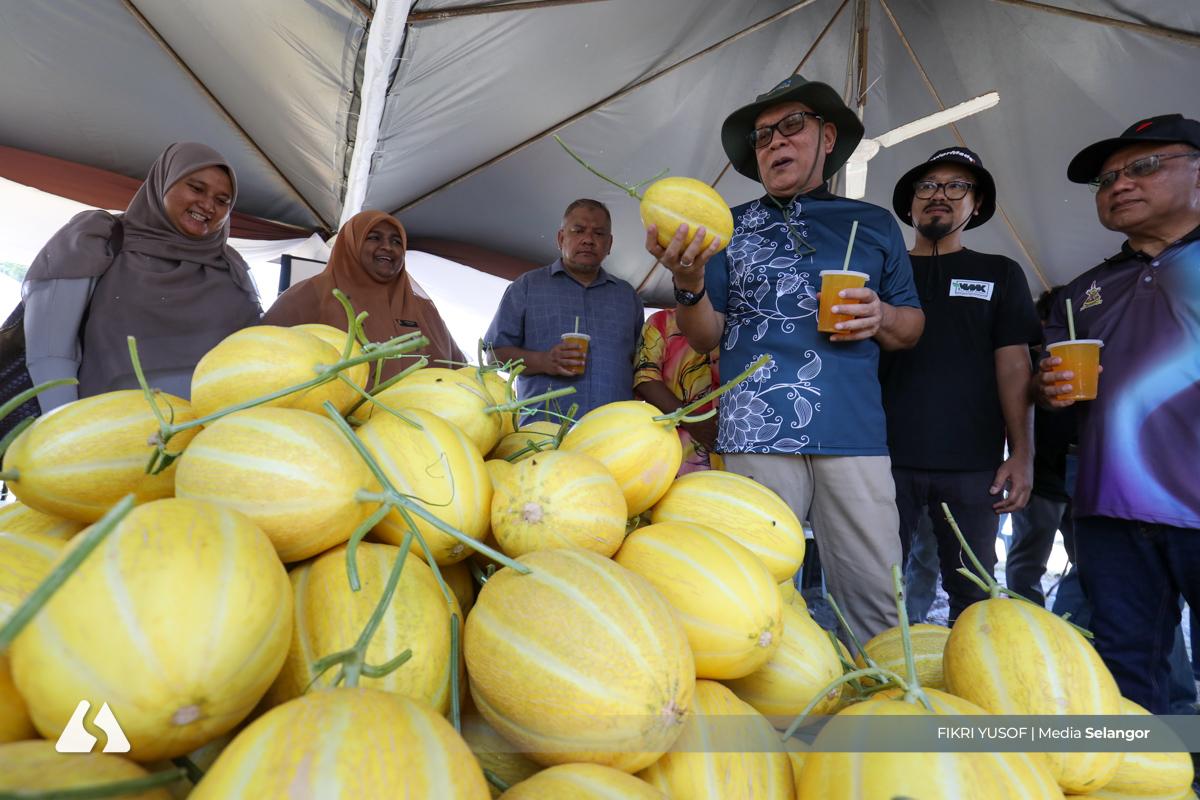
SHAH ALAM, March 1 — The state government has achieved another milestone in the agri-food sector by successfully producing a soft-flesh melon variety through research and development (R&D) initiatives under the Standing Committee on Agricultural Modernisation.
State executive councillor for infrastructure and agriculture Dato' Izham Hashim said the production of the new variety represents a strategic step towards modernising Selangor's agricultural industry, while enhancing the commercial value of local produce and its competitiveness in the market.
He said that Selangor had previously introduced two premium melon varieties, namely MeloSel (crisp) and Sweet Selangor, during their initial launch in 2022 by the Tengku Permaisuri of Selangor Tengku Permaisuri Hajah Norashikin.
However, the production of high-quality seeds for those varieties required nearly two years of research before being finalised.
“I am of the view that to stand out, we need another soft-flesh melon developed exclusively for Selangor. Alhamdulillah (God be praised), the soft-flesh melon seeds have now been successfully completed through research,” Izham said.
Nevertheless, the latest premium soft-flesh melon has not yet been given an official name. In this regard, he is inviting the people of Selangor to submit suitable name suggestions through a special competition.
“I seek the cooperation of friends and all Selangor residents to propose an appropriate name for this latest melon.
“The competition starts today until the end of Syawal, and suggestions may be submitted via the comments section or private message (inbox) on my official Facebook page. Best of luck!” he said in a video posted on Facebook yesterday.
Previously, the introduction of the premium MeloSel melon successfully increased farmers’ income, as it sold for around RM15 per kg compared with ordinary melons at approximately RM4 per kg.
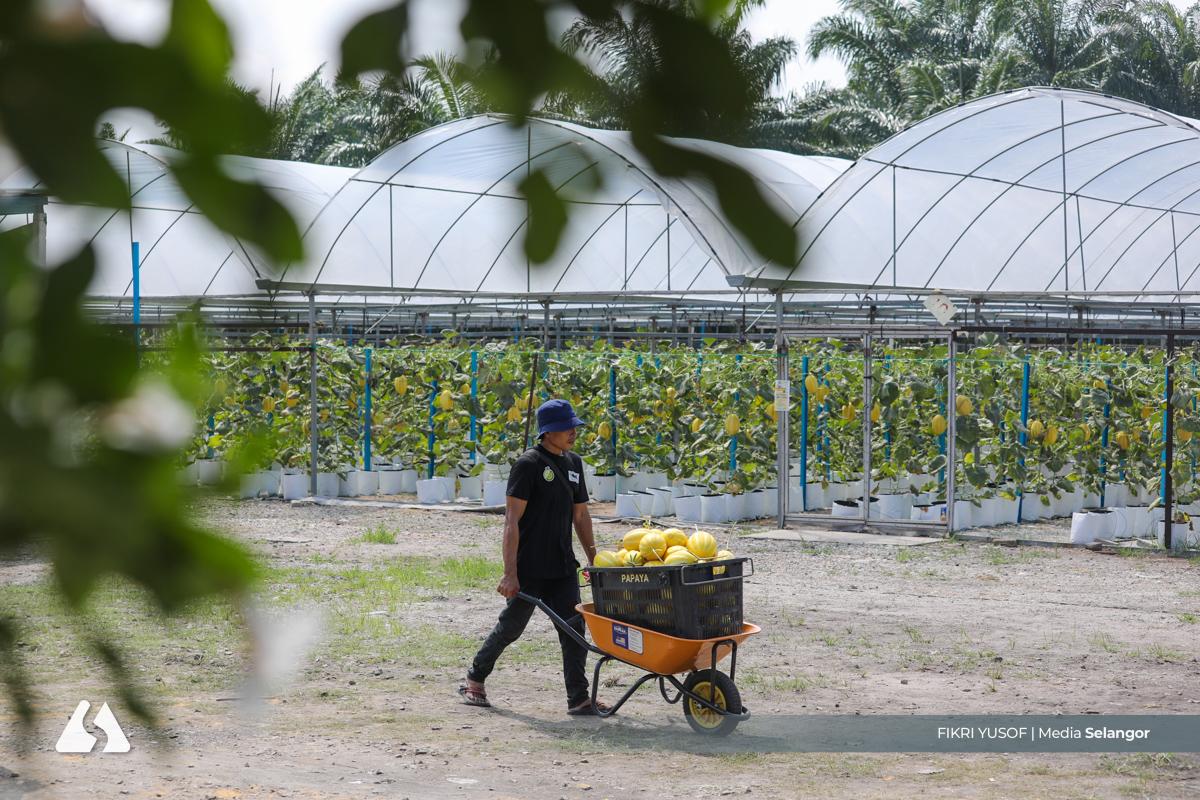
However, the variety remains difficult to obtain in the market due to its limited productivity. Currently, Selangor’s premium melons are cultivated commercially in Kampung Endah, Kuala Langat, with approximately 10,000 plants, aiming to increase to 30,000 to meet domestic demand.