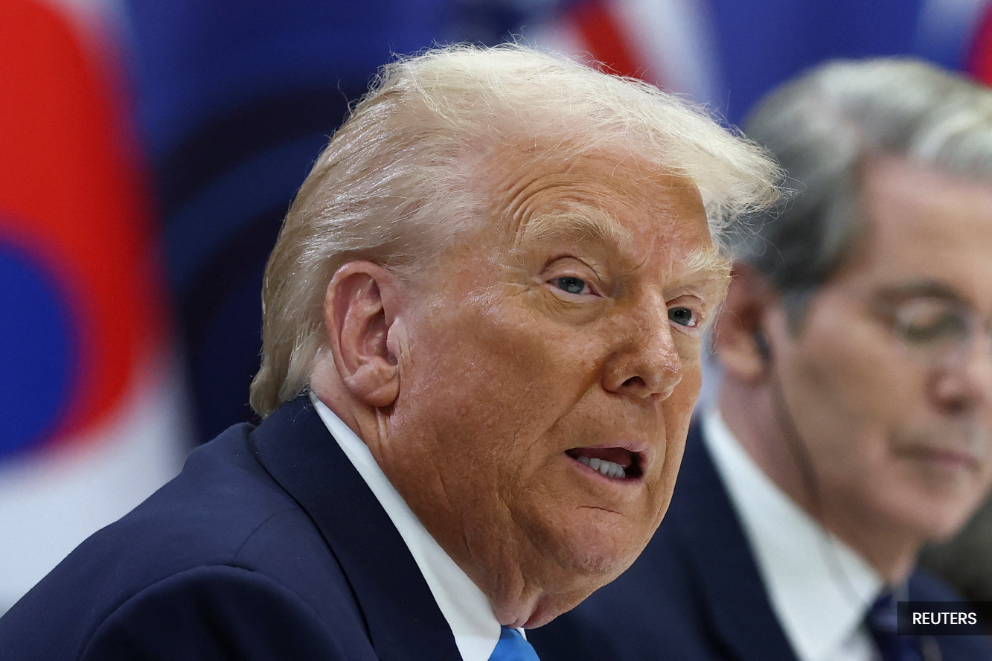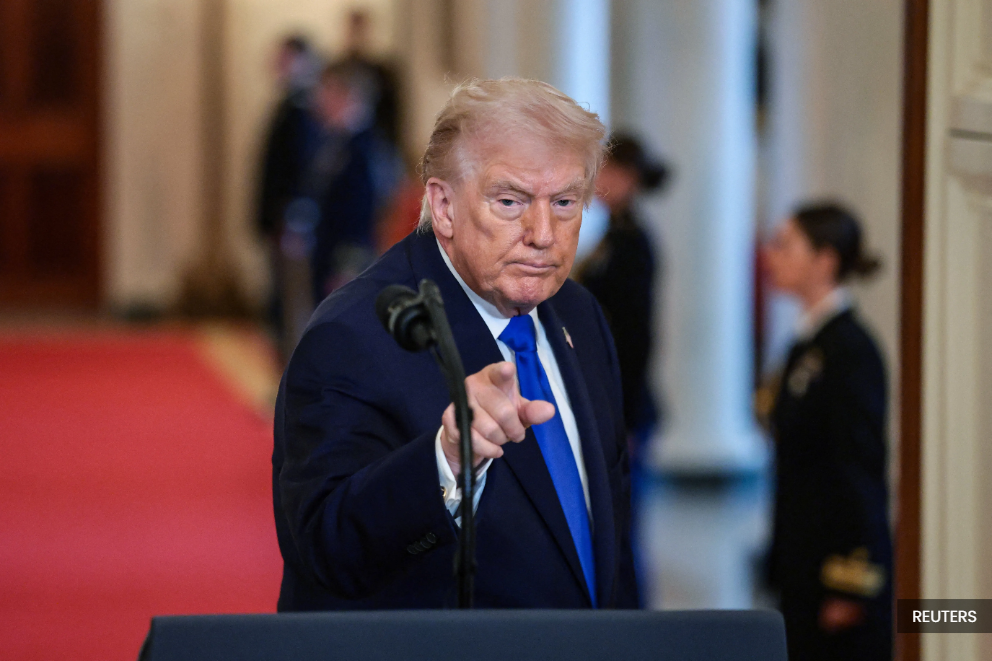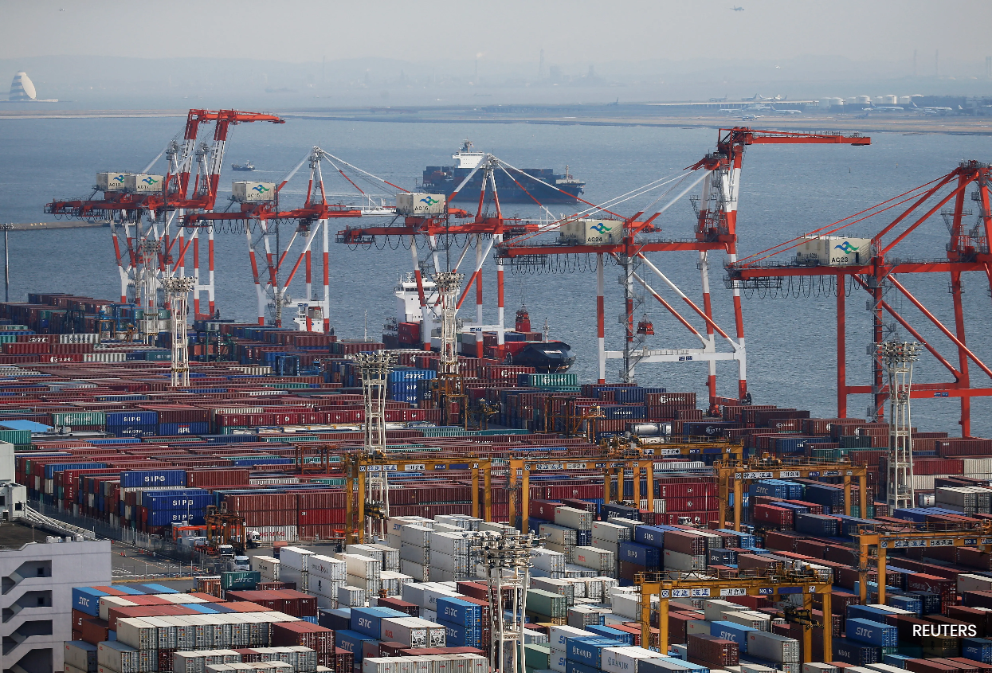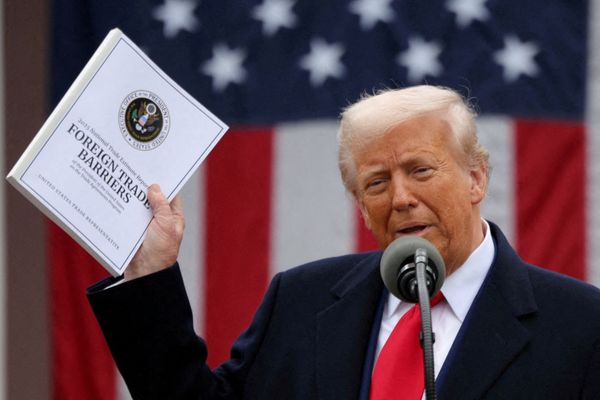
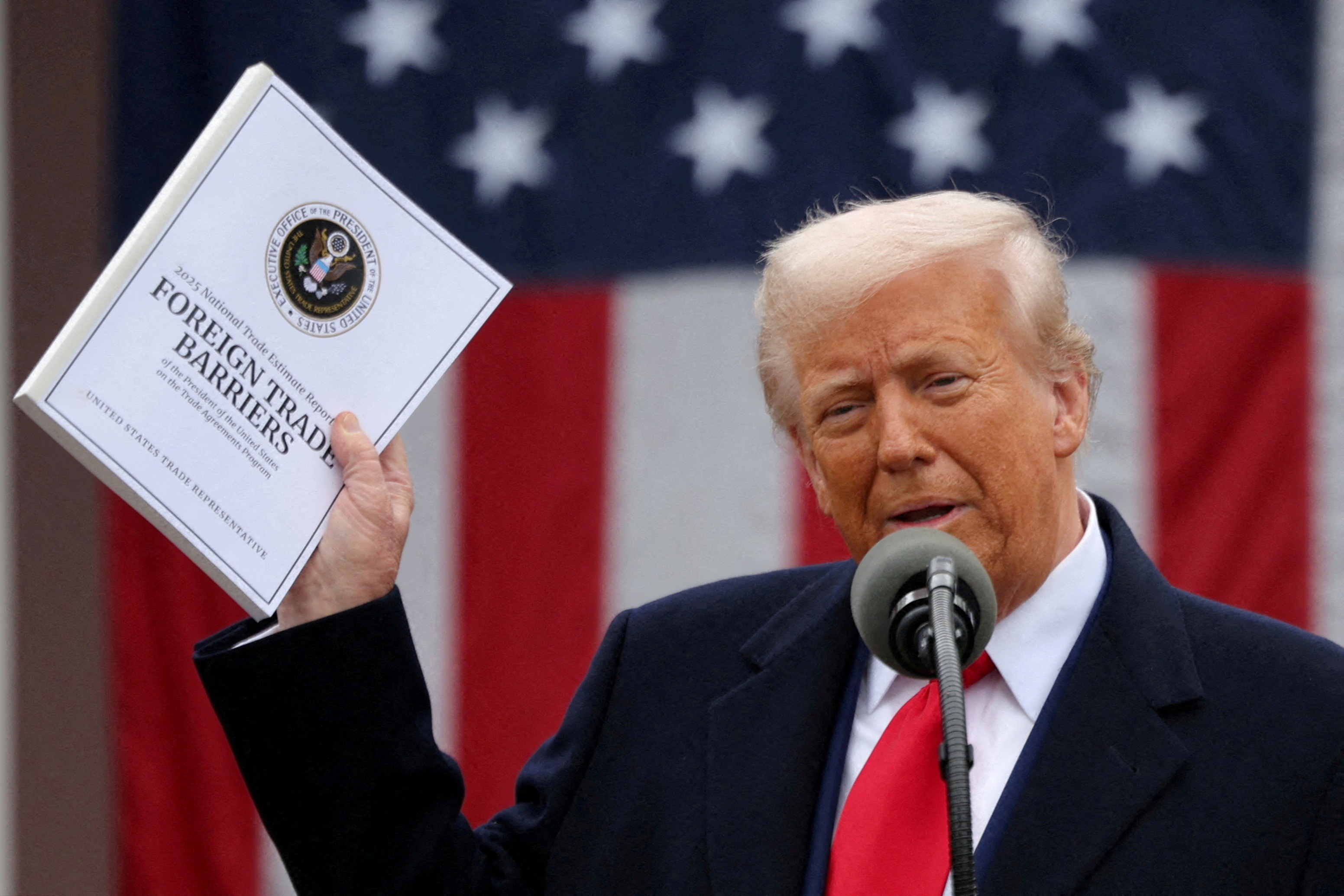
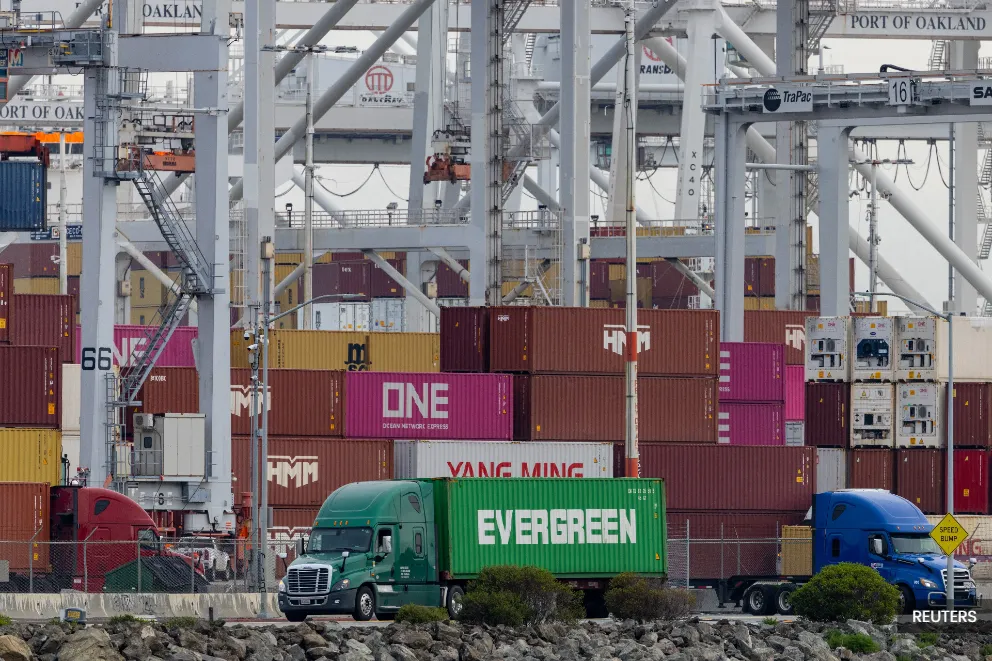
WASHINGTON, Feb 25 — The United States began collecting a temporary new 10 per cent global import tariff yesterday, but the Trump administration was working to increase it to 15 per cent, a White House official said, sowing confusion over President Donald Trump's tariff policies after last week's Supreme Court defeat.
Trump initially signed an order on Friday for a 10 per cent tariff to last 150 days to replace broad duties under an emergency law that were struck down by the Supreme Court, but on Saturday, he said he would increase the rate to 15 per cent.
On Monday night, before the midnight start of collections, the US Customs and Border Protection agency notified shippers that the rate would be 10 per cent.
The White House official told Reuters that Trump has had "no change of heart" in his desire for a 15 per cent tariff under Section 122 of the Trade Act of 1974, but offered no details on the timing for that increase.
As of Monday, Trump had not signed a formal presidential order for the increase to 15 per cent and CBP can only act on published presidential executive orders and proclamations.
CBP's notice referred to his Friday order, saying that aside from products covered by exemptions, imports would "be subject to an additional ad valorem rate of 10 per cent."
Lower rate reason unclear
The move added to confusion surrounding US trade policy, with no explanation offered in the notice for why the lower rate had been used.
"Trump is delivering the State of the Union address tonight (this morning), so it's possible we might get a better sense of the next steps on tariffs," Deutsche Bank said in a note.
"Net-net we still think the effective tariff rate will fall this year and that the world post-SCOTUS will see lower tariffs than the pre-SCOTUS world," its analysts said, using the acronym for the Supreme Court of the United States.
Although a 10 per cent tariff is less punitive than expected, traders cited uncertainty about the trade outlook as one reason global stocks opened lower yesterday.
The new 10 per cent tariff represents a conundrum for the European Union, which agreed to a trade deal with a 15 per cent base tariff rate. European Commission Trade Minister Maros Sefcovic said the bloc faces a "transitional period" over Trump's new temporary tariff, but added US trade officials have reassured him Washington will stand by the agreement.
It remains unclear whether and how companies will be refunded for tariff payments made under the programme annulled by the Supreme Court.
China urged Washington to abandon its "unilateral tariffs," indicating it was willing to hold another round of trade talks with the world's largest economy, the country's commerce ministry said in a statement yesterday.