By Yasmin Ramlan
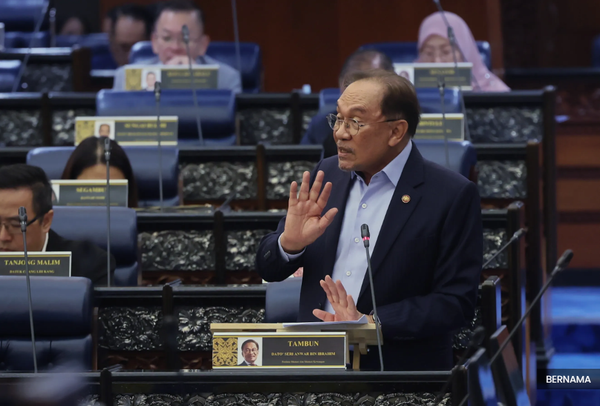
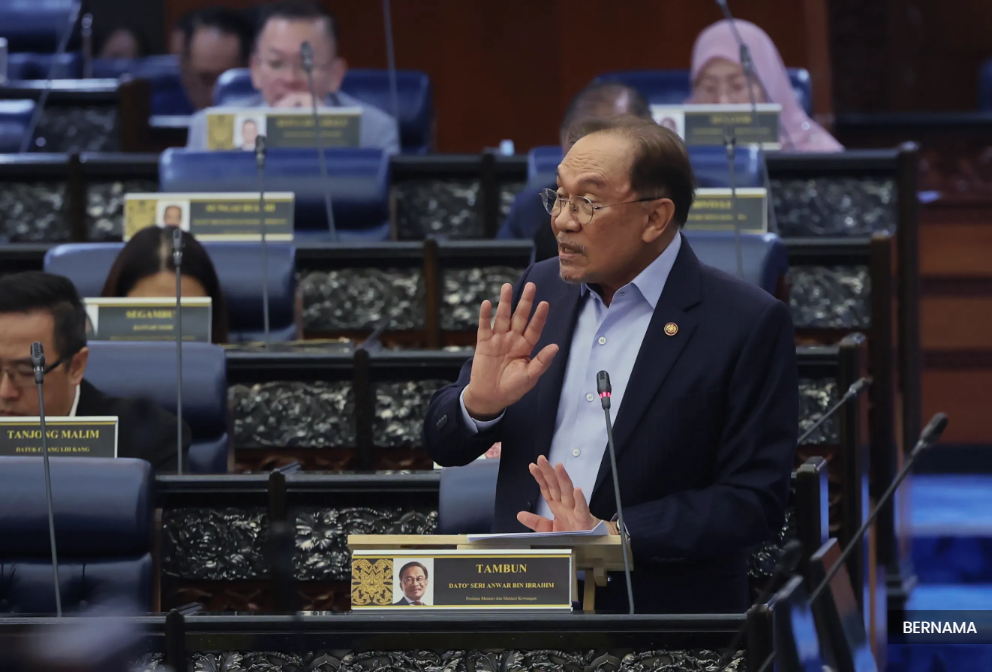
SHAH ALAM, Feb 24 — Malaysia will not rush into any decision on its Reciprocal Tariff Agreement (ART) with the United States that could potentially harm the country’s trade interests and bilateral ties, said Prime Minister Datuk Seri Anwar Ibrahim.
Responding to questions from MPs over the recent US Supreme Court ruling that declared the tariffs imposed under the International Emergency Economic Powers Act (IEEPA) as illegal, Anwar said Putrajaya would take a measured approach as developments in the US remain fluid.
He said the court’s February 20 decision was significant but “not necessarily conclusive in practical terms”, as the US administration could still invoke other legal provisions to impose tariffs.
He added that the stance of the US Congress and any further action by US President Donald Trump remain uncertain.
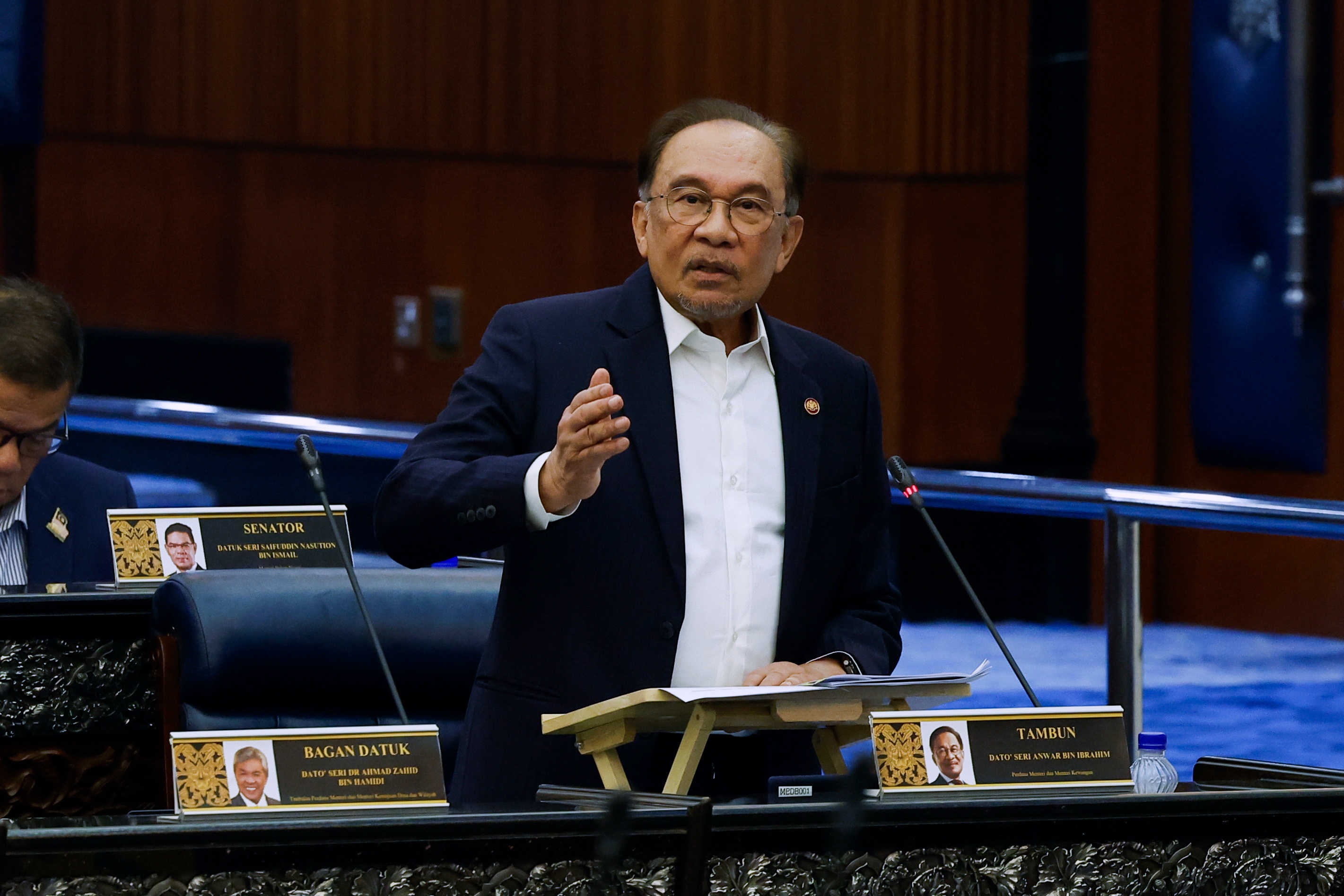
“Why should we rush (a decision)? If we make a decision today and Congress takes a different view tomorrow, or the President invokes other legal provisions, we must consider the risks to our economy,” he said during the Prime Minister’s Question Time in the Dewan Rakyat today.
Anwar also pointed out that the ART signed last October has yet to be ratified and therefore, not in force.
“The US has not even proposed a ratification date,” he said.
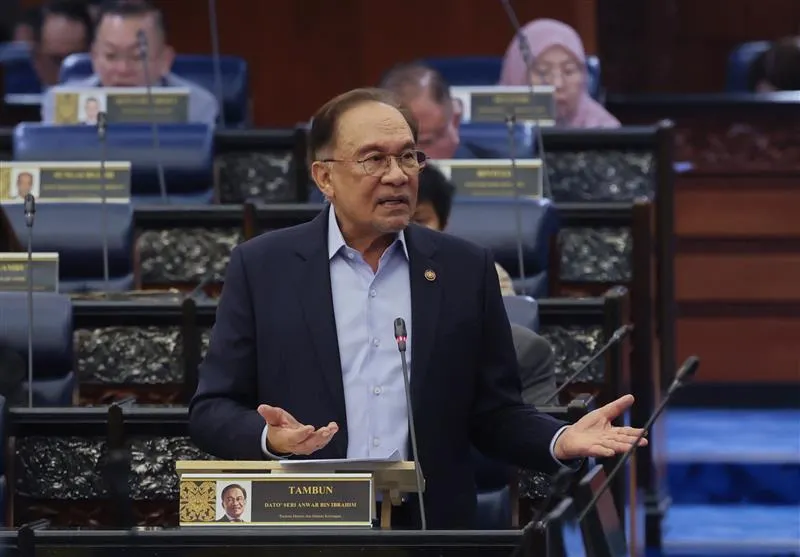
Anwar noted that following the US Supreme Court’s decision, Malaysia’s tariff rate has been reduced from the previously agreed 19 per cent to the now fully allowed 15 per cent, although this will only be in effect for 150 days.
The prime minister also said that the broader implications of the new tariff must be assessed carefully, particularly given Malaysia’s exports to the US totalling RM233.1 billion and overall bilateral trade exceeding RM367 billion.
“This involves a major economy, affecting tens of thousands of workers and hundreds of billions in trade. It is a matter of dignity and sovereignty. But in terms of trade strategy, we must consider national interest.”
He said the Cabinet would review the matter in detail in its upcoming meeting, with the Investment, Trade, and Industry Ministry’s (MITI) assigned to review all legal and economic implications before any decision is made.
“The important thing is not what they decide there, but whether our decision protects Malaysia’s trade and economic interests,” he said.
Responding to claims that Malaysian companies had suffered losses as a result of the ART, Anwar said current tariffs were imposed primarily on US companies trading or investing in Malaysia.
He said based on MITI’s assessment, there has been minimal direct impact on local companies, as the tariff strategy was aimed at encouraging US firms to relocate operations back to America.