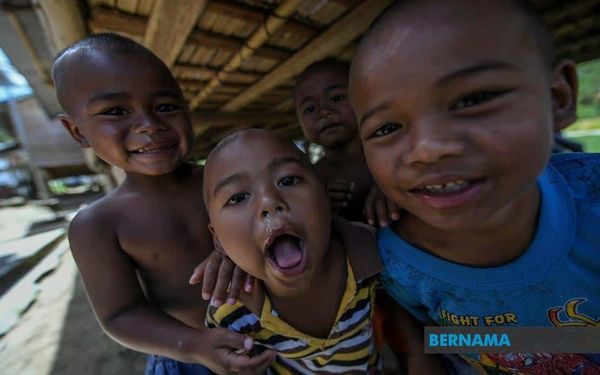
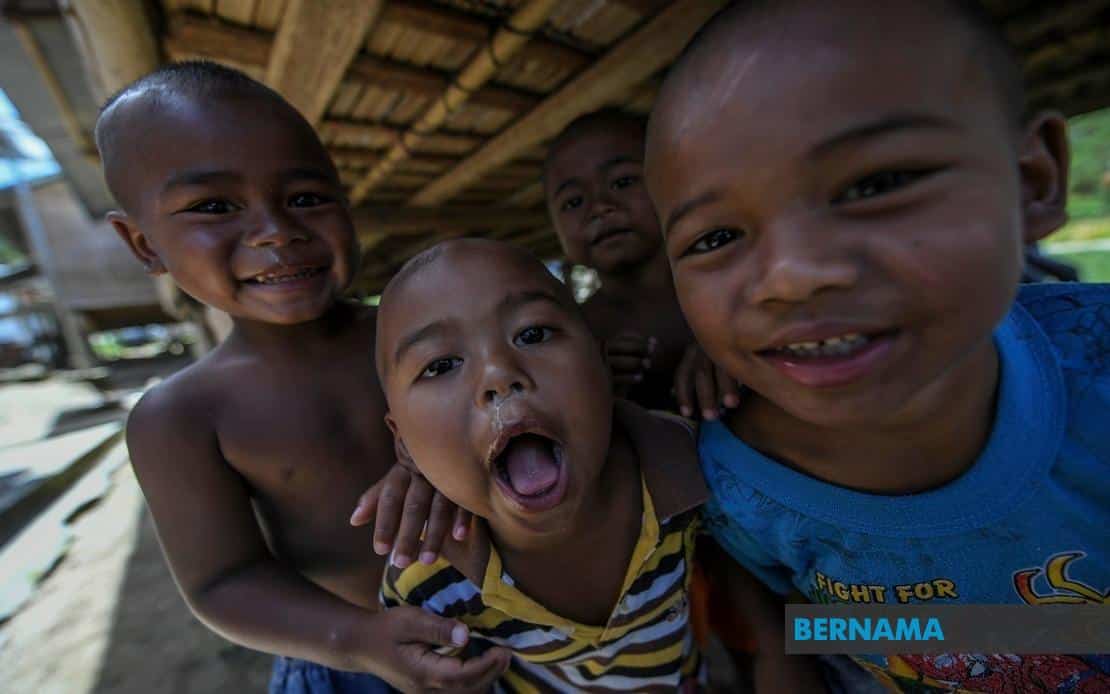
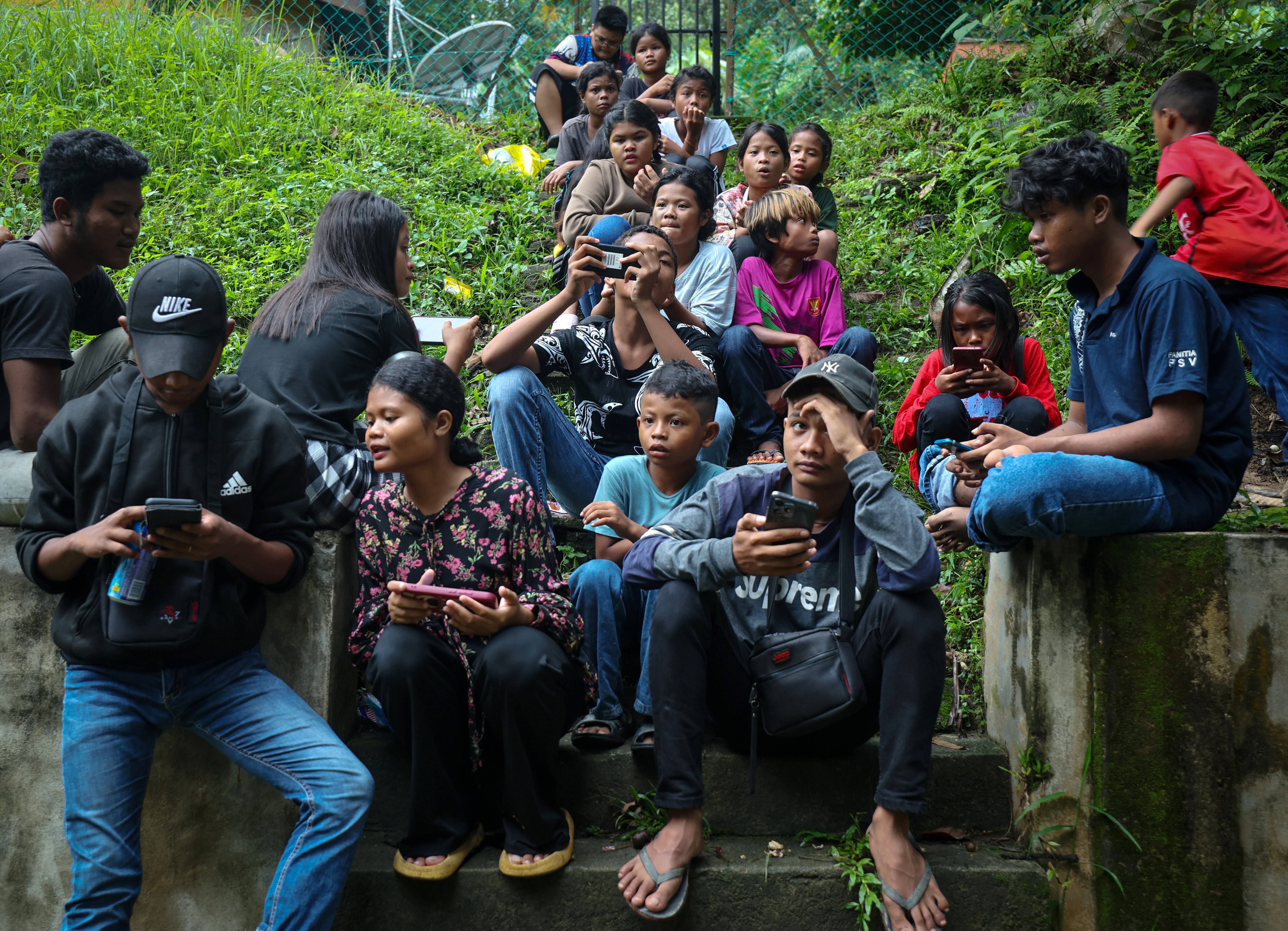
KUALA LUMPUR, Feb 23 — A total of RM15.4 million was channelled to 2,905 members of the Orang Asli community last year to help them sustain their livelihoods, including women affected by divorce.
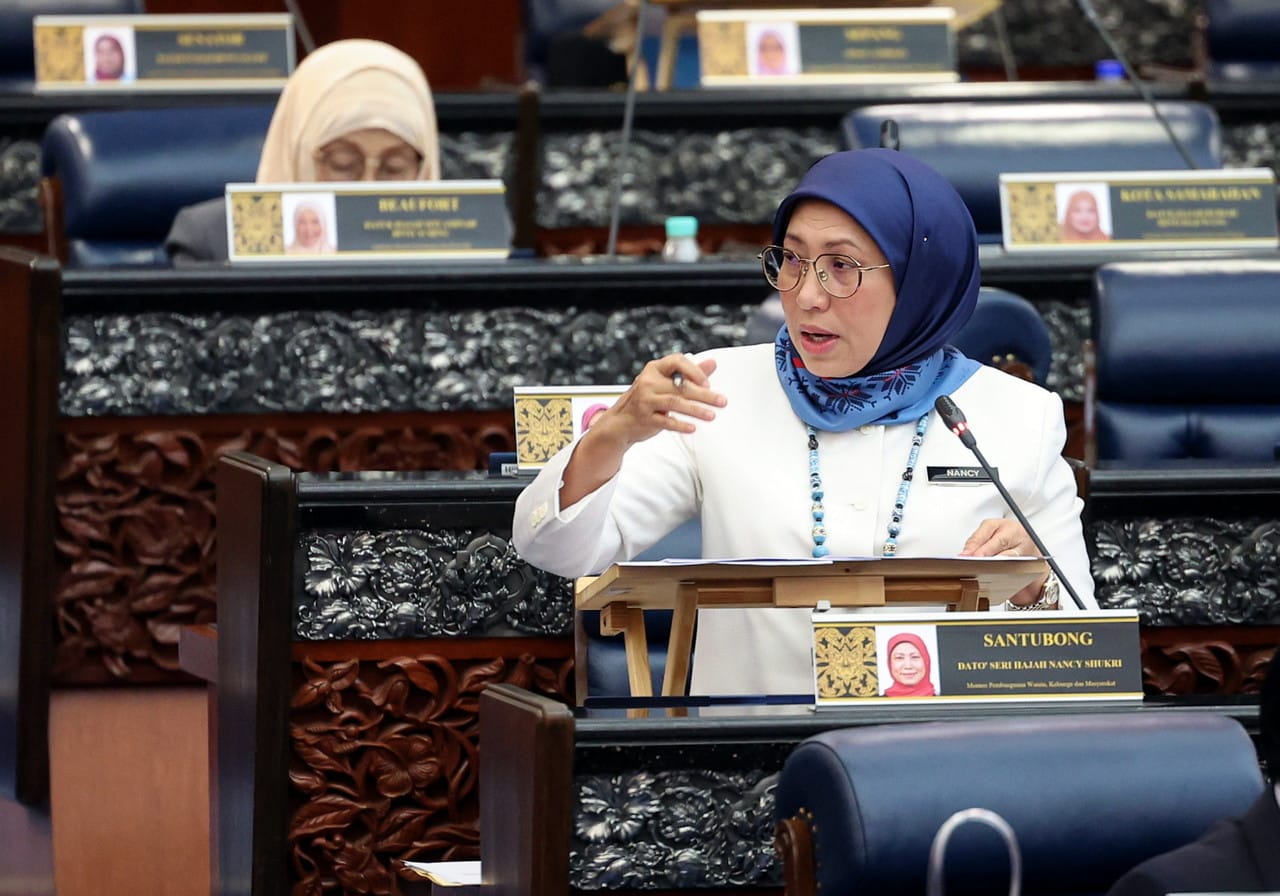
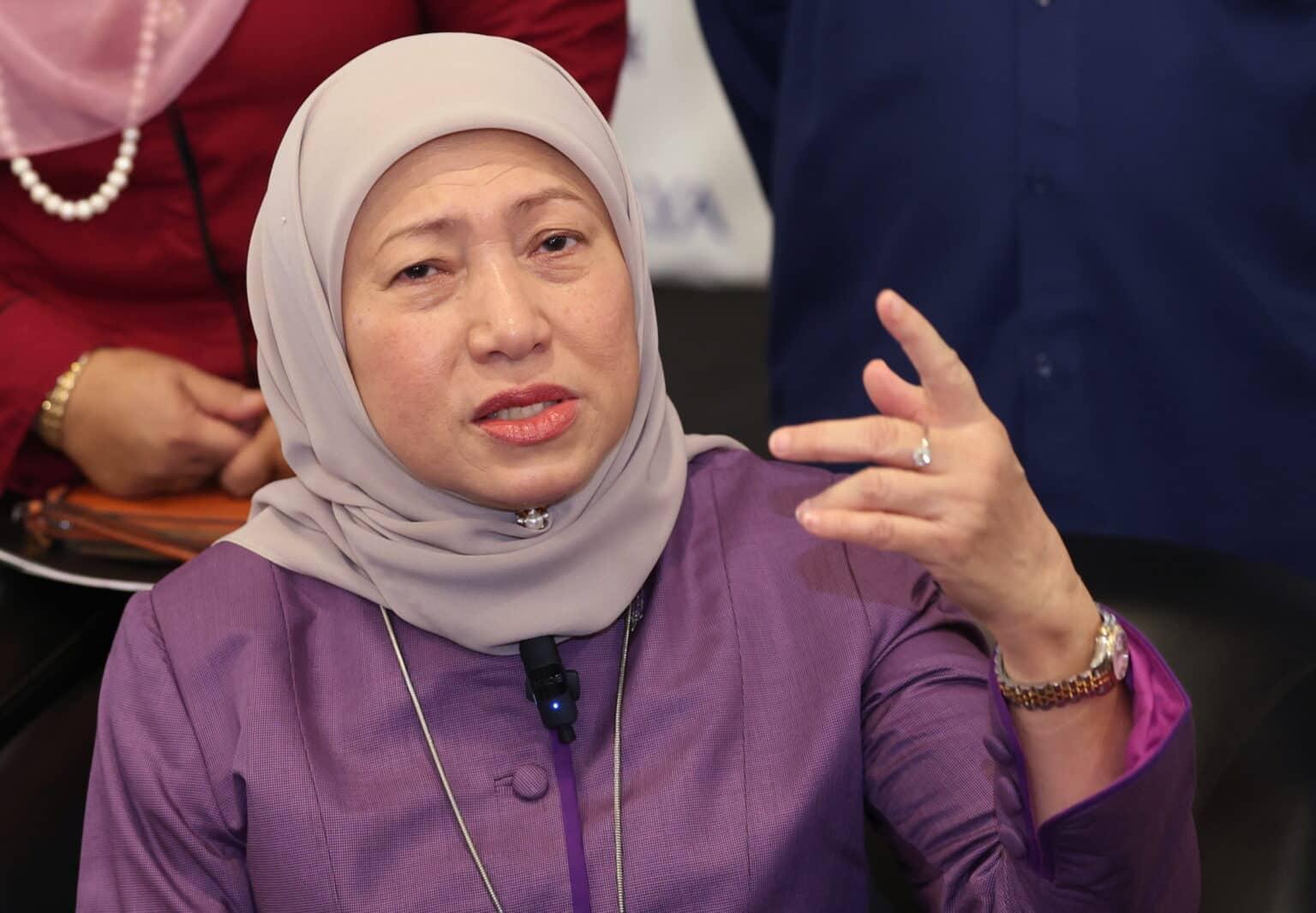
Women, Family, and Community Development Minister Datuk Seri Nancy Shukri said the temporary assistance was distributed by the Social Welfare Department (JKM) through the Orang Asli Development Department (JAKOA), covering various schemes including general assistance, child assistance, senior citizen assistance, as well as aid for disabled persons (PWDs).
“The Women, Family, and Community Development Ministry (KPWKM), through the Women Development Department (JPW), also implements the Legal Literacy and Women’s Rights (IRIS) and the KasihnITa initiatives to help women, including single mothers and families going through divorce, understand their rights, become self-reliant, and ultimately secure financial resources to generate income,” she said.
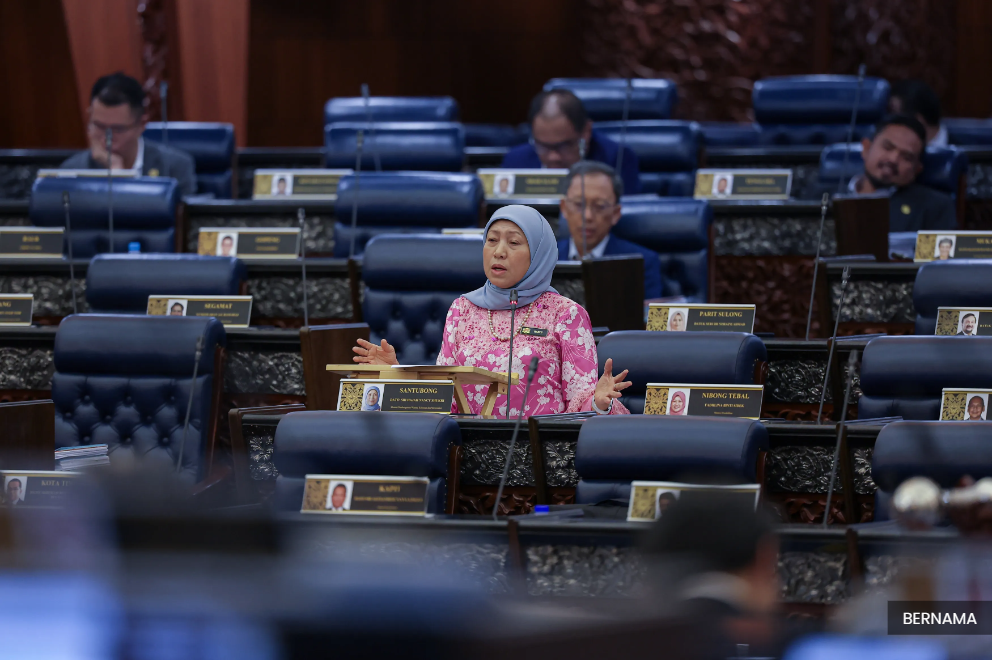
Nancy was responding to Senator Manolan Mohamad's query on the measures taken by KPWKM to safeguard the welfare of Orang Asli women and children, particularly from issues such as poverty, school dropouts and neglect following divorce, during the oral question-and-answer session at the Dewan Negara today.
For Orang Asli women entrepreneurs, she said the ministry, through JAKOA, has also introduced the Orang Asli Entrepreneur Support programme (PSUOA), offering capacity-building assistance of up to RM15,000, including skills training and business start-up kits.
“In efforts to address education dropouts, the government, through JAKOA, also provides the Education Incentive Assistance Scheme (SBGP), which covers school uniforms, hostel necessities, transportation, as well as pocket-money incentives.
“For early childhood education, kindergarten facilities have been built and upgraded, benefiting 4,596 pupils in interior areas,” Nancy said.
In addition, KPWKM provides protection services and social intervention, including case management, counselling and referrals to relevant agencies, to ensure that the rights and welfare of women and children, including those affected after divorce, are continuously protected.