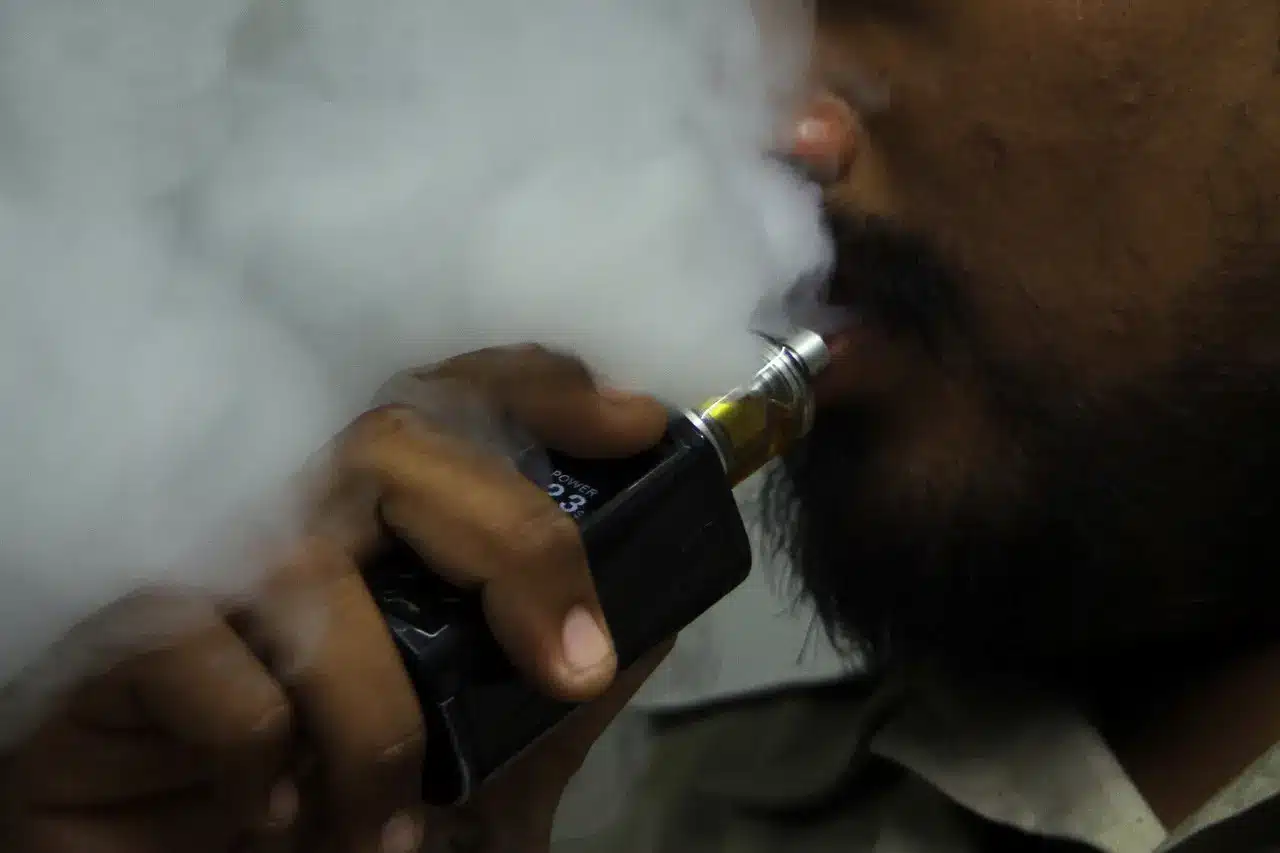
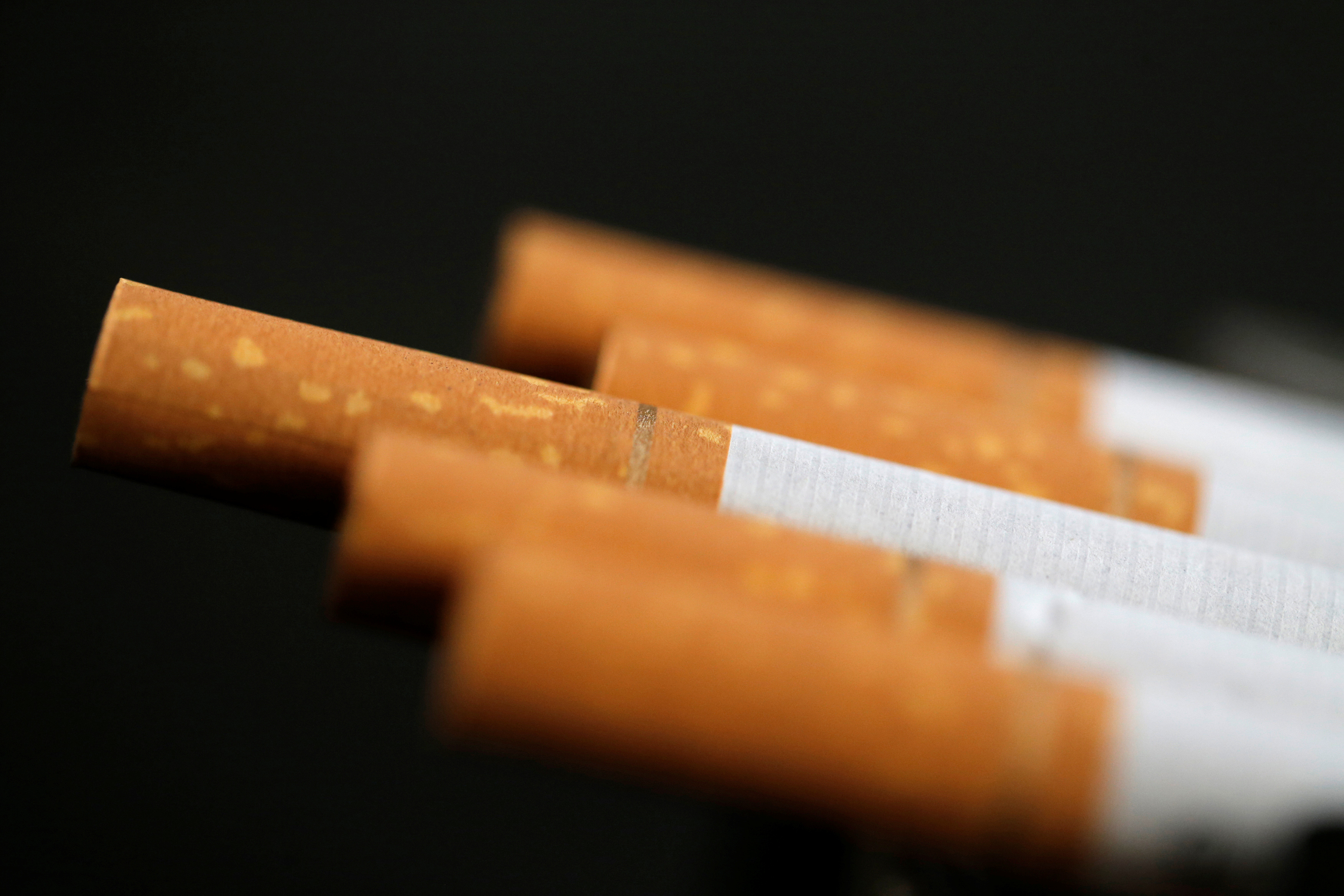
KUALA LUMPUR, Feb 19 — Increasing tobacco excise duties is among the most effective measures to curb the smoking habit, alongside comprehensive enforcement.
This is to ensure the "Endgame 2045" goal of reducing the use of smoking products can be achieved, said the Malaysian Council for Tobacco Control (MCTC).
Its president, Prof Dr Murallitharan Munisamy, said tax increases are among the most effective public health policy instruments to reduce smoking, particularly among the youth and low-income groups, who are more price-sensitive.
“However, to ensure price hikes are truly effective and not manipulated by the illicit market, comprehensive and coordinated enforcement must be the primary foundation of their implementation,” he said in a statement yesterday.
He said the fiscal measure was in line with Malaysia's commitment to the World Health Organisation Framework Convention on Tobacco Control (FCTC), which was inked on Sept 23, 2003, and ratified on Sept 16, 2005.
According to him, various global studies have showed that price increases through taxation are capable of reducing smoking initiation rates among adolescents, encouraging existing smokers to quit, and reducing consumption among high-risk groups.
MCTC also noted that taxes on tobacco products have not been raised since 2015, and that a review of the fiscal policy is urgently required to achieve the “smoking product endgame” target by 2045.
Commenting on concerns that tax increases would lead to a rise in smuggling, he said a World Bank report titled ‘Confronting Illicit Tobacco Trade: A Global Review of Country Experiences’ found that illicit trade is more closely linked to weak enforcement and governance rather than tax rates alone.
In this regard, MCTC urged the government to ratify the ‘Protocol to Eliminate Illicit Trade in Tobacco Products’ to strengthen licensing mechanisms, track-and-trace systems, and cross-border cooperation in accordance with Article 15 of the FCTC.
Tobacco product control is currently overseen by several agencies. The National Kenaf and Tobacco Board handles retail licensing, the Health Ministry enforces smoking and advertising bans, and the Customs Department manages duties and tax markings.
The Solid Waste and Public Cleansing Management Corporation is also involved, overseeing waste management, including the disposal of cigarette butts.
According to MCTC, this fragmented jurisdiction has led to overlaps and resource constraints, highlighting the need to consider coordinating enforcement powers at the local authority level under a clear mandate and with sufficient resources.
“Without a solid enforcement foundation, the positive impact of tax increases would be eroded by the illicit market,” he said.