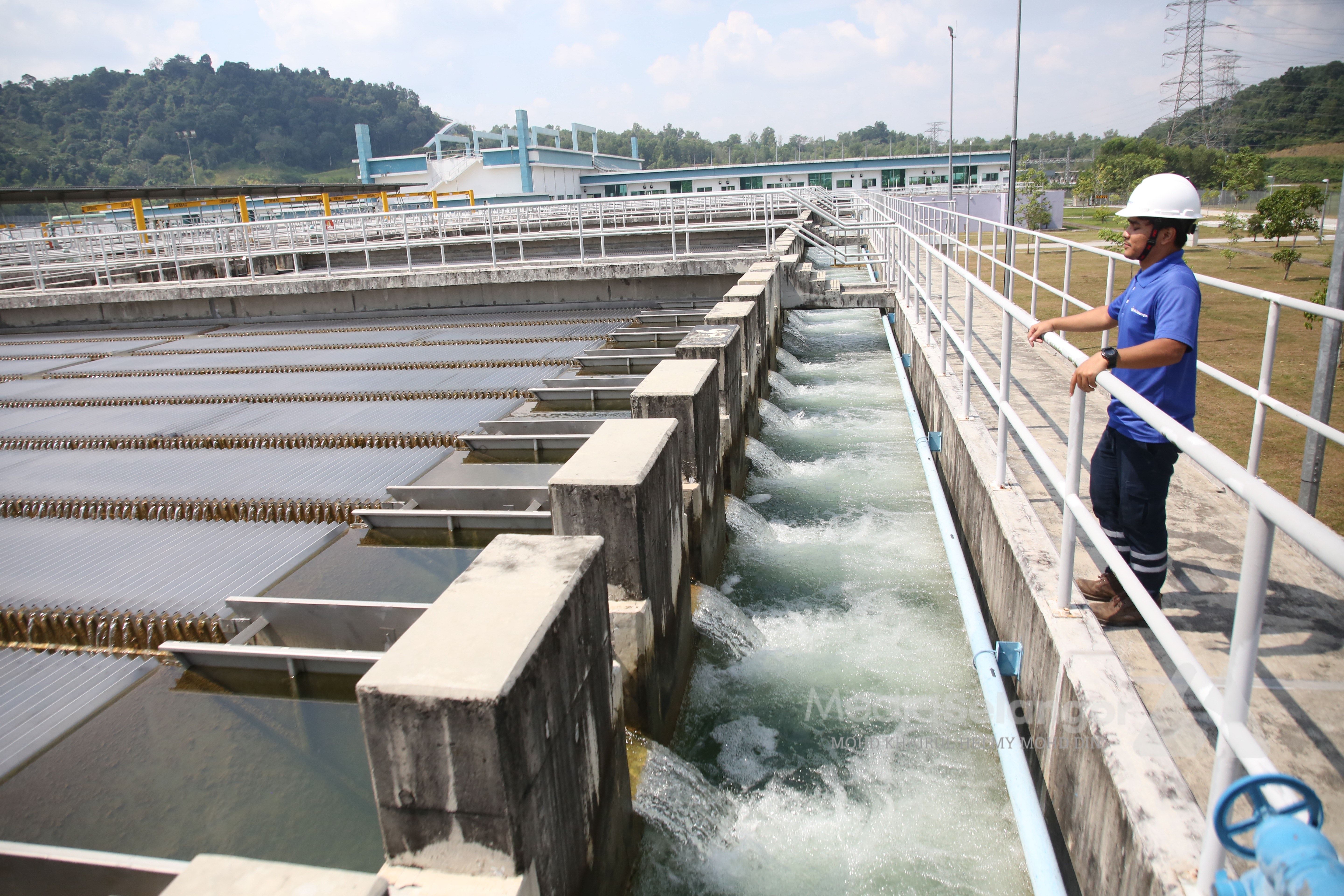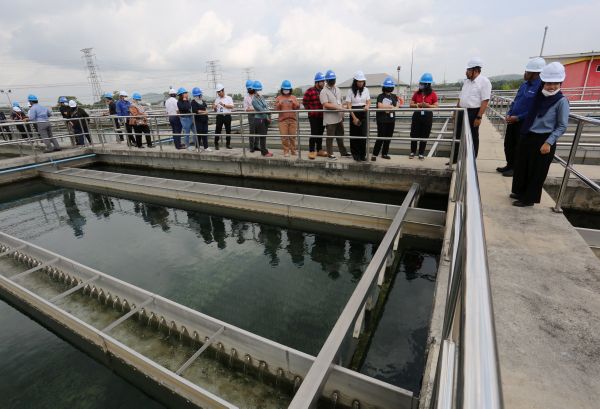
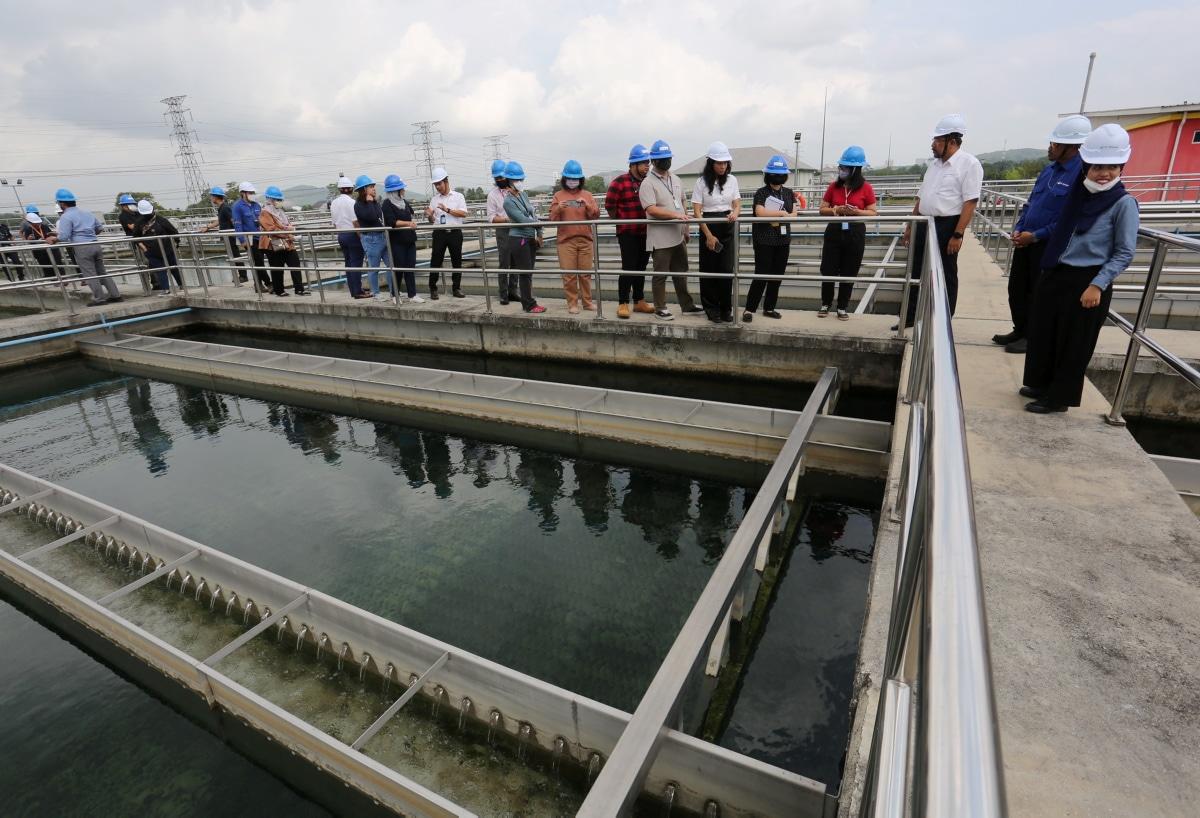
SHAH ALAM, Feb 5 — Selangor’s Zero Discharge Policy (ZDP) has proven effective, with no major water treatment plants (WTPs) reported to have suspended operations since the policy was launched on August 10, 2024.
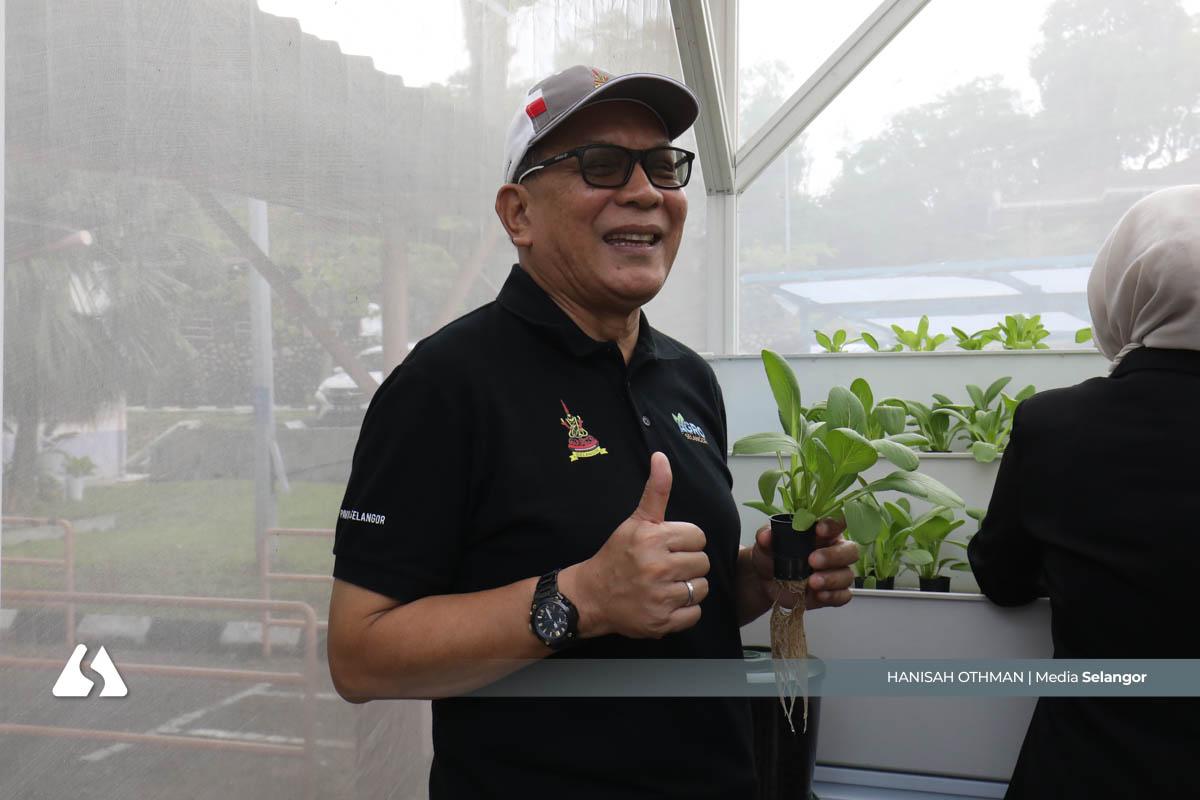
State executive councillor for public health and environment Jamaliah Jamaluddin said the achievement proves ZDP’s effectiveness in strengthening the state’s water resource management, especially in addressing pollution risks from industrial activities.
“Since the ZDP was launched, none of Selangor’s main WRPs have halted operations due to water source pollution from industrial activities,” she said.
She added that ZDP is aligned with the United Nations’ Sixth Sustainable Development Goal: Clean Water and Sanitation, and supports environmental, social and governance (ESG) principles, the circular economy concept, and the First Selangor Plan (RS-1).
Jamaliah said ZDP is an improvement on existing enforcement under the Emission or Discharge of Pollutants (State of Selangor) Regulations 2012, by emphasising comprehensive controls on effluent before its discharge into water sources.
She explained that the main objective of ZDP is to encourage premises to minimise effluent discharge and prioritise the reuse and recycling of wastewater, not to increase operational costs.
“ZDP leans towards nurturing awareness so premises prioritise environmental programmes,” she added.
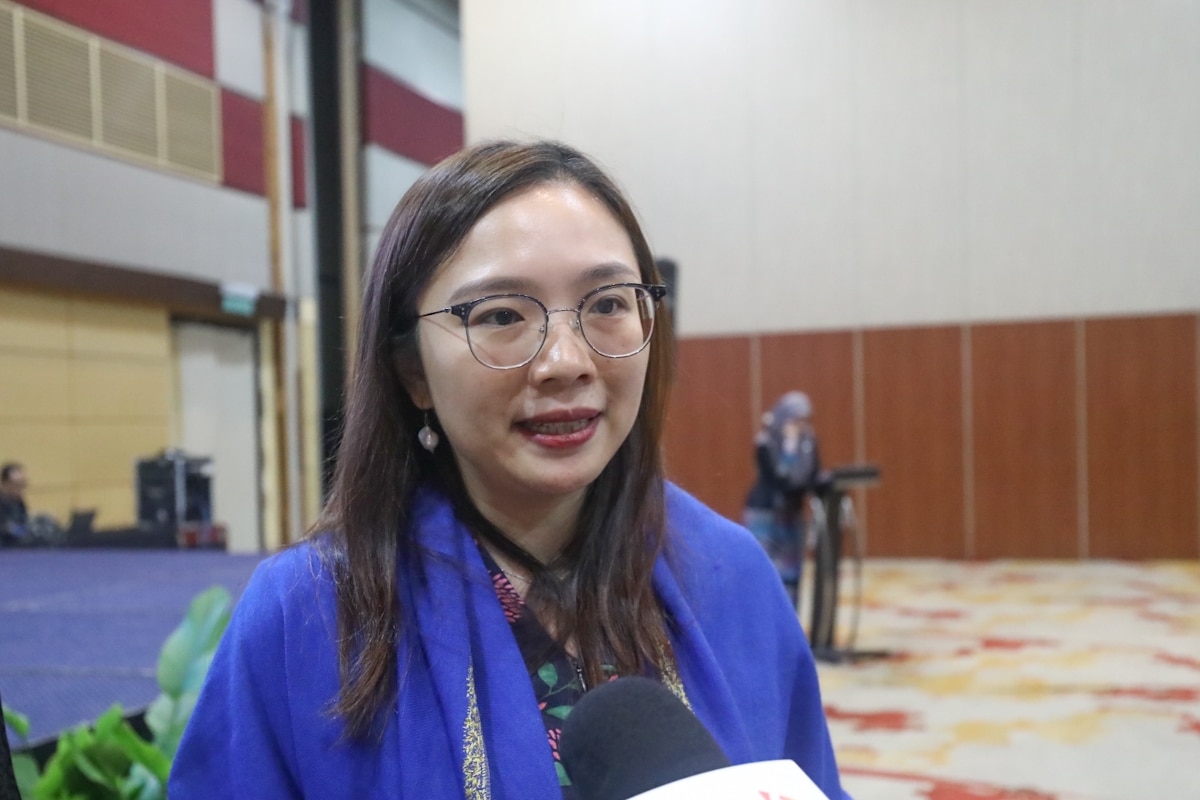
In a related development, Jamaliah said the Water Quality Index of the state’s main rivers up to October 2025 showed minimum readings of Class II and above, which indicates their suitability to supply WTP intakes.
She added that early findings in several industrial sectors, including pulp factories, showed decreased effluent discharge with the integration of recycling systems and the use of current treatment technologies.
“This system has been proven to reduce effluent discharge into water sources by 20 per cent, which improves the state’s water source quality,” she explained.
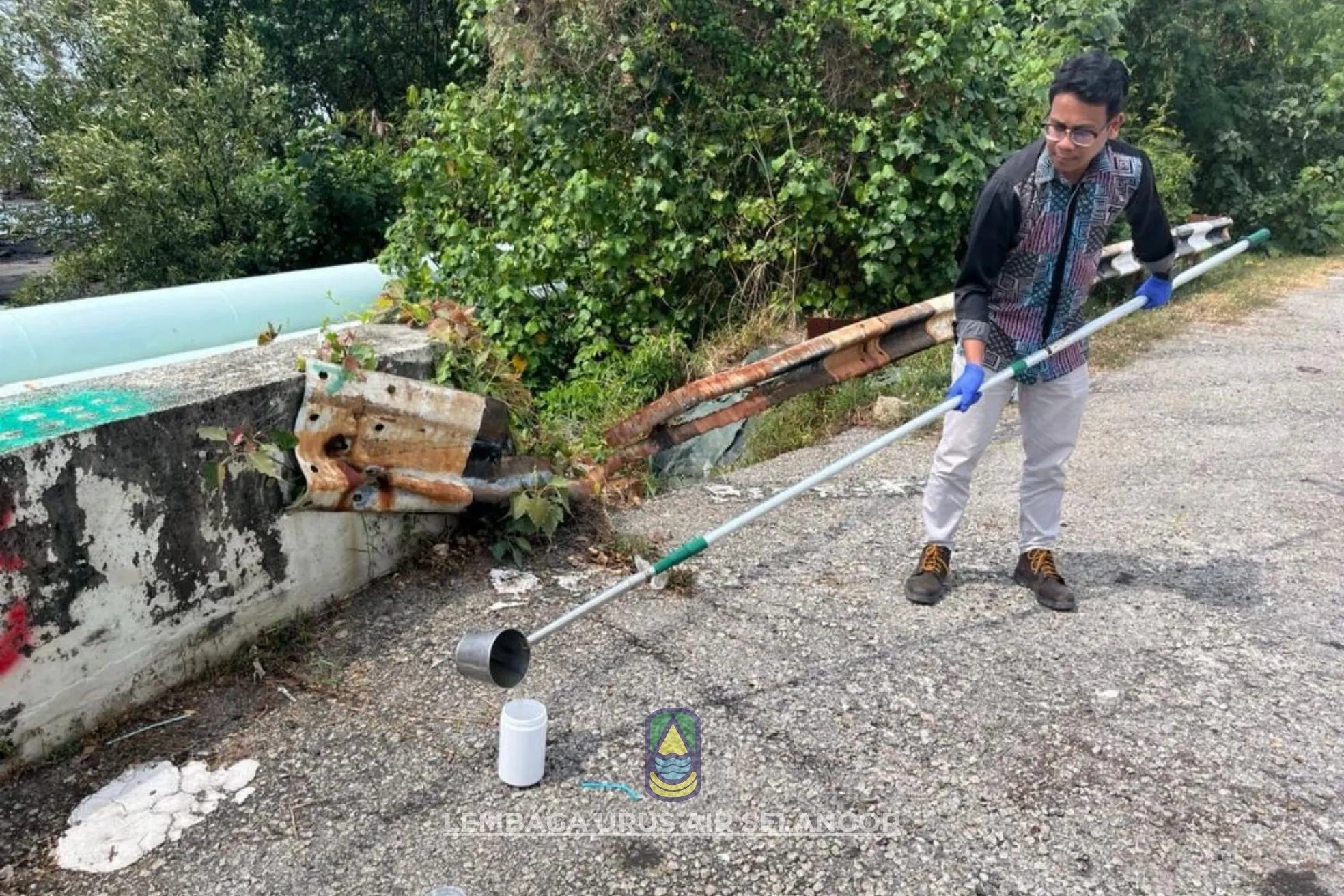
On monitoring, Jamaliah said the Selangor Water Management Authority (LUAS) implements ZDP under the Licensing of Effluent Discharge System (LEDS), which details effluent discharge quality and quantity and continuous enforcement on licensed premises.
She added that licensed premises are required to send return water discharge reports every month, and self-monitoring must be performed by sending samples to accredited laboratories and submitting analysis reports every three months to LUAS.
“Enforcement actions will be pursued if there is non-compliance with established quality standards,” she explained.
Jamaliah said ZDP also involves monitoring licence condition compliances and integrated enforcement with related agencies, to ensure the impact of certain activities on water sources can be continuously decreased.