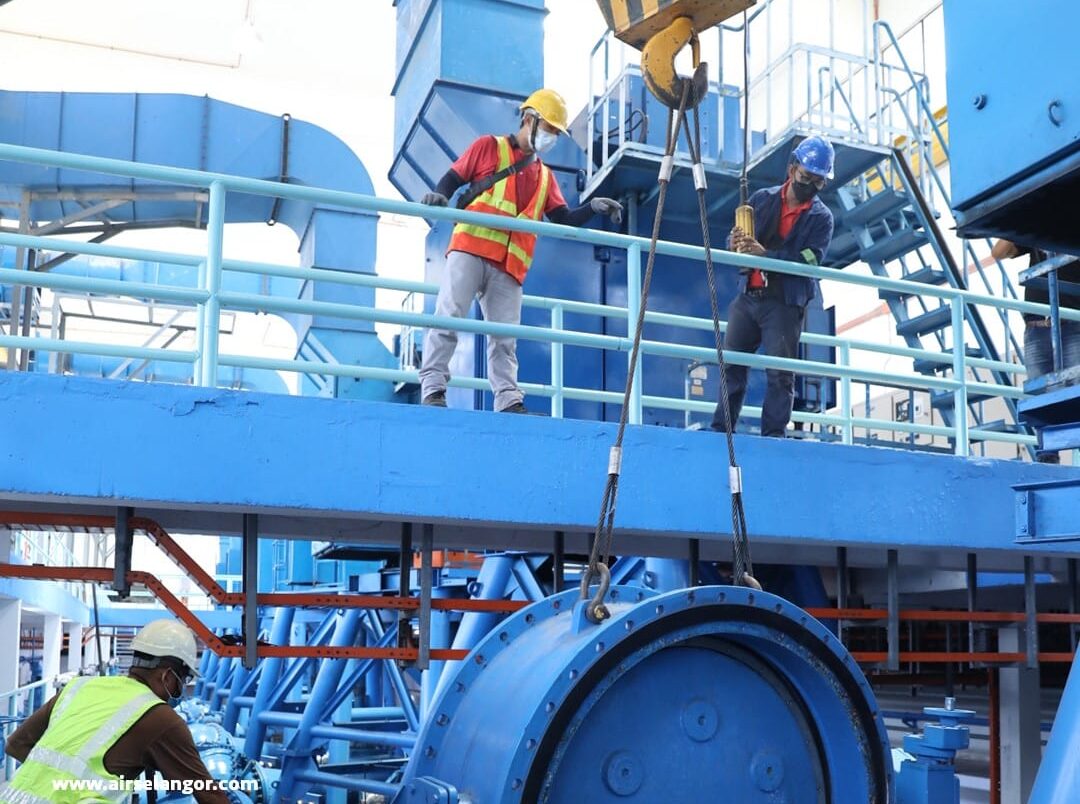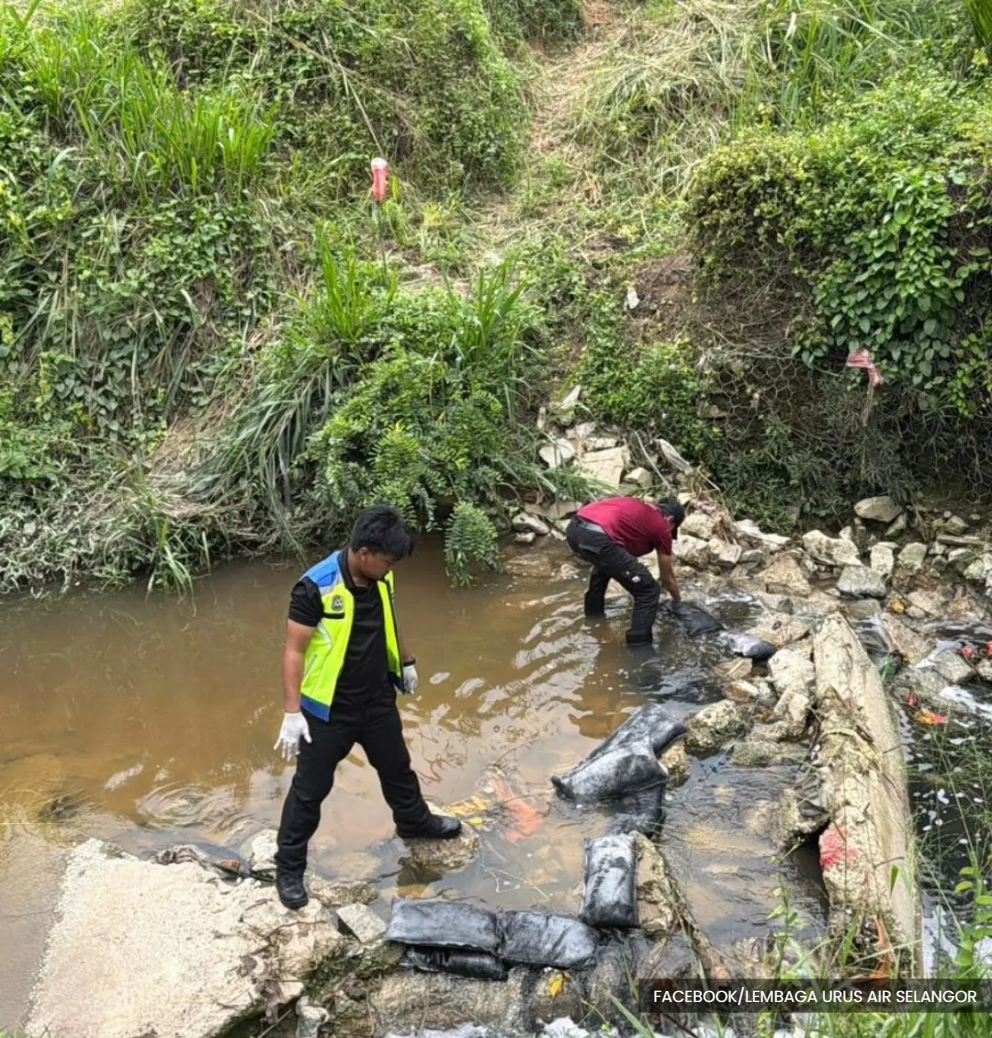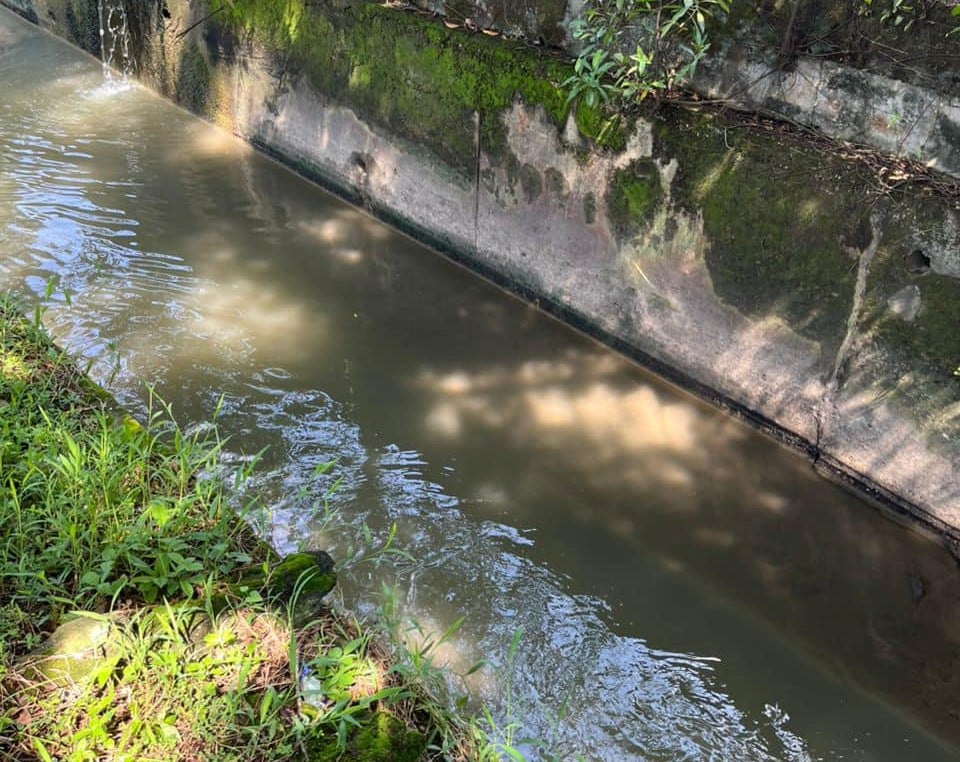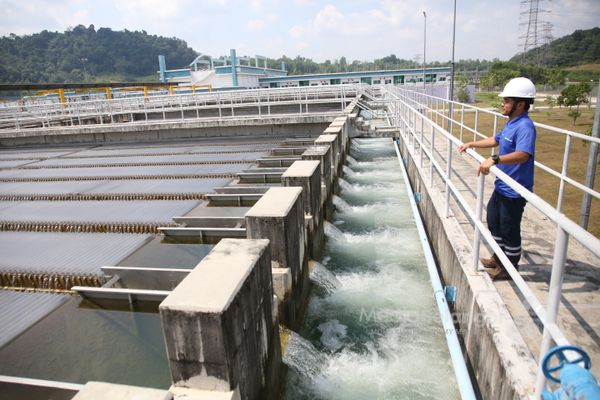
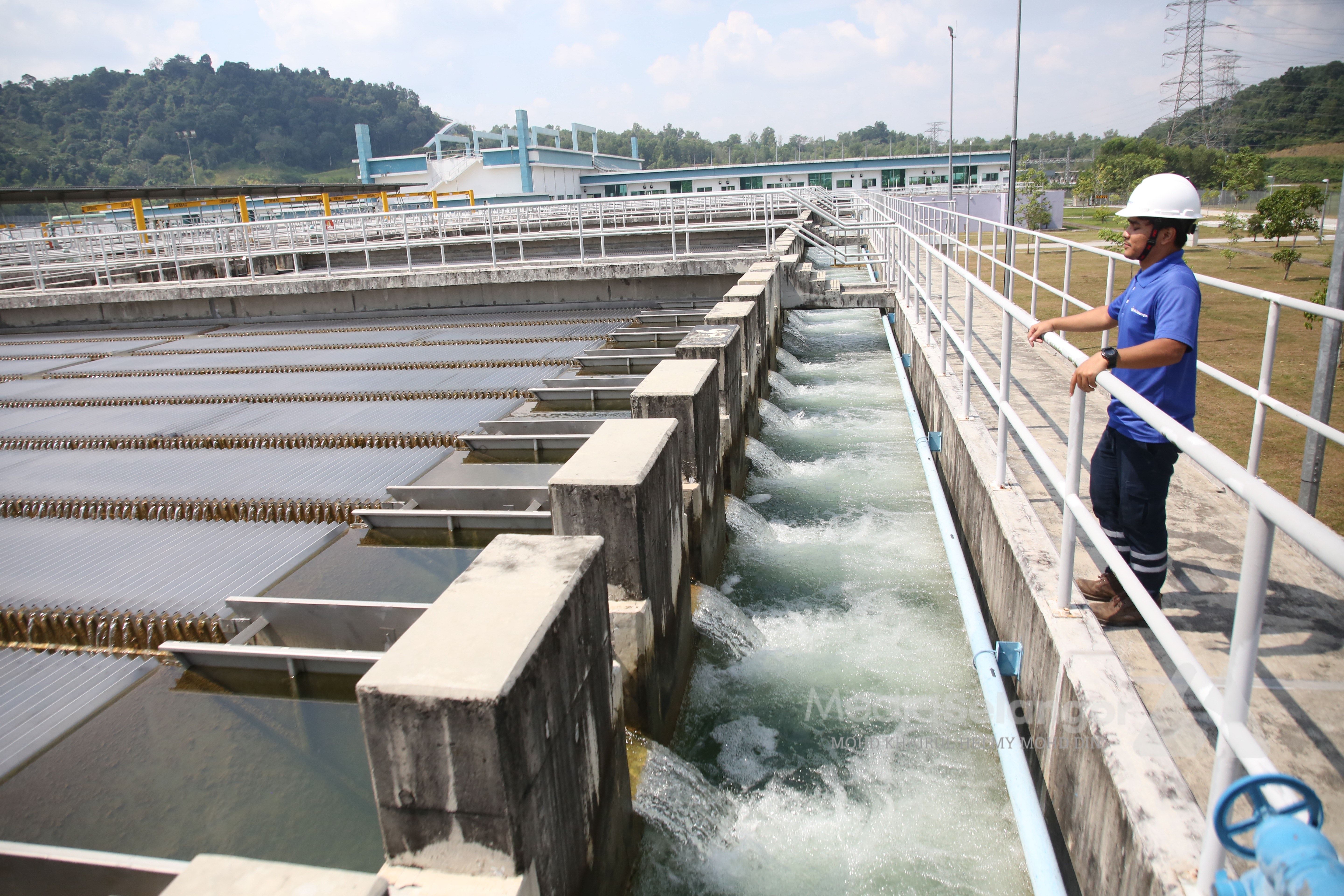
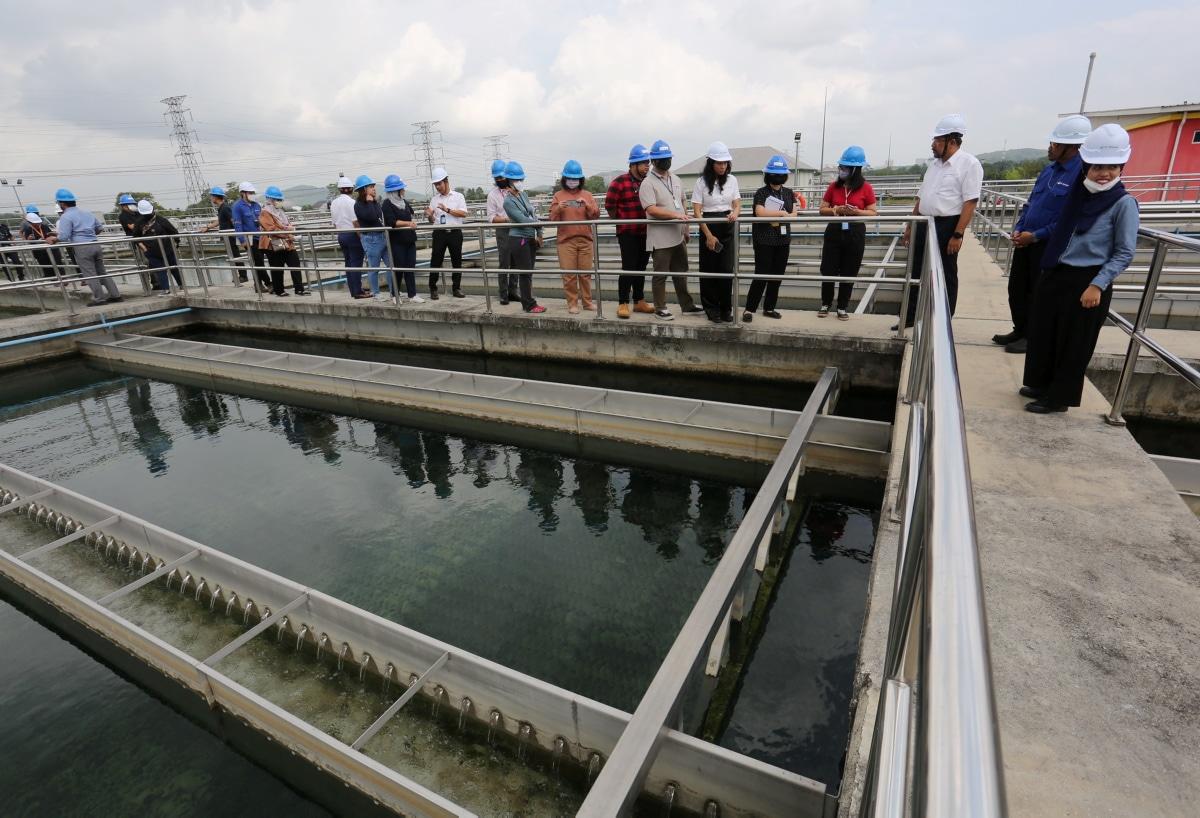

SHAH ALAM, Feb 14 — Since its launch on August 10, 2024, the Zero Discharge Policy (ZDP) has prevented the shutdown of major water treatment plants in the state, which were formerly caused by water source pollution from industrial activities.
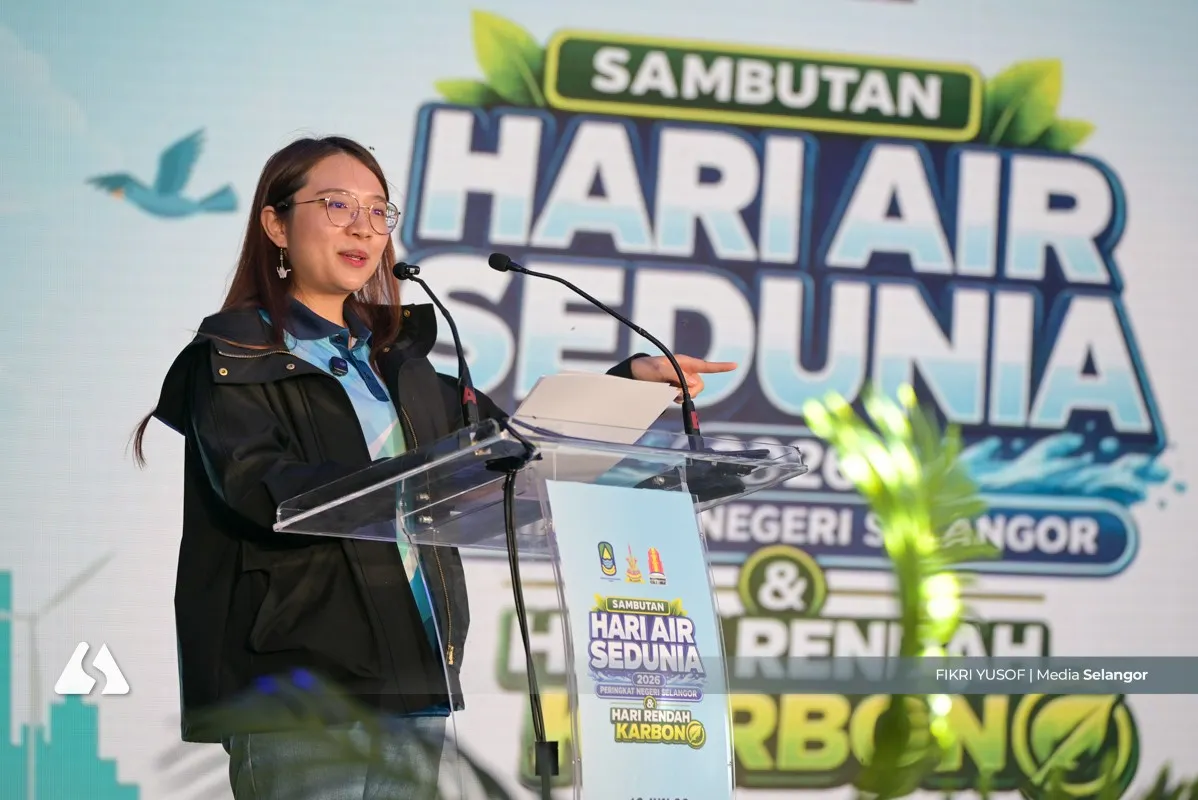
State executive councillor for public health and the environment Jamaliah Jamaluddin said the policy also led to a sharp decline in the number of water source pollution emergency cases.
"28 cases were recorded in 2025, a 65 per cent decrease compared to 80 cases in 2024. 76 such cases were recorded in 2023, 71 cases in 2022, and 64 cases in 2021.
"This sharp decrease proves the effectiveness of the policy in controlling water source pollution," she said in a statement today.
Similarly, the ZDP has improved the Water Quality Index for Selangor's main rivers through October 2025. Based on the Environment Department's classifications of Class I, II, and III as suitable for water supply, while Class IV and V are not, the rivers show minimum readings of Class II and better.
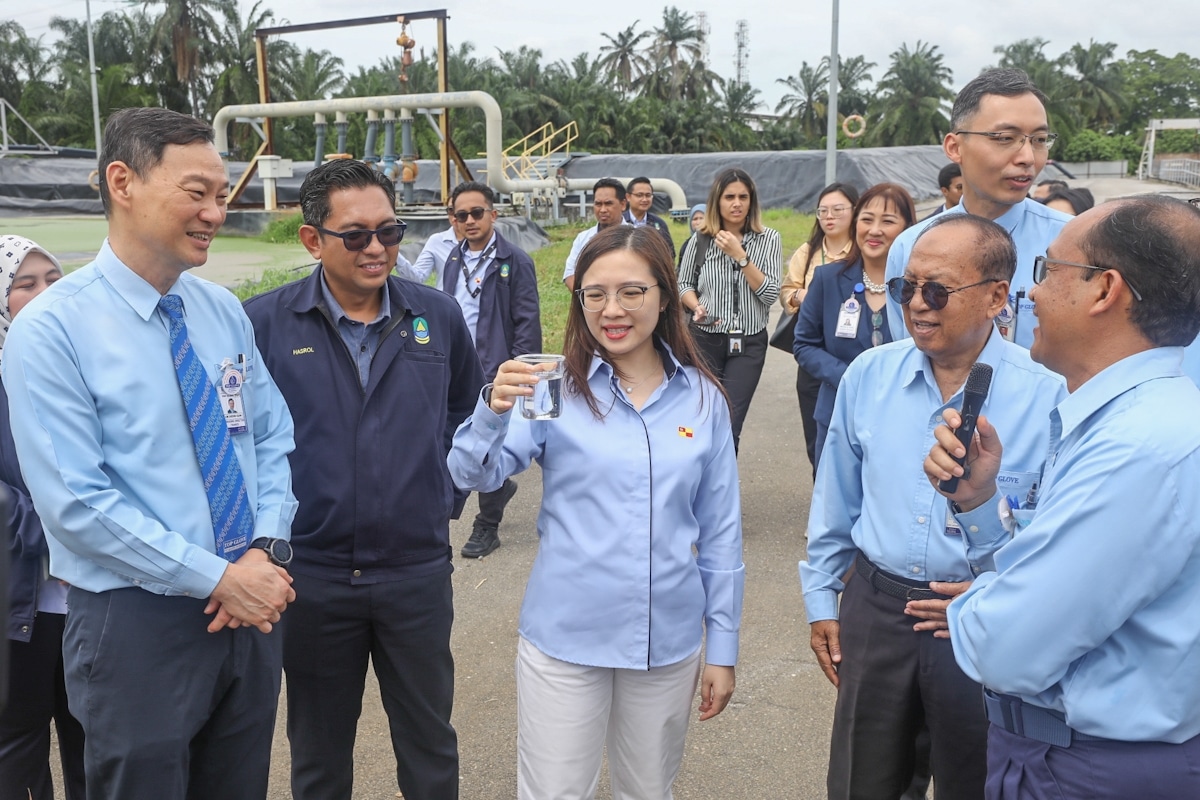
"In the industrial sector, early findings show that several factories, including the pulp industry, have successfully integrated effluent treatment and recycling systems into their daily operations.
"This initiative has reduced effluent discharge into water sources by up to 20 per cent, proving that the ZDP is capable of influencing positive changes in industrial operational practices," Jamaliah said.
She added that the policy's main objective is to encourage industrial and commercial premises to minimise effluent discharge, implement wastewater reuse and recycling practices, and foster environmental awareness, without imposing unreasonable operational costs.
"This approach emphasises shared responsibility in protecting water resources as a strategic asset of the state. It is implemented through the Licensing of Effluent Discharge (LEDs) System, which involves monitoring two main aspects: the quality and quantity of effluent discharge.
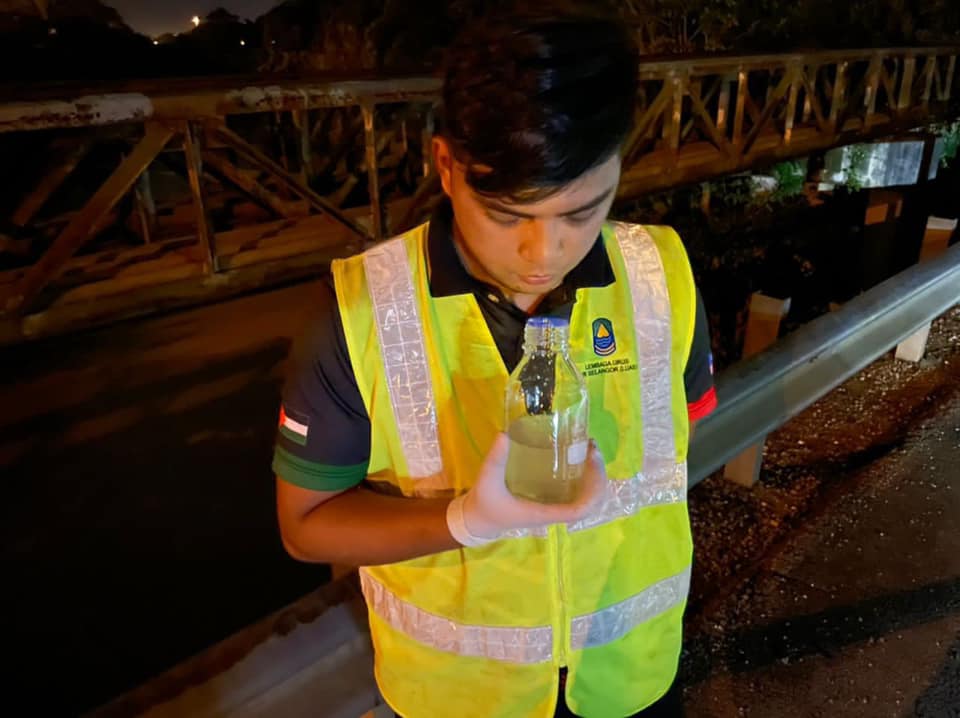
"The quality aspect requires licensed premises to conduct self-monitoring by carrying out effluent quality sampling at accredited laboratories. The laboratory analysis reports must be sent to the Selangor Water Management Authority (LUAS) every three months for monitoring purposes against the set standard parameter limits," Jamaliah said, adding that enforcement action will be taken against relevant premises if non-compliance with the set quality standard limits occurs.
Regarding quantity, she said that licensed premises must submit monthly return water discharge reports to the LUAS for monitoring and the imposition of return water charges.
The ZDP, led by LUAS, is an enhancement of the Entry or Discharge of Contaminants (State of Selangor) Regulations 2012. Under it, all wastewater or effluents generated from human activities must be managed and treated in a controlled manner before any discharge into water sources is permitted.
"The policy is a proactive and strategic step in line with Sustainable Development Goal 6: Clean Water and Sanitation, in addition to supporting Environmental, Social, and Governance practices, the Circular Economy Concept, and the First Selangor Plan.
"We remain committed to ensuring the sustainability of Selangor's water resources through the implementation of the ZDP," Jamaliah said.
The councillor noted that the policy's successful implementation has also attracted the interest of several other state governments seeking to learn from and emulate this approach.
"The Selangor state government warmly welcomes cooperation in sharing knowledge and experience to strengthen water resource management at the national level. It will continue to strengthen policies, enforcement, and strategic collaborations to ensure the state's water resources are protected sustainably for the well-being of its people, for current and future generations," she said.