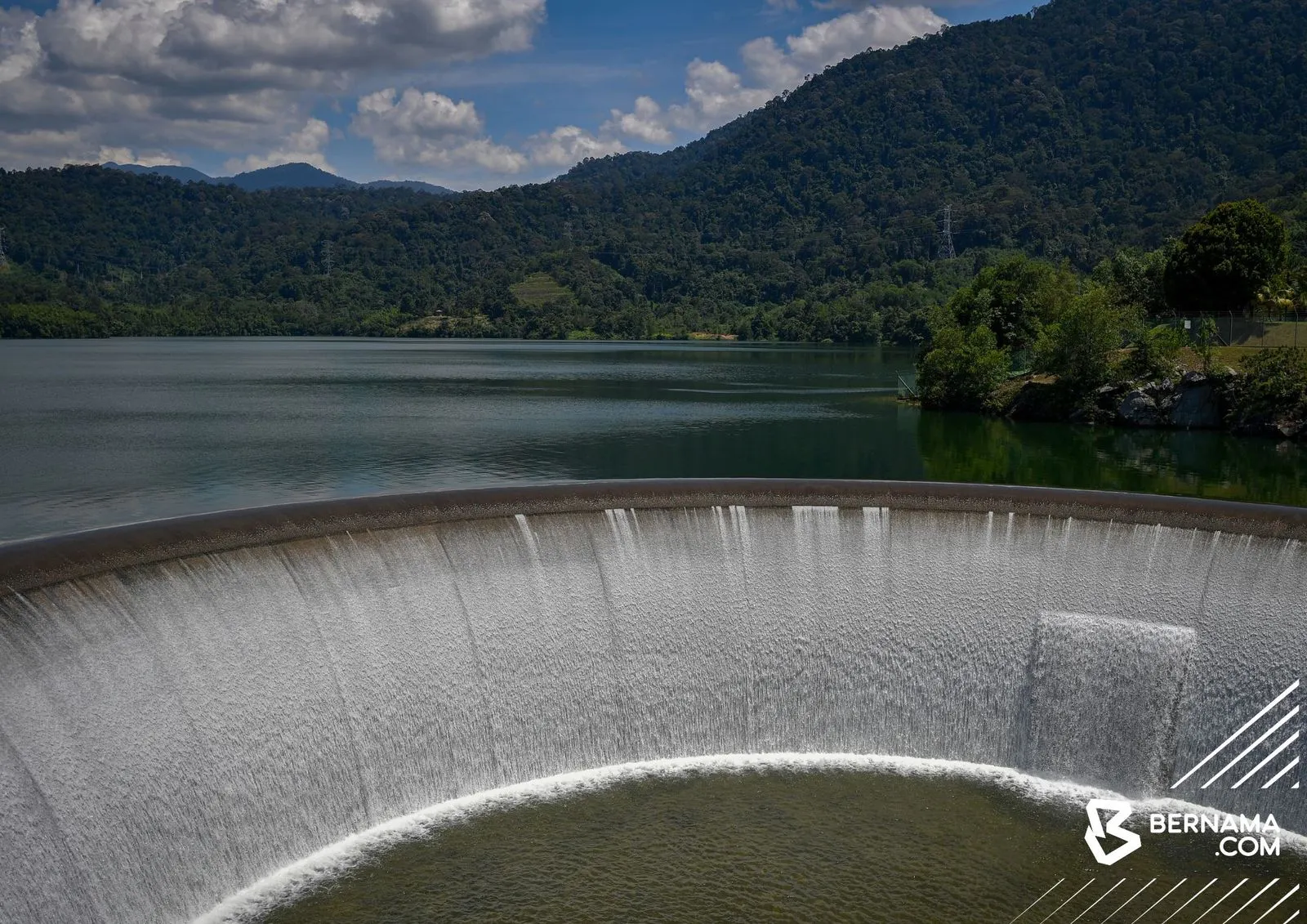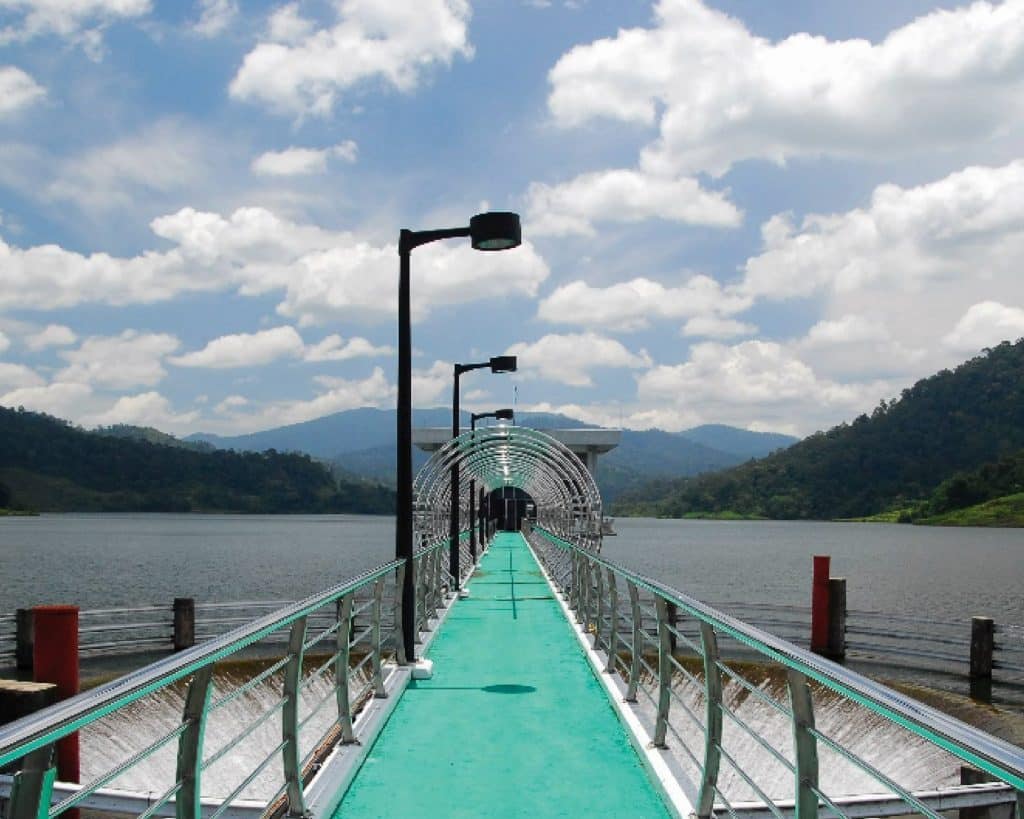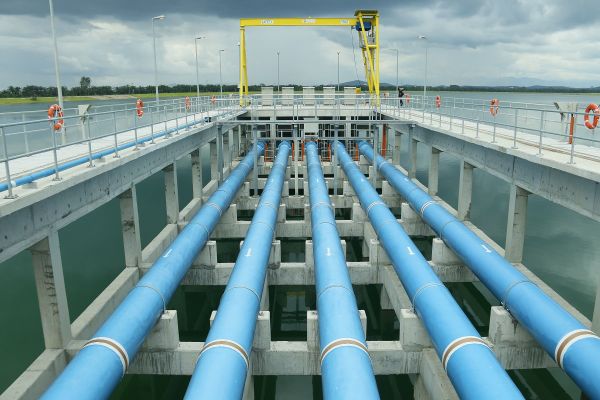
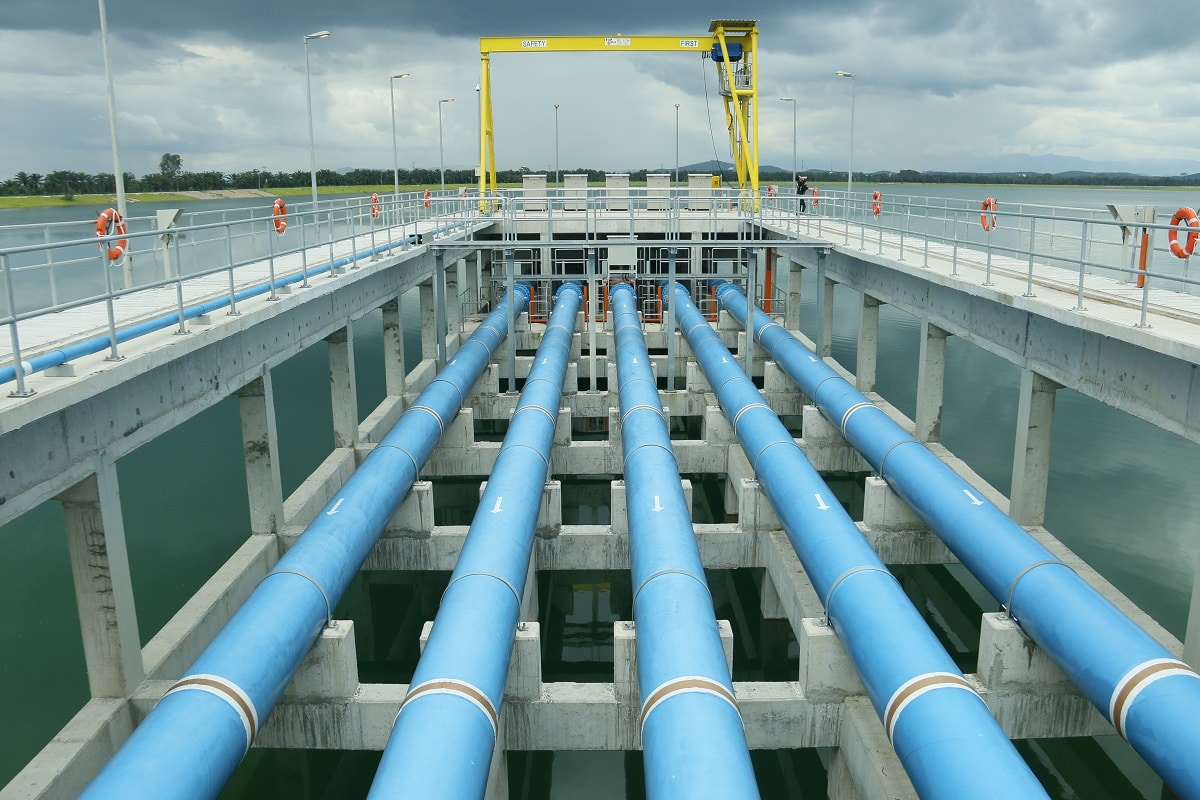
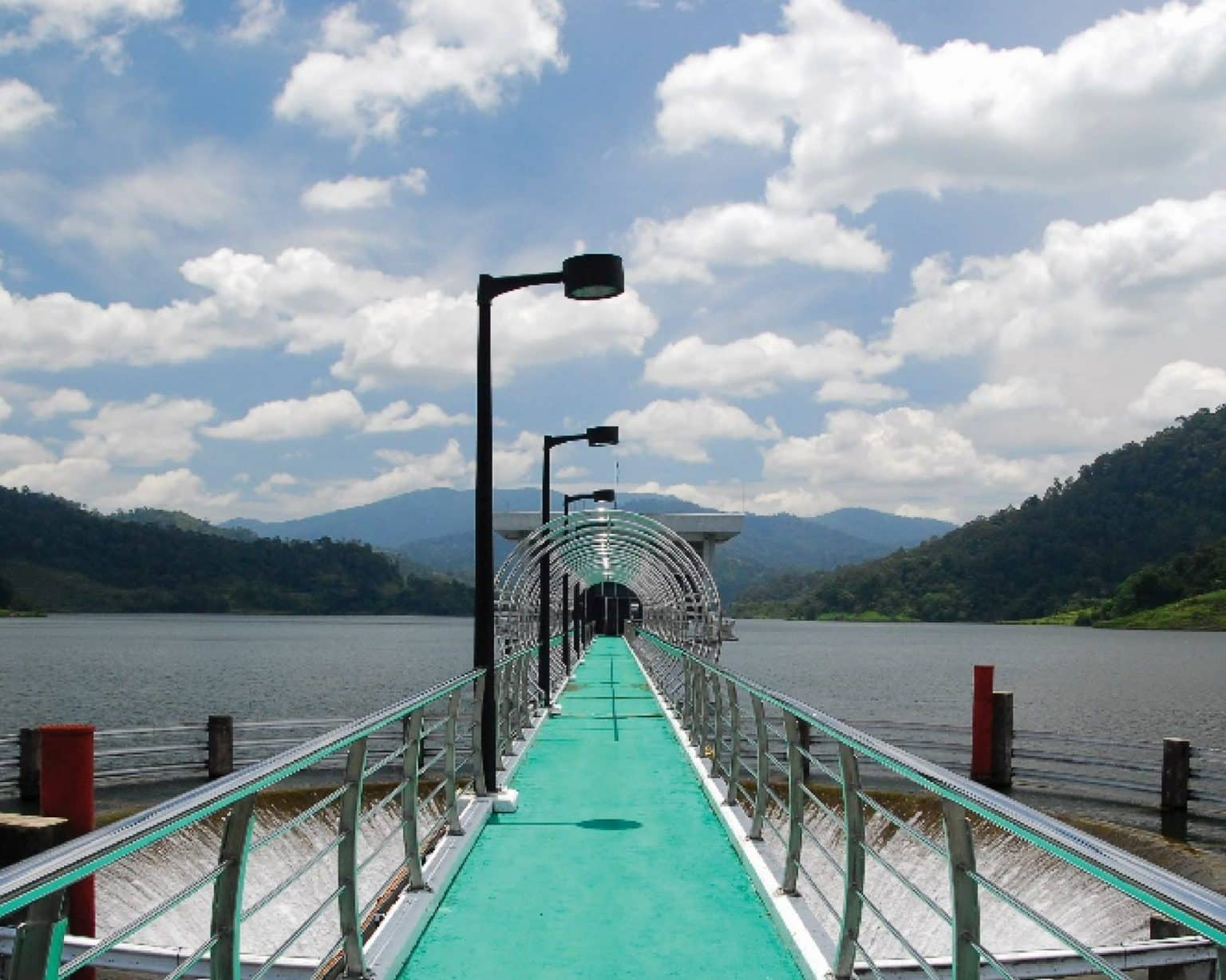
SHAH ALAM, Feb 12 — Selangor is prepared to face the upcoming hot and dry season, with all state dams holding sufficient water to last up to six months.
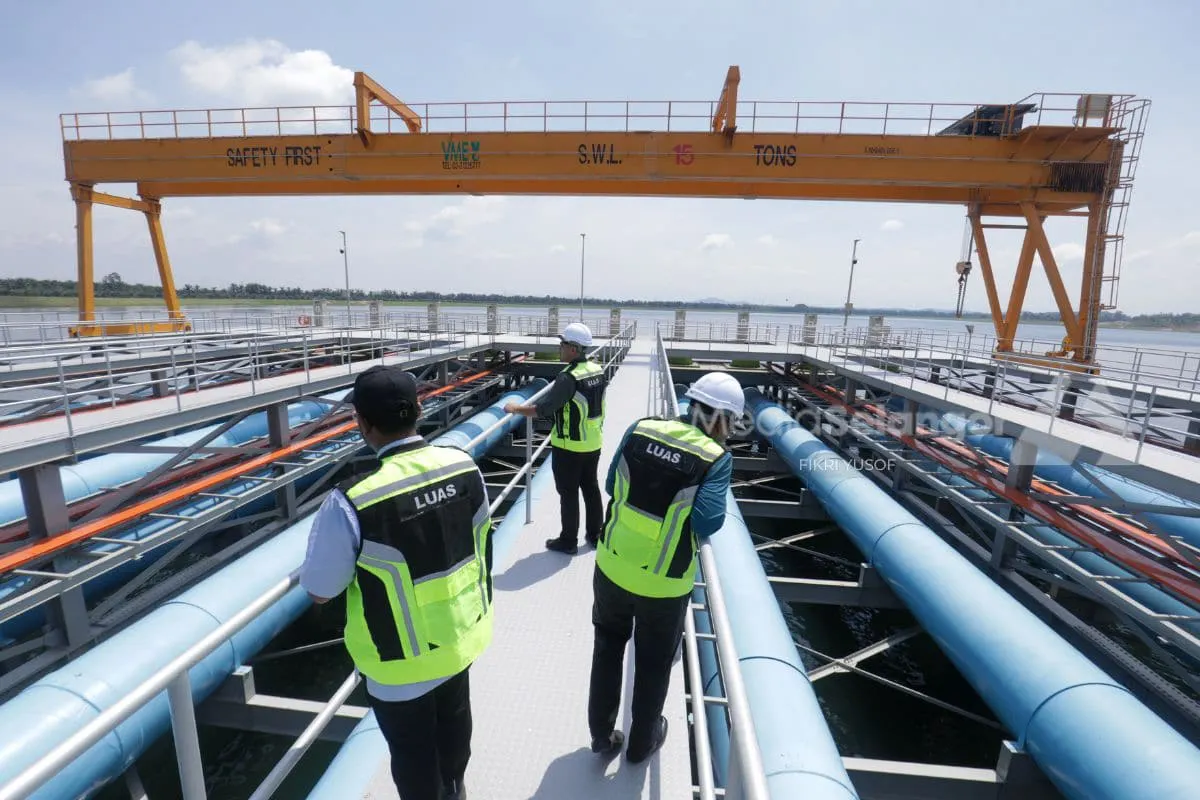
Executive councillor for infrastructure, Dato’ Izham Hashim, said the preparedness involves the Selangor Water Management Authority (LUAS) working alongside relevant agencies to ensure a steady supply of raw water to treatment plants throughout the dry period.
“The capacity and lifespan of these dams can sustain critical water levels for up to six months, depending on releases to meet the needs of water treatment plants,” he said in a statement on February 9.
Izham added that the state government has taken early measures to ensure dams are at optimal levels ahead of the Southwest Monsoon, expected to begin in May.
Among the steps taken was controlled water release from seven state dams between August and October last year, maintaining dam levels at 85–90 per cent capacity.
“This allowed the dams to store excess rainfall in November and December as preparation for the dry season,” he said.
LUAS has ensured dam capacities reach 100 per cent between January and April 2026 in readiness for the monsoon.
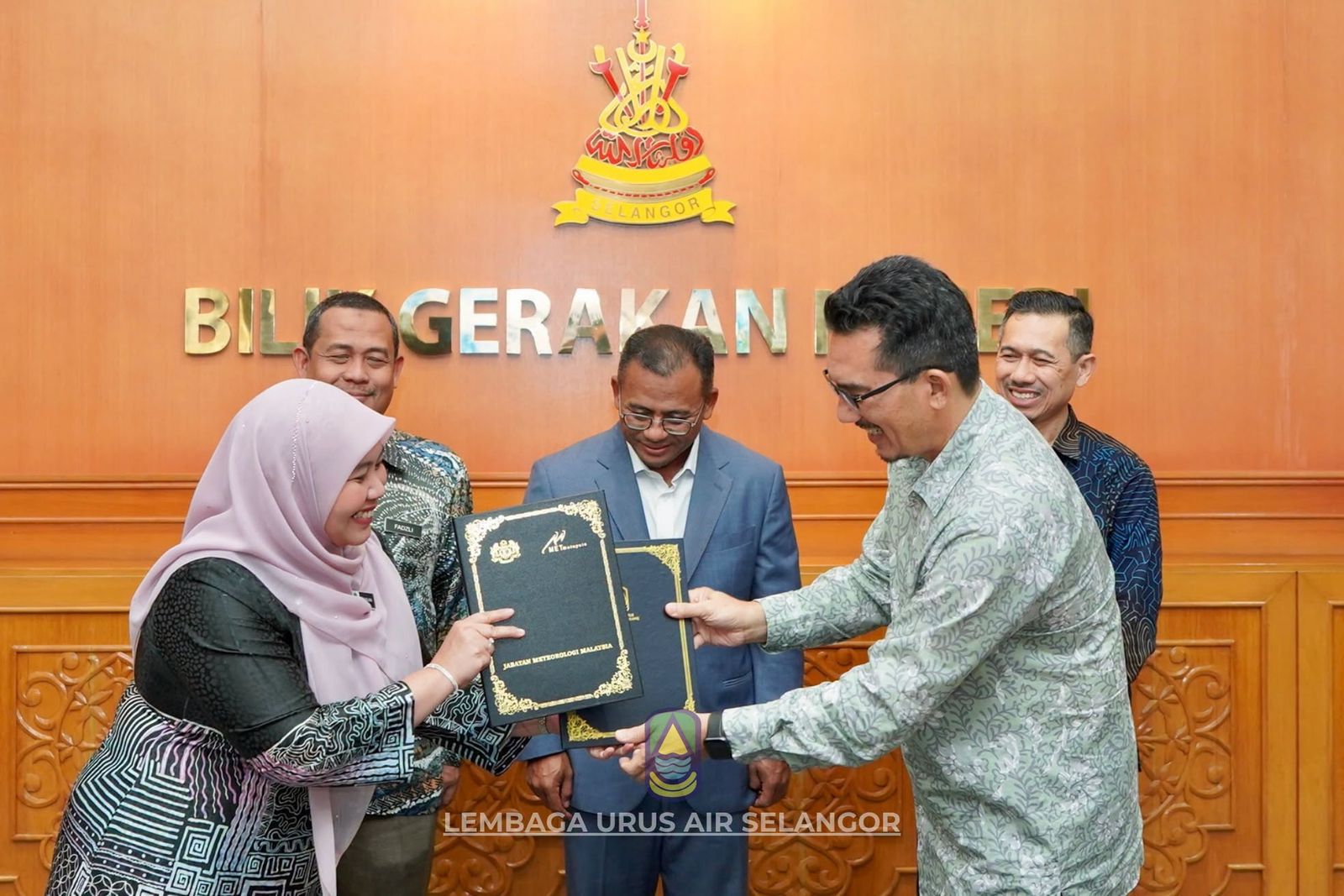
Earlier, the Malaysian Meteorological Department (MET Malaysia) predicted that the hot, dry conditions from the Southwest Monsoon would begin in May and last until September 2026, bringing lower humidity and reduced rainfall in most areas.
Some areas are already feeling the effects: Perlis recorded 30 days without rain, while Kuala Langat in Selangor recorded 23 dry days.
As of February 9, Izham said dam capacities across the state remain in good condition, with Semenyih Dam at 100 per cent and other dams above 74 per cent.
Daily monitoring is carried out through the Activation of Water Pumping Operations (OPAK), which can release water to dams up to 80 per cent capacity if levels drop.
Water releases involve reservoirs designated as protected zones under Section 48 of the LUAS Enactment, including HORAS 600 Reservoir, KL Larut Reservoir, and Hang Tuah Reservoir.
“Dam operations are aligned with the standard operating procedures for dry-season water management in Selangor, aiming to optimise alternative water sources with current supply sufficient for up to three months,” he added.