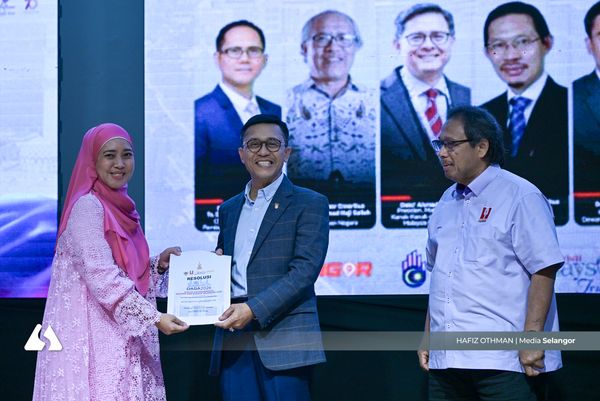
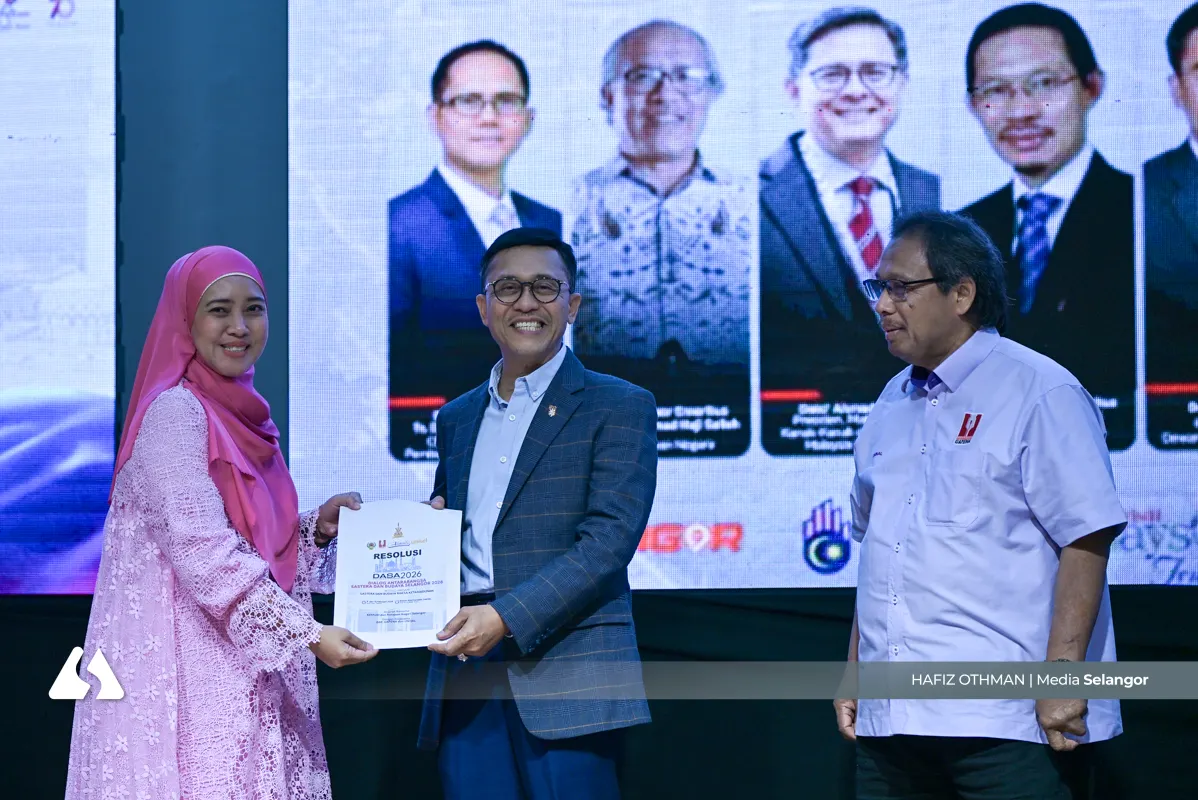
SHAH ALAM, Feb 10 — The Selangor International Literary and Cultural Dialogue 2026 (DASA 2026) serves as a strategic platform to position Shah Alam as an international literary city, grounded in the strengthening of language, literature, and culture as the core of civilisational development and national identity.
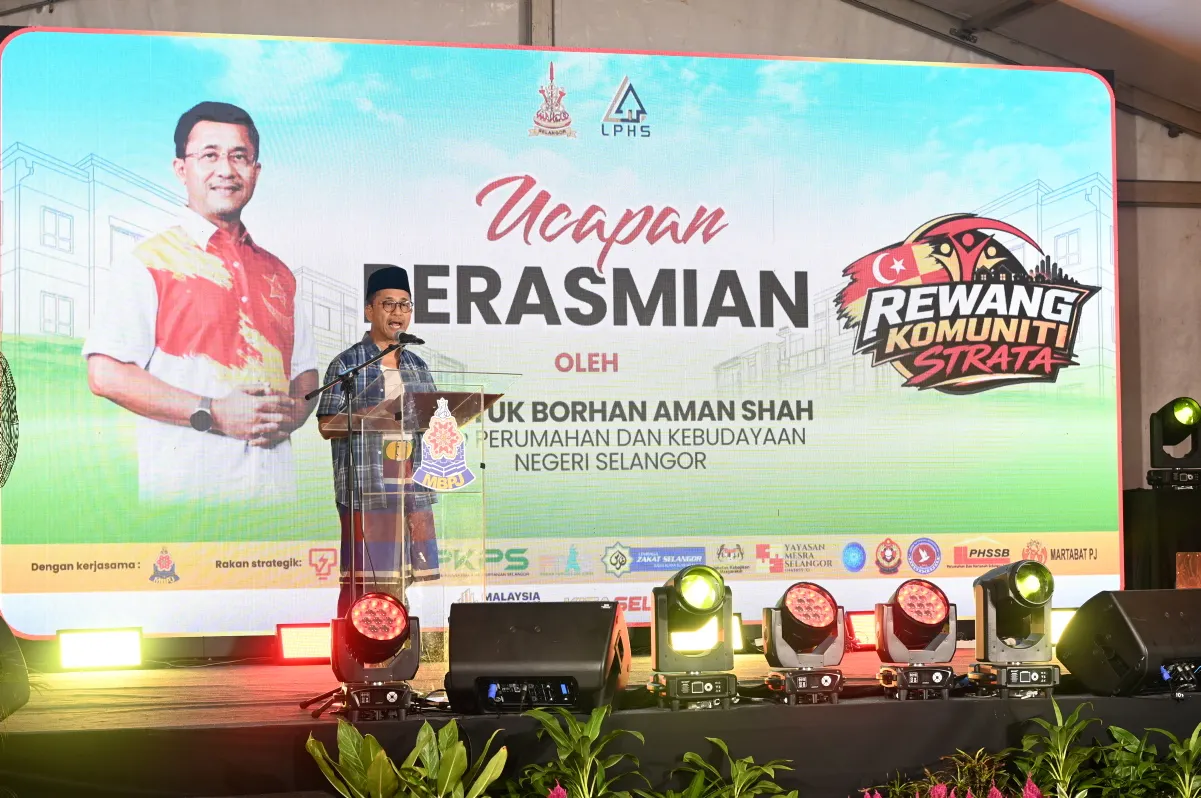
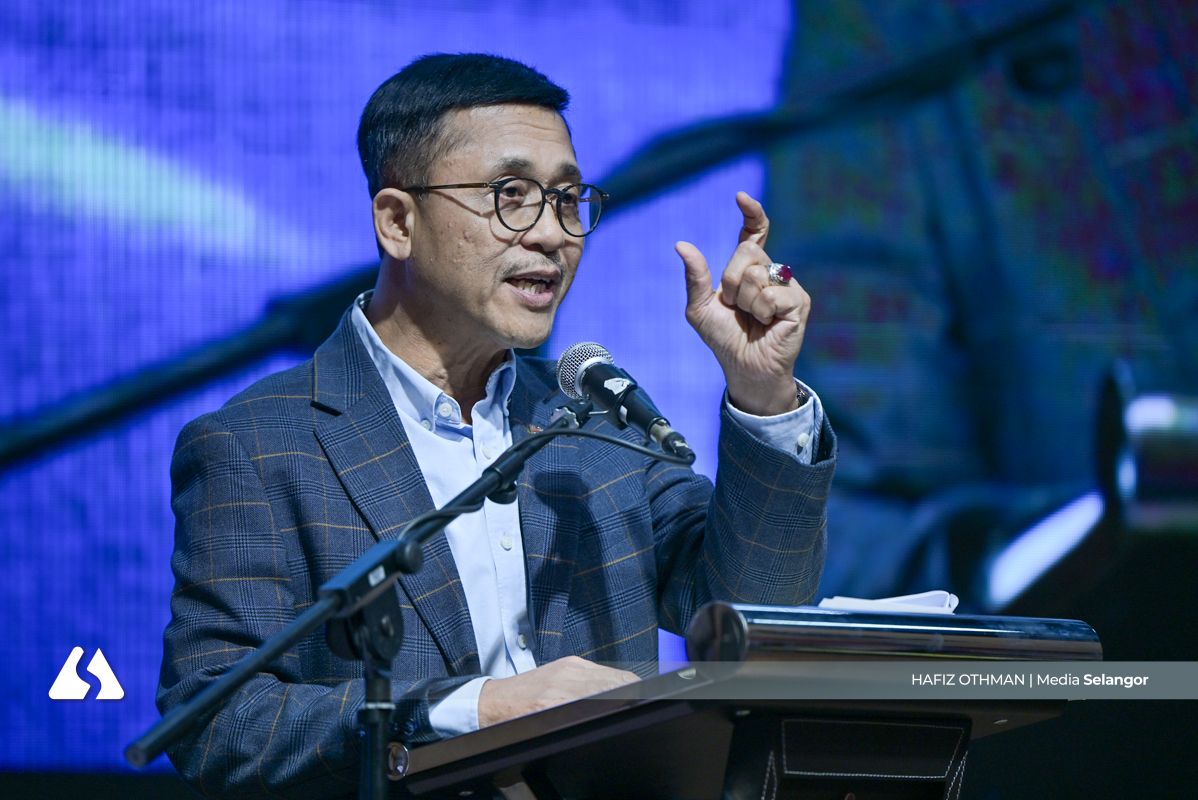
State executive councillor for housing and culture Datuk Borhan Aman Shah said the organisation of the dialogue reflects the state government’s continued commitment to elevating culture and embedding cultural values as part of Selangor's development.
“Language, literature, and culture are not merely legacies of the past; they form a crucial foundation in building civilisation, identity, and the intellectual character of society,” he said when officiating the dialogue's closing ceremony at Universiti Selangor today.
Borhan added that state development should not focus solely on physical or economic progress but must also nurture the nation’s soul through cultural values and knowledge.
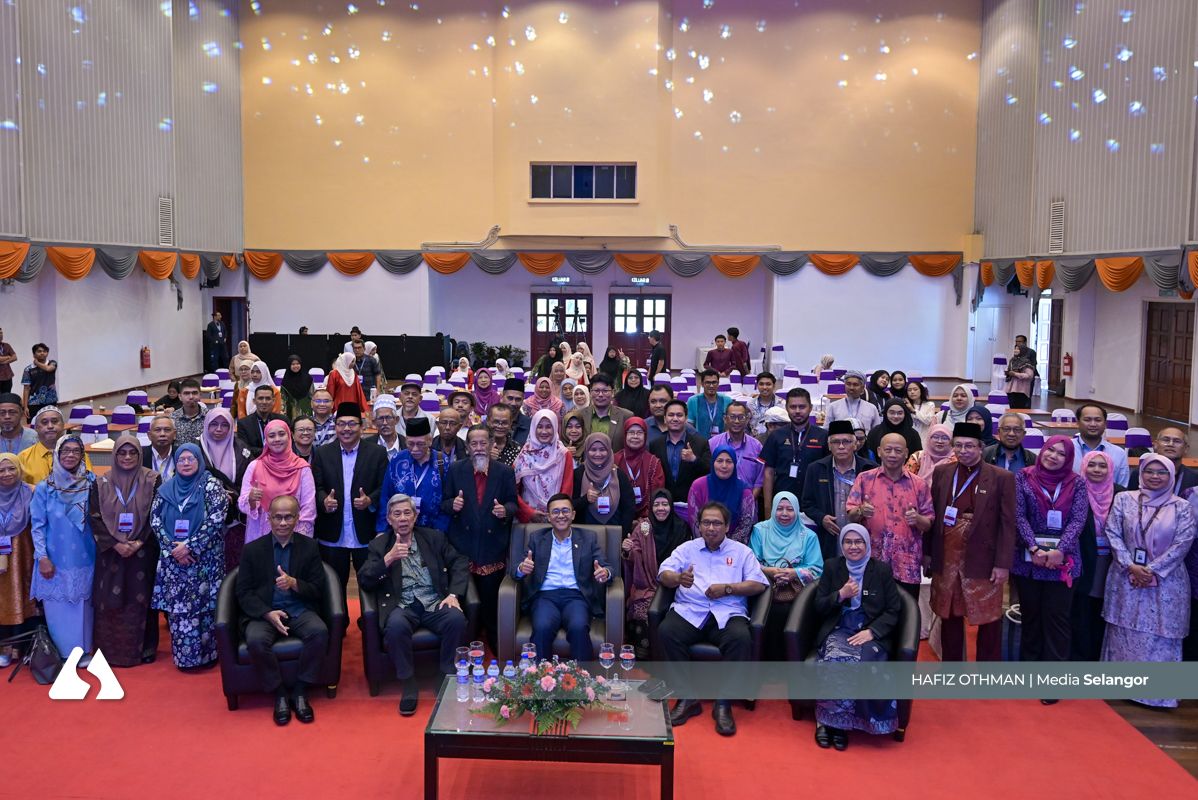
The two-day programme, which began yesterday, was attended by around 250 participants from within and outside the country, including literary figures, scholars, writers, and cultural practitioners, who shared views and experiences on advancing local and international language, literature, and culture.
Its opening ceremony was officiated by Prime Minister Datuk Seri Anwar Ibrahim, with Menteri Besar Dato' Seri Amirudin Shari in attendance.
Speaking at the event last night, Amirudin said that Selangor’s development and progress are not focused solely on economic aspects, but also emphasise organising cultural and artistic programmes to build a knowledgeable, ethical, and cultured society.
“The organisation of DASA 2026 not only instils human values and shapes rational thinking, but also adds value to state development, ultimately positioning Shah Alam as a modern city with a strong identity and sense of self,” he said.
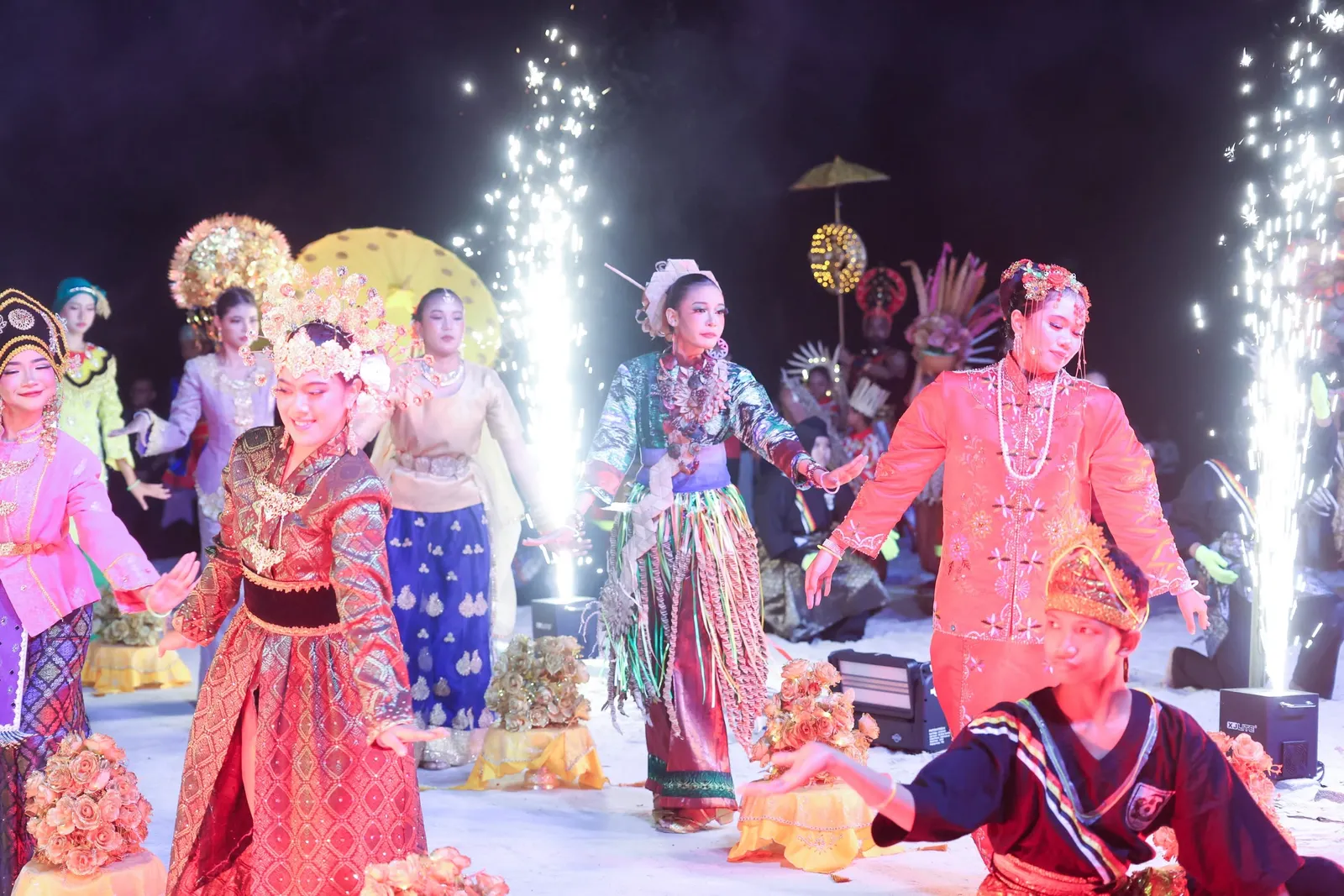
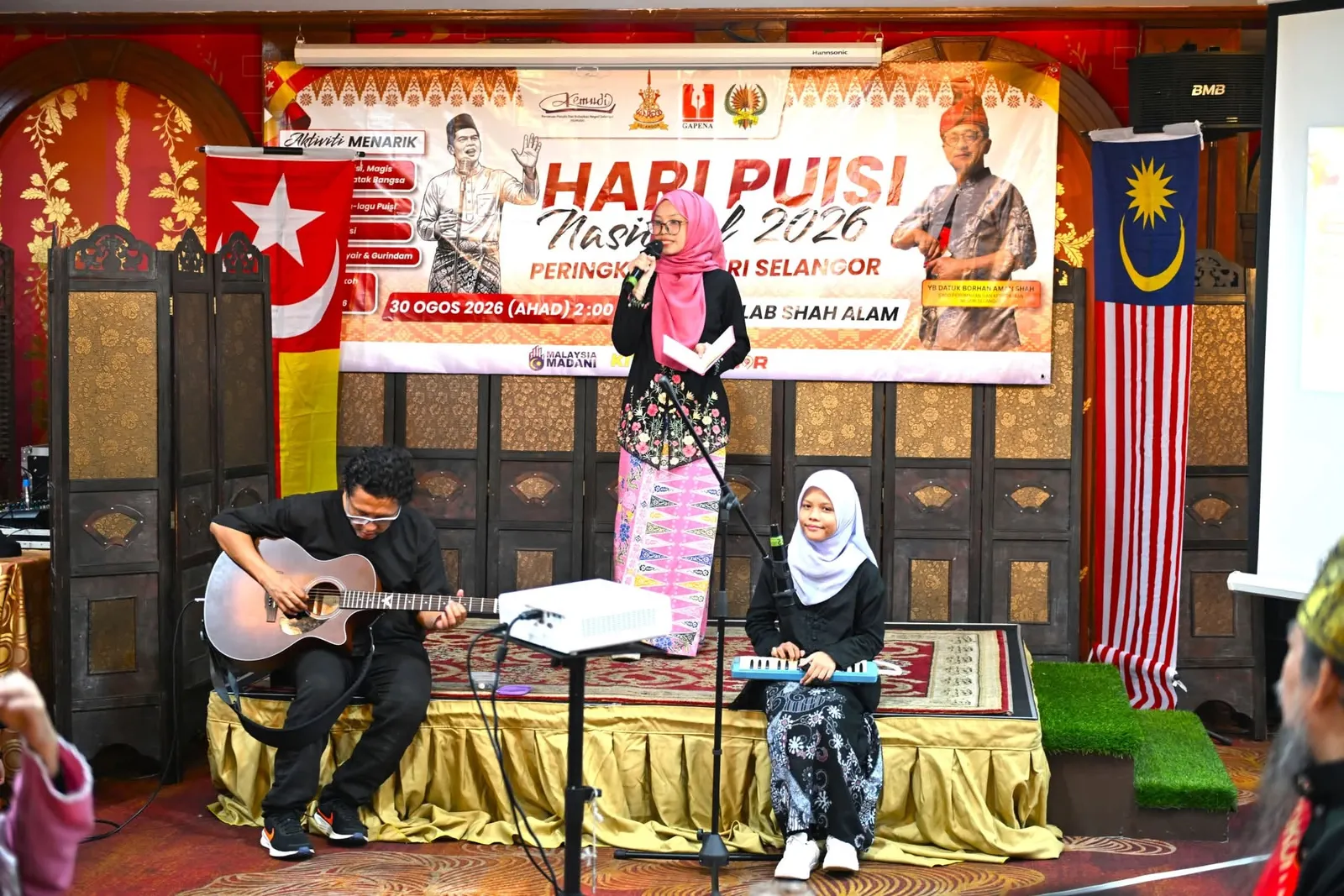
The programme also featured forums, workshops, and traditional and contemporary cultural performances, providing opportunities for collaboration between local and international cultural practitioners to strengthen the state’s literary ecosystem.