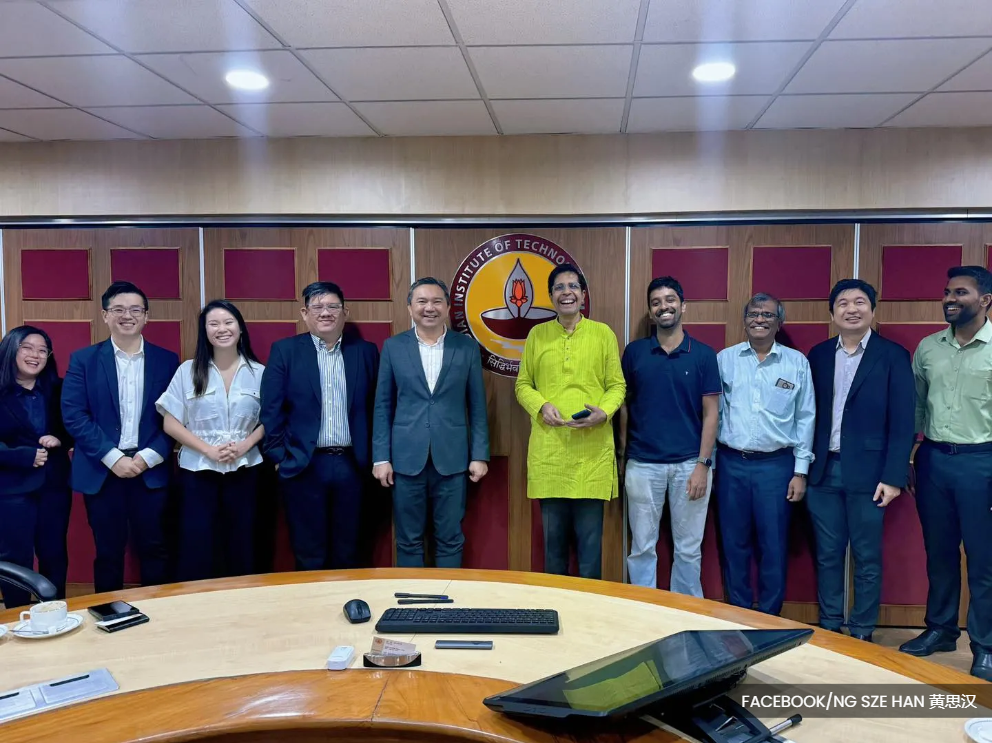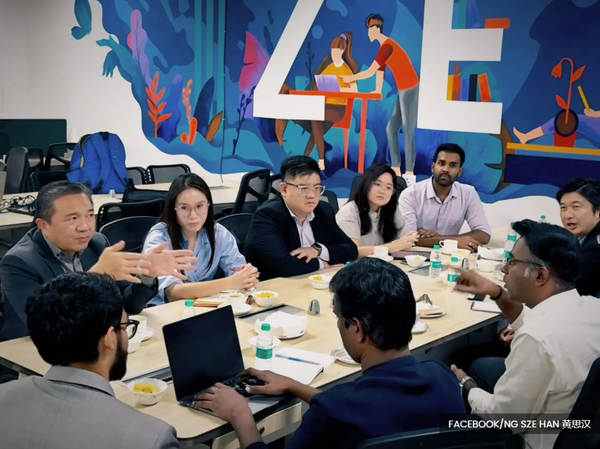
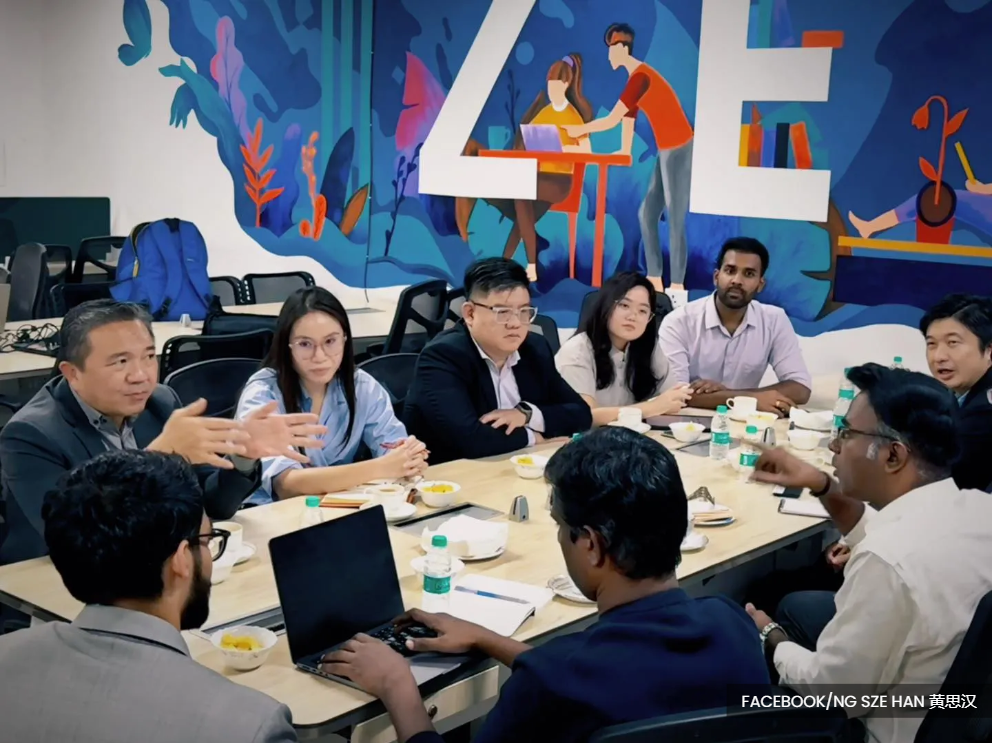

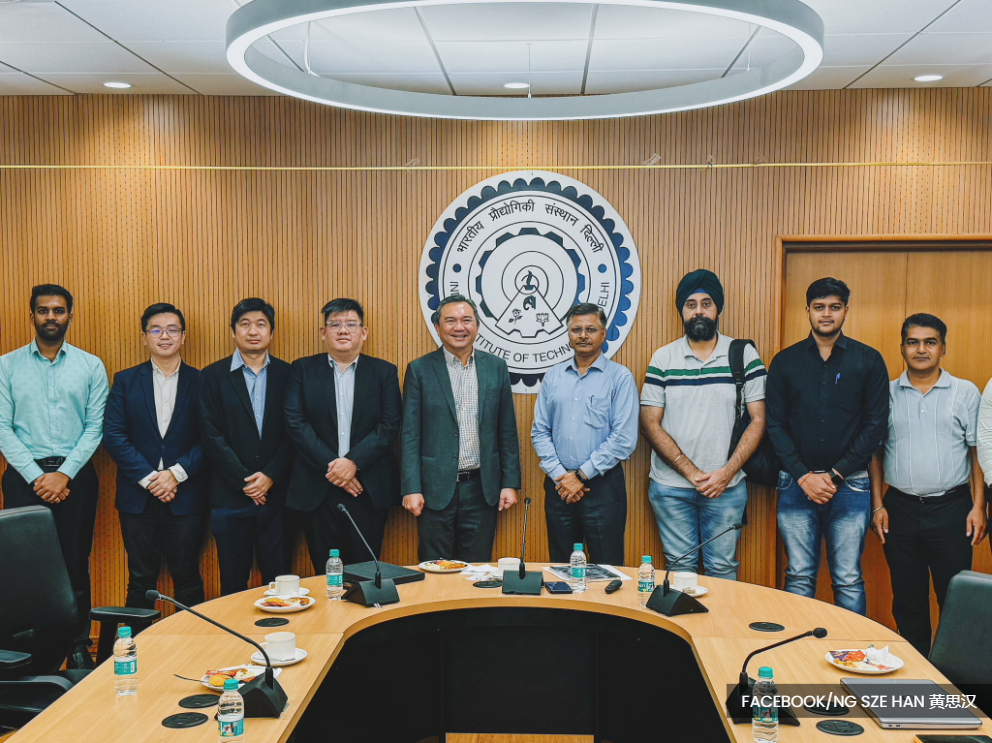
SHAH ALAM, Feb 12 — Selangor will work with the Indian Institute of Technology Madras (IIT Madras) this year to roll out a RISC-V training programme, sending 60 students to India in June to study core technologies in the open chip architecture.
Upon completing the training, they will return to Malaysia for internships at local companies, in a move aimed at addressing the shortage of high-end engineering talent in the country.
State executive councillor for investment, trade, and mobility Ng Sze Han said RISC-V is an open-source architecture that has already been widely adopted by countries like China and India, and is expected to evolve into a more mature and diverse technology ecosystem.
“Compared with existing closed systems, RISC-V is positioned more like the Android mobile operating system; it is freely available for design engineers to use, which helps lower technical barriers and broaden application scenarios.
“It is also less affected by geopolitical and technology sanctions, making it one of the key technologies that the semiconductor sector must master in the future.
“That is why the state government is actively promoting cooperation with IIT Madras and sending students there to learn directly, so they can acquire and master the technology more quickly,” he said during a recent media interview in conjunction with the Chinese New Year.
RISC-V is an open-source, license-free Instruction Set Architecture (ISA) based on Reduced Instruction Set Computer (RISC) principles that allows anyone to design, manufacture, and sell chips without paying royalties.
On training benefits, Ng said that participating university graduates will receive a RM10,000 allowance.
The programme will run for about four months; one month of training in India, followed by about three months of internship in Malaysia, with the allowance disbursed in stages.
“Our approach is to invest in students to learn high-end technology. After completing the programme, their employability is almost close to 100 per cent.
“This is an important investment by the state government in talent development, and a necessary step to ensure the continued strength of Malaysia’s semiconductor industry value chain,” he said.
Ng added that the programme is a joint initiative between the Selangor and federal governments, with both parties providing funding to jointly drive the development of high-end semiconductor talent in Malaysia.

Semiconductor talent
Meanwhile, the Malaysia Advanced Semiconductor Academy (ASEM), established by the Selangor Information Technology and Digital Economy Corporation (SIDEC) to train talent with advanced technical capabilities, produced 600 graduates last year, with an average starting salary of RM5,000.
“Most of the graduates have gone to the northern region, which is Malaysia’s semiconductor hub, to help strengthen the national semiconductor value chain. Some top-performing students, however, have chosen to remain in Selangor to work in IC design-related fields,” he said.
The councillor noted that such talent mobility and deployment are crucial to the overall development of Malaysia’s semiconductor industry.
While Malaysia has plenty of quality jobs and high-tech companies, it faces a shortage of skilled technical talent, especially with the recent influx of large foreign firms.
“Many foreign companies are satisfied with the foundation and technical standards of Malaysian graduates, and some even offer starting salaries of RM8,000 and above.
“This shows that Malaysia does not lack opportunities. Our plan is to train 600 engineers a year, and to produce 3,000 engineers within five years,” Ng said.
He acknowledged that one of the biggest challenges currently facing the global semiconductor industry is the shortage of high-end technical talent.