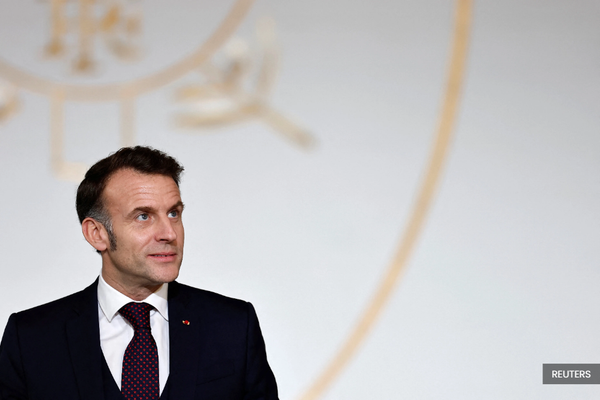
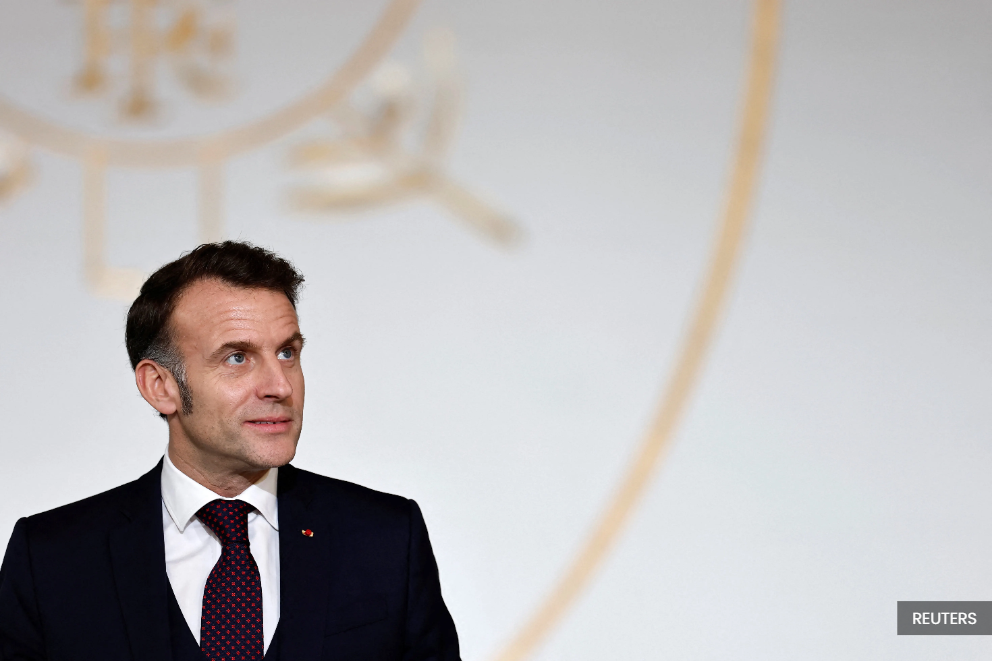
PARIS, Feb 10 — Europe should brace for more moments of United States (US) hostility, French President Emmanuel Macron has warned, and should treat what he called the “Greenland moment” as a wake‑up call to push through long‑delayed reforms to strengthen the bloc’s global power.
In interviews with several European newspapers, he said the European Union (EU) should not mistake a lull in tensions with Washington for a lasting shift, despite a pause in US threats over Greenland, trade, and technology.
Macron urged EU leaders to use a summit at a Belgian castle this week to inject fresh energy into economic reforms, bolstering the bloc's competitiveness and strengthening its ability to stand up to China and the US on the world stage.
“When there is a clear act of aggression, I think what we should do is not bow down or try to reach a settlement. We have tried that strategy for months.
"It is not working," he told Le Monde, the Financial Times, and other newspapers in comments published on Tuesday.
Macron added that the Trump administration was being "openly anti‑European" and seeking the EU’s "dismemberment". He anticipates further tensions with the Trump administration, including over Europe's regulation of digital technology.
"The US will, in the coming months — that is certain — attack us over digital regulation," he said, warning of potential US import tariffs from President Donald Trump should the EU use its Digital Services Act to control tech companies.
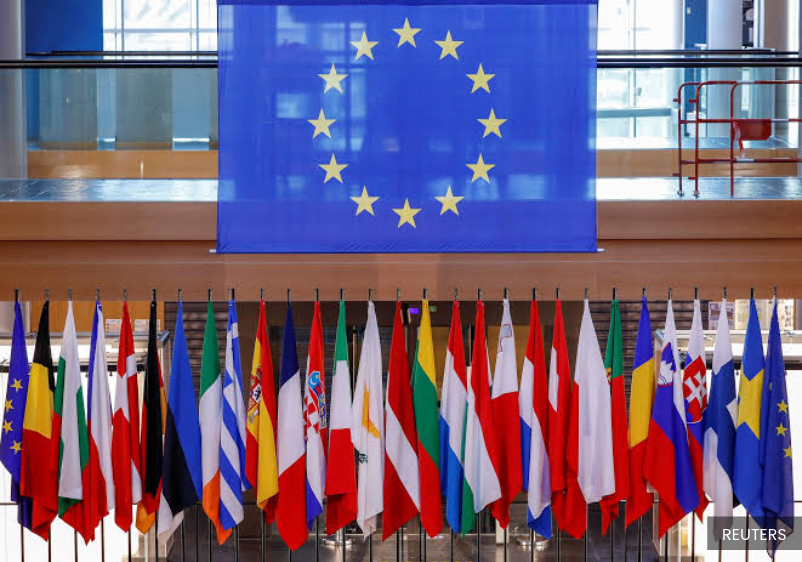
'Europe needs protection, not protectionism'
The French leader argued that Europe needed to be more resilient in the face of a double challenge from the United States and China.
"We have the Chinese tsunami on the trade front, and we have minute-by-minute instability on the American side. These two crises amount to a profound shock — a rupture for Europeans," he said.
Macron, whose second term finishes in spring 2027, renewed his call for the EU to embark on more common borrowing to help the bloc of 27 nations invest at scale and challenge the hegemony of the US dollar.
The EU used joint debt in 2020 to reboot the European economy after the COVID-19 pandemic, but French attempts to make such tools permanent have faced stiff resistance from Germany and other more frugal northern member states.
Thursday's summit will include discussions around French-led plans for a “Made in Europe” strategy that would set minimum requirements for European content in locally manufactured goods. The approach has split EU countries and alarmed automakers.
"For me, the economic strategy to make our Europe a power lies in what I call protection, which is not protectionism, but rather European preference," he said.