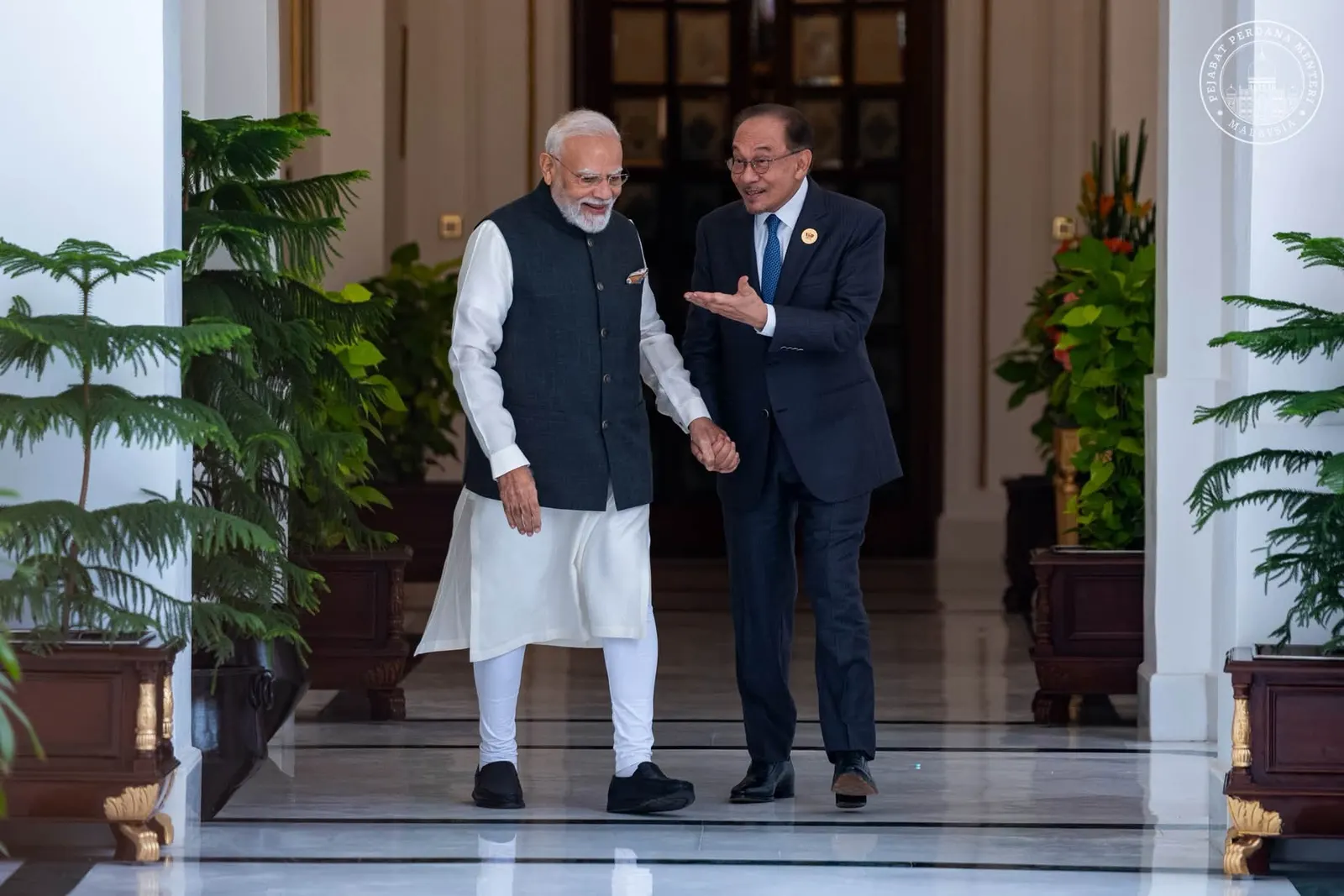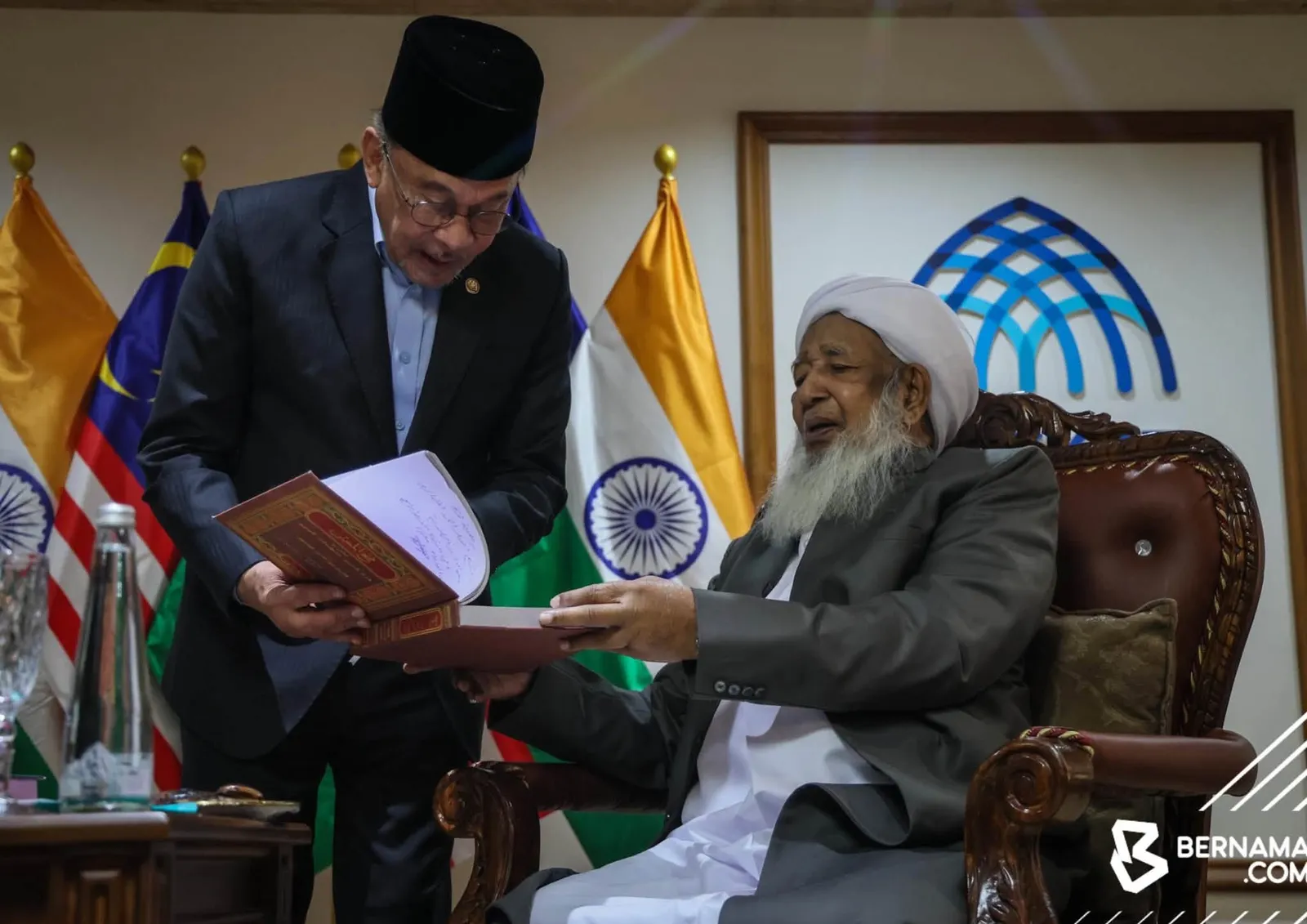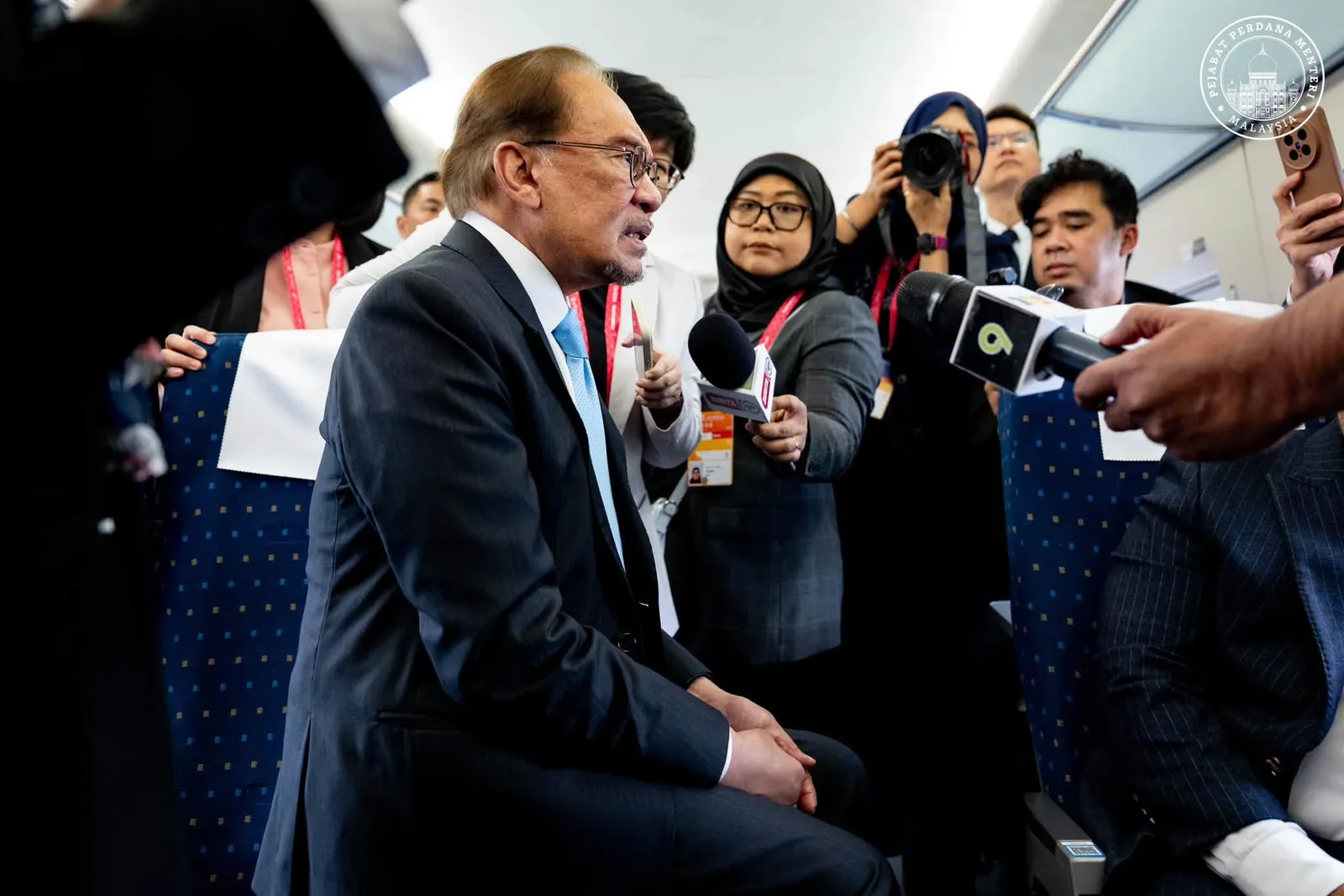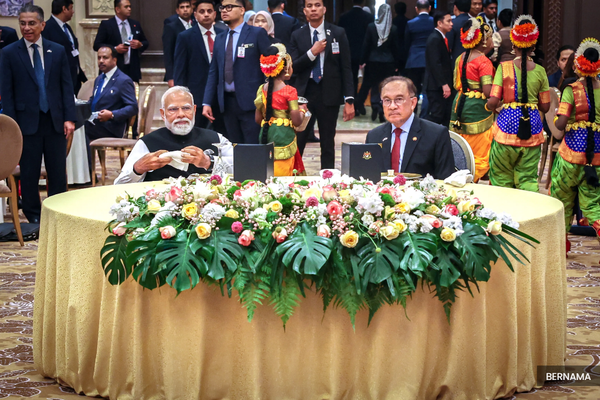
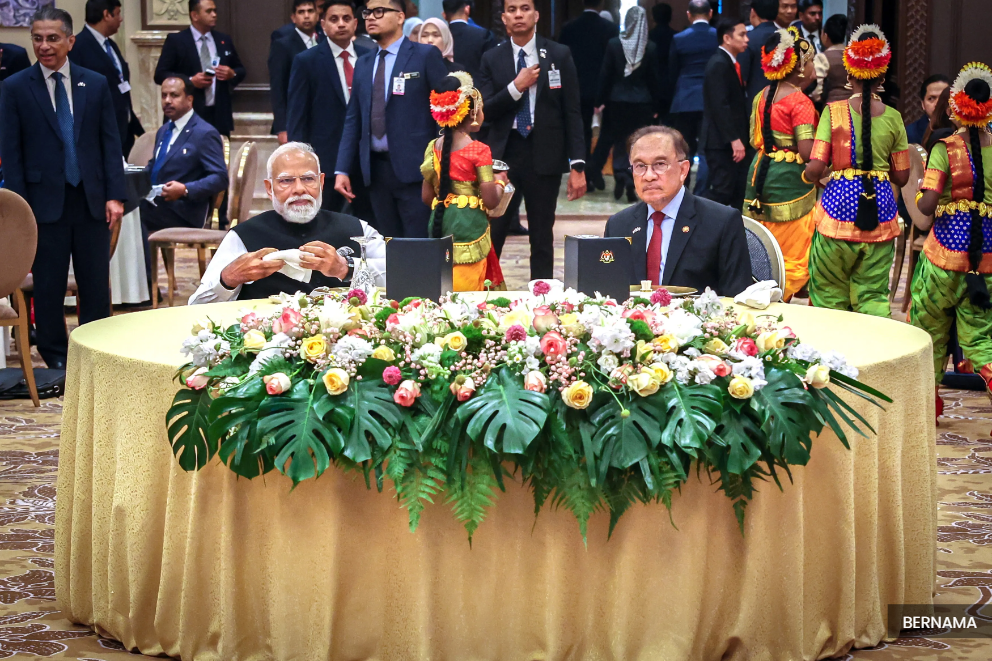
PUTRAJAYA, Feb 8 — A selection of "Friendship Appetisers", symbolising the strong bilateral relationship between Malaysia and India, was served at a luncheon hosted by Prime Minister Datuk Seri Anwar Ibrahim in honour of visiting Indian Prime Minister Narendra Modi at the Seri Perdana Complex today.
In a gesture celebrating the leader’s heritage, the luncheon menu featured traditional Gujarati favourites, such as Dhokla and Khandvi, alongside Malaysian appetisers of Rojak Pasembur and Tauhu Sumbat.
Modi, who was born in Vadnagar in the state of Gujarat and previously served as Gujarat’s Chief Minister from 2001 to 2014 before becoming India’s Prime Minister in 2014, arrived in Malaysia yesterday for a two-day official visit.
The Indian Prime Minister was accorded an official welcome at the Perdana Putra Complex earlier today before proceeding to Seri Perdana, the Prime Minister's official residence, for bilateral talks with Anwar.
The two leaders also witnessed the exchange of Memoranda of Understanding on combating and preventing corruption, on standards of training, certification, and watchkeeping for seafarers, and on disaster management.
External Affairs Minister Jaishankar Subrahmanyam and senior government officials accompanied Modi.
Also present at the luncheon were Foreign Minister Datuk Seri Mohamad Hasan, Human Resources Minister Datuk Seri Ramanan Ramakrishnan, Digital Minister Gobind Singh Deo, Transport Minister Anthony Loke, and Economy Minister Akmal Nasrullah Mohd Nasir.
India and Malaysia share longstanding historical, civilisational and cultural ties, underpinned by a strong Indian diaspora community of about 2.9 million in Malaysia.
Malaysia-India economic ties continue to demonstrate strong momentum, with total bilateral trade reaching RM79.49 billion (US$18.59 billion) in 2025.
Malaysia’s exports amounted to RM52.3 billion (US$12.24 billion), and imports totalled RM27.19 billion (US$6.35 billion). Key export items included palm oil and palm oil-based agricultural products, as well as electrical and electronic products, while imports mainly consisted of agricultural, petroleum, and chemical products.