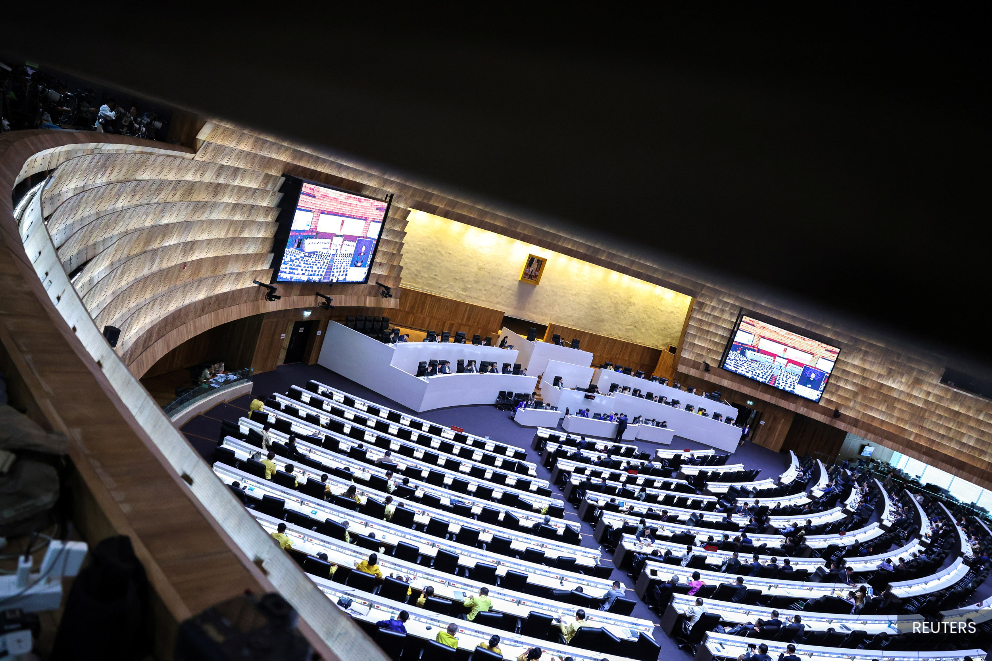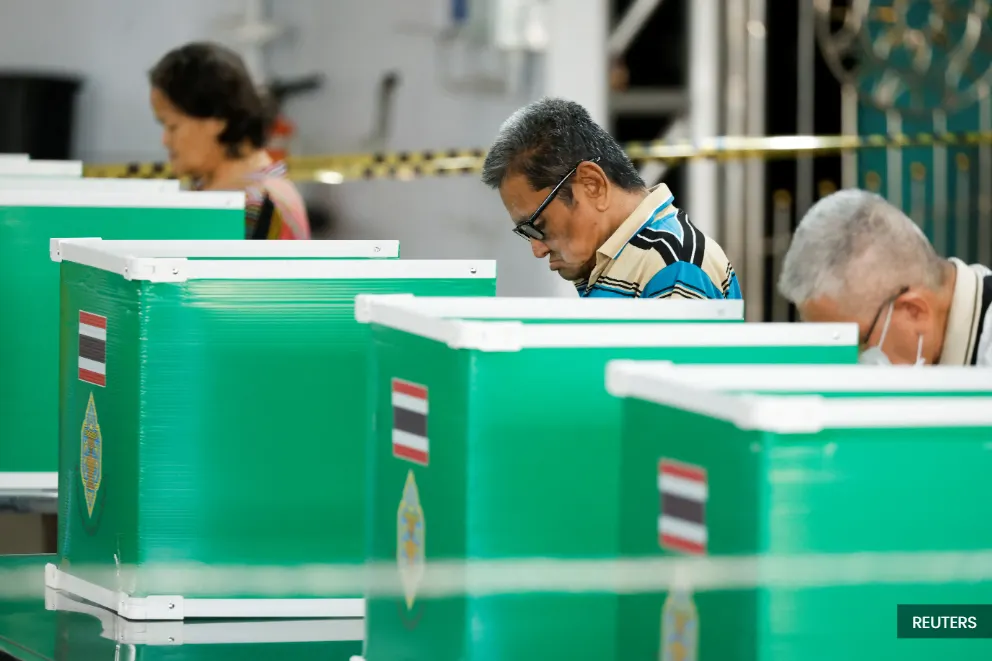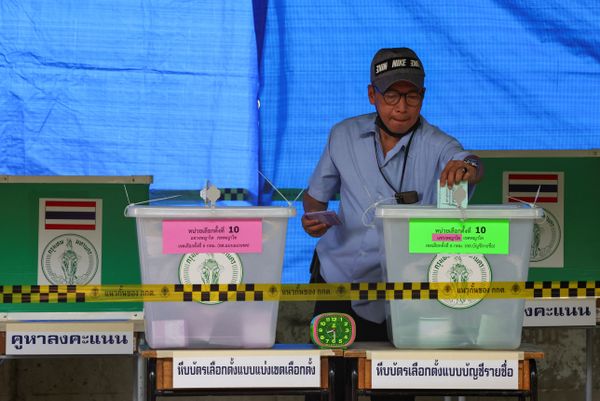
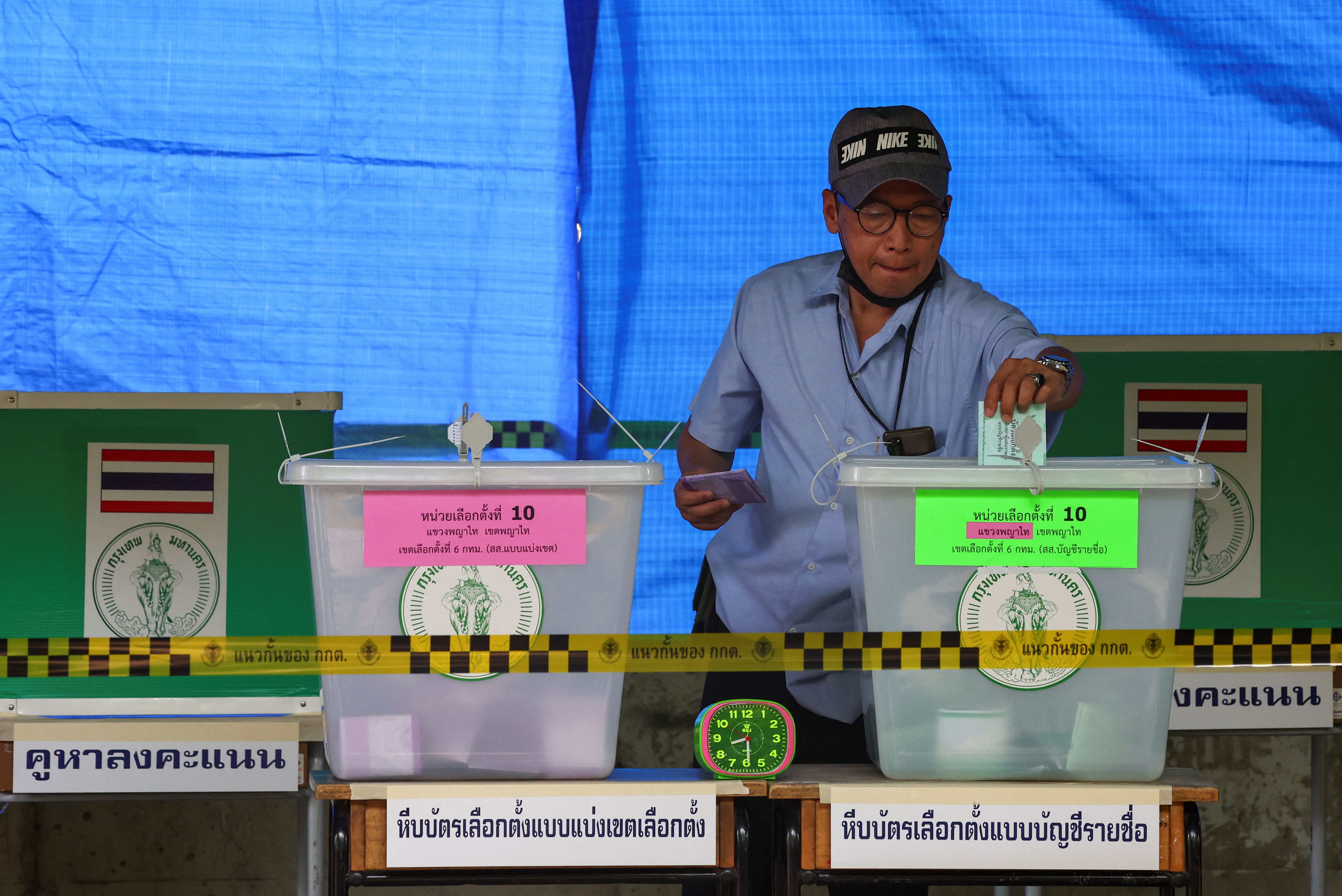
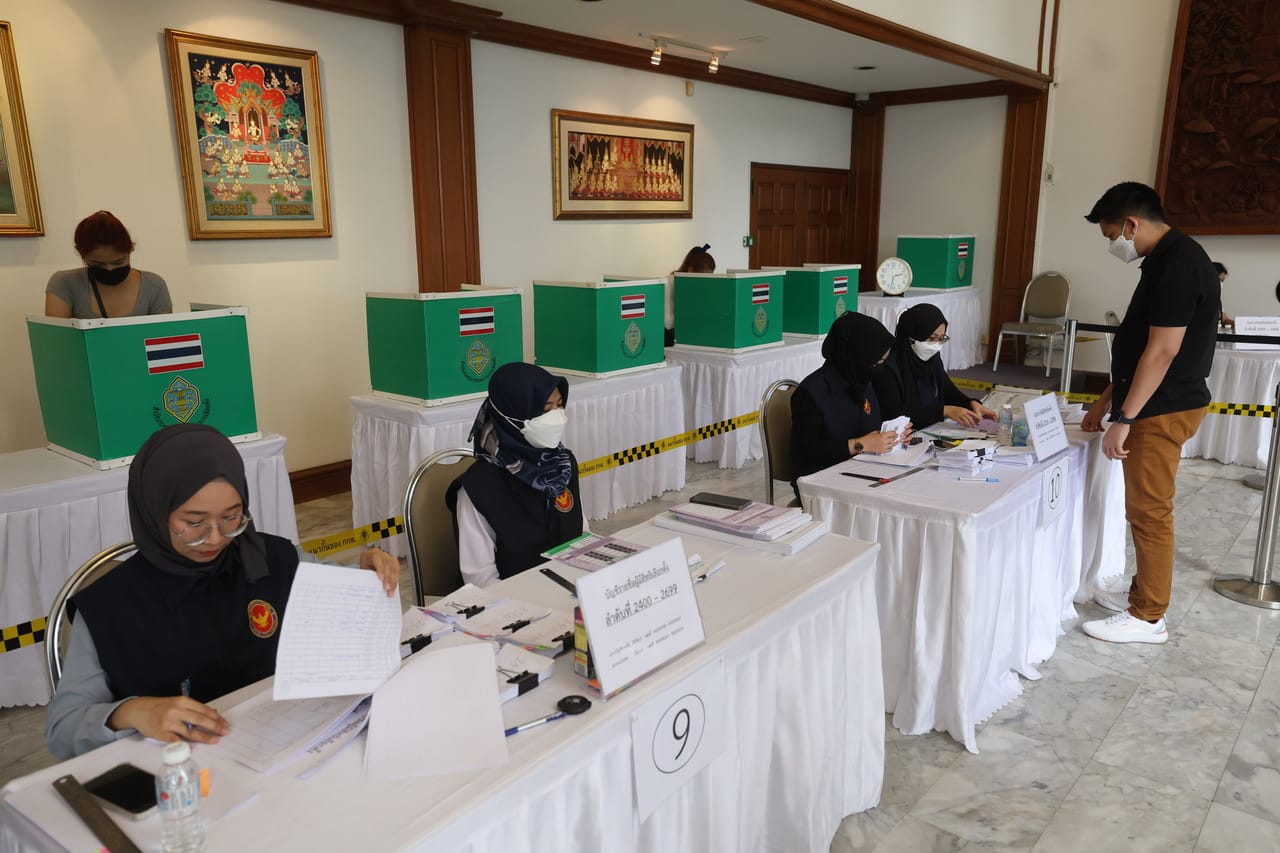
BANGKOK, Feb 6 — All eyes are again on Thailand as voters head to the polls on Sunday (February 8) to elect a new prime minister and all 500 members of the House of Representatives, in addition to voting on a constitutional referendum.
Against the backdrop of political instability and an ongoing border crisis with neighbouring Cambodia, analysts say the vote will test Thailand’s readiness for political change and could alter the country’s political trajectory.
For the first time in history, Thailand’s 52.9 million eligible voters will not only elect 500 members of Parliament but also decide whether to draft a new constitution to replace the 2017 charter.
This snap election was called after Anutin Charnvirakul, the country’s third Prime Minister since the 2023 election, dissolved the lower house of Parliament on December 12 last year amid a looming no-confidence vote.
Observers said the contest is shaping up to become a three-way fight between Anutin’s Bhumjaithai Party, the progressive opposition led by the People’s Party, and the Pheu Thai Party linked to former prime minister Thaksin Shinawatra.
Opinion surveys ahead of Sunday’s election have put the People’s Party, the third incarnation of Thailand’s progressive movement with strong youth support, in the forefront after its predecessors, the Future Forward Party and the Move Forward Party, were dissolved by the courts.
A poll by the National Institute of Development Administration (NIDA) on party preferences for constituency MPs showed the People’s Party leading with 33.56 per cent support, followed by Bhumjaithai (22.76 per cent), Pheu Thai (16.92 per cent), and the Democrat Party (12.76 per cent).
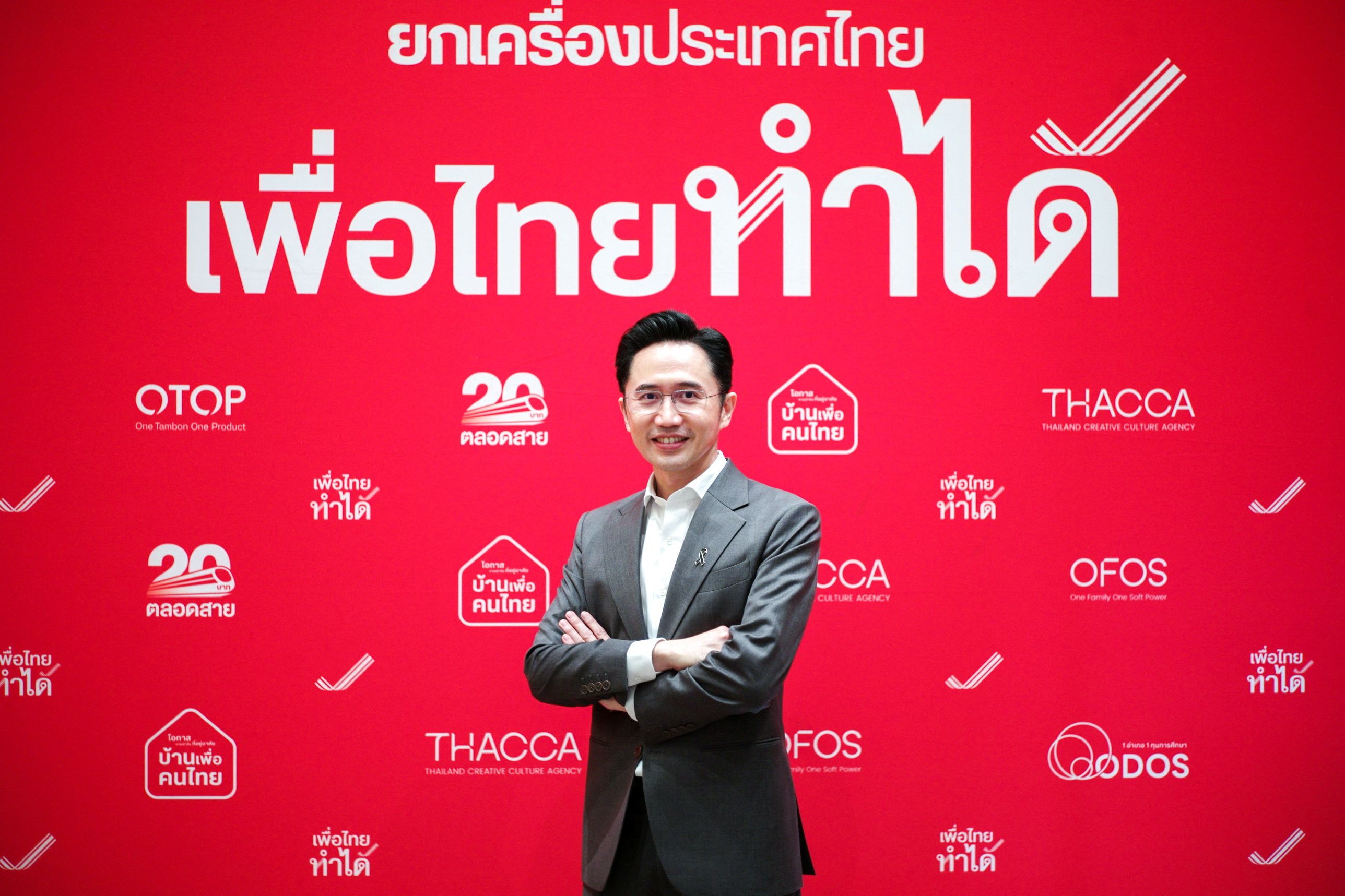
The survey also showed People’s Party leader and prime ministerial candidate Natthaphong Ruengpanyawut as the top choice for the premiership nationwide, followed by Anutin. Former prime minister and Democrat Party leader Abhisit Vejjajiva ranked third, while Pheu Thai's Yodchanan Wongsawat ranked fourth.
Reflecting on these polling trends, analysts say Natthaphong holds a clear edge in the prime ministerial race, although post-election coalition dynamics could still determine who ultimately forms the next government.
Thammasat University's East Asian Studies Institute director Associate Professor Chaiwat Meesanthan said Natthaphong’s momentum has been reinforced by the return of figures linked to the former Move Forward movement, reactivating reform-minded voters, first-time voters, and segments of the urban middle class following the 2023 election.
“He stands out by combining reformist credentials with a pragmatic focus on cost-of-living pressures, welfare policies, and anti-corruption measures, allowing voters to associate him with both political change and everyday economic relief,” he told Bernama in a recent interview.
Despite the strong polling performance of reformist parties, analysts cautioned that survey results do not necessarily translate into a clear electoral mandate under Thailand’s fragmented political landscape.
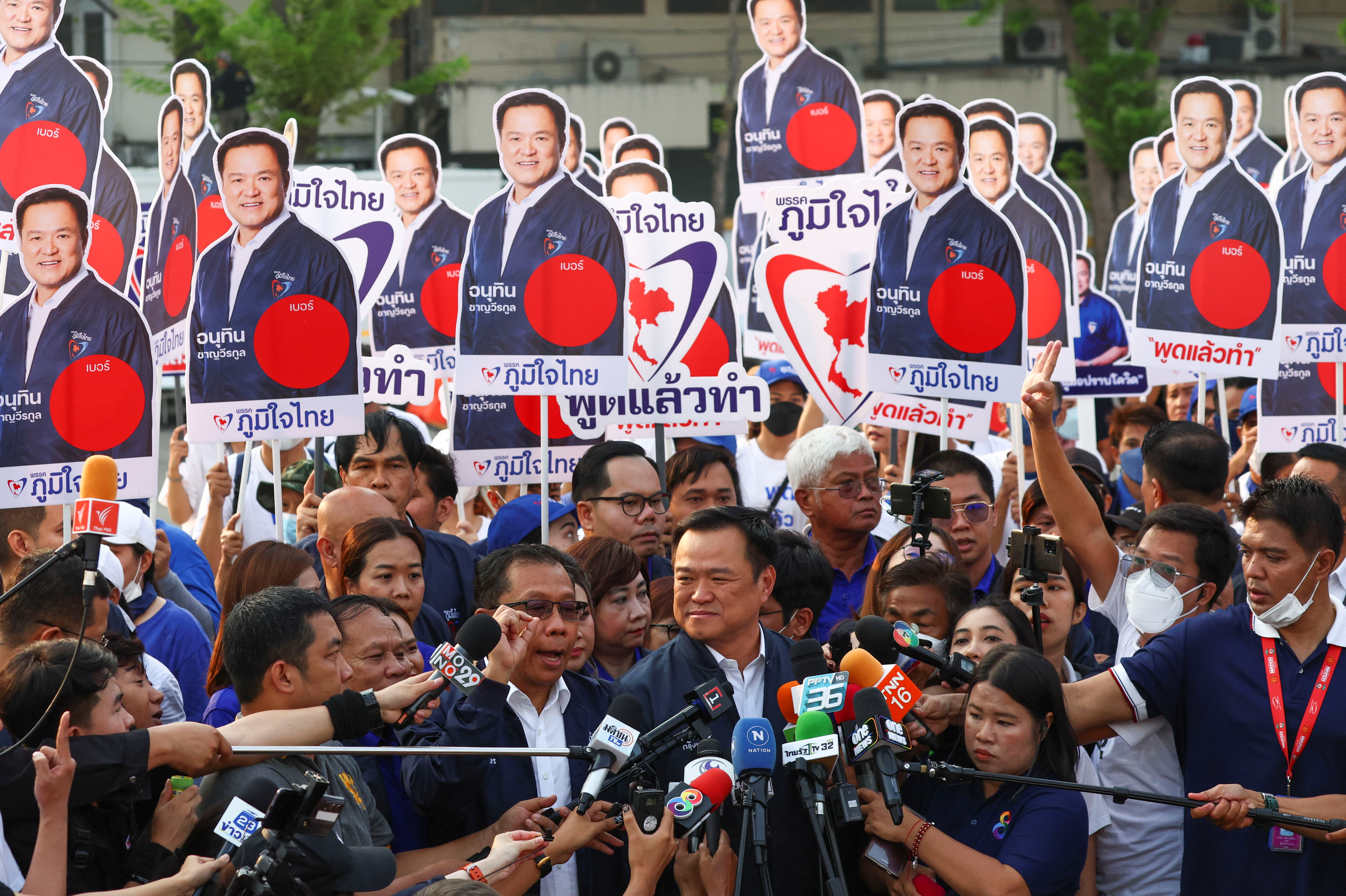
Chaiwat added that the atmosphere ahead of polling day remains “highly competitive but strategically restrained,” citing strict electoral regulations and tighter scrutiny of campaign financing and online campaigning that have encouraged parties to adopt cautious strategies.
On voter priorities, slow economic growth, household debt approaching 90 per cent of gross domestic product, and persistently high living costs have pushed income security, debt relief, and affordability to the top of voters’ concerns — a trend closely linked to the growing importance of welfare and quality-of-life policies, including expanded healthcare, elderly support, and protection for informal workers.
Offering a broader structural perspective, Prince of Songkla University's Pattani campus Associate Professor Samart Thongfhua said the election represents a critical test of whether the country’s “old power network” can retain control or whether progressive forces can deliver meaningful structural change.
He noted that the stakes are heightened by a concurrent constitutional referendum, predicting that the vote could result in a hung Parliament, making post-election coalition-building crucial.
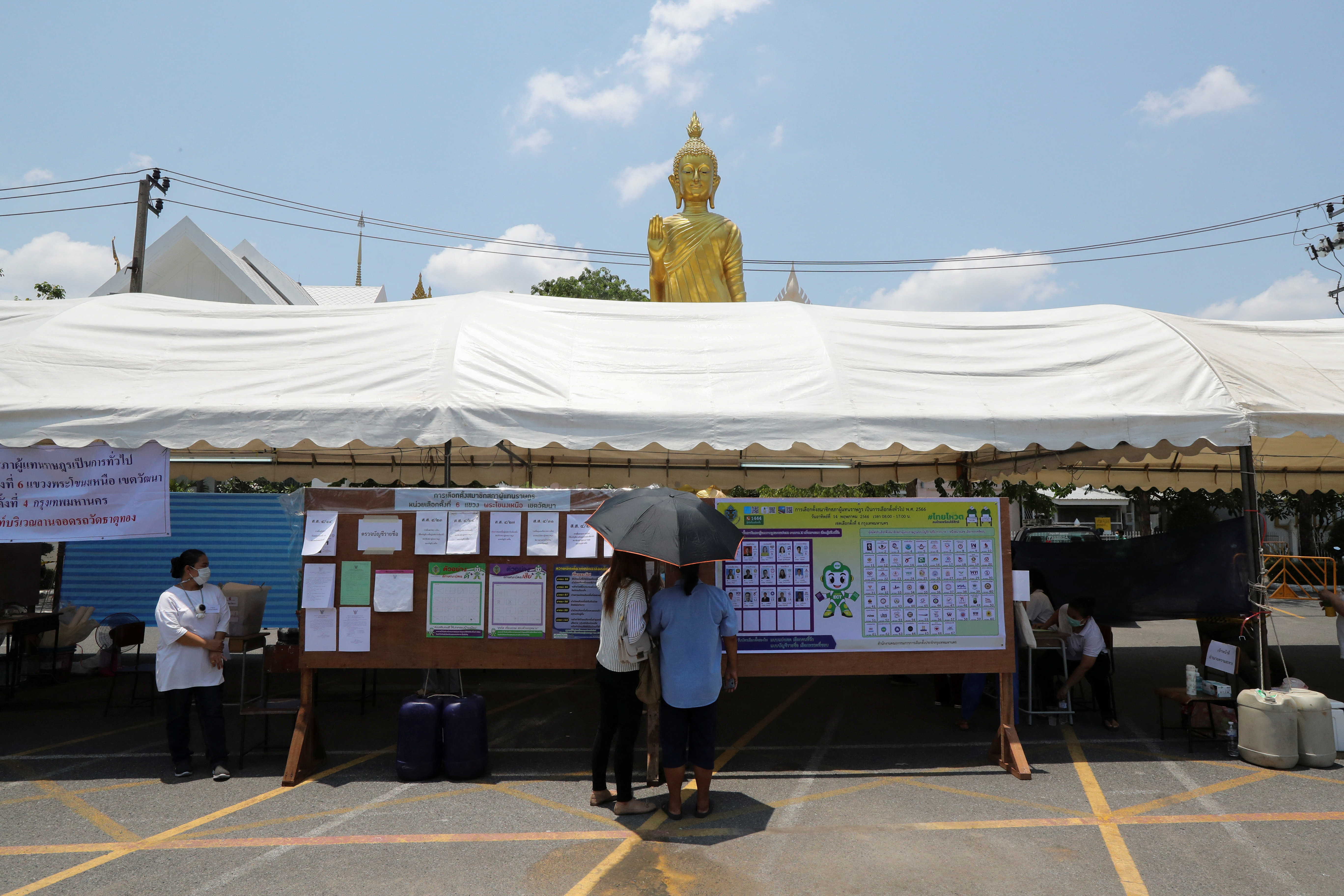
“If such a grand conservative coalition fails to materialise, the next most likely scenario would be the formation of a pro-democracy alliance led by the People’s Party and Pheu Thai, provided the latter is willing to compromise and realign with the progressive bloc,” Samart said.
For the referendum, voters will be asked whether Thailand should begin drafting a new constitution, with response options of “Yes,” “No,” or “No opinion.” A majority “Yes” vote would authorise Parliament to begin drafting the new charter, while a “No” vote would keep the 2017 charter in place.
Media reports said a second referendum would then be held to approve the drafting process, followed by a third referendum to endorse the final text, meaning the overall process could extend at least two years beyond the initial vote.
With no clear majority in sight, analysts say the outcome of Sunday’s vote, including the constitutional referendum, may hinge on post-election negotiations, as the absence of a dominant party raises concerns over coalition fragility and Cabinet infighting.