TAIZHOU, Feb 2 — Gao Xianghua is a happy mom this year because she knows her teenage kids will eagerly finish the pork belly she is braising for the Lunar New Year feast.
Her secret? Chinese black pork.
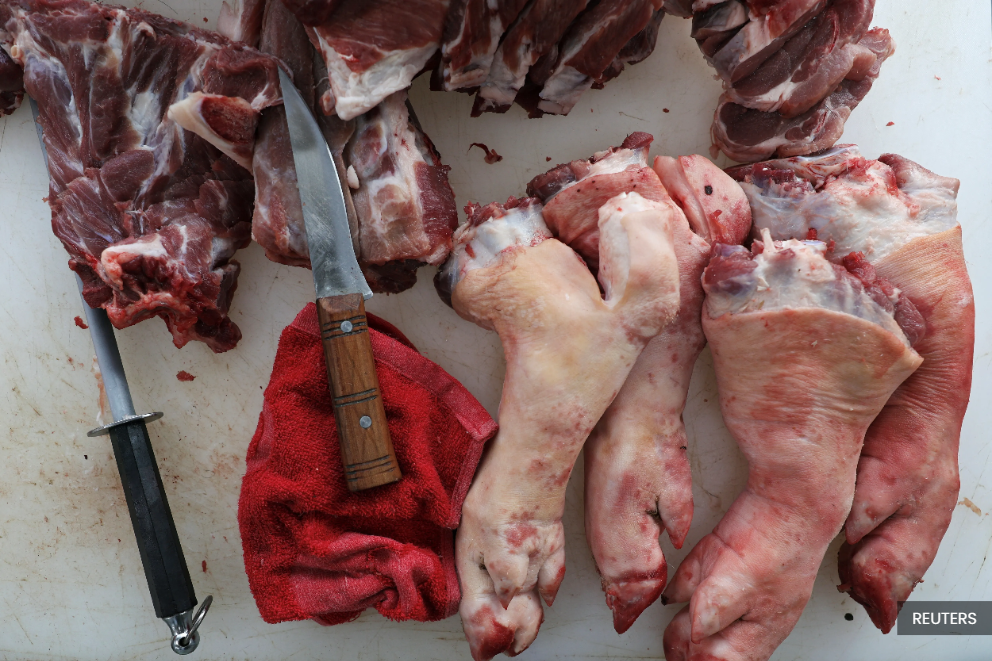
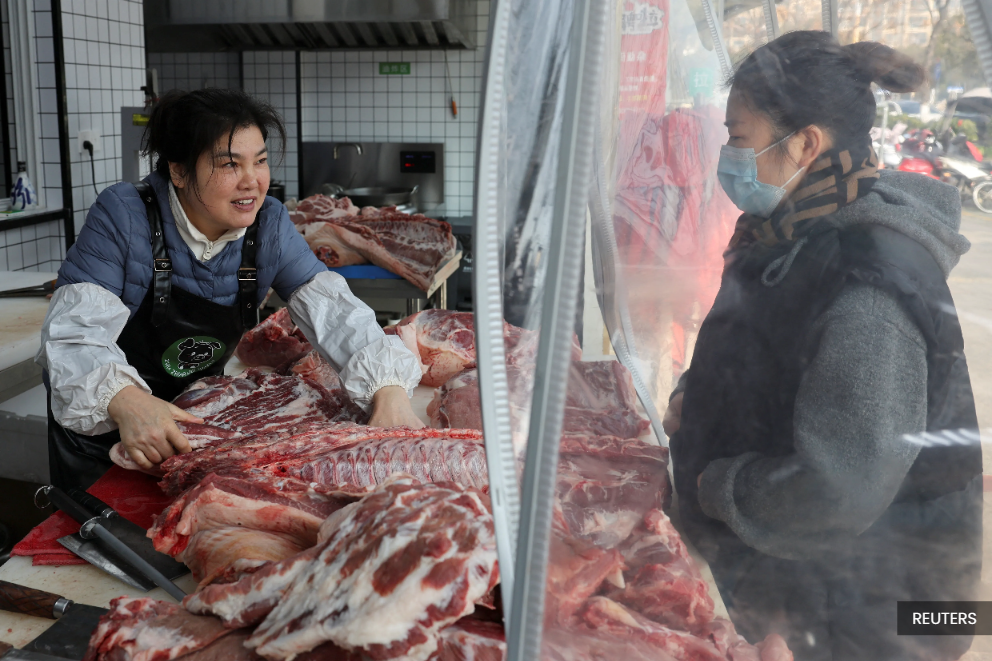
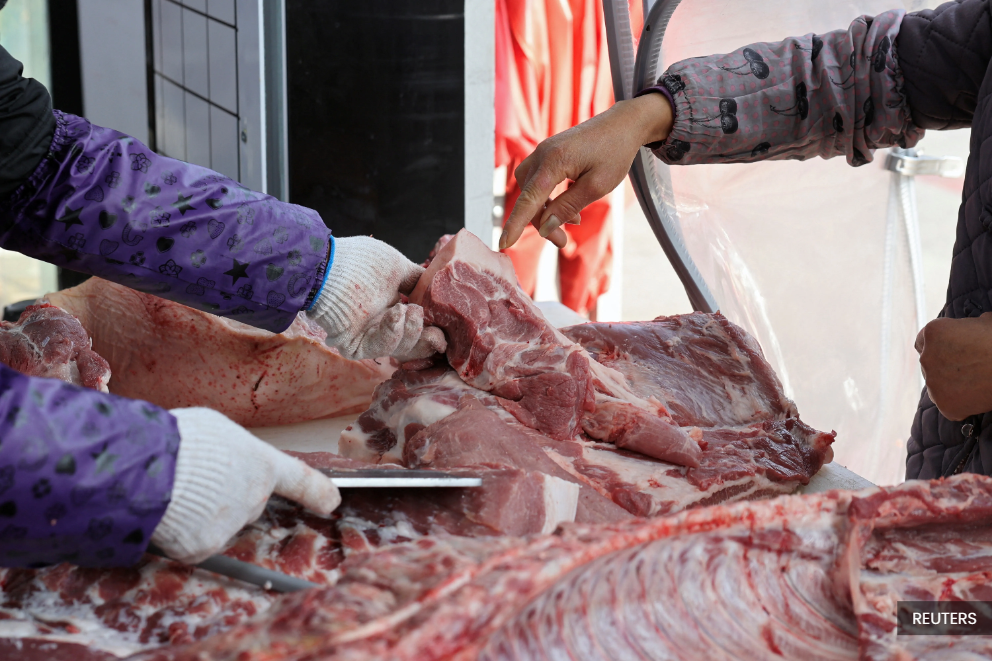
"I want my kids to eat the good pork I used to have when I was little. Not the cheap, low-quality, fast-produced pork that has penetrated my kids' lives," she said at a neighbourhood butcher as she ordered CN¥1,000 (RM567.05) worth of black pork ribs, feet, and sausages.
Gao plans to rub the pork with Sichuan numbing pepper and salt it before hanging it on her balcony to dry for the holiday.
The crab roe seller is a member of China's rising middle class who, no longer satisfied with mass-produced pork from imported Western "white pig" breeds, is hungry for premium products.
For older buyers in particular, black pork evokes childhood, when black-haired pigs were raised at home and slaughtered for family gatherings around the Lunar New Year.
Demand for what has been marketed as the "Wagyu of pork," known for its fattier, more tender texture, is, in turn, a lifeline for China's beleaguered pork producers.
The premium cut, which is up to four times more expensive than more common white pork, is one of the remaining profitable segments after years of overcapacity and falling prices in the world's largest market for hogs, according to interviews with more than two dozen meat producers, analysts and academics.
‘The only way out’
The red-braised pork, or hongshao rou, that Gao prepares, a favourite dish of Mao Zedong, made with caramelised sugar, soy sauce and spices, was a rare luxury before reforms in the 1980s and 1990s ushered in a long economic boom and gave many the means to enjoy meat more than a handful of times a year.
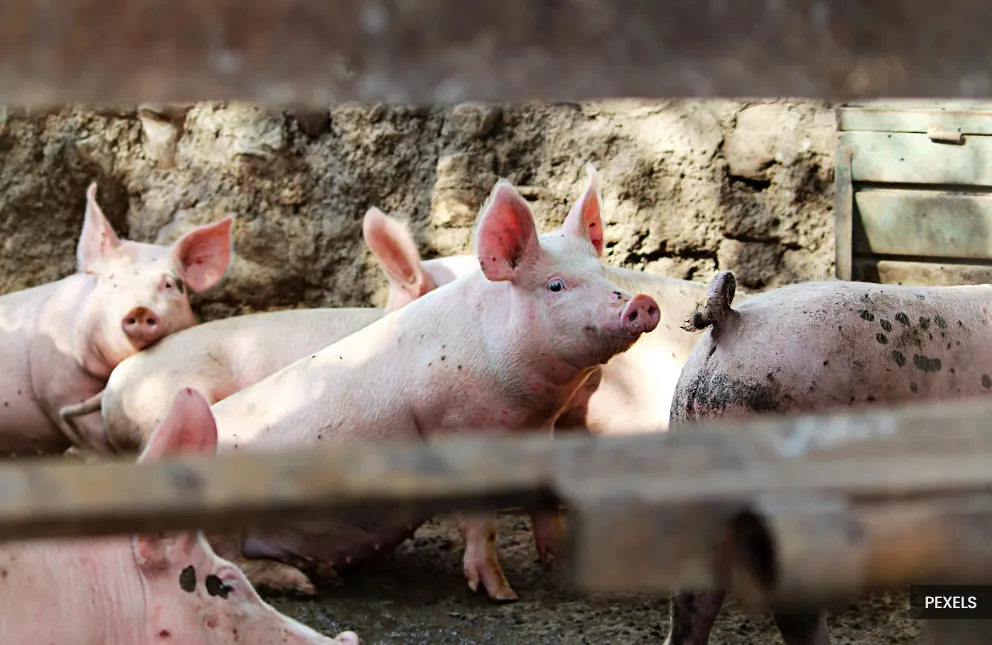
To meet that demand, in the 1990s, China began importing Western varieties that matured in five months versus the year that was needed for Chinese black pigs. Last year, China — the world's largest hog producer — slaughtered 720 million pigs. And in the final quarter of 2025, it produced 15.7 million metric tons of pork, the highest fourth-quarter tally since 2018.
But size has become a liability, and Mao's favourite flavour was lost.
Pork prices have been falling for years due to weak demand, a stagnating economy and changing tastes; in December, they declined 14.6 per cent from a year earlier. And rampant overcapacity, triggered in part by the government's 2018 response to the outbreak of African Swine Fever, has cost the industry profits.
Last month, major Chinese pork producer Wen Foodstuff Group said its 2025 net profit fell 40.7 per cent to 46.1 per cent from a year earlier. And the world's largest hog producer Muyuan Foods also said it expects its 2025 profit to fall 12.2 per cent to 17.8 per cent.
For some, black pork offers a way out.
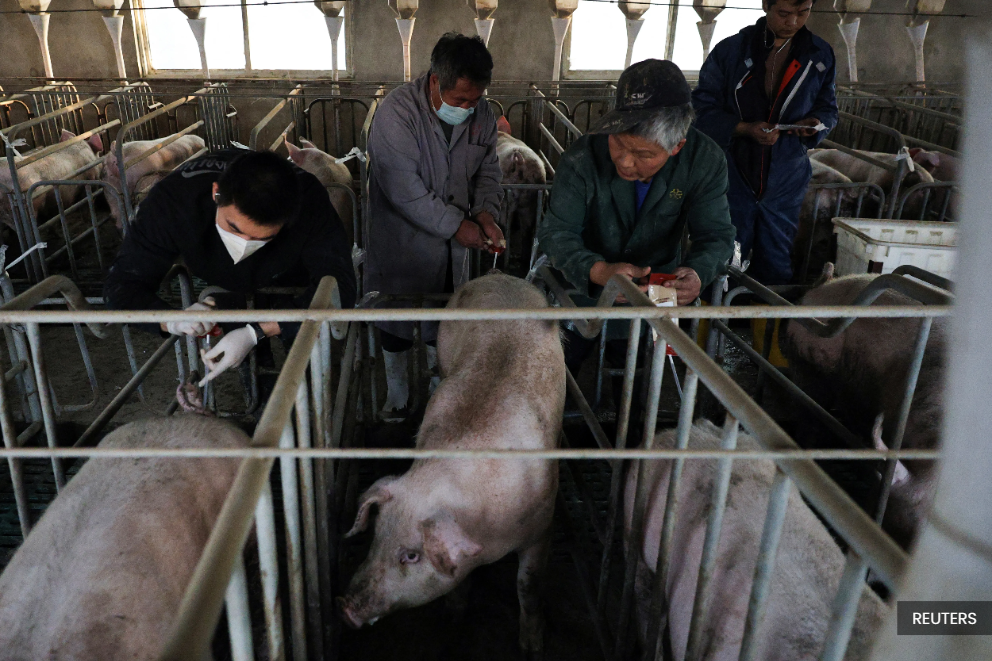
Pig farmer Yang Xinchun, 49, from Taizhou, about two hours by train from Shanghai, earned a net profit of over CN¥1 million (RM567,051.50) from black pork in 2025. His 1,000 black hogs offset the losses from his herd of 6,000 white pigs.
His gamble paid off. Yang began raising black hogs in late 2024 after learning that state-owned giant Bright Food Group was looking to enter the premium market to avoid losses.
“People come to my butcher store every day to learn from my experience,” he said, referring to other hog producers.
Yang plans to expand his herd to 15,000 black pigs and to grow his three black-pork butcher stores to 40 franchises this year.
"Black pigs are the only way out for pig producers, especially small-to-medium producers who were pressured by falling white pork prices," said Chinese Association of Animal Science and Veterinary Medicine director Gao Qinxue.
He added that the number of black hogs in Taizhou increased to 30,000 in 2025 from 10,000 in 2024, and local pork farmers hope the herd will reach 100,000 by 2027.
Top Chinese pork producers are also scaling up. In November 2025, Wen Foodstuff told investors it aims to become the No. 1 Chinese black pork brand and increase its black-pork herd to five per cent by 2027. Pork giant New Hope also said last fall that it was expanding its herd of more than 150,000 black hogs.
Analysts said they expected black hog numbers to rise 50 per cent to 30 million to 32 million between 2024 and 2026, or roughly five per cent of all the pigs in China.
No industry standard
Demand exceeds supply in China's premium pork market by about 15 per cent to 20 per cent, but analysts said it is unclear whether black pork can fully fill the gap because producers must develop brands and supply chains in this nascent industry.
Black pork businesses are also competing with imported products and Chinese pork moguls developing premium pork from fast-growing Western breeds.
Today, China has more than four dozen local black or black-dotted pig breeds that command varying premiums. Producers like Yang raise black hogs that are crossbred with Western Berkshire or Duroc lines to accelerate pig growth while maintaining their black coats and meat quality.
Observers noted that the niche market could become oversupplied if too many producers enter, and margins may not be sustainable.
"If you flood the market with lots of black pigs, will people pay it, or will the price come down? Most people are still buying cheaply raised, low-priced pork," said major global breeder Pig Improvement Company's senior product development and supply director David Casey.
“Unlike Spanish Iberico pork, there is no standard in China. I could bring in a Hampshire pig, call it black, and I qualify. I have heard scientists talk about changing Western pigs' hair colour to black," he added.