
SHAH ALAM, Feb 1 — As many as 70 to 80 per cent of dengue fever infections have been identified as occurring inside homes, underscoring the need for residents to be more proactive in breaking the viral infection's transmission chain.
Petaling District Health Officer Dr Sudeash Rajakhrisnan said the district is expected to record between 12,000 and 15,000 dengue cases this year, up from 8,500 last year.
Approximately 250 dengue cases are currently reported each week, with 112 active outbreaks, including outbreaks in 54 areas under the Shah Alam City Council's (MBSA) purview.
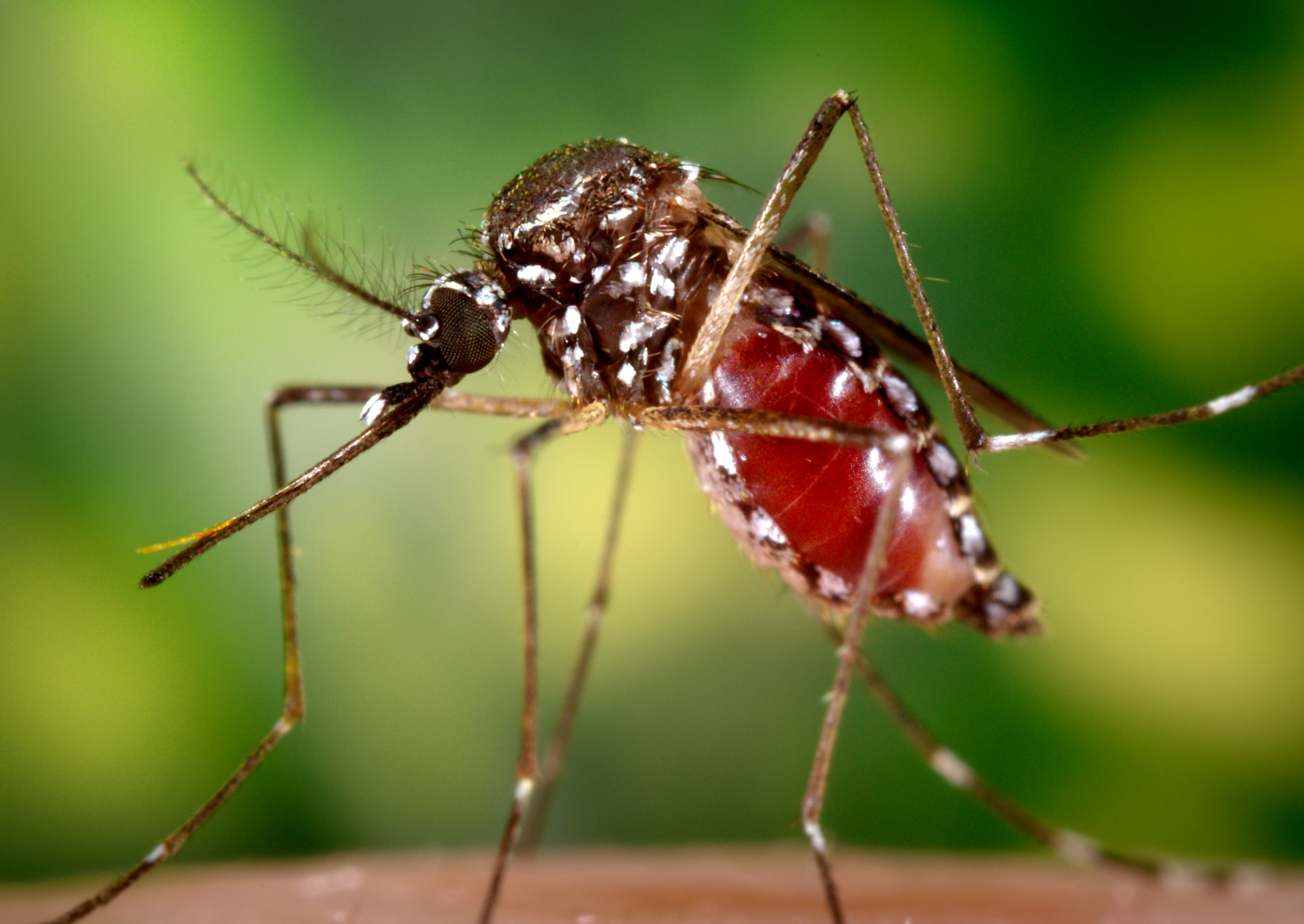
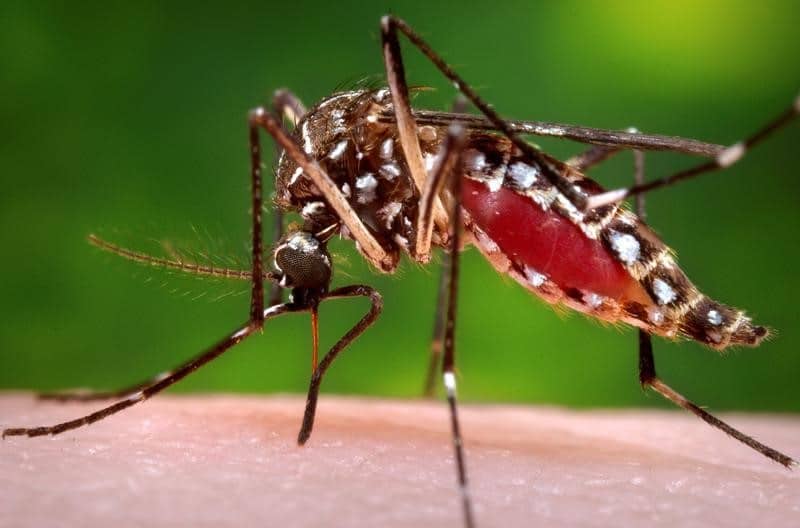
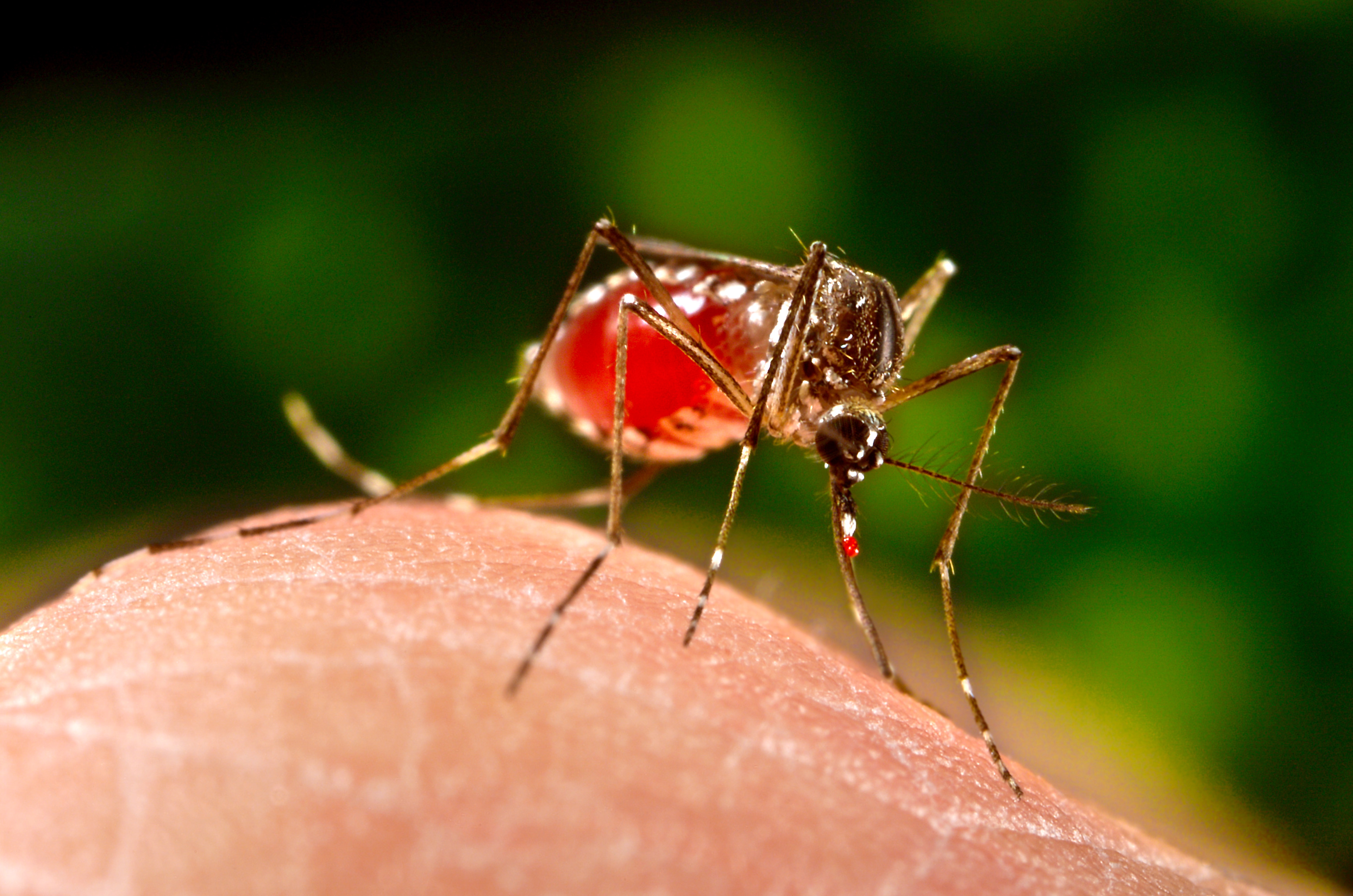
“Most dengue infections are caused by bites from Aedes aegypti and Aedes albopictus mosquitoes inside homes, not outdoors. Therefore, monitoring residential areas is crucial,” he said.
Areas under MBSA that were identified as dengue hotspots last year remain at risk of recurrence if preventive measures are not consistently implemented.
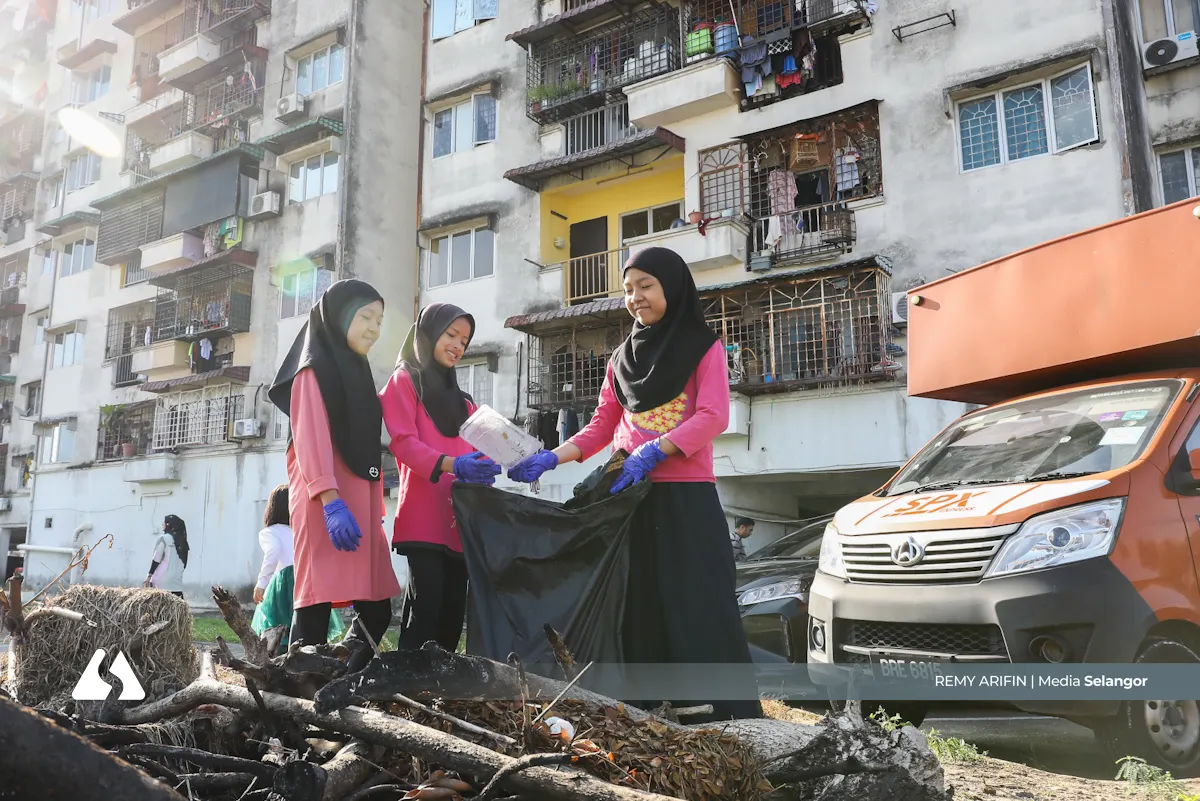
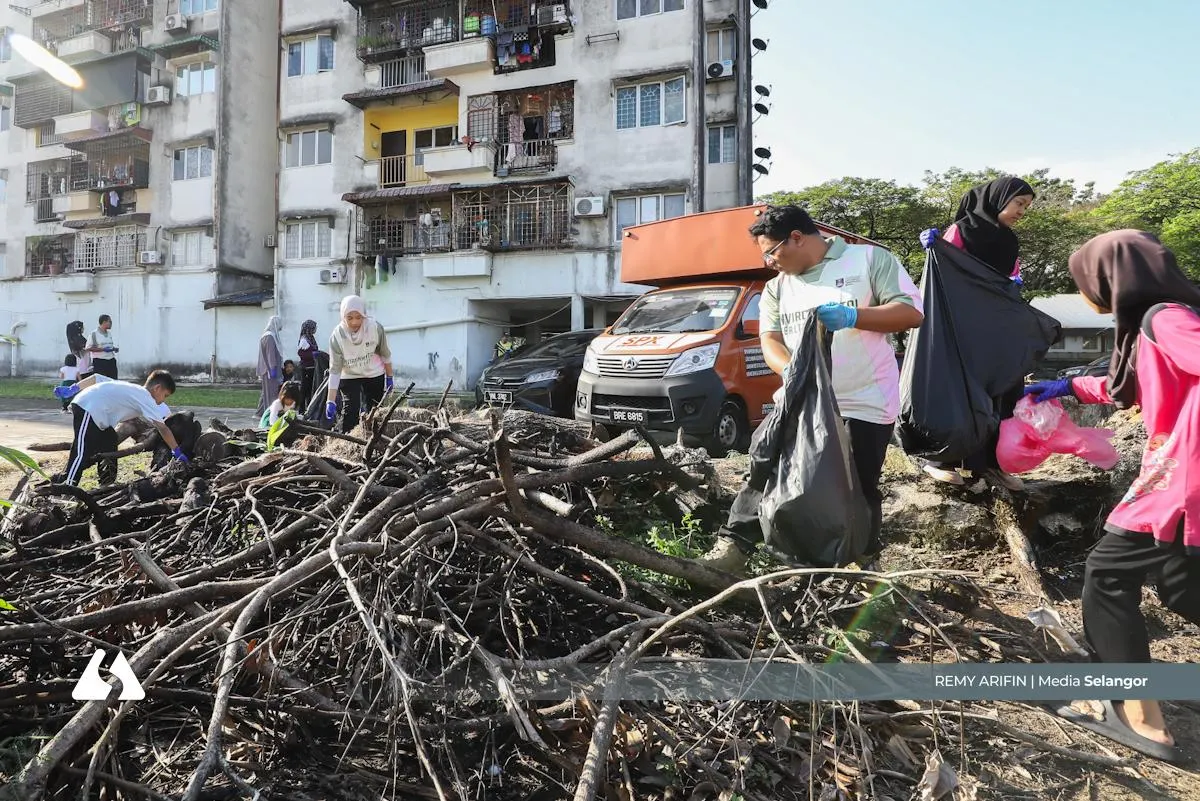
The rise in dengue cases in the Petaling district has prompted the Master's students of the Universiti Teknologi MARA (UiTM) Faculty of Health Sciences to implement a community clean-up programme to curb the spread of the disease.
Student representative Muhammad Iqbal Mohd Yusof said the programme, conducted in collaboration with KDEB Waste Management (KDEBWM), focused on Pangsapuri Taman Bunga Negara in Section 27, which has been identified as a high-risk dengue area.
“Data from the Petaling District Health Office (PKD) shows that this area is at risk; therefore we hope all residents, including foreign nationals, will cooperate in maintaining environmental cleanliness,” he said during the 'Community Health Programme: Dengue-Free Programme' today.
In addition to the cleanup activities, a dengue awareness exhibition was held in four languages: Malay, English, Nepali, and Burmese, and basic health screenings were provided for residents.
Meanwhile, MBSA councillor Wan Shaharuddin Shah said population density in the area increases the risk of dengue transmission and makes efforts to maintain cleanliness more challenging.
He added that the area has not only recorded a high number of dengue cases but has also previously reported deaths from the viral infection.
“The dengue threat is serious. Programmes like this are important to eliminate mosquito breeding grounds, and I hope all residents will give their full cooperation,” Shaharuddin said.
During the programme, KDEBWM provided Roll-On Roll-Off (RoRo) bins to facilitate waste disposal for residents and sponsored 150 souvenirs for the local community.