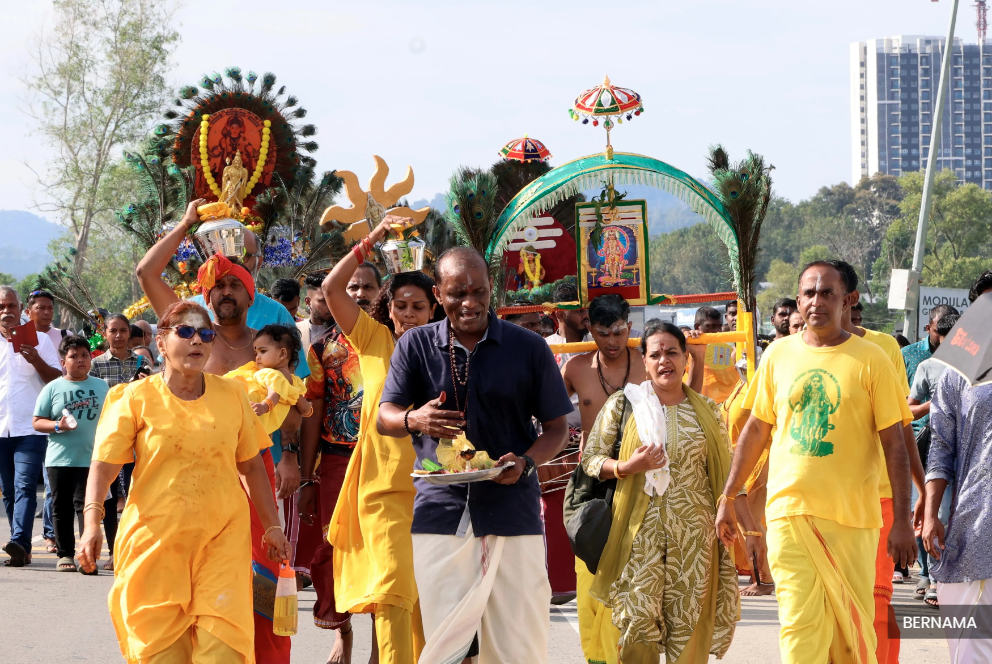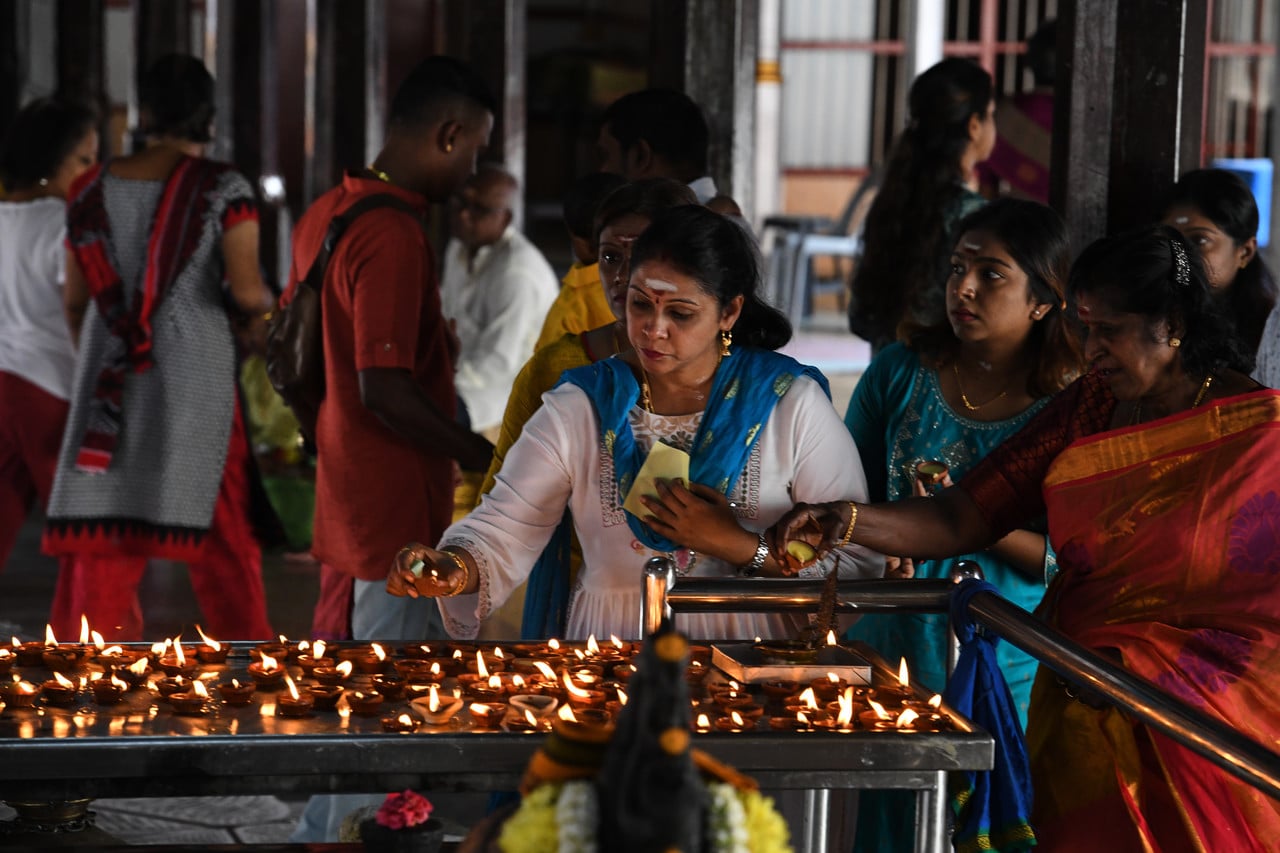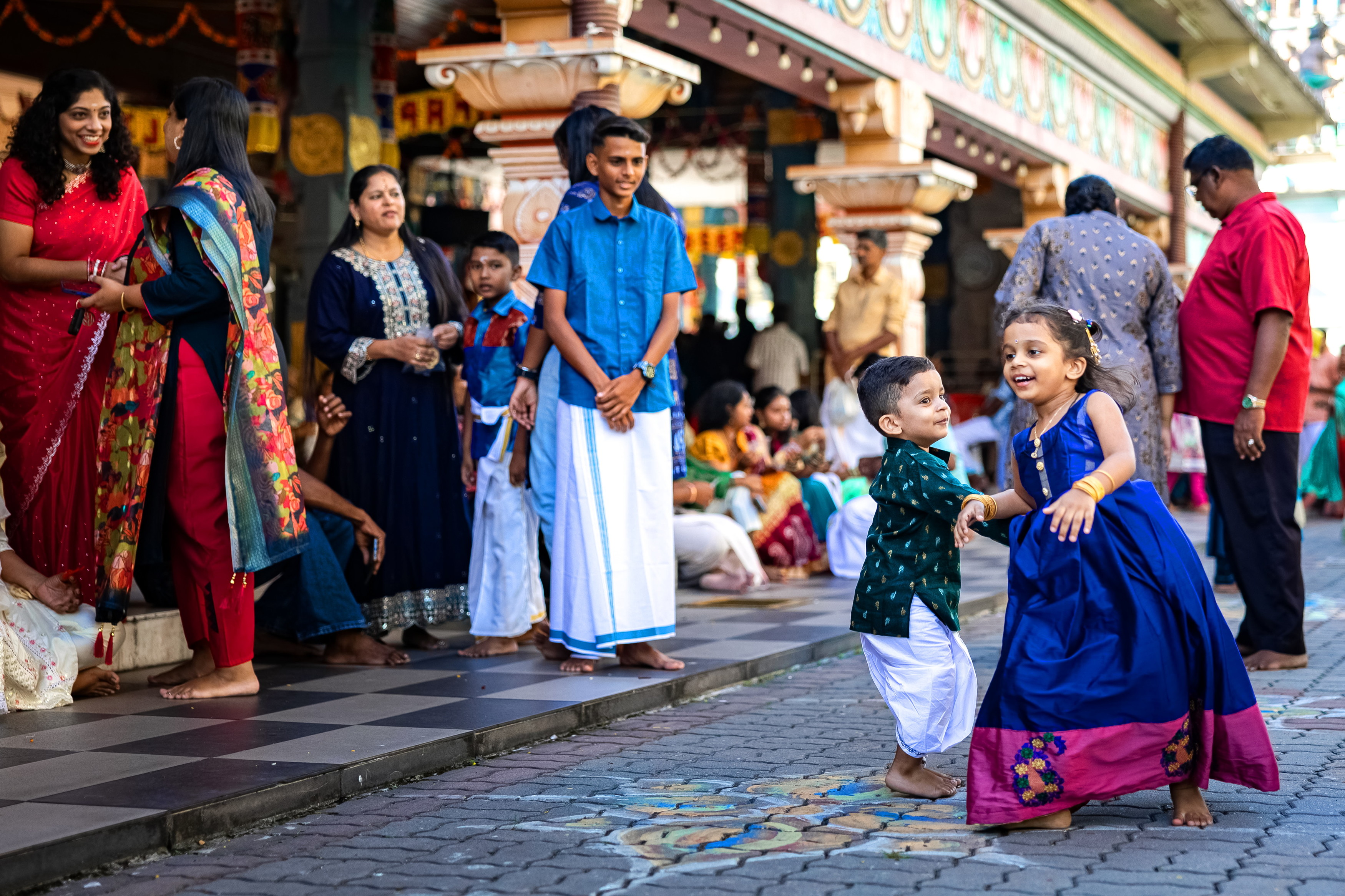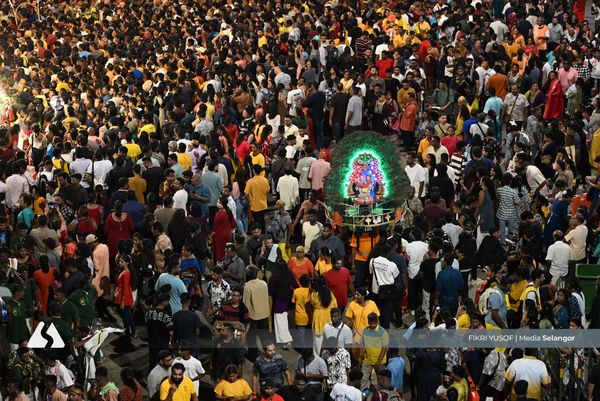
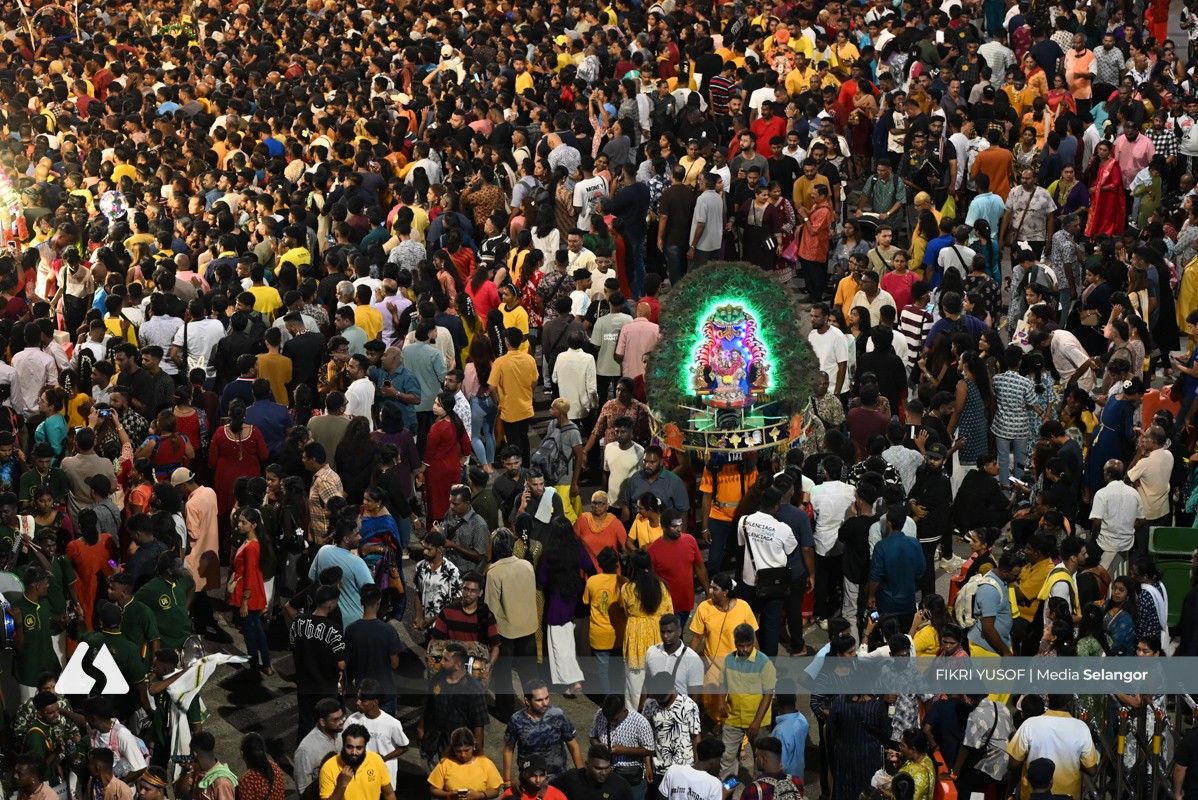
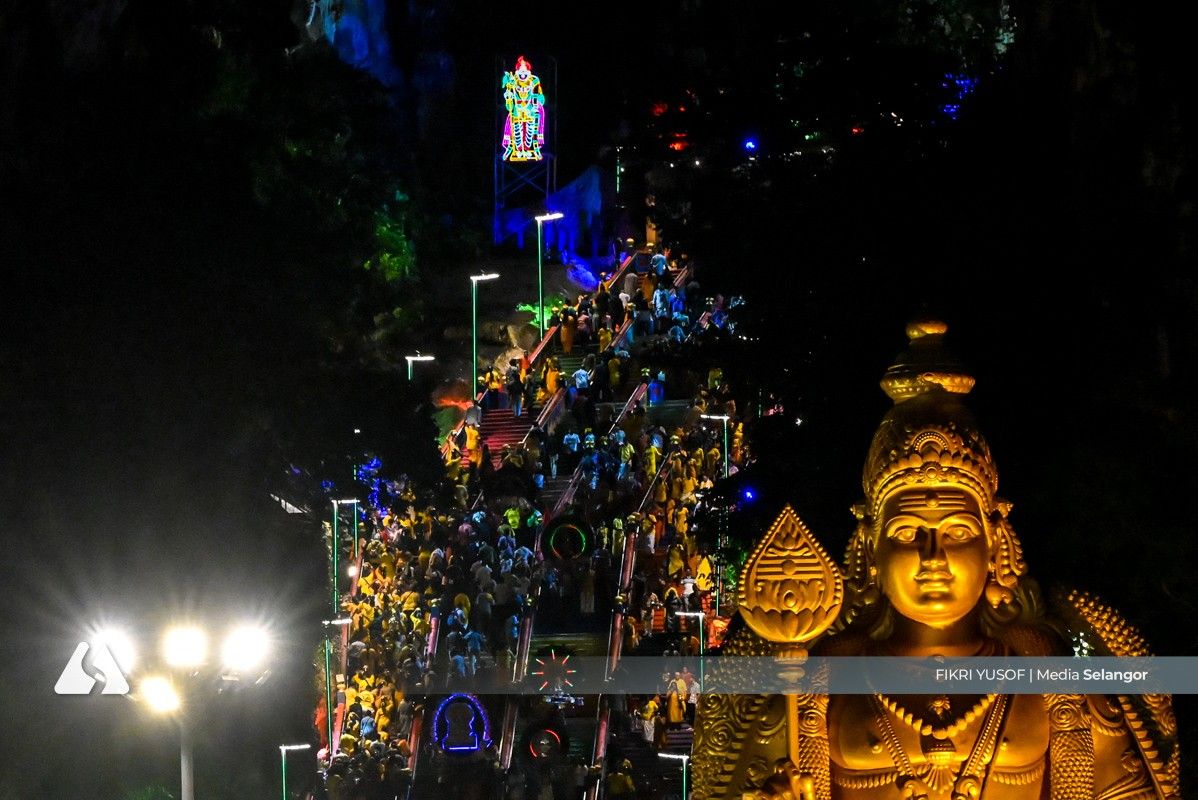
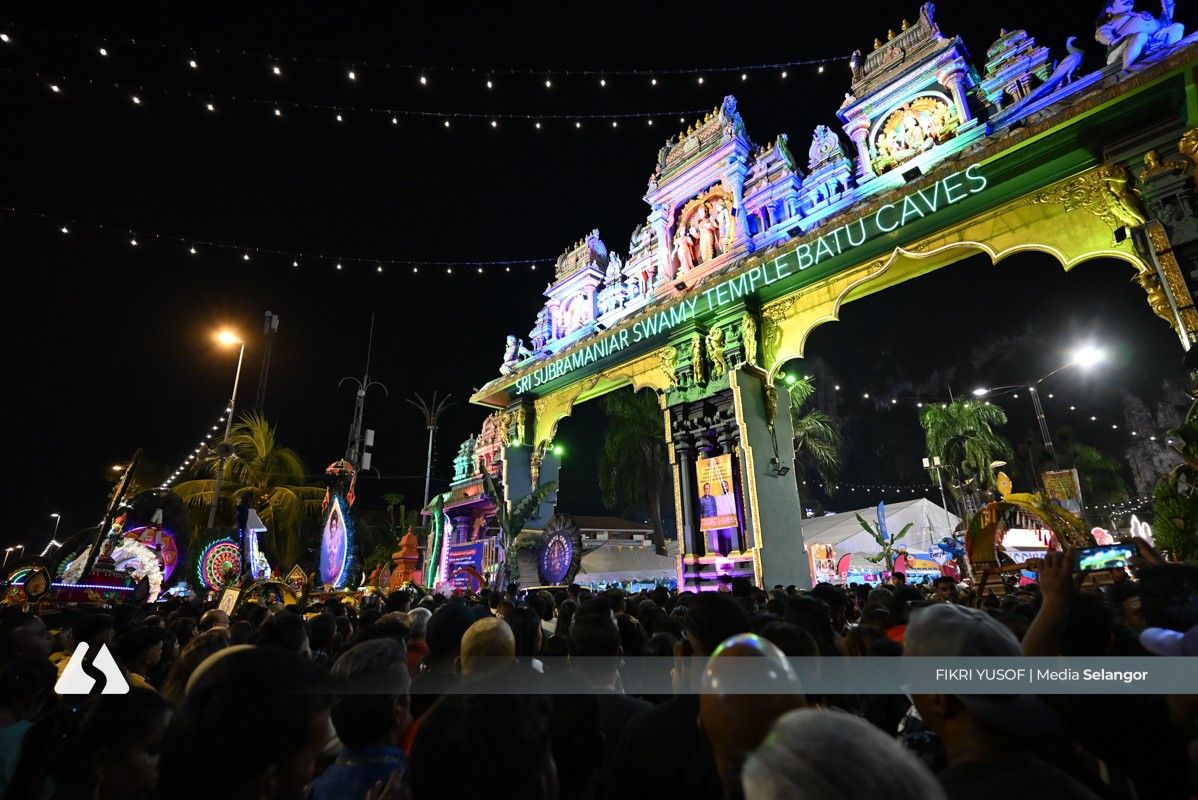
KUALA LUMPUR, Feb 1 — Kavadi processions, prayer chants, and the rhythm of traditional music marked Thaipusam celebrations nationwide today, as thousands of Hindu devotees, mostly clad in traditional attire, gathered at major temples in an atmosphere of devotion, harmony, and festivity.
A Bernama survey at the Sri Subramaniar Swamy Temple in Batu Caves, one of the country’s main centres of worship for Hindus, found devotees arriving as early as morning to fulfil their vows in conjunction with the festival.
Rituals such as the Paal Kudam (milk offering) ceremony and head-shaving added colour to the celebrations, symbolising sacrifice, self-purification, and devotion to Lord Murugan, with many devotees clad in yellow attire, which represents purity and positivity.
The festival also drew members of the public, including foreign tourists eager to witness the uniqueness of Thaipusam, one of Malaysia’s most significant religious celebrations.
A Turkish tourist, requesting to be identified only as Elfie, 33, described her first visit to the Batu Caves temple as an incredibly thrilling experience, as it was her first time witnessing such a vibrant religious celebration.
“This festival is very different from my country. It is unique and vibrant, with colourful rituals, a strong sense of devotion and a lively atmosphere throughout,” she said.
Elfie, who is visiting Malaysia for the first time, said that the experience gave her meaningful insight into the country’s rich cultural and religious diversity, making her visit both memorable and eye-opening.
Meanwhile, local visitor Nordin Sabli, 51, said he visited Batu Caves for the second time this year to introduce the festival to his Japanese wife, Nabuko Takahashi, 49, who has a keen interest in cultural diversity.
“Malaysia is known for its multicultural society, and I want my wife and children to experience this richness firsthand. Seeing it with our own eyes helps us better understand and appreciate other beliefs and cultures,” said Nordin, who has been married for 23 years.
The festive atmosphere at the Sri Subramaniar Swamy Temple in Kuala Selangor was also lively as more than 5,000 Hindu devotees began to fill the compound early in the morning to fulfil their vows and attend religious ceremonies.
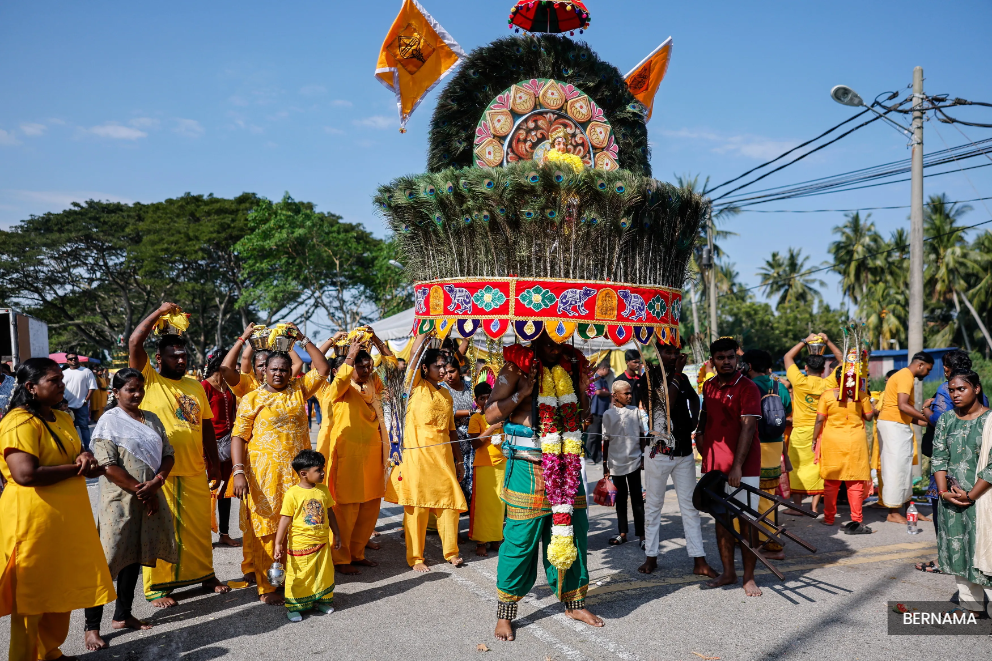
The event was also attended by state executive councillor for human resources, poverty eradication, Orang Asli, and minority affairs Papparaidu Veraman, who arrived at 8.30am together with Mukim Jeram headman Mohd Rizan Haron and Kuala Selangor Sri Subramaniar Swamy Temple chairman P. Kannathasan.
He said the number of devotees is expected to increase throughout the day, with an estimated 30,000 visitors by tonight.
“The state government always provides support to ensure the smooth conduct of religious ceremonies and the safety of visitors,” Papparaidu told the media.
In addition to religious rites, contributions of food, bottled mineral water, and milk were prepared for distribution to devotees as a gesture of care and support from the local community.
Meanwhile, in Penang, thousands of Hindu devotees began gathering as early as 4am along Jalan Kebun Bunga in George Town, dressed in yellow attire symbolising purity, before walking two kilometres to the Thanneermalai Shree Balathandayuthapani Temple.
French tourist Pierre Laurent, 45, expressed excitement and admiration after witnessing the vibrant, spiritually rich Thaipusam celebrations, calling the festival a unique cultural experience.
“Penang is already famous for its heritage and food, but witnessing this festival adds another layer to its cultural richness,” he said, adding that Thaipusam gave him a deeper understanding of Malaysia’s multicultural identity.
In Kedah, Hindu devotees gathered as early as 2.30am at the Sri Subramaniya Swami Devasthanam Temple in Sungai Petani, where the surroundings were enlivened by various activities, including the distribution of free food and drinks.
Several visitors, including foreign tourists, were also seen recording and observing the celebrations.
A German tourist, who only wanted to be known as Ute, 77, said he and four friends were delighted to witness the vibrancy of the Thaipusam celebrations, describing Malaysia’s customs and culture as unique, particularly the colourful traditional Hindu attire.
Meanwhile, Kedah-born Vincent Chia, 42, who is working in Thailand, said he visited the temple to capture the atmosphere of the religious celebration and to gain a deeper understanding of the customs and culture of the Indian community.
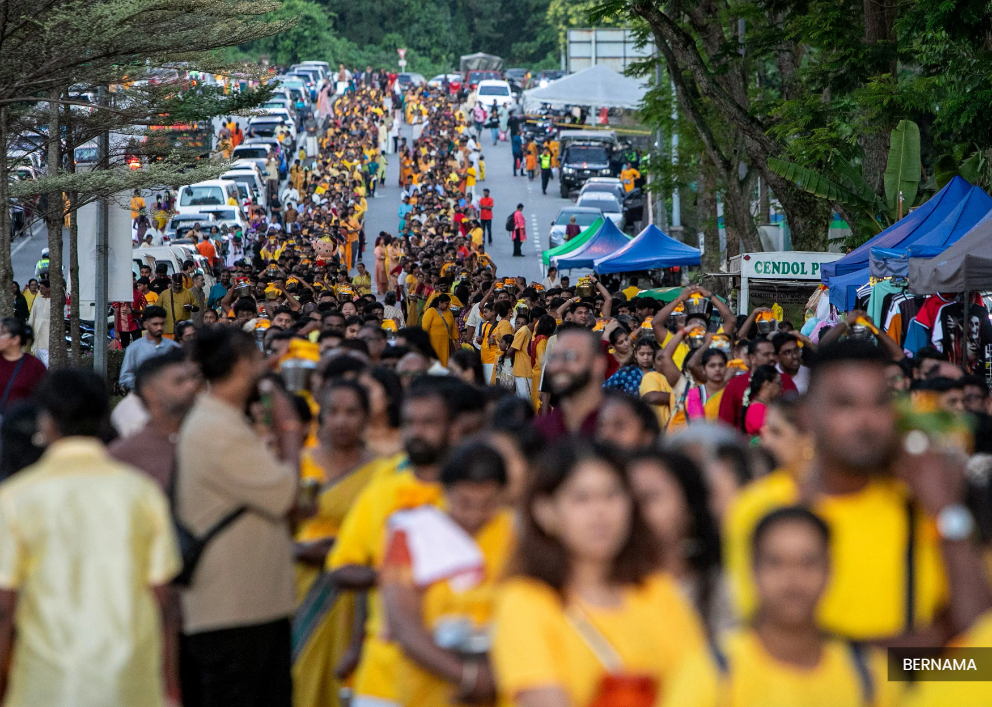
In Perak, the Sri Subramaniar Temple on Gunung Cheroh in Ipoh drew thousands of devotees as the chariot procession from the Sri Maha Mariamman Temple in Sungai Pari, Buntong, began last night.
Stalls selling food, drinks, and clothing lined the temple grounds, while devotees carrying Paal Kudam (milk offerings) were seen fulfilling their vows at the more than 100-year-old temple, the oldest in the state.
In a Facebook post, Menteri Besar Datuk Seri Saarani Mohamad expressed hope that the celebration would strengthen family ties and friendships and bring prosperity and happiness to those observing the festival.
In Johor, the Arulmigu Thendayuthapani Temple was filled with devotees from early morning, many carrying archenai, trays containing coconuts, money, fruits, and flowers, to seek blessings and fulfil vows to Lord Murugan.
About 50,000 devotees are expected to attend the two-day Thaipusam celebration, which focuses on kavadi processions and chariot floats.
On Facebook, Johor Unity, Heritage and Culture Committee chairman K. Raven Kumar said that Thaipusam symbolises sacrifice, repentance, and spiritual strength, reflecting the values of patience, discipline and perseverance.
In Negeri Sembilan, about 2,500 Hindu devotees attended the Thaipusam celebrations at the Sri Bala Thandayuthapani Temple in Seremban, the state's oldest and largest temple.
Its chairman R. Parameswaran, 62, said the management distributed 5,000 free food packs to visitors after the completion of prayer and purification ceremonies at about noon today.
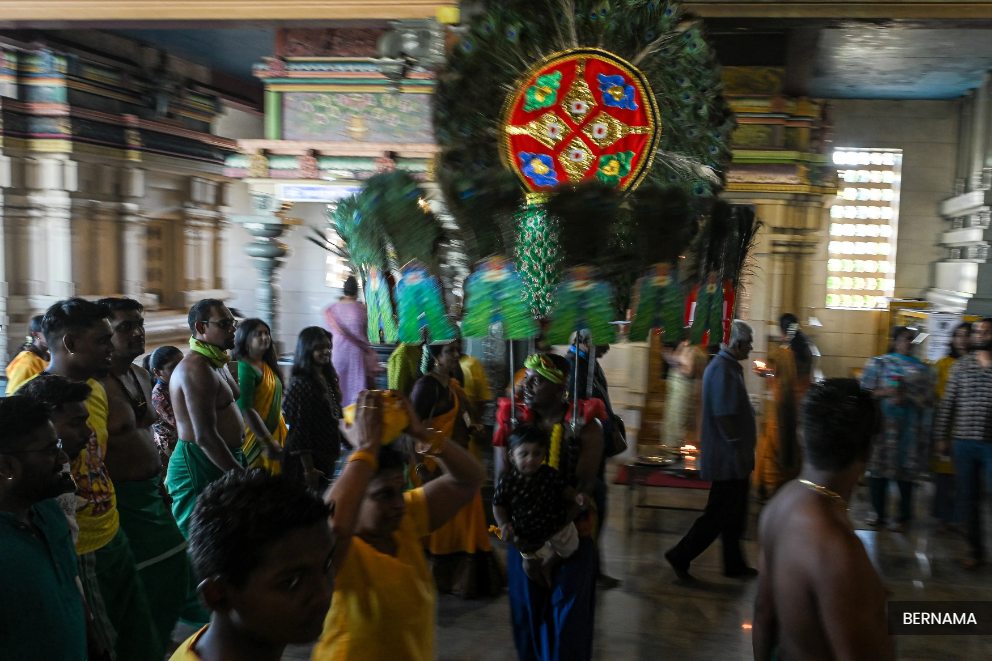
In Perlis, Thaipusam was marked by a modest celebration, with about 100 Hindus arriving as early as 5.30 am to offer prayers at the Arulmigu Arumugaswamy Dhevasthanam Temple.
Its chairman R. Hari Ram said the focus in the state was on religious devotion and peaceful worship rather than large-scale festivities.
In Melaka, Bernama’s survey found active participation among young volunteers at the Sri Subramaniar Devasthanam Temple in Batu Berendam.
N. Darwin, 20, said he and his brother arrived at 6.30am to help distribute “moor” (milk) to devotees fulfilling their vows, working alongside other volunteers.
“I have been helping distribute moor here for several years. I really admire the dedication of those who assist during every celebration,” he said.
In Sabah, the Thaipusam celebrations at the Sri Subramaniar Temple in Lok Kawi showcased the state’s multi-racial harmony, with Chinese, Kadazan, and Malay communities coming together to enliven the festivities.
Connie Josech, 50, a Christian, said her participation began after marrying her Hindu husband 20 years ago.
“This is Sabah...despite our different backgrounds and religions, we live with mutual respect and celebrate festivals together as a family and community,” she said.