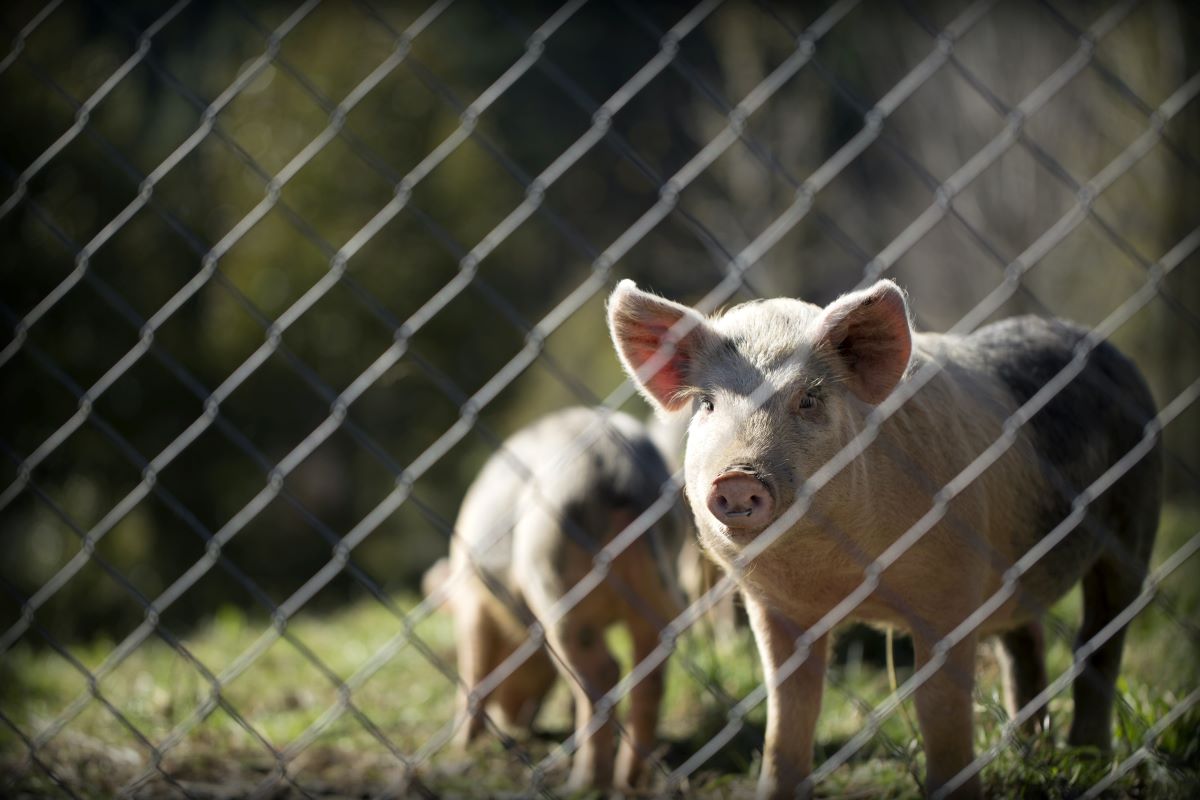

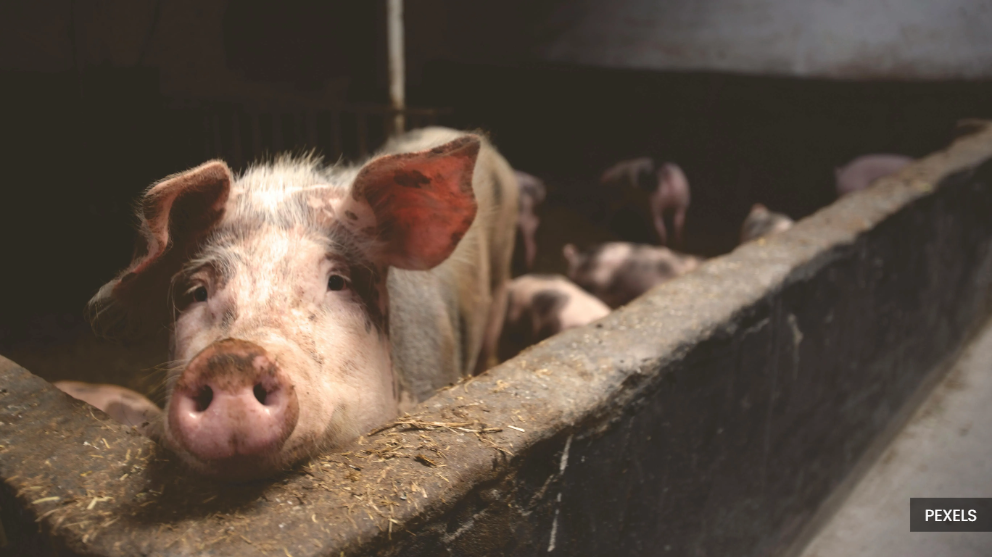
SHAH ALAM, Jan 30 — The state government is actively carrying out the closure of pig farms, with only just over 30 farms still operating in Kuala Langat, compared with 115 previously reported, following measures to improve livestock management.
State executive councillor for infrastructure and agriculture Dato' Izham Hashim said the move is part of Selangor's policy to ensure pig farming is managed in a more orderly and sustainable manner, in line with public health and environmental considerations.
“During the State Executive Council (MMKN) meeting, I presented proposals for improvements, and all parties agreed. I will also hold another dialogue with the community and Chinese associations after this to provide a better understanding.
“We want to manage this industry better for the benefit of all parties,” he told the media after attending the Shareholders’ Agreement Signing Ceremony between TNB Engineering Corporation Sdn Bhd and PKNS FM Integrated Sdn Bhd at the Shah Alam City Council building today.
Izham added that the improvements are necessary because unsustainably managed farming poses risks that could lead to problems, including the spread of diseases, which would ultimately harm the industry.
The state government has informed the relevant operators of its policy on farm management, and that farming activities cannot continue at certain locations. However, a reasonable period has been given to farmers to vacate and relocate their farms in stages and in an orderly manner.
He also said that livestock-related disease issues in Selangor involve only the non-transmissible African Swine Fever (ASF) so far, and not the Nipah virus.
Meanwhile, the state government is targeting an increase in paddy yields to at least seven to eight tonnes per hectare to ensure more sustainable production.
The councillor said the effort will be implemented through new high-impact approaches, including large-scale paddy field management methods.
The state government also plans to hold discussions with the relevant ministries and private companies to encourage corporate sector involvement in paddy field management.
“Currently, paddy subsidies amount to RM1.28 billion a year, and we see the need to restructure part of these subsidies as incentives for companies willing to cooperate with farmers,” Izham said.
Among the issues identified is non-compliance with agreements, with some farmers failing to sell their produce to companies despite receiving advance payments.