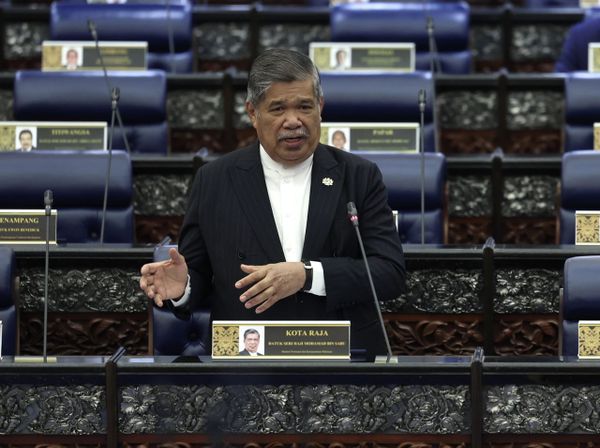
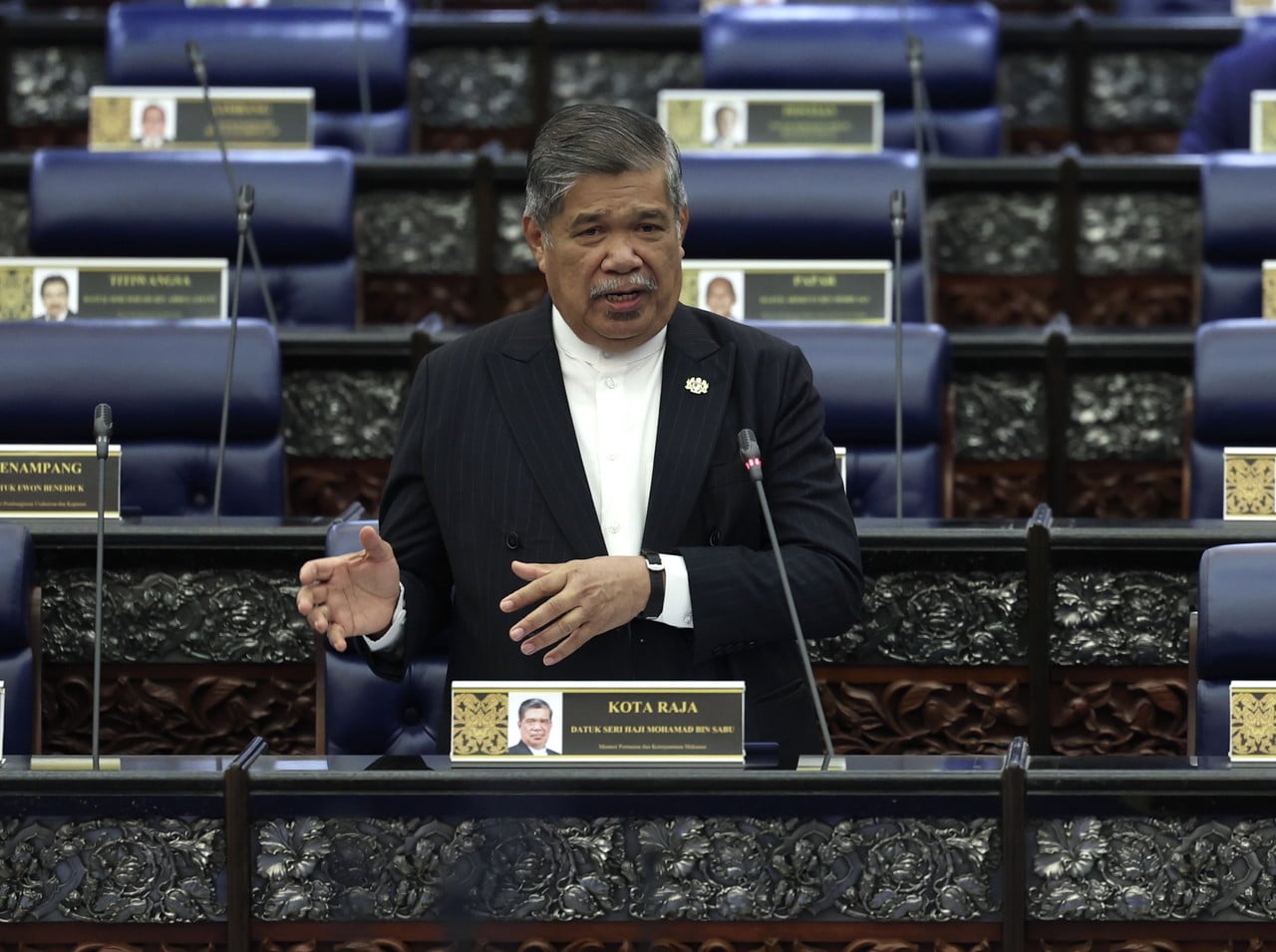
SHAH ALAM, Jan 30 — No funds were allocated for pig farming in Peninsular Malaysia under the 12th Malaysia Plan (12MP), said Agriculture and Food Security Minister Mohamad Sabu.
He was responding to Khoo Poay Tiong’s (Harapan-Kota Melaka) question on funds given under the plan to develop pig farming in the peninsula, the number of licensed locations, and the farms’ capacities in each state, as well as any aid provided.
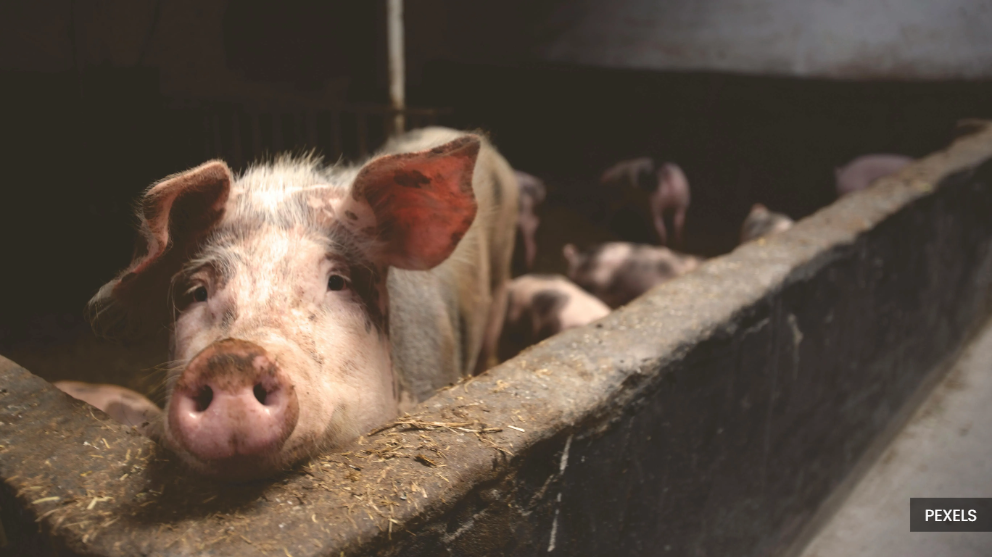
According to Mohamad, in Selangor, pig farming is confined to a single licensed location, with a total standing pig population (SPP) capacity of 250,000.
Other states with licensed pig farms are:
Johor: Nine farms, SPP capacity of 254,000
Perak: Eight farms, SPP capacity of 580,000
Penang: Four farms, capacity determined based on livestock density ratio of 700 pigs per 0.4ha
Negeri Sembilan: One farm, capacity of 1,000
“Licensed pig farms are concentrated in several states, with capacities varying according to state policies and approvals by local authorities, and are regulated by the respective state Veterinary Services Departments (DVS) under the Control of Pig Farming Enactment (1992),” Mohamad said.
He added that despite the absence of direct funding, measures are in place to support the industry.
These include encouraging modern, closed-system pig farms, offering tax incentives for closed-farm operations and agricultural automation, facilitating soft-loan financing through commercial banks, and strengthening enforcement against pork smuggling to protect local producers and ensure food security.
The minister’s statement comes amid uproar over an initial plan by Selangor to limit pig farming activities to Tanjung Sepat in Kuala Langat, before relocating operations to a central Bukit Tagar farm in Hulu Selangor by 2030.
Following public concern and disapproval from Sultan of Selangor Sultan Sharafuddin Idris Shah Alhaj, the state government brought forward the relocation to the end of this year.
However, on January 26, Menteri Besar Dato’ Seri Amirudin Shari announced that the project in Bukit Tagar was postponed for the state government to explore alternatives, including by identifying a more suitable site.