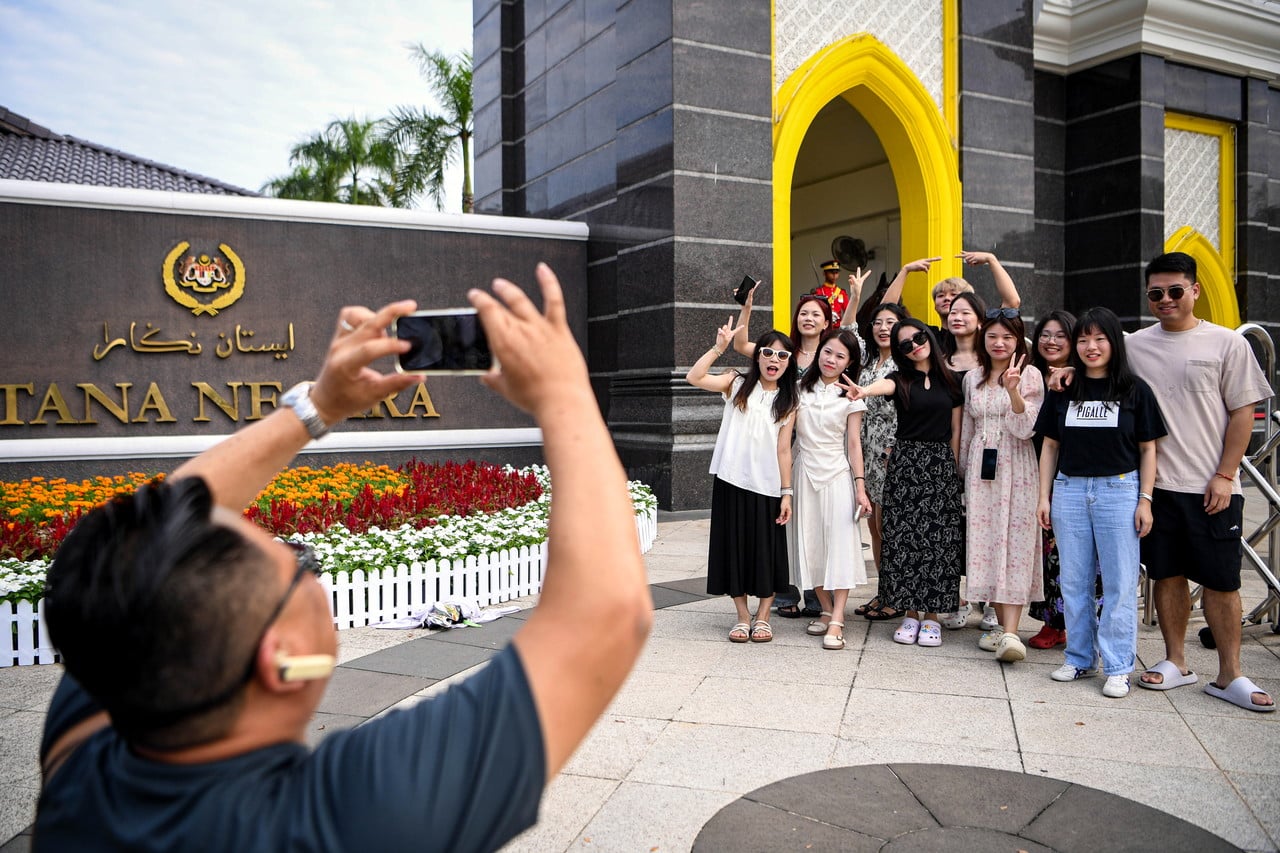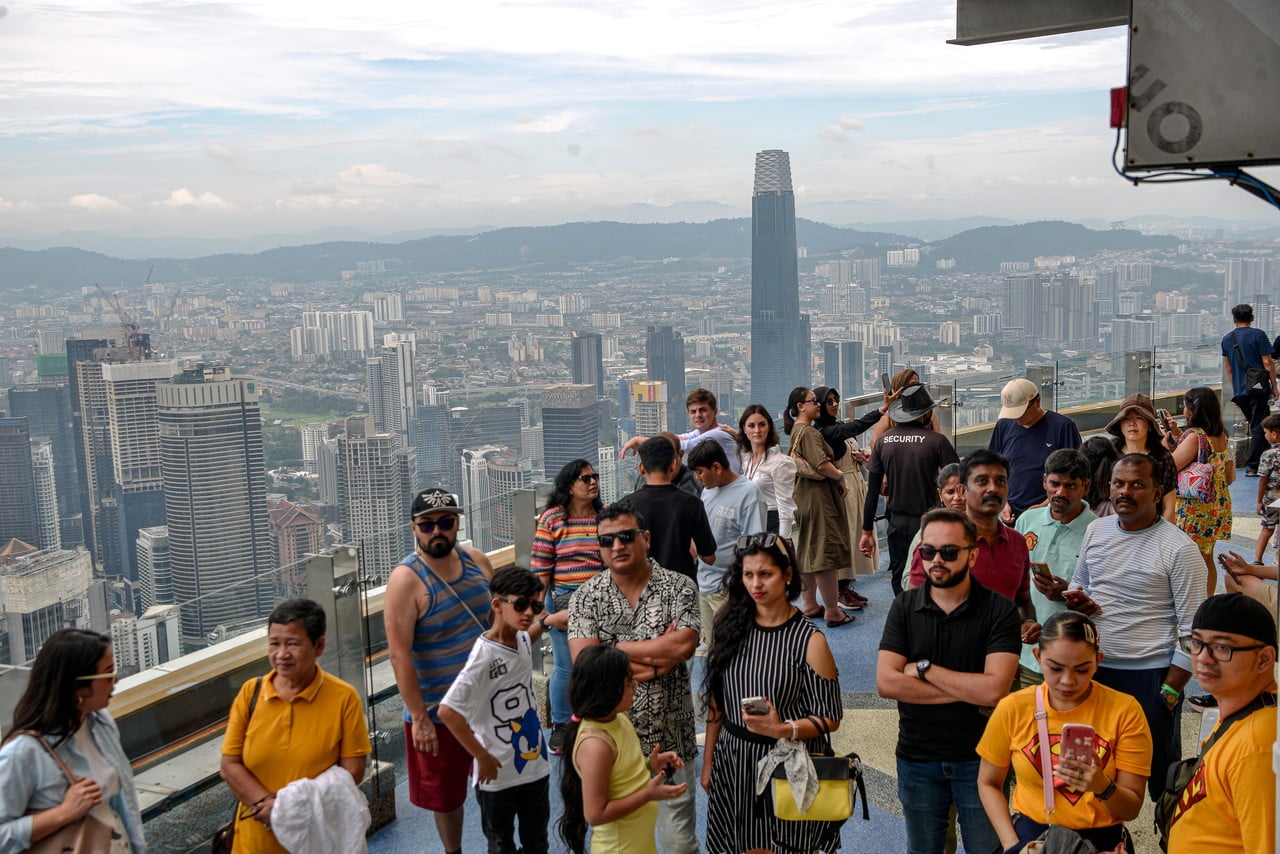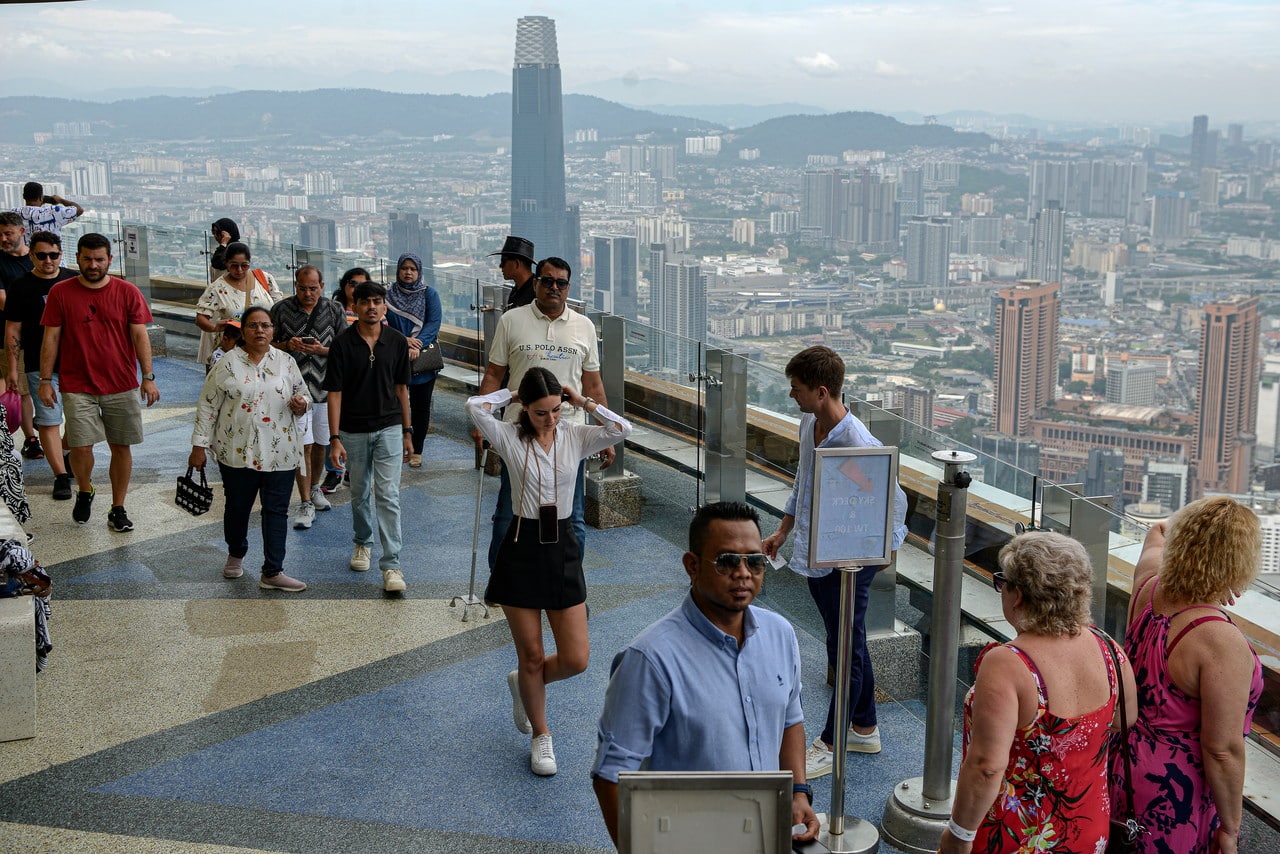
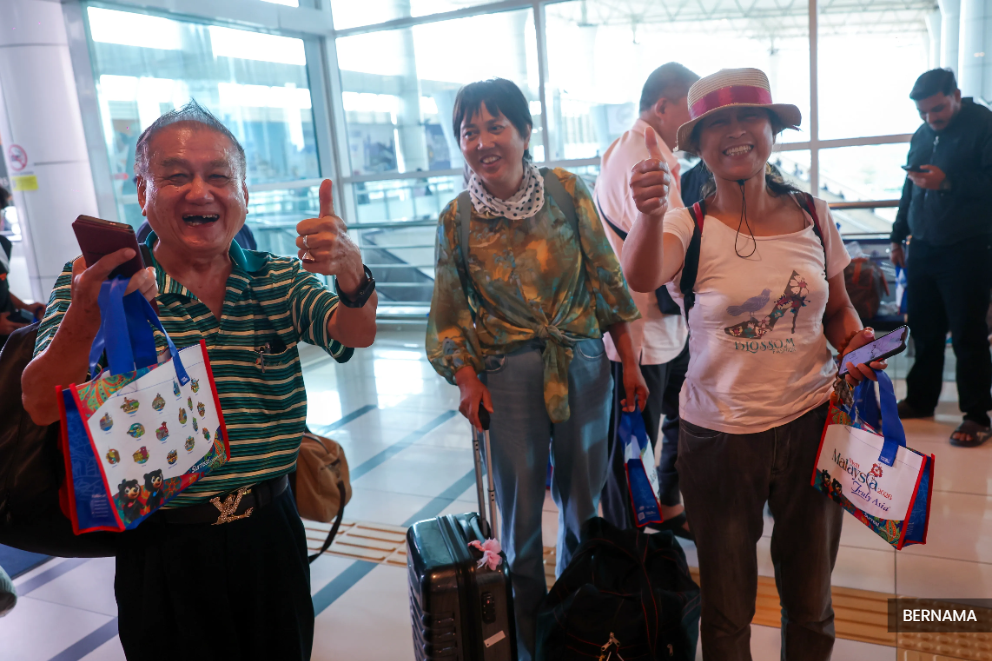
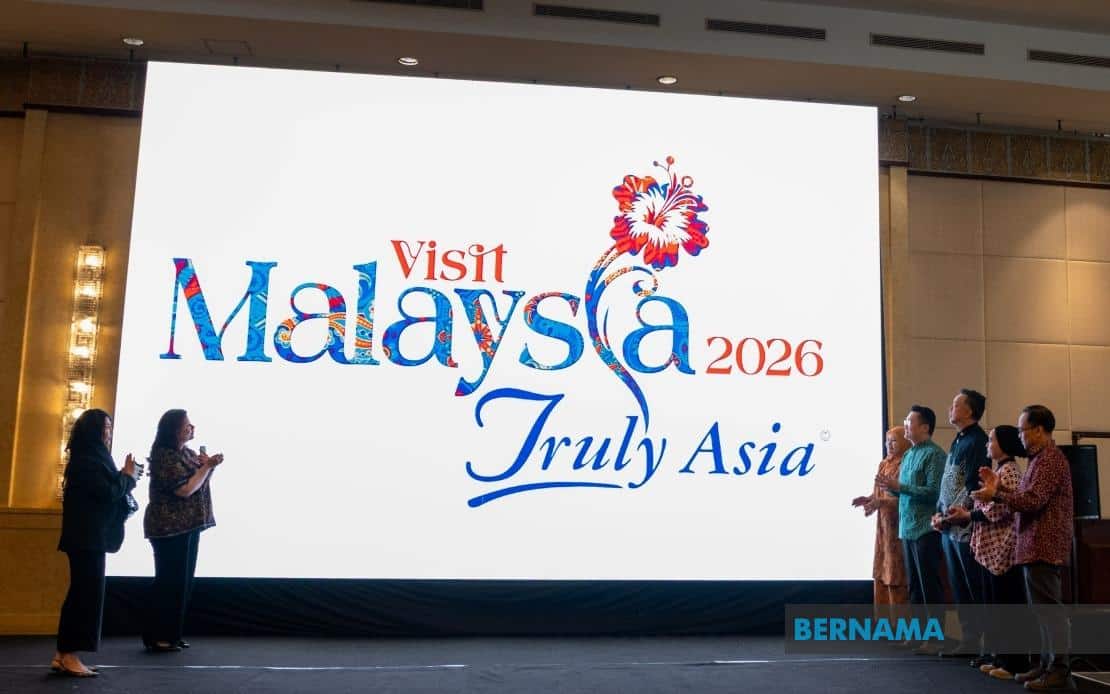
KUALA LUMPUR, Jan 30 — Launched on January 1, the Visit Malaysia 2026 (VM2026) campaign aims to attract 47 million international visitors and generate RM329 billion in tourism receipts, the highest in the country’s history.
Featuring the theme ‘Surreal Experiences’ and Malayan sun bears Wira and Manja as mascots, the government has allocated RM700 million for promotion and infrastructure.
VM2026 is a key initiative to revive and strengthen Malaysia’s tourism sector.
While ambitious, experts say the targets are achievable if all stakeholders, including ordinary citizens, actively promote Malaysia.
Associate Prof Dr Siti Suriawati Isa of Universiti Putra Malaysia said Malaysians can help by sharing brochures abroad, posting VM2026 content on social media, and championing local experiences. She suggested recognition for citizens who actively promote the campaign online.
Ecotourism and MICE potential
Dr Siti Suriawati highlighted ecotourism and MICE (Meetings, Incentives, Conferences, Exhibitions) as key growth areas.
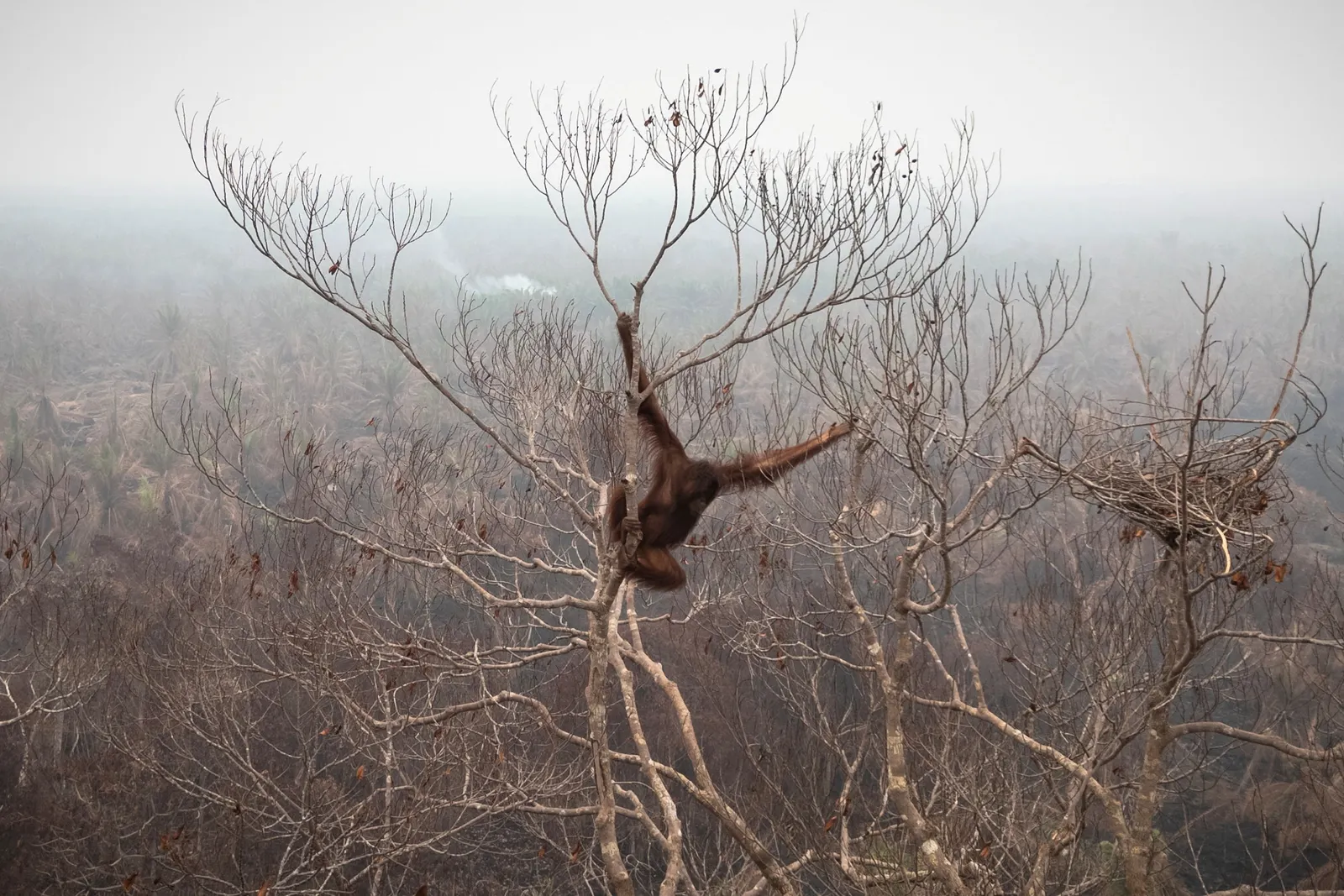
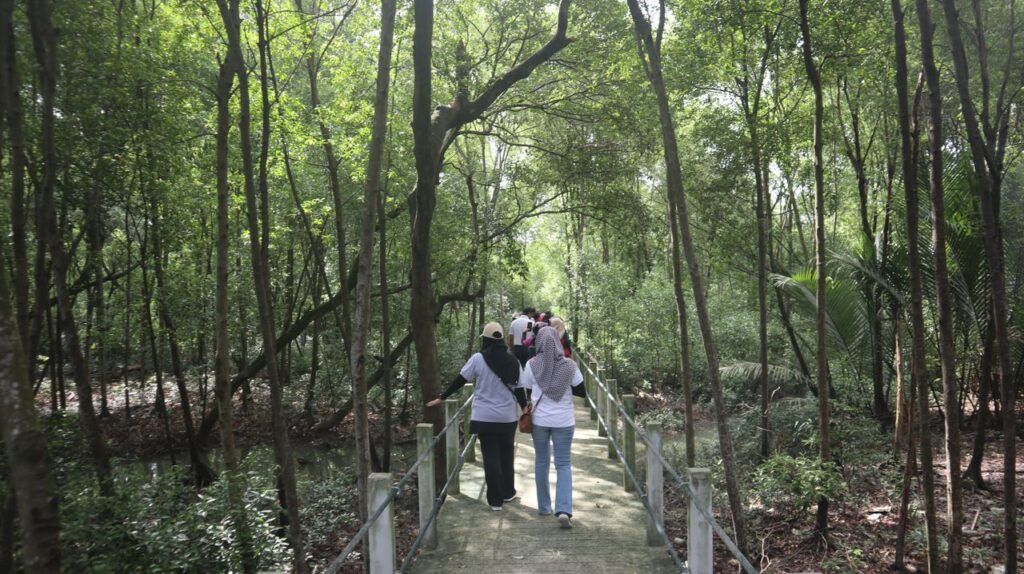
Ecotourism: Malaysia’s biodiversity and natural sites — such as Ulu Muda (Kedah), Gunung Mulu (Sarawak) and Mantanani Island (Sabah) — offer premium experiences that generate higher spending per visitor.
MICE: Business events engage multiple sectors and can significantly boost the economy. Malaysia’s multilingual workforce, political stability, infrastructure, safety, and moderate costs enhance its attractiveness. Limitations remain for mega-events exceeding 100,000 participants.
Appeal of local culture
Uzaidi Udanis, founder of Your Inbound Matters, stressed that VM2026’s success hinges on authentic visitor experiences, seamless booking, and benefits for local communities.
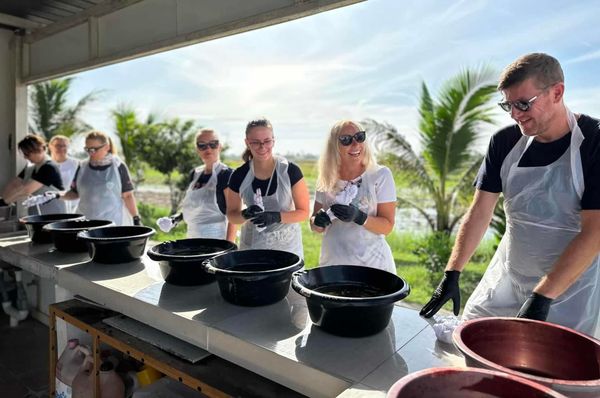
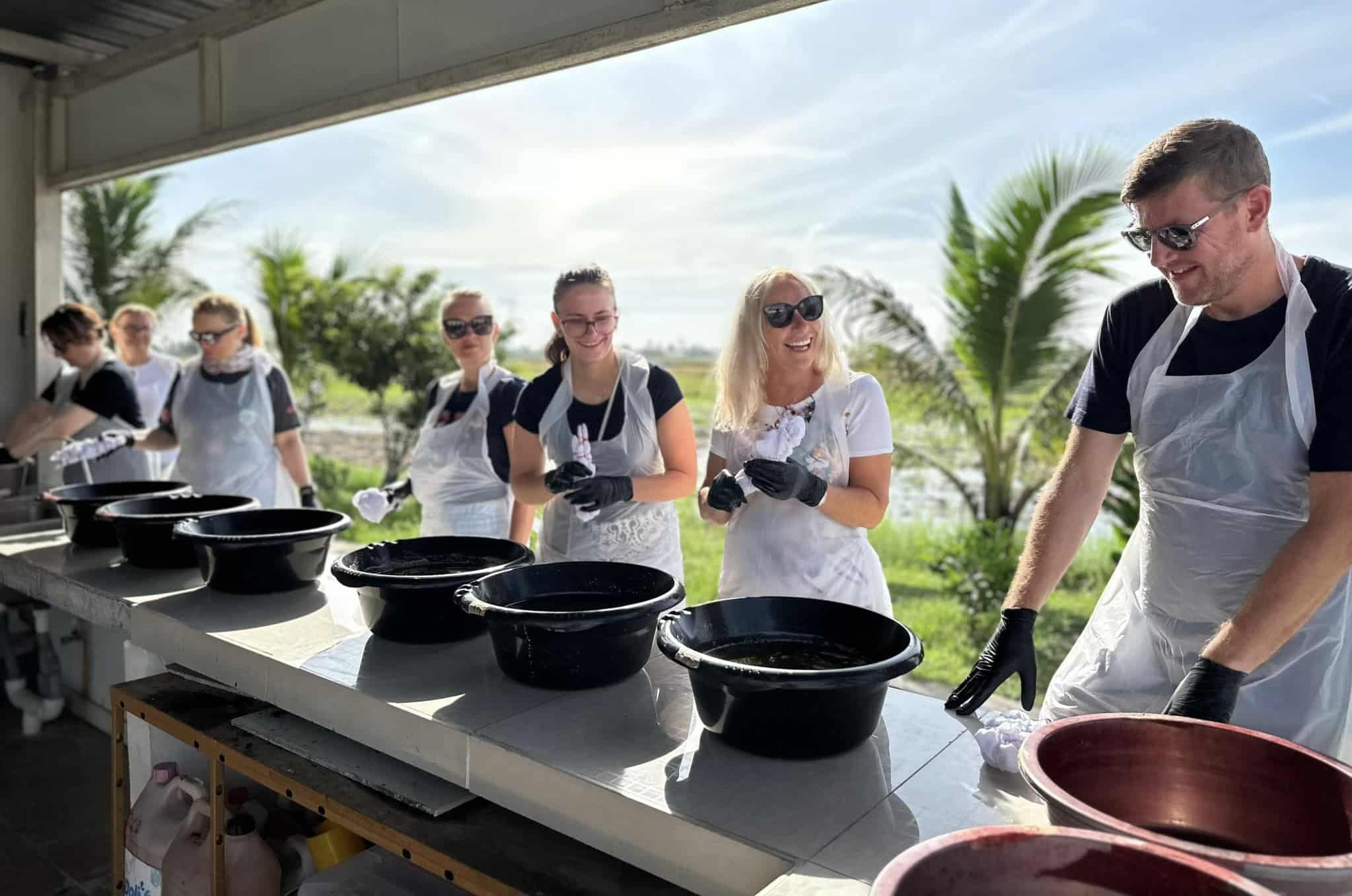
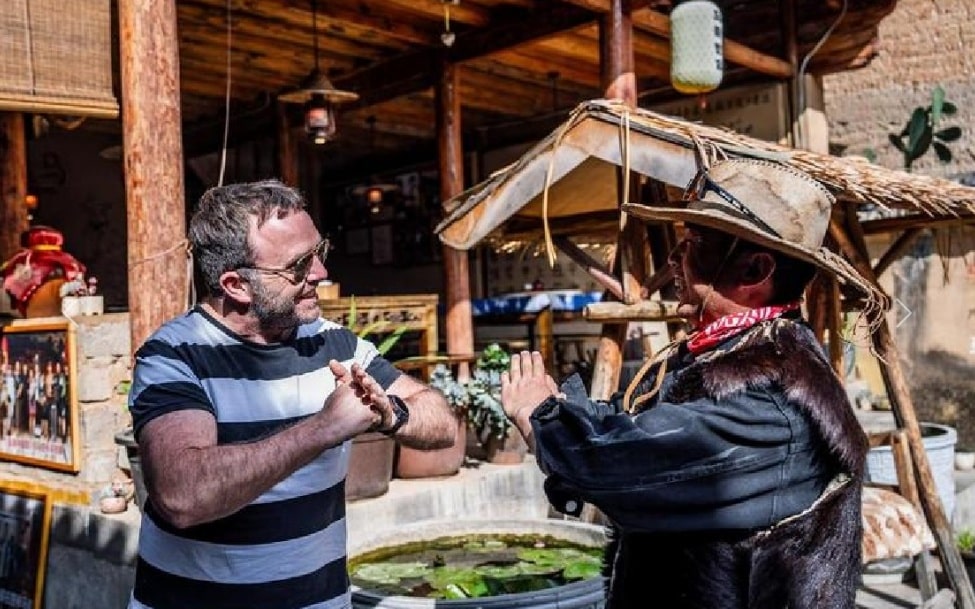
Tourists should experience local culture firsthand — meals with residents, village visits, and daily activities.
Booking must be easy; digital accessibility is key.
Visitor spending, rather than sheer numbers, drives tourism revenue. Increasing the average spend from between RM4,000 and 5,000 to RM7,000 per visitor could meet VM2026 goals.
Target markets include Europe and long-haul markets like India and China. Malaysia can position itself as a gateway to ASEAN, offering multi-country travel packages to increase stays and spending.
Quran tourism and spiritual draw
Uzaidi also emphasised product readiness and storytelling over advertising. Initiatives like Quran Tourism — combining historical site visits with study and spiritual enrichment — showcase Malaysia as a “living destination.”
His platform helps local tour agencies build digital access to international markets and promote authentic experiences in food, culture, and nature.