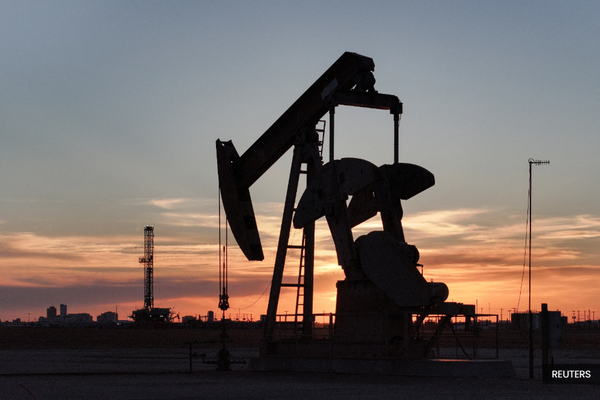
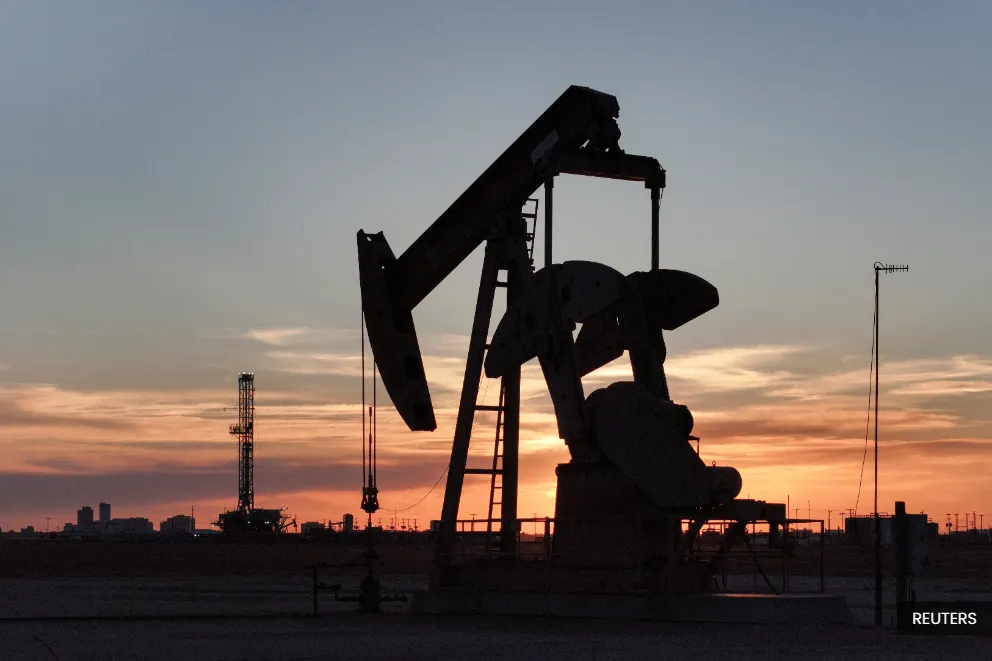
LONDON, Jan 27 — Oil prices jumped over one per cent on Tuesday as a massive winter storm hit crude production and affected refineries on the United States (US) Gulf Coast, with the market also finding support from the slow restart of output from the Tengiz oilfield in Kazakhstan.
Brent crude futures were up 90 cents or 1.4 per cent, at US$66.49 a barrel by 1415 GMT. U.S. West Texas Intermediate crude was up US¢87 or 1.4 per cent, at US$61.50 a barrel.
The US suffered production losses as a severe winter storm swept across the country, straining energy infrastructure and power grids.
Analysts and traders estimated that American oil producers lost up to two million barrels per day, or roughly 15 per cent of national production over the weekend.
"Cold weather in the US could move oil production lower for a bit longer, and the recovery of Tengiz production seems to be happening slower than earlier expected, keeping the oil market tighter," said UBS analyst Giovanni Staunovo, adding that the weaker US dollar was lending some support.
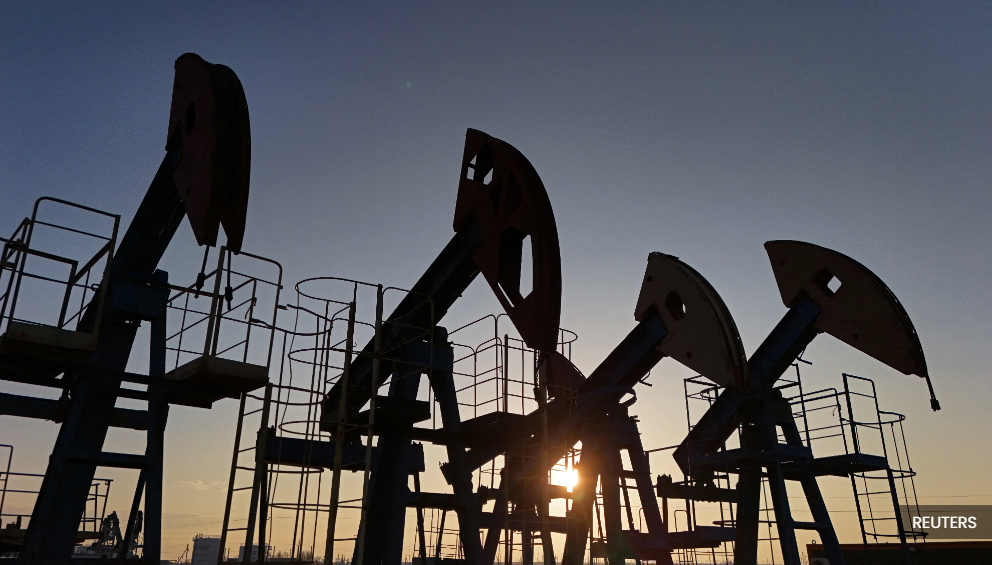
Cold weather to spur drawdown in stocks
"The cold weather in the US will likely cause quite significant drawdowns in oil stocks over the next few weeks, particularly if this weather persists. This could boost prices in the coming days," said brokerage PVM's oil analyst Tamas Varga.
Meanwhile, sources familiar with the matter told Reuters that Kazakhstan's biggest oilfield Tengiz is likely to restore less than half of its normal production by February 7 as it slowly recovers from a fire and power outage.
However, the CPC, which operates Kazakhstan's main exporting pipeline, said it returned to full loading capacity at its terminal on the Russian Black Sea coast after maintenance was completed at one of its three mooring points.
Varga added that some traders are also likely to be taking profits on heating oil, which has risen sharply in recent days amid cold weather in the US.
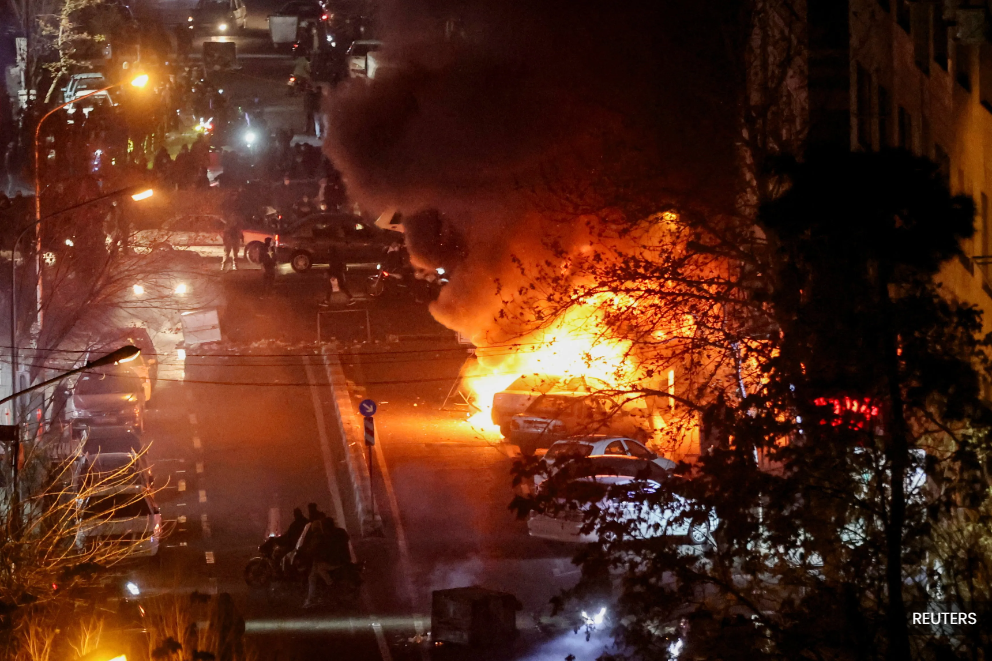
Supply risks persist due to Mideast tensions
Geopolitically, two US officials told Reuters on Monday that a US aircraft carrier and supporting warships have arrived in the Middle East, expanding President Donald Trump's capabilities to defend American forces, or potentially take military action against Iran.
"Supply risks have not totally evaporated...Tension in the Middle East persists after President Trump dispatched naval assets to the region," said ANZ analyst Daniel Hynes.
Further on the supply front, three OPEC+ delegates told Reuters that the grouping is set to keep its pause on oil output increases for March at a meeting on February 1.