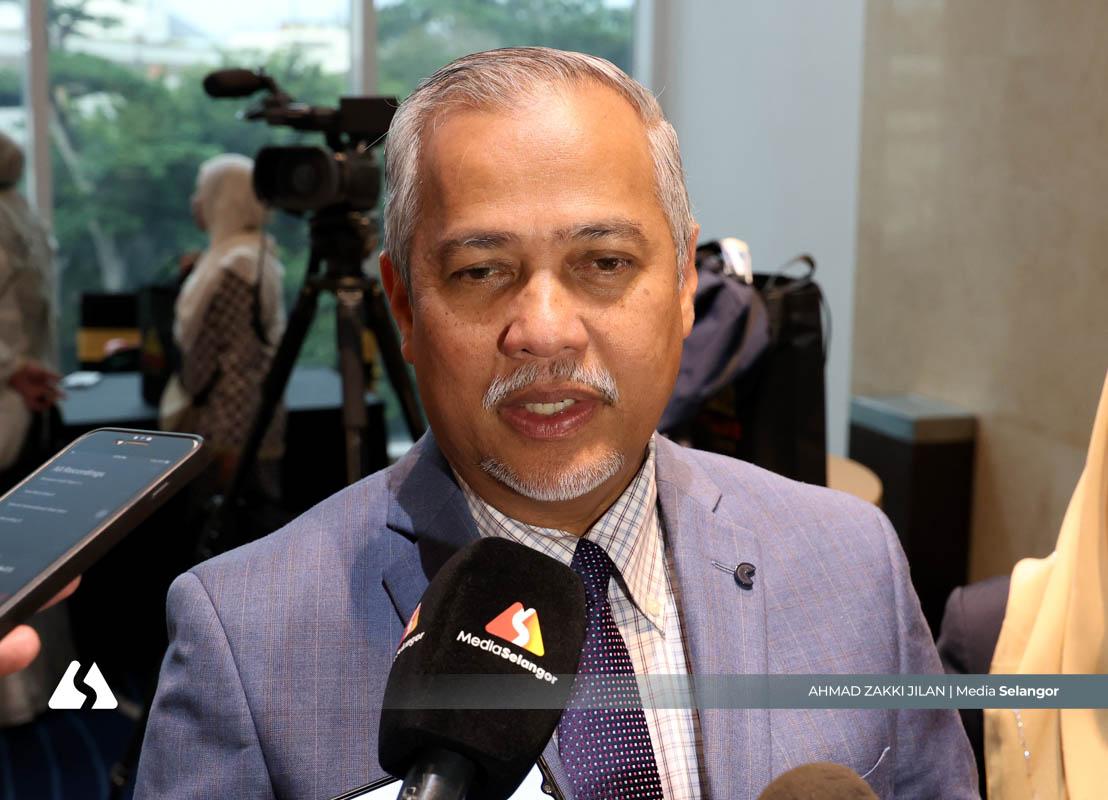

SHAH ALAM, Jan 26 — Menteri Besar Dato’ Seri Amirudin Shari has instructed local authorities to respond to public complaints within 12 working hours, as part of the state’s local government reforms.
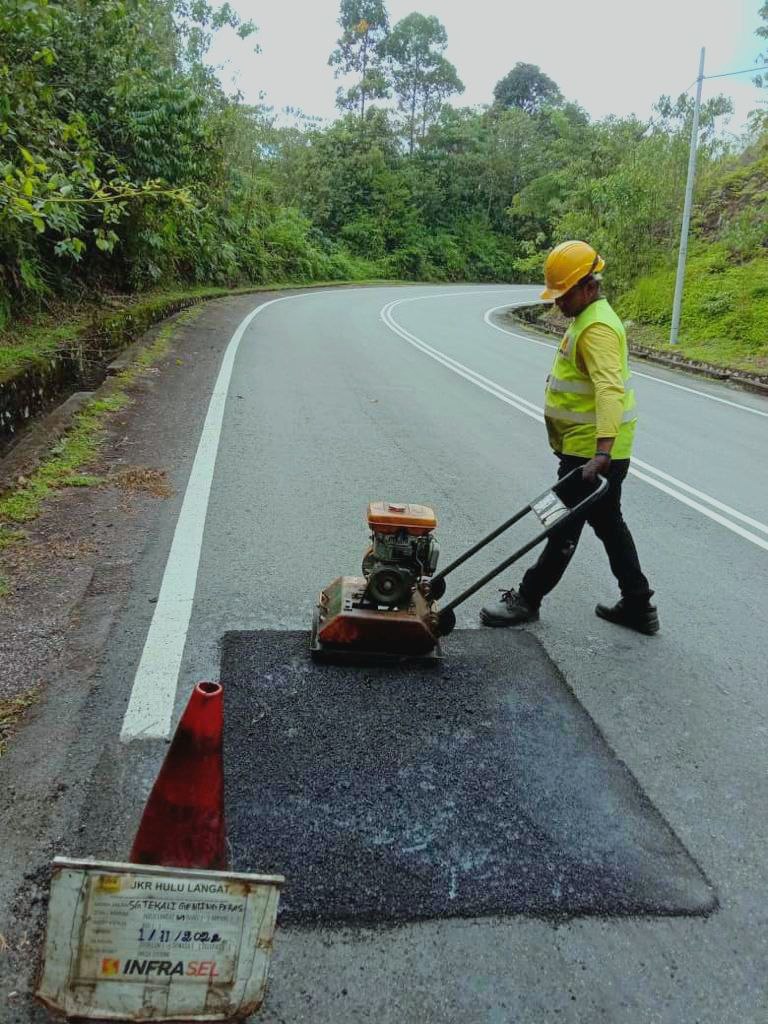
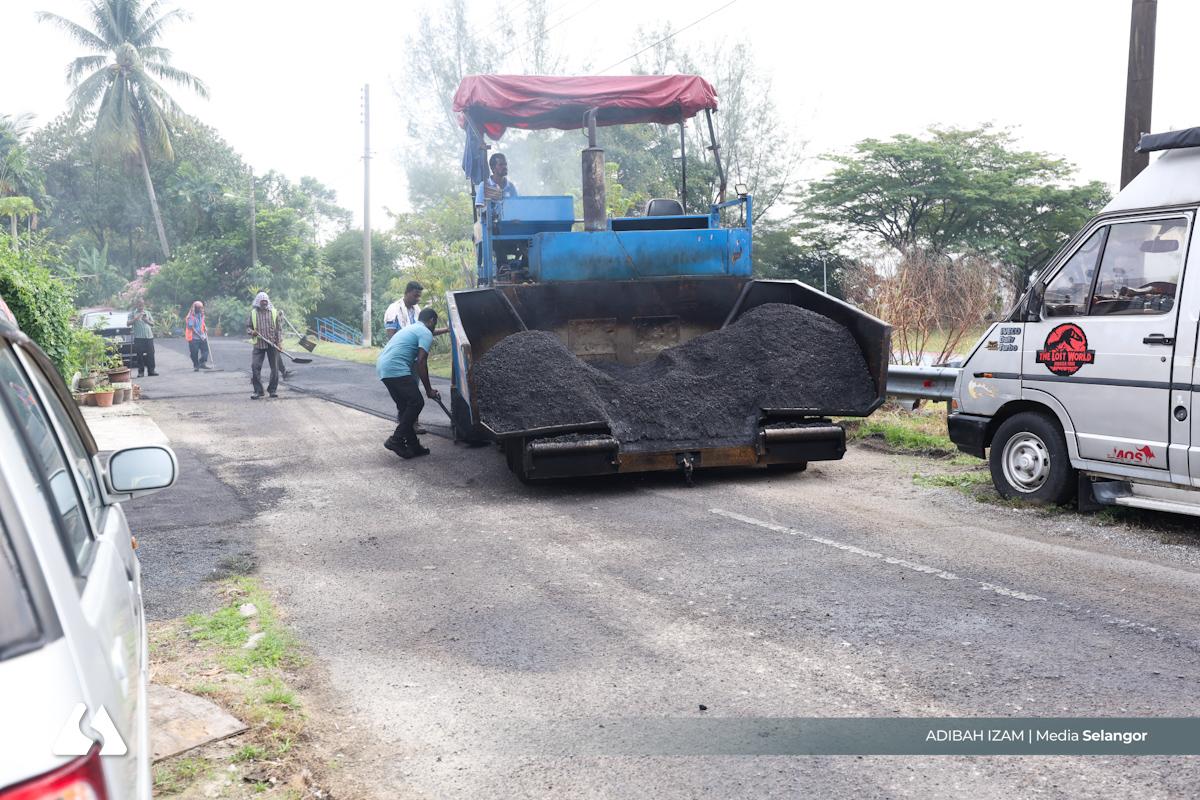
He said this is to improve front-line service delivery on issues such as road maintenance, waste collection and public infrastructure.
“Local authorities should eliminate bottlenecks and prioritise service quality as their main standard,” he said in his New Year’s address at the civil servant assembly here today.
“This year, we must be able to respond to public complaints within 12 working hours. Be it roads, waste collection, public infrastructure, drainage, park facilities, or road signage, all of these have a direct impact on the daily lives of Selangor residents.”
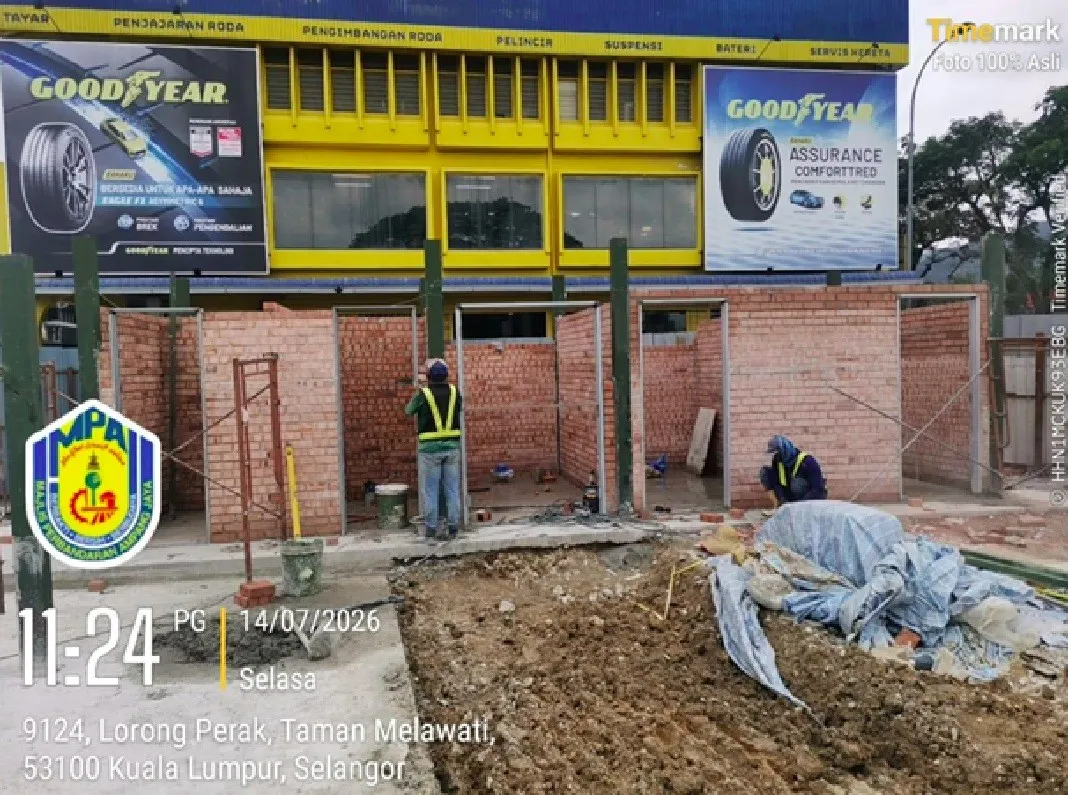
Amirudin added that permit processes would be streamlined, home renovation approvals would be issued within 24 hours, and hawker licences would be processed within 14 days compared with the previous 30 days.
“I want to see more Selangor residents become entrepreneurs, and the government must make its processes as simple as possible and not pose a barrier to economic growth.
“I am also exploring the potential for government machinery to be equipped with AI facilities to detect and map potholes across (areas under) state, federal, and local authority (jurisdictions).
“We must be proactive and not wait for the rakyat to lodge complaints before we act,” he said.
He stressed that waste collection in all areas must be on schedule, while public complaints should be addressed within 12 working hours and resolved as much as possible within 24 hours.
Additionally, he called on local authorities to adopt a people-centric approach, emphasising that the people are the state’s primary stakeholders.
“They are the main client. They are the boss. When they come to our offices, how we serve them and the speed of our response must reflect their significance,” Amirudin said.
He warned against outdated practices where front-line officers treat the public as subordinates or dismiss their concerns.
“We can no longer allow a culture where officials bully the people or assume they know nothing.
“Today, citizens don’t need to report issues to the media; they can post online, which can affect our image.
“Front-line officers must adopt a mindset that recognises the people as the ultimate overseers of service delivery,” Amirudin said.